Skip to Content

About: Jack Otai

Recent Posts by Jack Otai

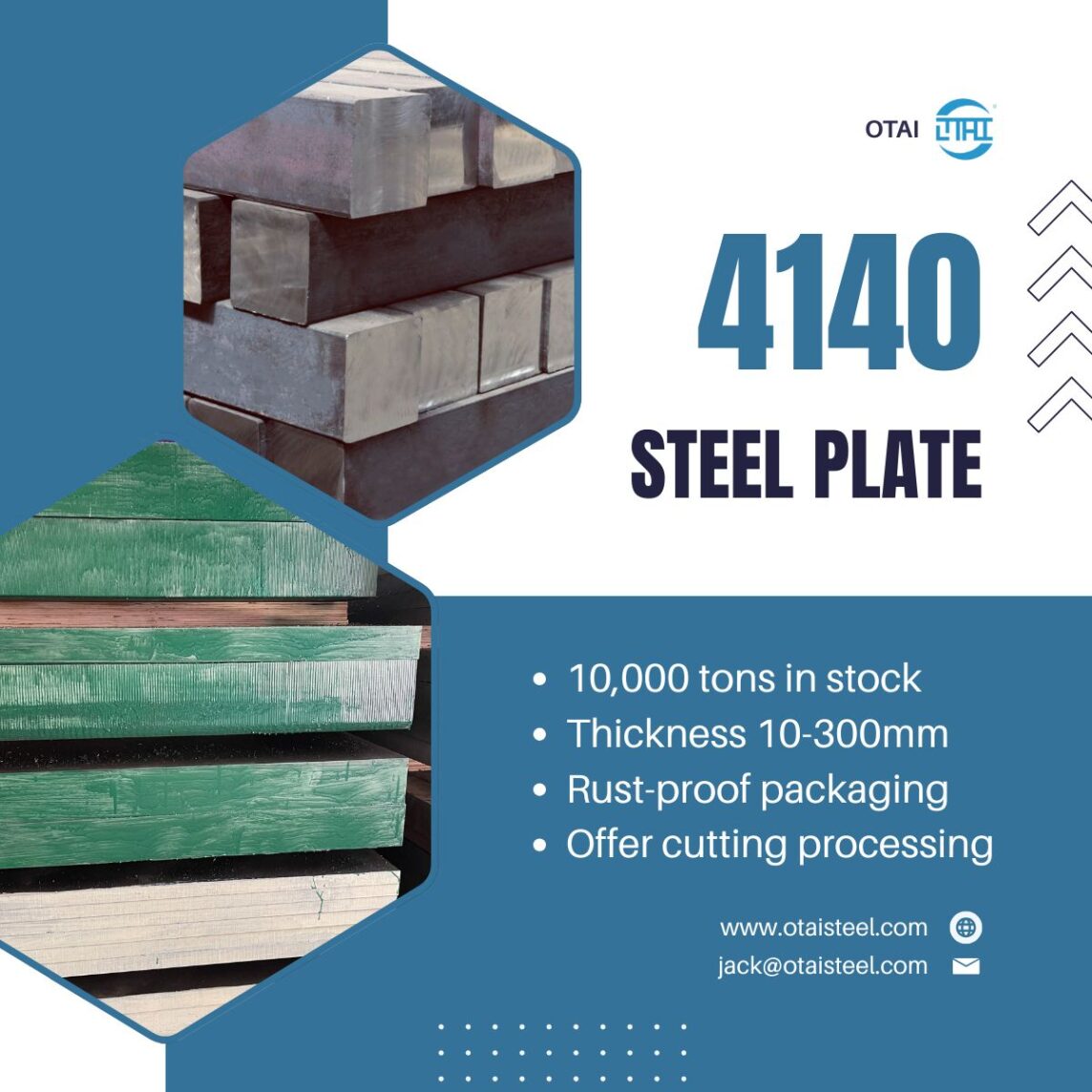
AISI 4140 Steel Mechanical Properties: Strength and Industrial Performance

AISI 4140 Steel Mechanical Properties: Strength and Industrial PerformanceAISI 4140 Steel Mechanical Properties: Strength and Industrial Performance

Engineers and manufacturers often evaluate alloy steels based on their strength, durability, and performance under mechanical stress. One of the most widely used chromium-molybdenum alloy steels in the world is AISI 4140. Because of its excellent balance of strength, toughness, and wear resistance, this material plays a critical role in many industrial applications. Understanding aisi 4140 steel mechanical properties helps engineers select the right material for demanding components such as shafts, gears, and heavy machinery parts.

AISI 4140 steel belongs to the family of medium-carbon alloy steels that contain chromium and molybdenum. These alloying elements significantly improve hardenability, tensile strength, and fatigue resistance compared with plain carbon steels. In this article, we explore the mechanical properties of AISI 4140 steel, examine its chemical composition, analyze how heat treatment affects performance, and review its common engineering applications.


🔍 Overview of AISI 4140 Steel

AISI 4140 is a low-alloy steel developed to provide high strength and excellent toughness while maintaining good machinability. Because it responds well to heat treatment, engineers can adjust its mechanical performance depending on the application.

This material is widely used in industries such as automotive manufacturing, oil and gas, aerospace, and heavy equipment production. Many manufacturers rely on it for components that must withstand high stress and fatigue.

When discussing typical mechanical properties of AISI 4140 steel, it is important to recognize that the values vary depending on heat treatment condition, material size, and manufacturing process.


⚙️ Chemical Composition of AISI 4140 Steel

The mechanical strength of alloy steel depends largely on its chemical composition. The alloying elements in AISI 4140 improve hardenability and resistance to mechanical stress.

Element Percentage
Carbon (C) 0.38 – 0.43%
Chromium (Cr) 0.80 – 1.10%
Molybdenum (Mo) 0.15 – 0.25%
Manganese (Mn) 0.75 – 1.00%
Silicon (Si) 0.15 – 0.35%
Phosphorus (P) ≤0.035%
Sulfur (S) ≤0.040%

Chromium improves wear resistance and corrosion resistance, while molybdenum enhances toughness and high-temperature strength. These elements play a key role in determining the AISI 4140 steel property comparison with other alloy steels.


📊 Mechanical Properties of AISI 4140 Steel

The mechanical properties of AISI 4140 steel depend significantly on its heat treatment condition. In the quenched and tempered state, this alloy steel provides excellent strength and toughness.

Typical mechanical properties are shown below.

Property Typical Value
Ultimate Tensile Strength 850 – 1000 MPa
Yield Strength 655 – 850 MPa
Elongation 12 – 25%
Reduction of Area 45 – 60%
Hardness 28 – 32 HRC

These values represent the AISI 4140 steel tensile strength and elongation typically achieved after quenching and tempering treatment.

Because of this balanced mechanical performance, the material performs well in high-load applications.


🔧 Yield Strength and Hardness Characteristics

Engineers often focus on AISI 4140 steel yield strength and hardness when designing components that must resist deformation.

Yield strength represents the stress level at which permanent deformation begins. AISI 4140 offers high yield strength, which helps components maintain dimensional stability under heavy loads.

Typical hardness values depend on the heat treatment condition.

Condition Hardness Range
Annealed 197 HB
Normalized 200 – 220 HB
Quenched and Tempered 28 – 32 HRC
Hardened Up to 50 HRC

These hardness levels demonstrate the material’s ability to adapt to different engineering requirements.


🔥 Heat Treatment and Property Changes

Heat treatment strongly influences heat treated AISI 4140 mechanical properties. The steel responds well to quenching and tempering processes that improve strength and toughness.

Common heat treatment processes include:

Process Temperature Range Purpose
Annealing 840 – 870°C Improve machinability
Normalizing 870 – 900°C Refine grain structure
Quenching 820 – 870°C Increase hardness
Tempering 400 – 650°C Balance toughness and strength

During quenching, the steel rapidly cools to form a martensitic structure. Tempering then reduces brittleness while maintaining high strength.

The AISI 4140 steel hardness after quenching and tempering typically ranges between 28 and 35 HRC depending on the tempering temperature.


📈 Comparison with Other Engineering Steels

Engineers often perform an AISI 4140 steel property comparison with other materials to evaluate performance differences.

Steel Grade Tensile Strength Main Feature
1045 570 – 700 MPa Medium carbon steel
4140 850 – 1000 MPa High strength alloy steel
4340 900 – 1200 MPa Nickel alloy steel with high toughness
42CrMo4 900 – 1100 MPa European equivalent of 4140

Compared with medium carbon steels, 4140 offers superior strength and fatigue resistance due to its chromium and molybdenum content.


🏭 Industrial Applications

Because of its excellent mechanical performance, AISI 4140 steel appears in many demanding engineering applications.

Common uses include:

  • Heavy-duty shafts
  • Automotive crankshafts
  • Industrial gears
  • Oil and gas drilling components
  • Hydraulic cylinders
  • Machine tool components

Manufacturers often supply 4140 steel in pre-hardened condition to reduce machining time while maintaining adequate strength.


🌟 Company Advantages

At Otai Special Steel, we specialize in supplying high-quality alloy steels including AISI 4140 for global industrial customers.

Our advantages include:

  • More than 10,000 tons of alloy steel inventory available year-round
  • Thickness range from 6 mm to 300 mm
  • Precision custom cutting and processing services
  • Strict ultrasonic testing (UT) quality inspection
  • Complete chemical composition verification
  • Long-term cooperation with international companies such as Thyssenkrupp and Schlumberger

These capabilities allow us to deliver reliable materials for demanding mechanical applications.


❓ FAQ

1. What are the mechanical properties of AISI 4140 steel?

Typical mechanical properties include tensile strength of 850–1000 MPa, yield strength of 655–850 MPa, and hardness of 28–32 HRC in the quenched and tempered condition.

2. How does heat treatment affect AISI 4140 steel?

Heat treatment significantly improves strength and hardness. Quenching forms a hard martensitic structure, while tempering increases toughness and reduces brittleness.

3. What is the hardness of AISI 4140 steel after heat treatment?

After quenching and tempering, the hardness usually ranges between 28 and 35 HRC, depending on the tempering temperature and final application requirements.

4. Why is AISI 4140 widely used in engineering?

AISI 4140 offers an excellent combination of strength, toughness, fatigue resistance, and machinability. This balance makes it suitable for many heavy-duty mechanical components.

0 0 Continue Reading →

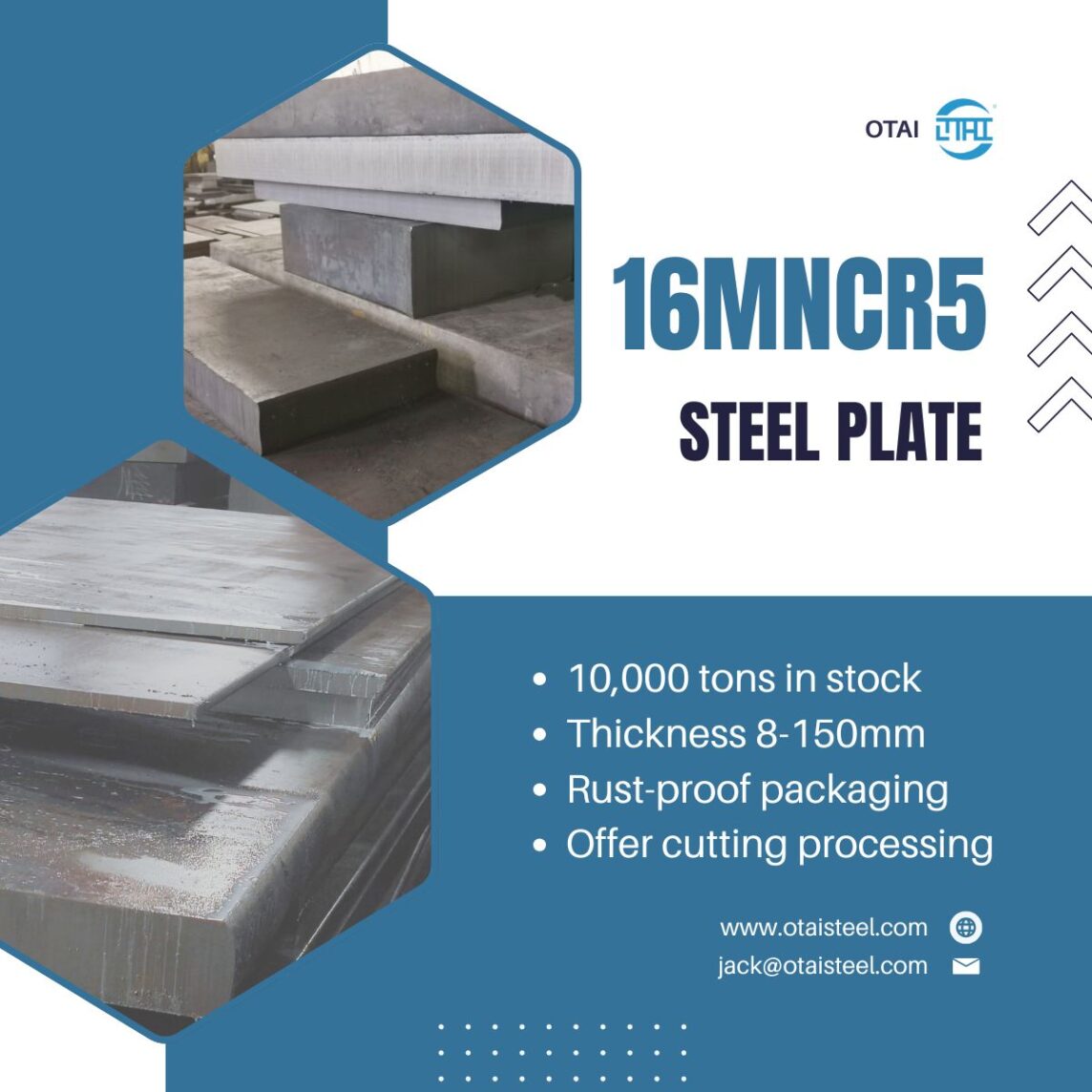
16MnCr5 vs 20MnCr5: Key Differences in Composition and Strength

16MnCr5 vs 20MnCr5: Key Differences in Composition and Strength16MnCr5 vs 20MnCr5: Key Differences in Composition and Strength

In the field of engineering materials, carburizing steels play a critical role in manufacturing high-performance mechanical components. Two widely used case-hardening steels are 16MnCr5 and 20MnCr5. Engineers and procurement specialists often compare these grades to determine which material better suits their design requirements. Understanding 16mncr5 vs 20mncr5 helps manufacturers select the right steel for gears, shafts, and other load-bearing components.

Both steels belong to the chromium-manganese carburizing steel family and share many similarities in composition and applications. However, differences in carbon content and mechanical performance create distinct advantages depending on the intended use. In this article, we explore the difference between 16MnCr5 and 20MnCr5 steel, examine their chemical composition, compare their mechanical properties, and discuss typical industrial applications.


🔍 Overview of 16MnCr5 and 20MnCr5 Steel

16MnCr5 and 20MnCr5 are low-alloy carburizing steels designed for surface hardening processes such as carburizing and quenching. These steels provide a hardened surface layer combined with a tough core, making them ideal for parts subjected to heavy loads and wear.

The primary difference lies in carbon content. 20MnCr5 contains slightly higher carbon levels than 16MnCr5, which influences its strength and hardness after heat treatment.

Both steels comply with European standard EN 10084 and are commonly used in automotive and mechanical engineering industries.


⚙️ Chemical Composition Comparison

The 16MnCr5 vs 20MnCr5 chemical composition comparison reveals how slight variations in carbon content influence mechanical behavior.

Element 16MnCr5 (%) 20MnCr5 (%)
Carbon (C) 0.14 – 0.19 0.17 – 0.22
Manganese (Mn) 1.00 – 1.30 1.10 – 1.40
Chromium (Cr) 0.80 – 1.10 1.00 – 1.30
Silicon (Si) ≤0.40 ≤0.40
Phosphorus (P) ≤0.025 ≤0.025
Sulfur (S) ≤0.035 ≤0.035

Because 20MnCr5 contains more carbon and chromium, it typically achieves slightly higher hardness and strength after carburizing treatment.

This difference forms the basis of the 16MnCr5 vs 20MnCr5 carburizing steel comparison.


📊 Mechanical Properties Comparison

Mechanical properties play a key role when engineers evaluate 16MnCr5 vs 20MnCr5 mechanical properties for industrial applications.

Property 16MnCr5 20MnCr5
Ultimate Tensile Strength 800 – 1000 MPa 900 – 1100 MPa
Yield Strength 550 – 750 MPa 650 – 800 MPa
Core Hardness 160 – 220 HB 180 – 240 HB
Surface Hardness (carburized) 58 – 62 HRC 58 – 63 HRC

The slightly higher carbon content allows 20MnCr5 to achieve greater tensile strength and hardness. However, both steels maintain excellent toughness and fatigue resistance.

When performing a 16MnCr5 vs 20MnCr5 hardness comparison, the carburized surface hardness remains similar, but 20MnCr5 often provides a stronger core structure.


🔥 Heat Treatment Characteristics

Both steels respond well to carburizing heat treatment processes. The typical procedure includes carburizing, quenching, and tempering.

Heat Treatment Process Temperature Range Purpose
Carburizing 880 – 950°C Increase surface carbon
Quenching 820 – 860°C Achieve high hardness
Tempering 150 – 200°C Improve toughness

Because of its slightly higher carbon content, 20MnCr5 may develop higher core hardness after quenching. However, 16MnCr5 often offers better machinability before heat treatment.


📈 Strength and Performance Comparison

When engineers compare which is better 16MnCr5 or 20MnCr5, the answer depends on the specific performance requirements.

16MnCr5 advantages:

  • Better machinability before heat treatment
  • Slightly improved toughness
  • Lower risk of distortion during heat treatment

20MnCr5 advantages:

  • Higher tensile strength
  • Higher core hardness
  • Better load-bearing capability

Both steels provide excellent fatigue resistance and wear resistance when properly carburized.


🏭 Industrial Applications

Manufacturers use both steels extensively in power transmission systems and mechanical equipment.

Typical 16MnCr5 vs 20MnCr5 applications include:

  • Automotive transmission gears
  • Differential gears
  • Industrial gearbox components
  • Camshafts
  • Heavy machinery shafts
  • Bearing components

16MnCr5 often appears in medium-duty gears and components requiring good machinability. In contrast, 20MnCr5 is commonly used in high-load gear systems where higher strength is necessary.


⚖️ Selection Guidelines for Engineers

Choosing between these two steels depends on the balance between machinability, strength, and service conditions.

Selection Factor Recommended Steel
Easier machining 16MnCr5
Higher load capacity 20MnCr5
Reduced distortion risk 16MnCr5
Higher core hardness 20MnCr5

Understanding the difference between 16MnCr5 and 20MnCr5 steel allows engineers to make better material decisions for mechanical design.


🌟 Company Advantages

At Otai Special Steel, we supply high-quality alloy steels including 16MnCr5 and 20MnCr5 for global manufacturers.

Our advantages include:

  • Over 10,000 tons of alloy steel inventory available year-round
  • Thickness range from 6 mm to 300 mm
  • Precision custom cutting and processing services
  • Strict ultrasonic testing (UT) quality inspection
  • Complete chemical composition verification
  • Long-term cooperation with international companies such as Thyssenkrupp and Schlumberger

These capabilities ensure reliable steel materials for demanding engineering applications.


❓ FAQ

1. What is the main difference between 16MnCr5 and 20MnCr5?

The main difference lies in carbon content. 20MnCr5 contains slightly more carbon, which increases its tensile strength and core hardness after heat treatment.

2. Which steel is stronger, 16MnCr5 or 20MnCr5?

20MnCr5 generally offers higher strength and hardness due to its higher carbon content.

3. Are both steels suitable for carburizing?

Yes. Both 16MnCr5 and 20MnCr5 are carburizing steels designed for surface hardening processes used in gears and wear-resistant components.

4. When should engineers choose 16MnCr5 instead of 20MnCr5?

Engineers often choose 16MnCr5 when better machinability, improved toughness, or reduced heat-treatment distortion is required.

0 0 Continue Reading →

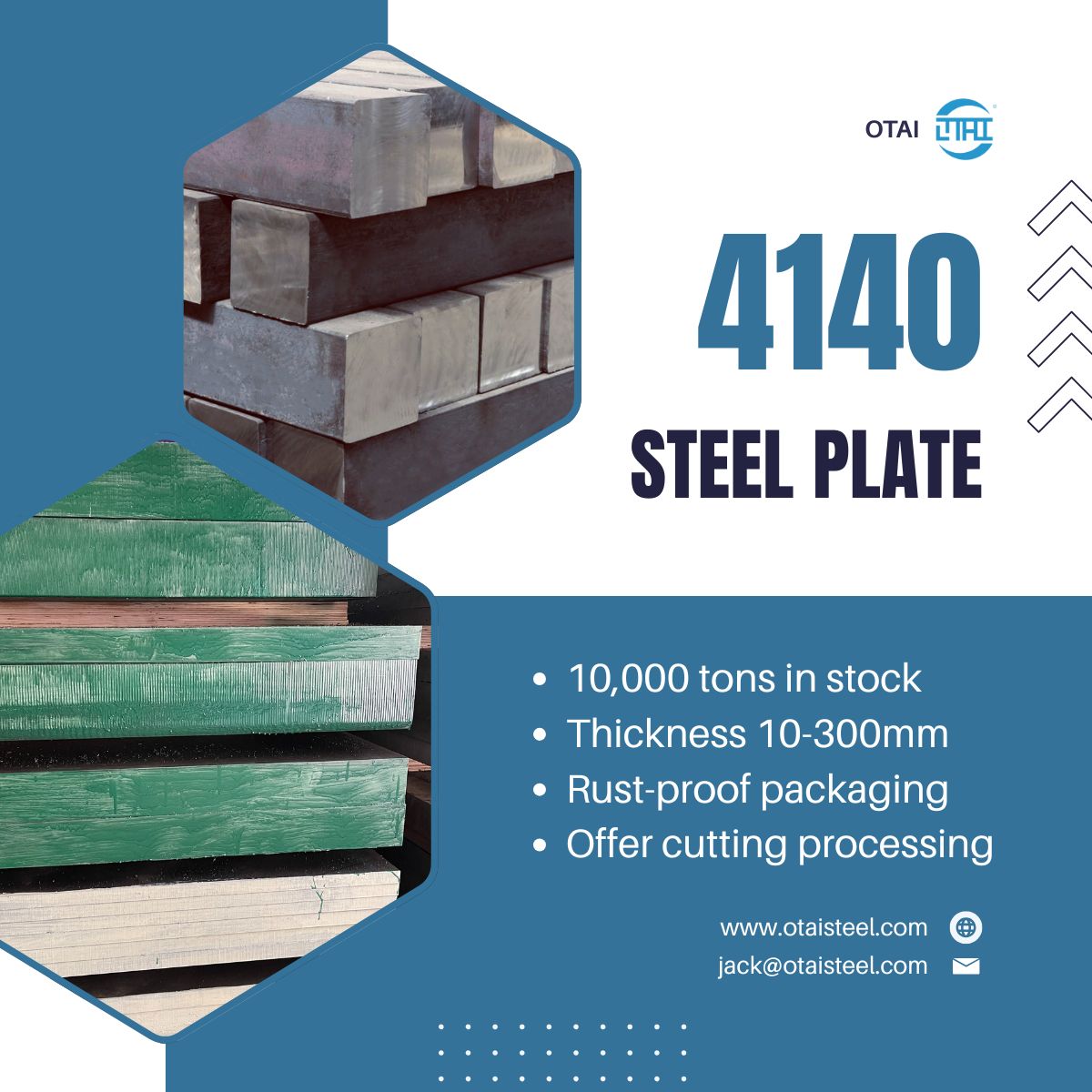
What Grade Is 4140 Steel?

What Grade Is 4140 Steel?What Grade Is 4140 Steel: Understanding Its Classification, Standards, and Engineering Value

Many engineers, machinists, and procurement specialists often ask a simple but important question: what grade is 4140 steel? The answer involves more than just a number. This widely used material belongs to a specific family of alloy steels with well-defined chemical composition, mechanical performance, and international standard equivalents.

Because 4140 steel offers an excellent balance of strength, toughness, fatigue resistance, and machinability, manufacturers rely on it for a wide variety of mechanical components. Industries such as oil and gas, automotive manufacturing, heavy equipment, and tool production frequently use this alloy steel for demanding applications.

This article explains the classification of 4140 steel, explores its international equivalents, analyzes its chemical composition and mechanical properties, and compares it with other steel grades commonly used in engineering.


🔍 Understanding the Grade Classification of 4140 Steel

To answer the question what grade is 4140 steel, we must look at the steel grading system established by the American Iron and Steel Institute (AISI) and the Society of Automotive Engineers (SAE).

The designation 4140 identifies the alloy category and the carbon content of the steel.

Number Meaning
41 Chromium-molybdenum alloy steel series
40 Approximately 0.40% carbon content

This means 4140 belongs to the chromium-molybdenum alloy steel family, a group of steels designed to provide improved strength, hardenability, and wear resistance compared with plain carbon steels.

When engineers ask what material grade is 4140 steel, the most accurate answer is that it is a chromium-molybdenum low alloy steel widely used in mechanical engineering applications.


🌍 International Standard Equivalents of 4140 Steel

Steel grades often vary across countries because different organizations develop their own standards. However, equivalent materials usually share similar chemical compositions and mechanical properties.

The table below shows common 4140 steel equivalent grades used around the world.

Standard Equivalent Grade
ASTM / AISI (USA) 4140
EN (Europe) 42CrMo4
DIN (Germany) 1.7225
JIS (Japan) SCM440
GB (China) 42CrMo
ISO 42CrMo4

These equivalents belong to the same chromium-molybdenum alloy steel category and follow very similar metallurgical principles.

Understanding the international standard for 4140 steel helps global buyers and manufacturers source materials across different markets without compromising quality.


⚙️ Chemical Composition of 4140 Steel

The strength and performance of alloy steel depend heavily on its chemical composition. Each alloying element plays a specific role in improving mechanical properties.

The following table summarizes the chemical composition of 4140 steel.

Element Percentage Range Function
Carbon (C) 0.38 – 0.43% Increases strength and hardness
Chromium (Cr) 0.80 – 1.10% Improves wear resistance
Molybdenum (Mo) 0.15 – 0.25% Enhances toughness and hardenability
Manganese (Mn) 0.75 – 1.00% Improves strength and hardenability
Silicon (Si) 0.15 – 0.35% Strengthens the steel matrix
Phosphorus (P) ≤0.035% Controlled impurity
Sulfur (S) ≤0.040% Improves machinability in small amounts

These alloying elements work together to provide excellent hardenability and mechanical strength.

When engineers ask is 4140 alloy steel or carbon steel, the answer becomes clear: it is an alloy steel, not a plain carbon steel, because it contains significant amounts of chromium and molybdenum.


📊 Mechanical Properties of 4140 Steel

Mechanical performance makes 4140 steel extremely popular for structural and mechanical parts. The material offers strong tensile strength while maintaining good toughness.

The following table outlines the typical mechanical properties of 4140 steel in the quenched and tempered condition.

Property Typical Value
Tensile Strength 850 – 1000 MPa
Yield Strength 655 – 850 MPa
Elongation 12 – 25%
Hardness 28 – 32 HRC (pre-hardened)
Impact Toughness High

These properties allow the steel to withstand heavy loads, repeated stress cycles, and impact forces.

Because of this performance profile, engineers frequently select 4140 steel for components that require both strength and durability.


🔧 Heat Treatment and Hardening Characteristics

One reason manufacturers prefer 4140 steel lies in its excellent heat treatment response. The chromium and molybdenum content improves hardenability, allowing the material to achieve higher hardness levels through quenching and tempering.

Common heat treatment conditions include:

Heat Treatment Temperature Range Purpose
Annealing 840 – 870°C Improve machinability
Normalizing 870 – 900°C Refine grain structure
Quenching 820 – 870°C Increase hardness
Tempering 400 – 650°C Improve toughness

The ability to control hardness and strength through heat treatment makes 4140 steel highly versatile for many engineering applications.


⚖️ Comparison with Other Steel Grades

To better understand 4140 steel grade comparison, it helps to examine how it differs from other common steels.

Steel Grade Type Key Difference
1045 Medium carbon steel Lower strength and hardenability
4130 Alloy steel Lower carbon content, slightly lower strength
4340 Nickel-chromium alloy steel Higher toughness and fatigue resistance
8620 Case-hardening alloy steel Designed for carburizing applications

Compared with these steels, 4140 offers a balanced combination of strength, toughness, and machinability. This balance makes it one of the most versatile engineering steels available.


🏭 Industrial Applications of 4140 Steel

Because of its mechanical strength and fatigue resistance, 4140 steel appears in many industrial sectors.

Common applications include:

  • Automotive crankshafts
  • Drive shafts and transmission components
  • Oil and gas drilling tools
  • Hydraulic shafts and piston rods
  • Industrial gears
  • Tool holders and machine parts

Manufacturers frequently supply 4140 steel in pre-hardened condition to reduce machining time while maintaining adequate strength.


🌟 Company Advantages

At Otai Special Steel, we specialize in supplying high-quality alloy steels to global manufacturers.

Our strengths include:

  • More than 10,000 tons of alloy steel inventory available year-round
  • Thickness range from 6 mm to 300 mm
  • Custom cutting and processing services
  • Strict quality inspection including ultrasonic testing (UT)
  • Complete chemical composition verification
  • Long-term cooperation with international companies such as Thyssenkrupp and Schlumberger

These capabilities allow us to deliver reliable 4140 steel materials for machining, forging, and heavy industrial applications.


❓ FAQ

1. What grade classification does 4140 steel belong to?

4140 belongs to the chromium-molybdenum alloy steel family under the AISI/SAE classification system. It is widely used in engineering and mechanical manufacturing.

2. Is 4140 steel considered an alloy steel?

Yes. Because it contains chromium and molybdenum as major alloying elements, 4140 is classified as a low alloy steel rather than a plain carbon steel.

3. What is the European equivalent of 4140 steel?

The closest European equivalent is 42CrMo4, which follows the EN standard and has a very similar chemical composition and mechanical performance.

4. Why is 4140 steel so widely used?

Manufacturers choose 4140 steel because it provides an excellent combination of strength, toughness, fatigue resistance, and machinability. It also responds well to heat treatment, allowing engineers to adjust hardness and strength for different applications.


Understanding what grade is 4140 steel helps engineers, machinists, and buyers select the correct material for demanding mechanical applications. With its strong mechanical properties, versatile heat treatment capability, and global standard equivalents, 4140 steel remains one of the most reliable alloy steels used in modern manufacturing.

0 0 Continue Reading →

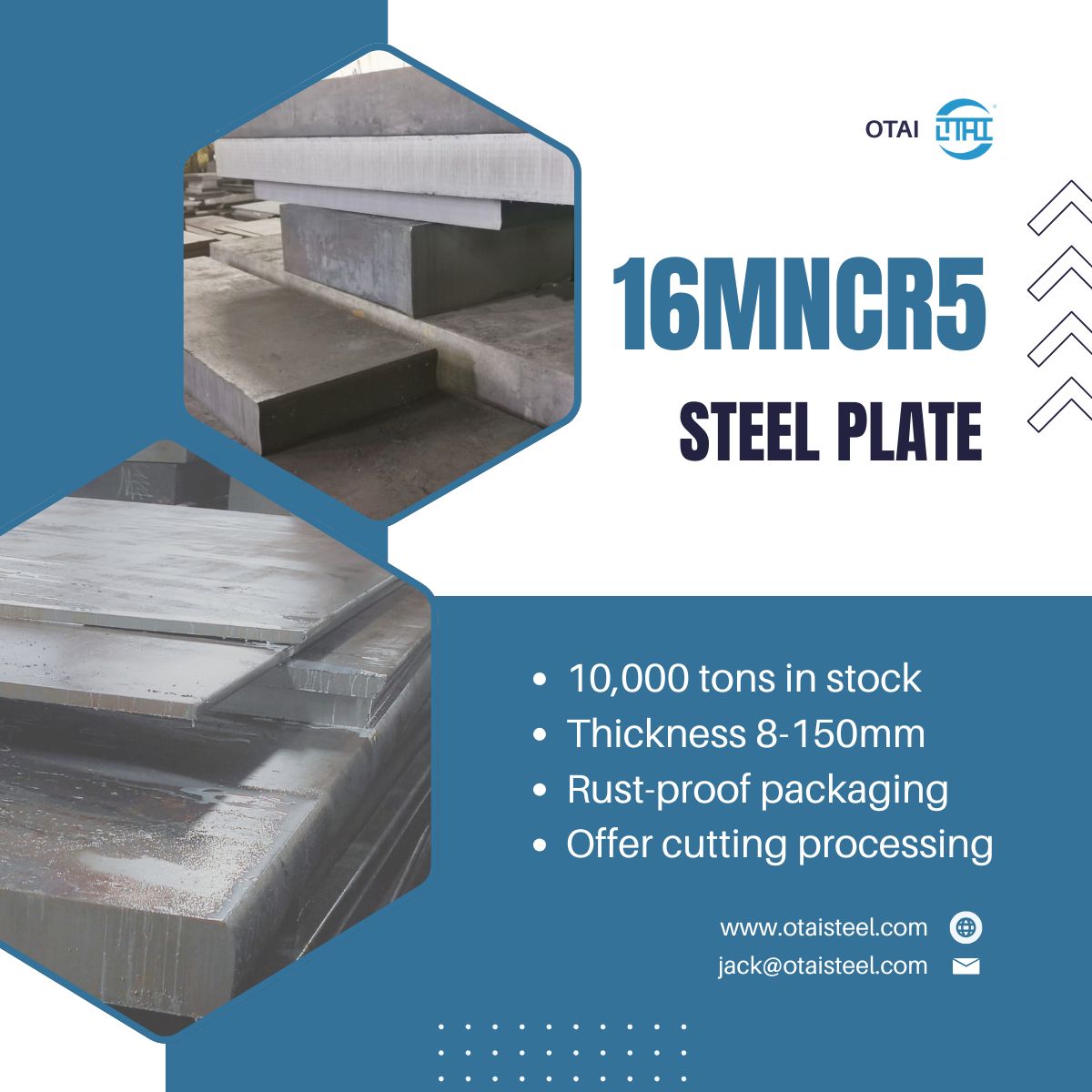
16MnCr5 Ultimate Tensile Strength: Mechanical Performance and Engineering Applications

16MnCr5 Ultimate Tensile Strength: Mechanical Performance and Engineering Applications16MnCr5 Ultimate Tensile Strength: Mechanical Performance and Engineering Applications

Engineers and materials specialists often evaluate steel grades based on their strength performance under load. Among various case-hardening steels used in mechanical engineering, 16MnCr5 stands out for its excellent combination of surface hardness, core toughness, and reliable structural strength. One of the most important parameters when selecting this material is the 16mncr5 ultimate tensile strength, which indicates the maximum stress the steel can withstand before failure.

This steel grade is widely used in gears, shafts, transmission components, and other parts that must resist heavy loads and wear. Understanding the ultimate tensile strength of 16MnCr5 steel helps engineers determine whether the material can safely support mechanical stresses during service.

In this article, we examine the tensile strength characteristics of 16MnCr5 steel, explore its mechanical properties, discuss the effects of heat treatment, and compare its strength with other engineering steels.


🔬 Understanding Ultimate Tensile Strength in Steel

Ultimate tensile strength (UTS) represents the maximum stress a material can endure before breaking when subjected to tensile loading. Engineers measure this property through standardized tensile testing procedures.

During testing, a sample specimen undergoes controlled stretching until fracture occurs. The highest stress value recorded during the test defines the ultimate tensile strength.

The formula for calculating tensile stress is:

Tensile Strength = Maximum Load ÷ Original Cross-Sectional Area

When analyzing the 16mncr5 ultimate tensile strength, engineers must consider factors such as heat treatment condition, microstructure, and manufacturing processes.


⚙️ Chemical Composition of 16MnCr5 Steel

The strength and hardenability of 16MnCr5 depend on its chemical composition. This case-hardening steel contains alloying elements that enhance both surface hardness and core strength.

The following table shows the typical composition.

Element Percentage
Carbon (C) 0.14 – 0.19%
Manganese (Mn) 1.00 – 1.30%
Chromium (Cr) 0.80 – 1.10%
Silicon (Si) ≤0.40%
Phosphorus (P) ≤0.025%
Sulfur (S) ≤0.035%

These alloying elements improve the 16MnCr5 material strength properties, making the steel suitable for components subjected to repeated stress and wear.

Chromium increases hardenability and wear resistance, while manganese contributes to strength and toughness.


📊 Mechanical Properties of 16MnCr5 Steel

The 16MnCr5 mechanical properties depend significantly on the heat treatment condition. In its normalized or carburized state, the steel offers balanced mechanical performance suitable for heavy-duty parts.

Typical mechanical properties appear in the following table.

Property Typical Value
Ultimate Tensile Strength 800 – 1000 MPa
Yield Strength 550 – 750 MPa
Elongation 10 – 16%
Hardness (core) 160 – 220 HB

These values represent general ranges before carburizing and quenching processes modify the surface hardness.

When engineers analyze 16MnCr5 yield strength and hardness, they usually focus on the balance between a hard wear-resistant surface and a tough, ductile core.


🔥 Influence of Heat Treatment on Tensile Strength

Heat treatment significantly influences the 16MnCr5 tensile strength after heat treatment. Because 16MnCr5 is a carburizing steel, manufacturers typically perform surface hardening through carburizing followed by quenching and tempering.

Typical heat treatment steps include:

Process Temperature Range Purpose
Carburizing 880 – 950°C Enrich surface carbon
Quenching 820 – 860°C Increase hardness
Tempering 150 – 200°C Reduce brittleness

After carburizing and quenching, the surface hardness may reach 58–62 HRC while the core maintains high toughness.

Under these conditions, the heat treated 16MnCr5 tensile strength typically falls within the range of 900–1100 MPa, depending on the final microstructure and tempering temperature.


📈 Tensile Strength Compared with Other Engineering Steels

To better understand the strength capability of this material, engineers often perform a 16MnCr5 steel strength comparison with other commonly used steels.

Steel Grade Ultimate Tensile Strength Main Application
16MnCr5 800 – 1000 MPa Carburized gears
20MnCr5 900 – 1100 MPa Heavy-duty gears
42CrMo4 900 – 1200 MPa High-strength shafts
C45 600 – 800 MPa Medium-duty machine parts

Although some alloy steels offer higher tensile strength, 16MnCr5 provides superior wear resistance due to its carburized surface layer.

This combination of surface hardness and internal toughness explains why manufacturers widely choose this steel for gear systems.


🏭 Typical Industrial Applications

Manufacturers frequently select 16MnCr5 for components that require both wear resistance and structural strength.

Common applications include:

  • Automotive transmission gears
  • Differential gears
  • Heavy machinery shafts
  • Industrial gearboxes
  • Camshafts
  • Bearing components

In many of these applications, the carburized surface resists wear while the tough core prevents brittle fracture under dynamic loading.


🌟 Company Advantages

At Otai Special Steel, we supply high-quality alloy steels including 16MnCr5 to global industrial manufacturers.

Our advantages include:

  • More than 10,000 tons of alloy steel inventory available year-round
  • Thickness range from 6 mm to 300 mm
  • Precision custom cutting and processing services
  • Strict ultrasonic testing (UT) quality inspection
  • Complete chemical composition verification
  • Long-term cooperation with international companies such as Thyssenkrupp and Schlumberger

These capabilities allow us to provide reliable materials for demanding mechanical and industrial applications.


❓ FAQ

1. What is the ultimate tensile strength of 16MnCr5 steel?

The ultimate tensile strength of 16MnCr5 steel typically ranges between 800 and 1000 MPa in normalized condition. After heat treatment, it may reach approximately 900–1100 MPa depending on the process.

2. How does heat treatment affect 16MnCr5 tensile strength?

Heat treatment significantly increases surface hardness and improves overall mechanical performance. Carburizing followed by quenching and tempering enhances wear resistance while maintaining a tough core.

3. Is 16MnCr5 stronger than carbon steels?

Yes. Compared with medium carbon steels such as C45, 16MnCr5 offers higher strength and much better wear resistance due to its alloying elements and carburizing capability.

4. Why is 16MnCr5 widely used for gears?

The steel develops a hard carburized surface layer and a strong, tough core. This structure allows gears to resist wear while maintaining high load-bearing capacity and fatigue resistance.

0 0 Continue Reading →

SFM for 4140 Steel: Practical Cutting Speed Strategies for Efficient Machining

SFM for 4140 Steel: Practical Cutting Speed Strategies for Efficient MachiningSFM for 4140 Steel: Practical Cutting Speed Strategies for Efficient Machining

Machinists often struggle to find the correct cutting speed when working with alloy steels. Among them, 4140 steel stands out as one of the most widely used materials in manufacturing because of its excellent strength, toughness, and wear resistance. However, choosing the correct sfm for 4140 steel plays a critical role in tool life, machining efficiency, and surface quality.

In practical machining operations such as turning, milling, and drilling, selecting the proper surface feet per minute (SFM) ensures stable cutting performance and prevents excessive tool wear. Many operators rely on general guidelines, but factors such as tool material, heat treatment condition, and machine rigidity can significantly influence the optimal cutting speed.

This article explains how to determine the right cutting speeds for 4140 alloy steel, explores machining parameters for different tool materials, and provides practical calculation methods and production recommendations.


⚙️ Understanding SFM in Machining

SFM (Surface Feet per Minute) refers to the speed at which the cutting tool moves across the material surface. It measures the linear speed between the cutting edge and the workpiece.

The formula used to convert SFM to spindle speed is:

RPM = (SFM × 12) ÷ (π × Tool Diameter)

This calculation allows machinists to convert recommended surface speeds into machine spindle speeds. When applying sfm calculation for 4140 steel machining, it is essential to know both the cutting tool diameter and the recommended SFM range for the specific machining process.

Because 4140 steel contains chromium and molybdenum, the alloy develops strong wear resistance and moderate hardness after heat treatment. These characteristics require carefully selected cutting speeds to avoid excessive heat generation.


🔩 Material Characteristics That Affect Machining Speed

Before selecting the sfm for 4140 steel, machinists must consider the material condition. The hardness of 4140 can vary widely depending on heat treatment.

Material Condition Typical Hardness Machining Difficulty
Annealed 18–22 HRC Easy
Pre-hardened 28–32 HRC Moderate
Quenched and tempered 32–38 HRC Difficult
Hardened 40+ HRC Very difficult

When hardness increases, machinists must reduce cutting speeds to prevent tool damage.

The alloy composition also influences machining behavior:

Element Percentage Effect on Machining
Carbon 0.38–0.43% Improves strength
Chromium 0.8–1.1% Enhances wear resistance
Molybdenum 0.15–0.25% Improves toughness
Manganese 0.75–1.0% Improves hardenability

These elements improve mechanical properties but also increase tool wear if machining parameters are not optimized.


📊 Recommended Cutting Speeds for 4140 Steel

Different cutting tools require different speed ranges. The following table summarizes common machining speeds.

🔧 Turning Operations

Tool Material Recommended SFM Range
High Speed Steel 60–90
Carbide Insert 250–400
Coated Carbide 350–500
Ceramic 700–1000

Operators commonly use optimal sfm for turning 4140 steel between 250 and 350 SFM when using carbide inserts under stable conditions.


🛠 Milling Operations

Milling usually requires slightly lower speeds due to intermittent cutting.

Tool Material Recommended SFM
HSS End Mills 50–80
Carbide End Mills 200–350
Coated Carbide 300–450

Many machining specialists recommend recommended sfm for 4140 steel milling around 250–300 SFM when using solid carbide tools.


🕳 Drilling Operations

Drilling speeds vary significantly depending on drill material.

Drill Type SFM Range
HSS Drill 40–70
Carbide Drill 150–250
Indexable Drill 200–300

Selecting proper coolant flow and chip evacuation becomes critical during drilling because alloy steels tend to generate high cutting temperatures.


🔬 Tool Material Impact on SFM Selection

Tool material strongly influences the appropriate cutting speed.

⚙️ High-Speed Steel Tools

HSS tools offer good toughness but lower heat resistance. Machinists therefore use slower speeds when applying sfm for 4140 steel with HSS tools.

Typical speed range:

  • Turning: 60–90 SFM
  • Milling: 50–80 SFM
  • Drilling: 40–70 SFM

Although slower, HSS tools remain useful for small workshops or low-speed machines.


🔩 Carbide Tools

Carbide inserts provide significantly higher hardness and heat resistance. These tools allow higher production efficiency and longer tool life.

Typical speeds for sfm for 4140 steel with carbide tools include:

  • Turning: 250–400 SFM
  • Milling: 200–350 SFM
  • Drilling: 150–250 SFM

Carbide tooling works especially well when machining pre-hardened 4140 materials used in molds, shafts, and heavy machinery components.


🧮 Practical RPM Calculation Example

Suppose a machinist performs a turning operation using a carbide insert with a recommended cutting speed of 300 SFM and a workpiece diameter of 2 inches.

RPM calculation:

RPM = (300 × 12) ÷ (3.1416 × 2)

RPM ≈ 573

Therefore, the machine spindle should run at approximately 570 RPM.

Understanding this calculation helps machinists determine the cutting speed sfm for 4140 steel machining in real production environments.


📈 Additional Cutting Parameters for Stable Machining

Although SFM determines cutting speed, other machining parameters also influence performance.

🔧 Feed Rate Recommendations

Operation Feed Rate
Rough Turning 0.010–0.020 in/rev
Finish Turning 0.003–0.008 in/rev
Milling 0.002–0.006 in/tooth
Drilling 0.004–0.012 in/rev

📏 Depth of Cut

Operation Typical Depth
Rough Turning 0.100–0.250 in
Finish Turning 0.010–0.040 in
Milling 0.020–0.100 in

Combining proper feed, depth of cut, and best cutting parameters for 4140 steel allows manufacturers to achieve better productivity while maintaining stable tool life.


🏭 Industrial Applications of Machined 4140 Steel

Many industries rely on precision-machined 4140 components because the alloy balances strength, fatigue resistance, and machinability.

Common applications include:

  • Heavy-duty shafts
  • Oil and gas drilling components
  • Automotive crankshafts
  • Gear components
  • Industrial tool holders
  • Hydraulic cylinder rods

Manufacturers frequently machine 4140 in its pre-hardened state, which provides good strength while still allowing efficient machining operations.


🌟 Company Advantages

At Otai Special Steel, we supply high-quality 4140 alloy steel plates and blocks to manufacturers worldwide. Our materials support machining operations that require stable quality and consistent mechanical performance.

Our advantages include:

  • Over 10,000 tons of alloy steel inventory available year-round
  • Thickness range from 6 mm to 300 mm
  • Precision cutting and customized processing services
  • Strict quality inspection including ultrasonic testing (UT)
  • Chemical composition verification for every batch
  • Cooperation with international companies such as Thyssenkrupp and Schlumberger

These capabilities ensure that customers receive reliable materials for machining applications where cutting performance and consistency matter.


❓ FAQ

1. What is the typical SFM for machining 4140 steel?

Most machining operations use cutting speeds between 250 and 400 SFM when using carbide tools. The exact value depends on hardness, tool coating, and machining type. Softer annealed 4140 allows higher cutting speeds, while quenched and tempered materials require more conservative settings.

2. Does heat treatment affect machining speed?

Yes. Heat treatment significantly influences machining parameters. Hardened 4140 steel requires lower cutting speeds because higher hardness increases cutting resistance and accelerates tool wear. Machinists usually reduce both speed and feed when working with materials above 35 HRC.

3. Is carbide tooling necessary for machining 4140 steel?

Not necessarily. High-speed steel tools can machine 4140 successfully at lower cutting speeds, especially in small workshops or manual machining environments. However, carbide tooling greatly improves productivity, allowing higher speeds and longer tool life in CNC machining operations.

4. How can machinists improve tool life when cutting 4140 steel?

Machinists can extend tool life by optimizing cutting speed, selecting proper feed rates, maintaining stable machine rigidity, and applying sufficient coolant. Using coated carbide inserts designed for alloy steels also helps reduce heat and improve tool durability.

0 0 Continue Reading →

How Hardness Affects the Properties of 16MnCr5 Steel

How Hardness Affects the Properties of 16MnCr5 SteelHow Hardness Affects the Properties of 16MnCr5 Steel

The 16MnCr5 steel is widely used in the automotive and manufacturing industries for components that require both strength and toughness. One of its standout features is its hardness, which makes it highly durable in demanding applications. Understanding the hardness of 16MnCr5 steel is crucial for selecting the right material for specific projects, ensuring optimal performance in parts like gears, shafts, and other mechanical components.

In this article, we’ll dive into the hardness of 16MnCr5 steel, how it’s measured, and the factors that influence its hardness.


🧪 What is 16MnCr5 Steel?

16MnCr5 is a low-alloy, medium-carbon steel. It contains manganese and chromium, which enhance its hardness, wear resistance, and strength, making it suitable for carburizing (a heat treatment process). This process increases the surface hardness of the material, allowing it to withstand greater stress while maintaining toughness in the core.

Here’s a breakdown of its composition:

Element Composition (%)
Carbon (C) 0.14 – 0.19%
Manganese (Mn) 0.60 – 0.90%
Chromium (Cr) 0.80 – 1.10%
Silicon (Si) 0.20 – 0.35%
Molybdenum (Mo) 0.15 – 0.25%

The inclusion of manganese and chromium is what makes 16MnCr5 steel particularly hard and suitable for high-stress applications. These elements increase the resistance to wear and fatigue, which is essential in many engineering applications.


🔍 How is the Hardness of 16MnCr5 Steel Measured?

Hardness is a measure of a material’s resistance to deformation, particularly indentation. The hardness of 16MnCr5 steel is typically measured using different scales, such as the Brinell, Rockwell, or Vickers hardness tests.

Here’s a comparison of the typical hardness values for 16MnCr5 steel under different testing methods:

Hardness Test Hardness Value (approx.)
Brinell (HB) 180 – 220 HB
Rockwell C (HRC) 28 – 35 HRC
Vickers (HV) 250 – 350 HV

These values vary depending on factors such as the heat treatment process and the final application of the steel. For example, carburized 16MnCr5 steel can have a surface hardness of up to 58-62 HRC, making it ideal for gears, shafts, and bearings.


🏗️ How Hardness Affects the Properties of 16MnCr5 Steel

Hardness is a key factor that impacts the performance and durability of materials in real-world applications. Here’s how the hardness of 16MnCr5 steel plays a role in its effectiveness:

✔️ Improved Wear Resistance

The higher the hardness, the better the steel resists abrasion and wear, making it a great choice for parts that experience friction or sliding contact. 16MnCr5 steel’s hard surface makes it ideal for gears, valves, and bearings, where wear resistance is crucial.

✔️ Enhanced Strength

A harder material can withstand higher stress and forces without failing. The high hardness of 16MnCr5 steel improves the fatigue strength, allowing components to perform well under fluctuating loads, such as in automotive axles or crankshafts.

✔️ Increased Durability

Hardness contributes to a material’s longevity and resistance to deformation. In parts like sprockets or piston rods, where high impact and abrasive conditions are common, the hardness of 16MnCr5 ensures longer service life.

However, there’s a balance to strike. If steel becomes too hard, it may become brittle and prone to cracking under shock or impact. This is why heat treatment and carburizing play such an important role in optimizing 16MnCr5 steel’s hardness for different applications.


🛠️ Applications of 16MnCr5 Steel Based on Hardness

Given its impressive hardness, 16MnCr5 is used in various industries for components that must endure high mechanical stress, fatigue, and wear. Here are some of the most common uses:

Application Hardness Requirement
Gears and Pinions High surface hardness (55 – 60 HRC) for wear resistance
Shafts and Crankshafts Moderate hardness for strength and fatigue resistance
Bearings High hardness for reduced wear and long-lasting operation
Automotive Components Toughness with wear resistance for parts like axles and valves
Heavy Machinery Parts Excellent resistance to fatigue and wear for high-stress components

The carburizing process, often applied to 16MnCr5 steel, increases surface hardness while maintaining toughness in the core, making it ideal for components that are subjected to high loads and abrasive environments.


📊 Hardness Comparison with Other Steels

Let’s compare the hardness of 16MnCr5 with other similar steels to understand its position in terms of wear resistance and strength:

Steel Grade Carbon Content Hardness (HRC) Application
16MnCr5 0.14 – 0.19% 28 – 35 HRC Automotive gears, shafts, bearings
AISI 8620 0.18% 25 – 30 HRC Automotive components, shafts, gears
AISI 5140 0.40% 35 – 45 HRC Crankshafts, axles, high-strength components
AISI 4340 0.38% 35 – 50 HRC Aerospace, heavy-duty components
AISI 4130 0.28% 25 – 35 HRC Aircraft components, structural parts

As shown, 16MnCr5 provides a balanced level of hardness suitable for high-performance applications without becoming excessively brittle, unlike some higher-carbon steels.


🏅 Why Choose Otai Special Steel for 16MnCr5 Steel?

When you need 16MnCr5 steel with the right hardness for your application, Otai Special Steel is here to meet your needs. Here’s why you should trust us:

Feature Details
Premium Quality We offer high-quality 16MnCr5 steel that meets global standards.
Custom Services We provide cutting, heat treatment, and machining services.
Reliable Delivery We ensure timely delivery worldwide to support your projects.
Competitive Pricing Get cost-effective solutions without compromising on quality.

With Otai Special Steel, you can be confident that your 16MnCr5 steel will have the optimal hardness for its intended use, ensuring reliability and durability in demanding conditions.


FAQ: Frequently Asked Questions

Q1: What hardness should I aim for when selecting 16MnCr5 steel?
A1: The desired hardness depends on the specific application. For gears and bearings, 58-62 HRC (after carburizing) is recommended, while for shafts and crankshafts, a hardness around 28-35 HRC is typical.

Q2: Can I improve the hardness of 16MnCr5 steel?
A2: Yes, carburizing is a common method to increase the surface hardness of 16MnCr5 steel, making it suitable for wear-resistant applications.

Q3: What makes 16MnCr5 steel a good choice for high-stress components?
A3: Its combination of medium carbon content, chromium, and manganese provides excellent wear resistance, toughness, and fatigue strength, making it ideal for components subjected to dynamic loads.

0 0 Continue Reading →

Factors Affecting the Elastic Modulus of 4140 Steel

Factors Affecting the Elastic Modulus of 4140 Steel4140 steel is a versatile alloy that combines carbon, chromium, molybdenum, and manganese to deliver a balance of strength, toughness, and wear resistance. It is commonly used in industries that require durable materials for high-stress components, such as automotive, aerospace, and heavy machinery. One of the key mechanical properties of 4140 steel that engineers and designers consider when selecting materials for specific applications is its elastic modulus.


🏗️ What is the Elastic Modulus?

The elastic modulus (also known as the modulus of elasticity) is a material property that describes its ability to deform elastically (i.e., temporarily) when subjected to an applied force. It is a measure of a material’s stiffness and its ability to return to its original shape after the force is removed. Essentially, the elastic modulus defines the relationship between stress (force per unit area) and strain (proportional deformation) in the elastic region of the material’s stress-strain curve.

A higher elastic modulus indicates that the material is stiffer, meaning it resists deformation under stress. Conversely, a lower elastic modulus means the material is more flexible and will deform more easily.

There are several types of elastic moduli, including:

  • Young’s Modulus (E), which measures the stiffness of a material in tension or compression.

  • Shear Modulus (G), which measures the material’s response to shear stress.

  • Bulk Modulus (K), which measures the material’s response to uniform compression.

For the purpose of this article, we will focus primarily on Young’s Modulus, which is the most commonly referenced elastic modulus in structural and mechanical design.


🔧 Elastic Modulus of 4140 Steel

The elastic modulus of 4140 steel refers to the material’s stiffness when subjected to tensile or compressive forces. For 4140 steel, the Young’s Modulus typically ranges between 190 GPa and 210 GPa (gigapascals), depending on the specific alloy composition and heat treatment. This range places 4140 steel in the category of relatively stiff materials, meaning it resists deformation under typical working loads.

The value of Young’s Modulus for 4140 steel is quite high compared to other materials like aluminum (which has an elastic modulus of about 69 GPa) but lower than that of titanium or other high-strength steels.

Factors Affecting the Elastic Modulus of 4140 Steel

While 4140 steel has a relatively consistent elastic modulus, several factors can influence its value, including:

  • Chemical Composition: The exact alloying elements in 4140 alloy, such as the amounts of carbon, chromium, and manganese, can slightly affect the elastic modulus. These alloying elements are chosen to improve the material’s strength and hardness, but they can also influence the stiffness.

  • Heat Treatment: The heat treatment applied to 4140 steel—such as tempering, quenching, or normalizing—can impact its internal structure and, consequently, its elastic modulus. Generally, heat treatment will not drastically alter the elastic modulus, but it can influence other mechanical properties that interact with the material’s stiffness.

  • Temperature: The elastic modulus of 4140 material can decrease as temperature increases. At high temperatures, the material becomes more flexible, which reduces its stiffness. Engineers must consider this change in stiffness when designing components for use in high-temperature environments.


🔨 Why is the Elastic Modulus Important for 4140 Steel?

Understanding the elastic modulus of 4140 steel is crucial for several reasons, especially in mechanical and structural design. The elastic modulus affects the material’s performance in applications that involve stress, strain, and deflection. Below are some reasons why the elastic modulus is essential when working with 4140 steel:

1. Designing for Strength and Stability

  • The elastic modulus helps engineers determine how much 4140 steel will deform under a given load. For example, when designing shafts, axles, or gears, knowing the elastic modulus ensures that the material will not deform excessively under the operational loads, thus maintaining the integrity and performance of the component.

2. Calculating Deflection in Components

  • When 4140 steel is used in structural applications or load-bearing components, the elastic modulus is used to calculate the amount of deflection the material will undergo under a given force. For example, in the design of beams or columns, the elastic modulus allows engineers to ensure that the material will not deform excessively, which could lead to failure or malfunction.

3. Predicting Material Behavior Under Stress

  • The elastic modulus is also vital when predicting how 4140 steel will behave under varying loading conditions. For components that will experience repeated loading, understanding the elastic modulus helps engineers assess the risk of fatigue failure, where material deformation leads to cracks and eventual breakage.


📊 How Does the Elastic Modulus of 4140 Steel Compare to Other Materials?

To better understand how 4140 steel compares in terms of stiffness, here’s a comparison of its elastic modulus with that of other common materials:

Material Young’s Modulus (GPa) Applications
4140 Steel 190–210 Automotive parts, gears, shafts, machinery
AISI 1045 Steel 190–210 General engineering, shafts
Titanium 100–120 Aerospace, medical implants
Aluminum 69 Lightweight structures, aircraft
Copper 110 Electrical wiring, piping
Cast Iron 120–170 Engine blocks, pipes, heavy machinery

As shown in the table, 4140 steel has a relatively high elastic modulus compared to materials like aluminum and copper, which are much more flexible. This stiffness makes 4140 steel a strong candidate for applications requiring strength and resistance to deformation.


🏗️ Applications of 4140 Steel Where Elastic Modulus Matters

The elastic modulus of 4140 steel plays a critical role in the following applications:

1. Automotive Components

  • 4140 steel is often used in automotive components like gears, axles, and suspension parts. The material’s high elastic modulus ensures that it will not deform excessively under high-stress conditions, making it ideal for parts that undergo constant loads and impacts.

2. Industrial Machinery

  • 16MnCr5 steel is commonly used in industrial machinery, including components like shafts, bearings, and gears. The elastic modulus helps ensure that these parts can withstand heavy mechanical stress without excessive deflection.

3. Aerospace and Military

  • 4140 steel is also used in aerospace and military applications. The elastic modulus helps engineers design parts that must withstand high-speed forces and vibrations without failing or losing structural integrity.

4. Heavy Equipment

  • Components in heavy equipment, such as those used in construction and mining, require 4140 steel because of its ability to maintain its shape and strength under constant stress, especially in parts like gears, sprockets, and crankshafts.


🏆 Why Choose Otai Special Steel for Your 4140 Steel Needs?

At Otai Special Steel, we specialize in providing high-quality 4140 steel with consistent mechanical properties. Our inventory of 4140 steel is available in various forms, including plates, bars, round bars, and custom profiles, and we offer tailored services such as cutting, heat treatment, and packaging to meet your specific needs.

Advantages of Working with Otai Special Steel:

  • Premium Materials: We provide top-grade 4140 steel that meets international standards for strength, toughness, and elastic modulus.

  • Customization: We offer custom cutting, heat treatment, and machining to suit your exact specifications.

  • Competitive Pricing: We provide high-performance steel at competitive prices.

  • Fast Delivery: With a large inventory and efficient logistics, we ensure fast delivery to meet your project deadlines.


Frequently Asked Questions (FAQ)

Q1: What is the elastic modulus of 4140 steel?

  • A1: The elastic modulus of 4140 steel typically ranges from 190 GPa to 210 GPa, making it a relatively stiff material suitable for high-stress applications.

Q2: Why is the elastic modulus important for designing with 4140 steel?

  • A2: The elastic modulus helps engineers determine how much 4140 steel will deform under stress, ensuring that the material maintains its shape and function without excessive deflection.

Q3: How does the elastic modulus of 4140 steel compare to other materials?

  • A3: 4140 steel has a higher elastic modulus than materials like aluminum and copper, making it ideal for applications requiring high stiffness and resistance to deformation.

0 0 Continue Reading →

Importance of Brinell Hardness in 16MnCr5 Steel

Importance of Brinell Hardness in 16MnCr5 SteelImportance of Brinell Hardness in 16MnCr5 Steel

16MnCr5 steel is widely used in industries that require high strength, toughness, and wear resistance. One of its key properties is its Brinell hardness, which affects its performance in demanding applications. This article explores the Brinell hardness of 16MnCr5, its significance, and its applications.


🔍 What is 16MnCr5 Steel?

16MnCr5 is a low-alloy, medium-carbon steel that contains manganese (Mn) and chromium (Cr) as its main alloying elements. This composition makes it ideal for gears, shafts, and axles that require a balance of strength and wear resistance. The steel can undergo heat treatment to enhance its mechanical properties.

Chemical Composition of 16MnCr5 Steel:

Element Percentage (%)
Carbon (C) 0.14–0.20
Manganese (Mn) 1.00–1.30
Chromium (Cr) 0.80–1.10
Silicon (Si) 0.30–0.50
Phosphorus (P) 0.035 max
Sulfur (S) 0.035 max

This composition gives 16MnCr5 a unique combination of properties, such as high strength, good toughness, and wear resistance, which makes it ideal for use in components that undergo significant stress and wear.


🧪 Brinell Hardness of 16MnCr5 Steel

The Brinell hardness test measures a material’s resistance to indentation. A steel ball is pressed into the material under a specific load, and the diameter of the resulting indentation determines the hardness. For 16MnCr5, the Brinell hardness typically ranges from 170 to 230 HB, depending on the heat treatment applied.

Brinell Hardness Ranges for 16MnCr5 Steel:

Condition Brinell Hardness (HB)
Normal Condition 170–210
Carburized and Quenched 230 or higher

This hardness level indicates that 16MnCr5 has sufficient resistance to wear, while maintaining good toughness for high-stress applications.


🔨 Importance of Brinell Hardness in 16MnCr5 Steel

Brinell hardness is crucial because it directly impacts how 16MnCr5 steel performs in demanding environments. A higher hardness means better wear resistance, which is vital for components subjected to abrasion and friction. Let’s examine the importance of Brinell hardness in different aspects:

Property Impact of Brinell Hardness
Wear Resistance Higher hardness = better resistance to abrasion. Ideal for gears, shafts, and bearings.
Impact Toughness Maintains toughness while increasing hardness, making it ideal for high-stress applications.
Surface Durability Heat treatment increases surface hardness, enhancing durability while maintaining core strength.

🧰 Applications of 16MnCr5 Steel Based on Brinell Hardness

Given its Brinell hardness, 16MnCr5 is highly versatile and is commonly used in industries that require materials with high wear resistance, strength, and toughness. Below are some of the primary applications of 16MnCr5 steel:

Industry Application
Automotive Gears, axles, shafts, and crankshafts require wear resistance and high strength.
Aerospace Turbine shafts, landing gears, and other parts require high impact resistance and fatigue strength.
Industrial Machinery Used for gears, crankshafts, and camshafts in high-stress machinery.
Marine Propeller shafts and marine gears need high durability and resistance to wear in harsh environments.
Heavy Equipment Components like bearings, gears, and shafts in construction machinery require durability under heavy loads.

⚙️ Why 16MnCr5 Steel is a Top Choice

The Brinell hardness of 16MnCr5 makes it a top choice for applications where components face significant wear and stress. Its resistance to wear combined with impact toughness makes it ideal for high-stress environments, such as in automotive, aerospace, and industrial machinery applications. When heat treated, it achieves superior surface hardness while maintaining core toughness, ensuring long-lasting performance.

The steel’s versatility across industries comes from its ability to withstand both abrasion and impact. Moreover, its strength ensures that it can endure heavy loads without deformation. Whether you need it for gears, shafts, or bearing components, 16MnCr5 offers an ideal combination of mechanical properties for demanding applications.


🏆 Why Choose Otai Special Steel for 16MnCr5 Steel?

At Otai Special Steel, we provide high-quality 16MnCr5 steel for various applications. Our products undergo strict quality control and Brinell hardness testing to ensure top performance. Whether you need gears, shafts, or industrial parts, we can provide the right material for your needs.


Frequently Asked Questions (FAQ)

Q1: What is the Brinell hardness range for 16MnCr5 steel?
A1: The typical Brinell hardness for 16MnCr5 steel ranges from 170 to 230 HB depending on its heat treatment.

Q2: How does heat treatment affect the hardness of 16MnCr5?
A2: Heat treatment, like carburizing and quenching, increases the Brinell hardness of 16MnCr5, making it more wear-resistant.

Q3: What are the common applications of 16MnCr5 steel?
A3: 16MnCr5 steel is used in the automotive, aerospace, industrial machinery, and marine industries for parts like gears, shafts, and crankshafts.

0 0 Continue Reading →

How Ductility Affects the Performance of 4140 Steel

How Ductility Affects the Performance of 4140 SteelHow Ductility Affects the Performance of 4140 Steel

4140 steel is a widely used alloy steel known for its excellent combination of strength, toughness, and wear resistance. These properties make 4140 steel an ideal choice for a wide range of applications, from automotive components to industrial machinery. One of the key mechanical properties of 4140 steel is its ductility, which plays a crucial role in determining the material’s ability to absorb energy, deform under stress, and resist cracking or breaking. In this article, we will dive into the ductility of 4140 steel, its significance in various applications, and how heat treatment can affect this property.


🏗️ What is Ductility in Steel?

Ductility refers to a material’s ability to undergo significant plastic deformation before fracturing. It is a measure of how easily a material can be stretched or deformed without breaking. For steel, ductility is an important property in applications where components need to absorb energy or endure fluctuating stresses without failing. A ductile material will bend or stretch instead of breaking under stress, making it more reliable for dynamic and high-impact applications.

In simple terms, ductility measures how “stretchable” or “bendable” a material is before it fractures. Materials with high ductility can undergo significant deformation without failing, which is particularly important in industries like automotive, machinery, and aerospace.


🔧 Ductility of 4140 Steel

4140 steel is a medium-carbon, low-alloy steel that contains chromium and molybdenum to enhance its hardness, toughness, and wear resistance. The material’s ductility is a result of its specific chemical composition and processing. While 4140 steel is known for its high tensile strength and hardness, it also exhibits good ductility, especially when heat-treated properly.

1. Tensile Strength and Ductility Balance

  • 4140 steel offers a balance between strength and ductility, which makes it suitable for applications that require both high performance and the ability to absorb shocks or stresses. Typically, 4140 steel has ductility levels that allow it to be deformed slightly under high tensile loads without breaking, giving it the ability to withstand high-impact and fatigue conditions.

2. Ductility in Heat-Treated 4140 Steel

  • The ductility of 4140 steel can be influenced by its heat treatment process. When 4140 steel is heated to a high temperature and then rapidly cooled (quenched), it increases its tensile strength and hardness, but this can reduce its ductility, making it more brittle. However, by tempering the steel after quenching, it is possible to restore some of the lost ductility while maintaining the material’s strength and hardness. Tempering reduces the brittleness and enhances the steel’s ability to absorb impact energy.

3. Effect of Carbon Content on Ductility

  • 4140 steel has a carbon content of approximately 0.38% to 0.43%, which provides a good balance between strength and ductility. Steels with higher carbon content tend to have greater hardness and tensile strength but lower ductility. 4140 steel’s moderate carbon content ensures that it maintains a reasonable level of formability and bendability, making it suitable for applications that involve moderate to high stress.


🔨 How Ductility Affects the Performance of 4140 Steel

The ductility of 4140 steel is an important factor in its overall performance, especially in applications where the material needs to resist impact, deformation, and failure. The following are some of the key reasons why ductility matters in 4140 steel:

1. Shock and Impact Resistance

  • Ductility plays a critical role in how well 4140 steel absorbs shock and impact. In industries like automotive and machinery, parts such as gears, shafts, and suspension components experience repeated impacts and shocks. 4140 steel’s ductility helps these parts deform slightly under impact, preventing cracks or fractures, which could otherwise lead to part failure.

2. Fatigue Resistance

  • Components made from 4140 steel, like crankshafts, bearings, and axles, often experience cyclical loading over time. Ductility allows the material to withstand repeated loads without cracking, making 4140 steel an excellent choice for parts exposed to fatigue stresses in automotive and aerospace applications.

3. Deformation Under Load

  • Ductility is especially important for 4140 steel in heavy machinery and industrial equipment that operates under high stress. Parts like gears, sprockets, and shafts must absorb and redistribute stress during operation. 4140 steel’s ductility ensures these components can endure the stresses without breaking or failing, ensuring a longer service life.


📊 How Heat Treatment Affects the Ductility of 4140 Steel

The heat treatment process can significantly alter the ductility of 4140 steel, either enhancing or reducing it, depending on the specific treatment applied. The following heat treatment processes are commonly used to optimize the ductility of 4140 steel:

1. Quenching and Tempering

  • Quenching involves heating 4140 steel to a high temperature and then rapidly cooling it in water or oil. This process increases tensile strength and hardness but may make the steel brittle. Tempering after quenching restores ductility by reheating the steel to a lower temperature, which reduces brittleness while maintaining strength.

2. Normalizing

  • Normalizing involves heating 4140 steel to a temperature above its critical range and allowing it to cool in air. This process refines the grain structure of the steel and improves its toughness and ductility, making it more suitable for applications that require high resistance to impact and stress.

3. Carburizing

  • Carburizing increases the hardness of the surface layer of 4140 steel while keeping the core soft and ductile. This process is often used for parts like gears and shafts, where the surface needs to be hard for wear resistance, but the core needs to remain ductile for shock absorption.


🏗️ Applications of 4140 Steel Where Ductility is Crucial

The ductility of 4140 steel is one of the reasons why it is widely used in automotive, aerospace, and industrial machinery. Some of the common applications where ductility plays a key role include:

1. Automotive Components

  • 4140 steel is used to manufacture crankshafts, axles, gears, and suspension components. The ductility of these parts allows them to absorb shock and fatigue without cracking, making them ideal for high-stress applications in vehicles.

2. Heavy Machinery

  • Parts in heavy machinery, such as bearings, shafts, and gears, often face high mechanical stress. 4140 steel’s ductility helps these components withstand shock, impact, and vibration without breaking, ensuring long-term durability.

3. Aerospace Applications

  • 4140 steel is used in aerospace components such as landing gear, actuators, and drive shafts, where it needs to withstand high dynamic forces and extreme temperatures while maintaining its ductility to prevent failure.

4. Tooling and Dies

  • 4140 steel is a popular choice for tooling and dies due to its hardness and ductility. It ensures that the dies can perform under high stresses while resisting cracking, making them ideal for high-precision applications.


📊 Comparison of 4140 Steel Ductility with Other Steels

Below is a comparison of the ductility of 4140 steel with other common steels:

Material Tensile Strength (MPa) Yield Strength (MPa) Ductility (elongation) Applications
4140 Steel 655–1,000 415–650 Moderate to High Automotive parts, industrial machinery, tooling
1045 Steel 600–800 415–500 Moderate General engineering, shafts
4340 Steel 1,000–1,200 850–1,050 Moderate Aerospace, heavy machinery
8620 Steel 600–850 400–550 Moderate Gears, automotive components
AISI 52100 1,000–1,200 600–800 Low to Moderate Bearings, high-performance components

🏆 Why Choose Otai Special Steel for Your 4140 Steel Needs?

At Otai Special Steel, we offer high-quality 4140 steel that maintains its ductility, toughness, and strength. We provide precision cutting, heat treatment, and packaging services to meet your specific requirements. Whether you need gears, shafts, or machinery parts, we can help you get the right material for your project.

Advantages of Working with Otai Special Steel:

  • Premium Materials: We offer top-grade 4140 steel that meets international standards for strength and ductility.

  • Customization: Our services include custom cutting, heat treatment, and machining to suit your exact specifications.

  • Competitive Pricing: We provide high-performance steel at competitive prices, offering excellent value.

  • Fast Delivery: With a vast inventory, we ensure fast, reliable delivery to meet your deadlines.


Frequently Asked Questions (FAQ)

Q1: How does heat treatment affect the ductility of 4140 steel?

  • A1: Heat treatments like quenching and tempering can alter the ductility of 4140 steel. Tempering restores ductility by reducing brittleness, making it more suitable for dynamic applications.

Q2: What is the best heat treatment for maintaining ductility in 4140 steel?

  • A2: Tempering after quenching is the best heat treatment to maintain a balance between strength and ductility in 4140 steel.

Q3: Is 4140 steel suitable for high-impact applications?

  • A3: Yes, the ductility of 4140 steel makes it ideal for high-impact applications such as automotive parts, gears, and machinery components.

0 0 Continue Reading →

Factors to Consider When Choosing a 16MnCr5 Supplier

Factors to Consider When Choosing a 16MnCr5 Steel SupplierFactors to Consider When Choosing a 16MnCr5 Steel Supplier

When looking for 16MnCr5 steel, selecting the right supplier is crucial for ensuring top-quality materials for your manufacturing needs. 16MnCr5 steel is a popular medium-carbon alloy steel known for its excellent toughness, strength, and wear resistance, which makes it ideal for use in gears, shafts, and other mechanical components. In this article, we’ll explore the key factors to consider when choosing a 16MnCr5 supplier and how to ensure you receive the best material for your applications.


🔍 What is 16MnCr5 Steel?

16MnCr5 steel is a medium-carbon alloy steel with manganese and chromium as its primary alloying elements. These additions give the steel excellent mechanical properties, including wear resistance, strength, and toughness. It is commonly used in applications that require high load-bearing capacity and resistance to wear, such as in the automotive industry, machinery production, and tooling.

  • Manganese (Mn) enhances the hardness and toughness of the steel.

  • Chromium (Cr) provides corrosion resistance and wear resistance, ensuring the steel can perform well in demanding environments.


🛠️ Applications of 16MnCr5 Steel

Due to its excellent mechanical properties, 16MnCr5 steel is widely used in industries that require materials with high strength and wear resistance. Some of the most common applications include:

Industry Common Applications
Automotive Gears, shafts, camshafts, crankshafts
Machinery Axles, bearings, machine components
Tooling and Dies Press dies, punches, molds

Whether you’re producing gears for vehicles or axles for heavy machinery, 16MnCr5 steel ensures durability and longevity in your products.


📊 Factors to Consider When Choosing a 16MnCr5 Supplier

Choosing the right supplier for 16MnCr5 steel is critical to ensure you’re getting high-quality materials that meet your needs. Here are the key factors to consider when making your decision:

1. Quality and Certification

Ensure that the supplier offers high-quality 16MnCr5 steel with proper certifications. Quality certifications like ISO 9001 or SGS are indicators that the supplier follows strict quality control processes. They should also provide detailed material test reports to verify the chemical composition, mechanical properties, and other critical specifications of the steel.

2. Material Specifications

Before purchasing, confirm that the supplier offers 16MnCr5 steel with the correct chemical composition and mechanical properties. The steel should meet the required hardness, strength, and wear resistance standards for your application. A reputable supplier will provide you with clear specifications and test reports for the material.

3. Customization and Processing

A good 16MnCr5 supplier will offer customization options like cutting, heat treatment, and machining services. If your project requires specific dimensions or special treatments, you need a supplier who can tailor the material to your needs. Services like cutting to size, heat treatment, or precision machining can save you time and cost in your production process.

4. Inventory and Availability

Check if the supplier maintains a large inventory of 16MnCr5 steel. Availability is important to ensure timely delivery and minimize delays in your production. A supplier with a robust inventory system and reliable supply chain will ensure that the material is readily available when you need it.

5. Competitive Pricing

Cost is always a factor when selecting a supplier, but quality should never be compromised for a lower price. 16MnCr5 steel can be priced differently based on factors like supply chain, quality, and services offered. A good supplier will offer competitive pricing while maintaining high standards of quality and service.


🏗️ Why Choose Otai Special Steel as Your 16MnCr5 Supplier?

At Otai Special Steel, we specialize in providing top-quality 16MnCr5 steel with a range of services to meet your specific needs. With years of experience in the industry, we have established ourselves as a trusted supplier of 16MnCr5 steel to clients across various sectors.

Company Advantages:

  • Premium Quality: We ensure that our 16MnCr5 steel meets the highest quality standards, verified through rigorous testing and certifications.

  • Custom Services: We offer custom cutting, heat treatment, and machining services to tailor the material to your specifications.

  • Fast Delivery: With our extensive inventory and reliable supply chain, we guarantee fast delivery to meet your production deadlines.

  • Competitive Pricing: We offer competitive prices without compromising on the quality of the steel, ensuring great value for our customers.


FAQ

Q1: What is the hardness of 16MnCr5 steel?

  • A1: 16MnCr5 steel typically achieves a Brinell hardness between 200–250 HB after normalizing and can reach up to 300 HB after quenching and tempering.

Q2: What are the main uses of 16MnCr5 steel?

  • A2: 16MnCr5 steel is commonly used in the automotive and machinery industries, specifically in gears, shafts, and bearings due to its excellent strength and wear resistance.

Q3: Can the hardness of 16MnCr5 steel be improved?

  • A3: Yes, 16MnCr5 steel can be hardened through processes like quenching and tempering to achieve higher hardness and improved wear resistance.

Q4: Does Otai Special Steel offer custom processing for 16MnCr5?

  • A4: Yes, we provide custom cutting, heat treatment, and machining services to meet your exact specifications for 16MnCr5 steel.

0 0 Continue Reading →


Recent Comments by Jack Otai