Skip to Content

About: Jack Otai

Recent Posts by Jack Otai

1.2316 steel plate-Finding Reliable 1.2316 Steel Plate Suppliers

1.2316 steel plate-Finding Reliable 1.2316 Steel Plate Suppliers1.2316 steel plate-Finding Reliable 1.2316 Steel Plate Suppliers

So, you’re on the hunt for 1.2316 steel plates, and the world of steel might seem like a labyrinth. Fret not! In this comprehensive guide, we’ll be your compass, exploring the standard, chemical composition, applications, sizes, prices, and sourcing the best suppliers for 1.2316 steel plates.

Deciphering the Standard for 1.2316 Steel Plates

Let’s kick things off by shedding light on the standard that governs 1.2316 steel plates. Understanding this benchmark is like having the key to a treasure chest—it ensures consistency and reliability in the world of steel.

The Elemental Symphony: Composition of 1.2316 Steel Plates

Now, let’s unravel the mystery of what makes up 1.2316 steel plates. Picture it as a symphony of elements—chromium, carbon, and more—harmonizing to create a steel alloy celebrated for its corrosion resistance and impressive hardness.

Applications Beyond Boundaries: Where 1.2316 Steel Plates Shine

Curious about where you can deploy 1.2316 steel plates? The answer: almost anywhere. From precision tools to molds and medical components, these plates are versatile, adapting seamlessly to various industries with their durability and corrosion resistance.

Sizing Up: Tailoring 1.2316 Steel Plates to Perfection

Imagine a steel plate that’s tailor-made for your project. That’s the promise of 1.2316 steel plates. Whether you need finesse or robustness, these plates can be customized to meet your size requirements, ensuring a perfect fit for your application.

Cracking the Price Code: Understanding 1.2316 Steel Plate Pricing

Numbers can be daunting, but understanding the pricing dynamics of 1.2316 steel plates is essential. We’ll guide you through the factors influencing costs—size, quantity, and market conditions—empowering you to make informed decisions.

Sourcing Success: Finding Reliable 1.2316 Steel Plate Suppliers

Now, onto the million-dollar question: where do you find top-notch 1.2316 steel plate suppliers? We’ll provide tips on navigating the market, considering certifications, track records, and customer reviews to ensure you get the best quality.

Beyond Today: Future Trends of 1.2316 Steel Plates

The journey doesn’t end here. As industries evolve, so does the demand for innovative materials. Discover potential future trends where 1.2316 steel plates could play a pivotal role in shaping tomorrow’s projects.

Conclusion: Your Gateway to Excellence with 1.2316 Steel Plates

In conclusion, 1.2316 steel plates aren’t just steel—they’re a solution waiting to be explored. From their unique composition to diverse applications and customizable sizes, these plates have the potential to elevate your projects to new heights.

FAQs: Your Queries, Answered

  1. Why are 1.2316 steel plates known for corrosion resistance?
    • The high chromium content forms a protective layer, shielding against corrosion.
  2. Can 1.2316 steel plates be heat-treated for increased hardness?
    • Absolutely. Heat treatment enhances hardness, making them suitable for high-stress applications.
  3. How do I determine the right size of 1.2316 steel plates for my project?
    • Assess your project needs and consult with suppliers for the most suitable size.
  4. Are there environmentally friendly alternatives to 1.2316 steel plates?
    • While alternatives exist, 1.2316 steel’s durability contributes to sustainability by reducing the need for frequent replacements.
  5. What certifications should I look for in 1.2316 steel plate suppliers?
    • Look for certifications like ISO standards, ensuring quality and reliability in the supplied steel plates.
 

0 0 Continue Reading →

material steel 1.2316-Your Gateway to 1.2316 Steel Excellence

material steel 1.2316-Your Gateway to 1.2316 Steel Excellence

So, you’ve heard about 1.2316 steel and you’re curious. Maybe you’re in the market for a reliable steel grade, but you’re not quite sure where to start. Don’t worry; we’ve got you covered. In this comprehensive guide, we’ll walk you through the ins and outs of 1.2316 steel—from its standard and chemical composition to applications, sizes, prices, and how to find the best suppliers.

Decoding the Standard: What Makes 1.2316 Steel Stand Out?

Let’s kick things off by demystifying the standard that governs 1.2316 steel. This steel variant follows a set of guidelines that ensure consistency and reliability. Knowing this standard is your first step toward understanding the quality benchmarks of 1.2316 steel.

The Elemental Dance: 1.2316 Steel Composition Unveiled

Now, let’s dive into the nitty-gritty of what makes up 1.2316 steel. It’s like a recipe for a culinary masterpiece, with ingredients like chromium, carbon, and molybdenum blending together to create a steel alloy known for its exceptional corrosion resistance and impressive hardness.

Applications Galore: Where Does 1.2316 Steel Shine?

You might be wondering, “Where can I use 1.2316 steel?” The answer is: almost anywhere. From precision tools to molds and medical components, this steel is a chameleon, adapting to various industries with its high corrosion resistance and durability.

Size Matters: Tailoring 1.2316 Steel to Your Needs

Picture this: a steel that can be customized to fit your project perfectly. That’s exactly what 1.2316 steel offers. Whether you need it big or small, this steel grade can be tailored to meet your size requirements, ensuring a seamless fit for your specific application.

Cracking the Price Code: Understanding 1.2316 Steel Pricing

Let’s talk numbers. The price of 1.2316 steel isn’t a one-size-fits-all situation. Factors like size, quantity, and market conditions all play a role. We’ll guide you through understanding the pricing dynamics, helping you make informed decisions without breaking the bank.

Sourcing Success: Finding Reliable 1.2316 Steel Suppliers

Now, the million-dollar question: where do you get your hands on top-notch 1.2316 steel? Sourcing the best supplier is key. Look for certifications, a solid track record, and customer reviews. We’ll give you tips on how to navigate the market and find a supplier you can trust.

Looking Ahead: The Future Trends of 1.2316 Steel

The story doesn’t end here. As industries evolve, so does the demand for innovative materials. Discover the potential future trends where 1.2316 steel could play a crucial role in shaping tomorrow’s innovations.

Conclusion: Your Gateway to 1.2316 Steel Excellence

In conclusion, 1.2316 steel isn’t just a steel grade; it’s a solution waiting to be explored. From its unique composition to diverse applications and customizable sizes, this steel has the potential to elevate your projects.

FAQs: Your Burning Questions Answered

  1. Why is 1.2316 steel known for its corrosion resistance?
    • The high chromium content in 1.2316 steel forms a protective layer, shielding it from corrosion.
  2. Can 1.2316 steel withstand heat treatment?
    • Absolutely. Heat treatment can enhance the hardness of 1.2316 steel, making it suitable for high-stress applications.
  3. Are there alternatives to 1.2316 steel with similar properties?
    • While alternatives exist, 1.2316 steel’s unique blend of elements gives it a distinctive edge in specific applications.
  4. How do I choose the right size of 1.2316 steel for my project?
    • Consider your project’s specific needs and consult with suppliers to determine the most suitable size for optimal performance.
  5. Is 1.2316 steel environmentally friendly?
    • Yes, as a durable material, 1.2316 steel contributes to sustainability by reducing the need for frequent replacements.
0 0 Continue Reading →

1.2316 steel properties- What is 1.2316 steel

1.2316 steel properties- What is 1.2316 steel

If you’re on the lookout for a steel grade that combines exceptional properties with diverse applications, look no further than 1.2316 steel. In this guide, we’ll delve into its standard, chemical composition, applications, sizes, prices, and provide tips on sourcing the best suppliers.

Understanding 1.2316 Steel Composition

At its core, 1.2316 steel is a high-chromium stainless steel alloy, renowned for its excellent corrosion resistance and impressive hardness. Composed of elements like chromium, carbon, and molybdenum, this steel variant boasts a unique blend that makes it stand out in the metallurgical landscape.

Unraveling the Standard: What Sets 1.2316 Apart?

1.2316 steel adheres to a distinct standard, setting it apart in the steel market. This standardization ensures consistency and reliability, making it a preferred choice for various industrial applications.

Applications of 1.2316 Steel

The versatility of 1.2316 steel extends across multiple industries. From manufacturing precision tools and intricate molds to crafting components for the medical field, its applications are as diverse as they are crucial. The high corrosion resistance makes it ideal for scenarios demanding durability and longevity.

Size Matters: Tailoring 1.2316 Steel to Your Needs

One of the standout features of 1.2316 steel is its adaptability in size. Whether you need fine-tuned precision or robust strength, this steel grade can be tailored to meet your specific size requirements, ensuring a perfect fit for your project.

Unlocking the Pricing Puzzle

Understanding the pricing dynamics of 1.2316 steel is essential for making informed decisions. Factors like size, quantity, and market conditions play pivotal roles in determining the cost. Exploring multiple suppliers will provide a comprehensive view, helping you strike the right balance between quality and affordability.

Navigating the Market: Finding Reliable 1.2316 Steel Suppliers

Sourcing the best supplier is a crucial step in ensuring the quality and reliability of 1.2316 steel. Look for suppliers with a proven track record, certifications, and a commitment to quality assurance. Additionally, consider factors like delivery times and customer reviews for a holistic assessment.

The Future of 1.2316 Steel: Emerging Trends

As industries evolve, so does the demand for advanced materials. 1.2316 steel is poised to play a significant role in future innovations, meeting the ever-changing needs of diverse sectors.

FAQs: Your Burning Questions Answered

  1. What makes 1.2316 steel corrosion-resistant?
    • The high chromium content in 1.2316 steel forms a protective layer, preventing corrosion and enhancing durability.
  2. Can 1.2316 steel be heat-treated for increased hardness?
    • Yes, heat treatment can enhance the hardness of 1.2316 steel, making it suitable for applications requiring heightened strength.
  3. Are there alternatives to 1.2316 steel with similar properties?
    • While there are alternatives, 1.2316 steel’s unique composition gives it a distinct edge in certain applications.
  4. How do I choose the right size for my project?
    • Assess your project’s specific needs and consult with suppliers to determine the most suitable size of 1.2316 steel for optimal performance.
  5. Is 1.2316 steel environmentally friendly?
    • As a durable and long-lasting material, 1.2316 steel contributes to sustainability by reducing the need for frequent replacements.

In conclusion, 1.2316 steel emerges as a standout choice for those seeking a versatile and durable material. By understanding its composition, applications, sizes, prices, and sourcing considerations, you’re well-equipped to make informed decisions for your projects. Explore the world of 1.2316 steel, where quality meets adaptability, setting the stage for innovative solutions across industries.


0 0 Continue Reading →

1.2316 steel hardness – How is the hardness of 1.2316 steel?

1.2316 steel hardness- How is the hardness of 1.2316 steel?1.2316 steel hardness- How is the hardness of 1.2316 steel?
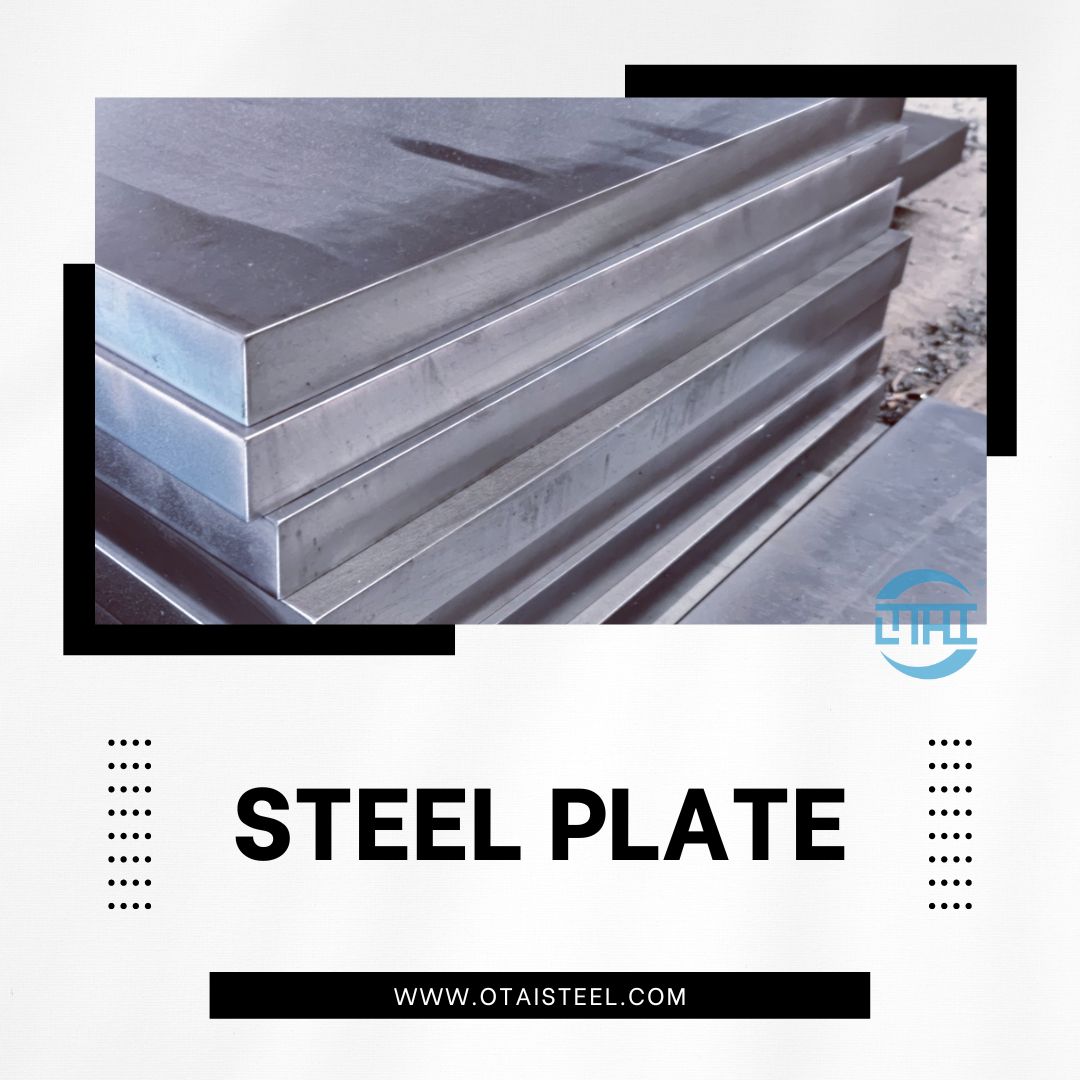
DIN 1.2316 steel is a material that speaks volumes through its properties, composition, and applications. For those seeking this exceptional steel grade, exploring its hardness becomes paramount. In this detailed guide, we’ll delve into the hardness aspect while shedding light on the standard, composition, applications, sizes, pricing, and sourcing strategies. By the end, you’ll not only understand 1.2316 steel hardness but also be equipped to make informed decisions when integrating it into your projects.

1.2316 Steel Properties: Beyond the Surface

Understanding the hardness of 1.2316 requires a deeper dive into its overall properties. This steel grade, known for its exceptional corrosion resistance and versatility, offers a balance of toughness and hardness that makes it a standout choice in various applications. As we explore its hardness, it’s essential to keep in mind the broader spectrum of characteristics that contribute to the material’s reliability.

Unlocking the Composition: The Backbone of Hardness

The hardness of 1.2316 is intricately tied to its chemical composition. The blend of chromium, nickel, molybdenum, and a significant carbon content forms a robust alloy that not only resists corrosion but also attains impressive levels of hardness. This unique composition positions 1.2316 steel as a go-to material for applications demanding durability and strength.

Hardness in Action: Applications of 1.2316 Steel

The versatility of 1.2316 extends beyond its hardness. Its adaptability makes it a favored choice in precision molding, injection molding, medical instruments, and various manufacturing applications. The inherent hardness ensures that the material withstands the rigors of these industries, providing longevity and reliability in the face of challenging conditions.

Sizing Up: How Hardness Relates to Size

When considering 1.2316 hardness, it’s crucial to recognize that hardness can vary with different sizes and heat treatments. Manufacturers often provide hardness values corresponding to specific sizes and treatments, allowing you to tailor the material to your project’s requirements. This flexibility in sizing ensures that you get the desired hardness for your specific application.

Pricing Strategies: Balancing Hardness and Cost

While hardness is a critical factor, it’s equally important to consider the pricing landscape. The cost of 1.2316 steel is influenced by factors such as size, quantity, and supplier reputation. Striking a balance between hardness requirements and budget considerations ensures a cost-effective solution without compromising on quality.

Sourcing the Best: Strategies for Finding Reliable Suppliers

The journey to harness the hardness of 1.2316 begins with finding a reliable supplier. Look for companies with a proven track record, industry certifications, and positive customer feedback. Engaging with potential suppliers allows you to discuss your specific hardness requirements and evaluate their capabilities and willingness to meet your project’s needs.

Conclusion: Hardness as the Bedrock of Excellence

In conclusion, the hardness of 1.2316 is a testament to its excellence as a material. Beyond being a number on a scale, hardness in 1.2316 steel represents the bedrock of its strength and durability. Integrating this steel into your projects means tapping into a material that not only meets but exceeds expectations.

FAQs About 1.2316 Steel Hardness

  1. How is the hardness of 1.2316 measured?
    • Hardness is commonly measured using the Rockwell or Brinell hardness scales, depending on the size and nature of the material.
  2. Does the hardness of 1.2316 vary with different sizes?
    • Yes, the hardness of 1.2316 steel can vary with different sizes and heat treatments. Manufacturers provide specific hardness values for various conditions.
  3. Can 1.2316 steel be heat-treated to achieve specific hardness levels?
    • Yes, heat treatment is a common practice to adjust the hardness of 1.2316 steel, allowing for customization based on project requirements.
  4. How does the hardness of 1.2316 contribute to its durability?
    • The inherent hardness of 1.2316 steel contributes to its durability by providing resistance to wear, making it suitable for applications in challenging environments.
  5. What role does hardness play in the performance of 1.2316 steel in precision molding applications?
    • The hardness of 1.2316 steel is crucial in precision molding applications as it ensures the material can withstand the stresses and pressures involved in molding processes, contributing to the longevity of molds.
0 0 Continue Reading →

DIN 1.2316 steel properties-making it a reliable choice for applications

DIN 1.2316 steel properties-making it a reliable choice for applications

If you’re on the hunt for a steel grade that seamlessly balances strength, corrosion resistance, and versatility, look no further than DIN 1.2316 stainless steel. In this comprehensive guide, we’ll unravel the intricacies of this remarkable material, covering everything from its standard and chemical composition to applications, sizes, and pricing. By the end, you’ll not only be well-acquainted with 1.2316 steel but also equipped to make informed decisions when sourcing this material.

Setting the Standard: DIN EN ISO 4957

At the heart of understanding 1.2316 steel lies the recognition of the standards it adheres to. The DIN EN ISO 4957 standard serves as the compass guiding the properties and performance of this steel grade. This standardized approach ensures that 1.2316 not only meets but often exceeds the expectations set for tool steels, guaranteeing a level of quality that’s paramount for various applications.

Unlocking the Composition Secrets

The magic of 1.2316 stainless steel lies in its carefully crafted chemical composition. A blend of chromium, nickel, and molybdenum forms the backbone, offering exceptional corrosion resistance. The addition of a significant amount of carbon contributes to the steel’s hardness and wear resistance, making it a reliable choice for applications demanding durability and longevity.

Applications That Speak Volumes

1.2316 steel’s versatility extends across a myriad of applications, making it a sought-after material in diverse industries. From precision molds in manufacturing to medical instruments requiring corrosion resistance, the adaptability of this steel grade is nothing short of impressive. Its ability to meet the stringent demands of various sectors positions it as a go-to material for engineers and manufacturers alike.

Tailoring Sizes to Your Needs

Flexibility in sizing is a key advantage of 1.2316 stainless steel. Whether you’re in need of sheets, bars, or custom dimensions, this steel grade caters to the unique requirements of your project. This adaptability ensures that you get precisely what you need without compromising on the material’s inherent strengths.

Navigating the Pricing Landscape

While the cost of 1.2316 steel is influenced by factors such as size and quantity, it’s crucial to emphasize the importance of quality over the bottom line. Investing in high-quality 1.2316 steel ensures that your projects benefit from durability and performance, ultimately proving to be a cost-effective choice in the long run.

Sourcing Strategies: Finding the Best Supplier

The quest for 1.2316 steel doesn’t end with understanding its properties; finding a reliable supplier is equally crucial. Look for suppliers with a solid reputation, industry certifications, and positive customer feedback. Engage in conversations to gauge their responsiveness and willingness to cater to your specific needs.

Conclusion: Elevate Your Projects with DIN 1.2316 Stainless Steel

In conclusion, DIN 1.2316 stainless steel is a game-changer in the world of steel grades. Its adherence to standards, carefully crafted composition, versatility in applications, and flexibility in sizing make it a material that stands out. When you choose 1.2316 steel, you’re not just choosing a material; you’re choosing reliability, durability, and performance.

FAQs About DIN 1.2316 steel properties

  1. What industries commonly use DIN 1.2316 stainless steel?
    • The versatility of 1.2316 steel makes it a popular choice in industries such as precision molding, manufacturing, and medical instrument production.
  2. How does the DIN EN ISO 4957 standard contribute to the quality of 1.2316 steel?
    • The standard sets specifications for tool steels, ensuring that 1.2316 adheres to defined benchmarks for performance and durability.
  3. Can 1.2316 stainless steel be customized to specific dimensions?
    • Yes, the flexibility in sizing allows for customization, catering to the unique requirements of different projects.
  4. What factors influence the price of 1.2316 steel?
    • Size, quantity, and supplier reputation are key factors that influence the price of 1.2316 stainless steel.
  5. How can I ensure I’m choosing a reliable supplier for DIN 1.2316 steel?
    • Look for suppliers with a proven track record, industry certifications, and positive customer feedback. Engage with them to discuss your specific needs and assess their responsiveness.
0 0 Continue Reading →

steel type 1.2316-Elevate Your Projects with 1.2316 Steel

steel type 1.2316-Elevate Your Projects with 1.2316 Steel

If you’re on the lookout for a versatile and durable steel grade, look no further than 1.2316 stainless steel. In this guide, we’ll delve into its standard, chemical composition, applications, sizes, pricing, and more. By the end, you’ll not only be well-versed in the intricacies of this remarkable steel but also equipped to find the best supplier for your needs.

Understanding 1.2316 Steel Composition

At the core of 1.2316 stainless steel‘s exceptional properties lies its unique composition. Comprising chromium, nickel, and molybdenum, this alloy exhibits remarkable corrosion resistance. Additionally, the inclusion of a high percentage of carbon ensures outstanding hardness and wear resistance, making it a top choice for various applications.

Standards That Define Excellence

1.2316 steel adheres to stringent industry standards, ensuring its quality and reliability. The DIN EN ISO 4957 standard outlines the specifications for tool steels, and 1.2316 falls within this category. This standardized classification guarantees that the material meets the necessary benchmarks for performance and durability.

Versatile Applications of 1.2316 Steel

The versatility of 1.2316 stainless steel extends to its wide range of applications. From precision molds and injection molding to medical instruments and food processing equipment, this steel grade’s adaptability is truly commendable. Its corrosion resistance and excellent polishability make it a preferred choice for industries where hygiene and precision are paramount.

Size Matters: Tailoring 1.2316 Steel to Your Needs

One of the key advantages of 1.2316 steel is its availability in various sizes, catering to diverse industrial requirements. Whether you need sheets, bars, or custom dimensions, the flexibility in sizing ensures that this steel seamlessly integrates into your specific project.

Navigating the Price Landscape

The cost of 1.2316 stainless steel is influenced by factors such as size, quantity, and supplier. While it’s essential to find a competitive price, quality should not be compromised. Investing in high-quality 1.2316 steel ensures longevity and performance, making it a cost-effective choice in the long run.

Sourcing the Best Supplier: A Critical Endeavor

Now that you’re acquainted with the virtues of 1.2316 steel, the next step is finding a reliable supplier. Look for companies with a proven track record, certifications, and positive customer feedback. Engage with potential suppliers to discuss your specific needs and evaluate their responsiveness and willingness to collaborate.

Unlocking the Potential: The Future of 1.2316 Steel

As industries evolve, so does the demand for advanced materials. 1.2316 stainless steel stands at the forefront of innovation, offering a combination of strength, corrosion resistance, and versatility. As technology advances, we can anticipate even more applications and refinements for this exceptional steel grade.

Conclusion: Elevate Your Projects with type 1.2316 Stainless Steel

In conclusion, 1.2316 steel is a game-changer in the world of stainless steel alloys. Its superior composition, adherence to standards, versatile applications, and availability in various sizes make it a sought-after material. Whether you’re in the automotive, medical, or manufacturing industry, integrating 1.2316 stainless steel into your projects is a decision that promises longevity and reliability.

FAQs About 1.2316 Stainless Steel

  1. What industries commonly use 1.2316 stainless steel?
    • The versatility of 1.2316 steel makes it a popular choice in industries such as precision molding, injection molding, medical instrument manufacturing, and food processing.
  2. How does the DIN EN ISO 4957 standard ensure the quality of 1.2316 steel?
    • The standard sets specifications for tool steels, ensuring that 1.2316 adheres to defined benchmarks for performance and durability.
  3. Can 1.2316 stainless steel be customized to specific dimensions?
    • Yes, the flexibility in sizing allows for customization, catering to the unique requirements of different projects.
  4. What factors influence the price of 1.2316 steel?
    • Size, quantity, and supplier reputation are key factors that influence the price of 1.2316 stainless steel.
  5. How can I ensure I’m choosing a reliable supplier for 1.2316 steel?
    • Look for suppliers with a proven track record, industry certifications, and positive customer feedback. Engage with them to discuss your specific needs and assess their responsiveness.
0 0 Continue Reading →

steel 1.2316 standard – A Comprehensive Guide

steel 1.2316 standard- A Comprehensive Guidesteel 1.2316 standard- A Comprehensive Guide
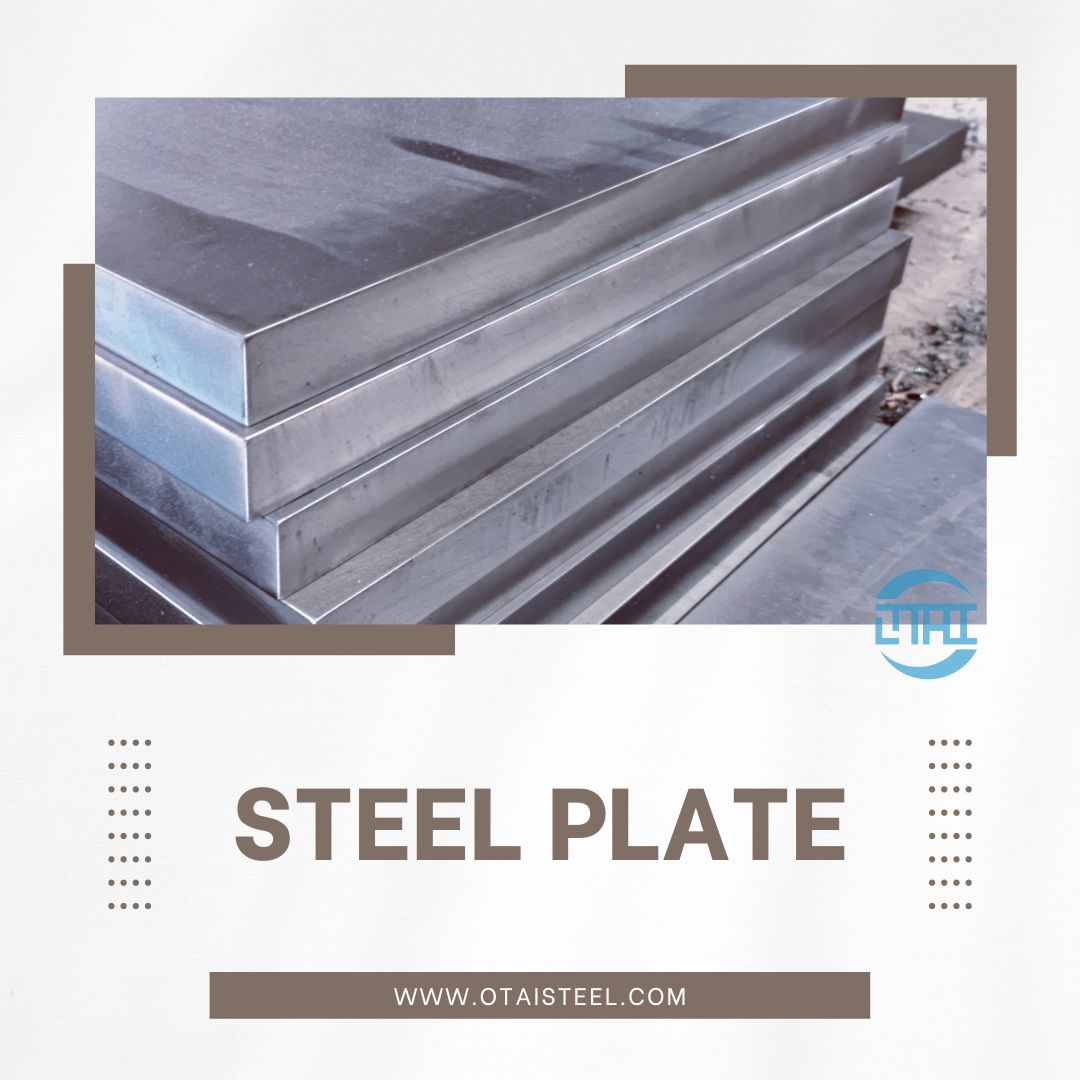
In the intricate world of steel, the quest for the perfect material often begins with understanding the standards that govern it. If you’re on the lookout for 1.2316 steel but find yourself in the dark about its standard, properties, and where to find reliable suppliers, worry not. This guide is your beacon, illuminating the path to comprehending 1.2316 steel from its standards to applications, sizes, prices, and sourcing the best suppliers.

1. Navigating the Standards of 1.2316 Steel

In the realm of steel, standards are the backbone of quality. Uncover the standards that define 1.2316 steel, ensuring you embark on your quest with a clear understanding of the benchmarks set for this exceptional material.

2. The Symphony of Chemical Composition in 1.2316 Steel

At the heart of every steel grade lies a symphony of elements. Delve into the unique composition of 1.2316 steel, understanding how Chromium, Molybdenum, and other elements orchestrate its exceptional properties.

3. Applications Across Industries: Where 1.2316 Steel Shines

Versatility is key, and 1.2316 steel boasts a wide array of applications. From precision tools to molds, explore the industries that benefit from the unique characteristics of this steel grade.

4. Sizing Up 1.2316 Steel for Your Project Needs

No project is one-size-fits-all, and neither is 1.2316 steel. Learn about the sizes and forms available, ensuring your project gets the perfect fit and performance.

5. Decoding the Pricing Puzzle: Understanding 1.2316 Steel Prices

Price considerations are paramount. Delve into the factors that influence the pricing of 1.2316 steel, ensuring you strike the right balance between cost and quality.

6. The Quest for Reliable 1.2316 Steel Suppliers

Sourcing the best 1.2316 steel suppliers is an art. This section provides insights into what makes a supplier reliable and how to ensure you’re forging partnerships with the best in the industry.

7. Frequently Asked Questions (FAQs) About 1.2316 Steel

  1. What standards govern the quality of 1.2316 steel?
    • Industry standards such as DIN EN ISO 4957 and others ensure the quality of 1.2316 steel.
  2. How does the composition of 1.2316 steel contribute to its corrosion resistance?
    • Chromium and Molybdenum contribute significantly to its corrosion-resistant properties.
  3. In which industries is 1.2316 steel most commonly used?
    • Its versatility makes it a favorite in industries like plastic molding, automotive, and precision engineering.
  4. What factors influence the pricing of 1.2316 steel?
    • The alloy composition, market demand, and supplier reputation can impact the pricing.
  5. How can I verify the reliability of 1.2316 steel suppliers?
    • Look for certifications, customer reviews, and a proven track record to identify reputable suppliers.

In Conclusion: steel 1.2316 standard

Understanding the standards, composition, applications, sizes, prices, and sourcing of 1.2316 steel is your gateway to making informed decisions. Connect with the right suppliers and embark on a journey with 1.2316 steel—a material that not only meets but exceeds industry standards. Happy exploring!


0 0 Continue Reading →

material steel 1.2316-a material that blends quality and reliability seamlessly

material steel 1.2316-a material that blends quality and reliability seamlessly

In the vast world of steel, finding the right material can be a daunting task. If you’re on the lookout for 1.2316 steel but are unsure about standards, properties, and where to find reliable suppliers, you’ve landed in the right place. This guide will walk you through the essential aspects of 1.2316 steel, ensuring you make informed decisions and connect with the best suppliers in the industry.

1. Discovering 1.2316 Steel Standards

Understanding the standards of 1.2316 steel is the first step to ensuring quality. This guide will shed light on the industry standards, allowing you to navigate the market with confidence.

2. Unlocking the Secrets of 1.2316 Steel Composition

The heart of any steel grade lies in its composition. Delve into the intricate mix of elements that make 1.2316 steel a standout choice. From chromium to molybdenum, explore the chemistry that gives this steel its unique properties.

3. Applications Across Industries: Where Does 1.2316 Shine?

Versatility is key, and 1.2316 steel doesn’t disappoint. Discover its applications across various industries, from precision tools to molds, and understand why it’s a top choice for many manufacturers.

4. Navigating 1.2316 Steel Sizes for Your Project Needs

One size doesn’t fit all in the world of steel. Learn about the available sizes and forms of 1.2316 steel, ensuring you get the perfect fit for your project requirements.

5. Decoding the Pricing Puzzle: What Influences 1.2316 Steel Prices?

Price is a crucial factor in any purchase decision. Uncover the factors that influence 1.2316 steel prices and learn how to strike the right balance between cost and quality.

6. Finding Reliable 1.2316 Steel Suppliers: A Guide to Sourcing Excellence

Sourcing the best 1.2316 steel suppliers is a critical step. This section will provide insights into what makes a supplier reliable and how to ensure you’re partnering with the best in the industry.

7. Frequently Asked Questions (FAQs) About 1.2316 Steel

  1. How does 1.2316 steel compare to other mold steels?
    • 1.2316 steel offers excellent corrosion resistance, making it a preferred choice for various molds.
  2. What industries commonly use 1.2316 steel?
    • Its versatility makes it suitable for industries such as automotive, aerospace, and precision engineering.
  3. Can 1.2316 steel be heat-treated for increased hardness?
    • Yes, heat treatment enhances its hardness, contributing to its durability.
  4. Are there environmental considerations when using 1.2316 steel?
    • Its corrosion resistance makes it a sustainable choice, especially in challenging environments.
  5. How can I differentiate between reliable and unreliable 1.2316 steel suppliers?
    • Look for certifications, customer reviews, and a proven track record to identify reputable suppliers.

In Conclusion: Your Journey with 1.2316 Steel Begins Here

Navigating the realm of 1.2316 steel doesn’t have to be complex. Armed with knowledge about standards, composition, applications, sizes, prices, and sourcing, you’re now equipped to make informed decisions. Connect with the right suppliers, and embark on your journey with 1.2316 steel—a material that blends quality and reliability seamlessly. Happy exploring!

0 0 Continue Reading →

1.2316 steel equivalent-Understanding 1.2316 Steel Material

1.2316 steel equivalent-Understanding 1.2316 Steel Material

Diving into the world of steel can be daunting, especially when searching for specific grades like 1.2316 steel material. In this comprehensive guide, we’ll walk you through the standards, chemical composition, applications, sizes, pricing, and more. By the end, you’ll have a clearer understanding of 1.2316 steel and how to connect with the best suppliers.

1. Understanding 1.2316 Steel Material

1.2316 steel, a versatile and sought-after material, belongs to the family of corrosion-resistant mold steels. But what sets it apart? Let’s explore its unique features.

2. Deciphering 1.2316 Steel Composition

Delving into the composition of 1.2316 steel reveals a well-balanced mix, including Chromium (Cr), Molybdenum (Mo), Carbon (C), and more. This intricate blend contributes to the steel’s exceptional properties.

3. Applications Across Industries

The diverse applicability of 1.2316 steel makes it a prime choice for various industries. From precision tools to high-performance molds, this steel grade excels in delivering durability and reliability.

4. Sizing Up 1.2316 Steel Sizes

One size doesn’t fit all, and the same goes for 1.2316 steel. Whether you need it in flat bars, rounds, or customized shapes, understanding the available sizes ensures your project gets the perfect fit.

5. Navigating the Pricing Landscape

While price is a crucial factor, it shouldn’t compromise quality. Discovering competitive prices for 1.2316 steel involves exploring different suppliers. We’ll guide you on how to strike the right balance between cost and quality.

6. The Global Quest for Suppliers

Sourcing the best 1.2316 steel supplier can be challenging. We’ll provide insights into the factors to consider, ensuring you find a reliable partner who meets your specific requirements.

7. 1.2316 steel equivalent Unmasking Frequently Asked Questions (FAQs)

  1. Is 1.2316 steel suitable for high-precision molds?
    • Yes, its corrosion resistance and hardness make it an excellent choice for precision tools and molds.
  2. How does the price of 1.2316 steel compare to similar grades?
    • The pricing varies, but it’s crucial to balance cost with quality. Cheaper isn’t always better.
  3. Can 1.2316 steel be heat-treated for increased hardness?
    • Absolutely. Heat treatment enhances its hardness and overall performance.
  4. What industries commonly use 1.2316 steel?
    • Its versatility finds applications in automotive, aerospace, and mold-making industries.
  5. Are there environmental considerations for using 1.2316 steel?
    • Its corrosion resistance makes it a sustainable choice, particularly in challenging environments.

In the intricate world of steel, 1.2316 steel stands out for its exceptional properties. Armed with insights into composition, applications, sizes, pricing, and sourcing, you’re now equipped to make informed decisions. Remember, the key is not just finding 1.2316 steel but finding the right supplier who understands your unique needs. Happy exploring!


0 0 Continue Reading →

18crnimo7-6 annealing-Annealing is important for 18CrNiMo7-6 steel

18crnimo7-6 annealing-Annealing is important for 18CrNiMo7-6 steel18crnimo7-6 annealing-Annealing is important for 18CrNiMo7-6 steel

In the world of steel alloys, the spotlight often falls on 18CrNiMo7-6, a steel grade known for its strength and versatility. If you’re on a quest for the right material and wondering about the annealing and heat treatment processes. This guide is your compass.

Decoding 18CrNiMo7-6: A Brief Overview

Standard and Composition: The Foundation of Excellence 18CrNiMo7-6 adheres to the EN 10084 standard, setting the benchmark for case-hardening steels. Its chemical composition, comprising 0.15-0.21% carbon, 1.50-1.80% nickel, 1.40-1.70% chromium, and 0.25-0.35% molybdenum, forms the bedrock of its remarkable properties.

Applications: Where 18CrNiMo7-6 Takes the Lead

Versatility Unleashed: From Gears to Crankshafts The applications of 18CrNiMo7-6 are as diverse as its composition. Whether it’s aerospace components, automotive gears, or heavy machinery, this steel is a go-to choice where strength and durability are paramount.

Sizes and Pricing: Tailoring to Your Needs

From Rounds to Flats: Choosing the Right Size Manufacturers provide 18CrNiMo7-6 in various sizes, from rounds to flats, ensuring flexibility for different industrial needs. Understanding these size variations empowers you to make informed decisions while considering pricing dynamics.

Annealing: Unveiling the Transformation Process

Annealing Explained: Enhancing Toughness Annealing is a critical process in the life of 18CrNiMo7-6 steel. By heating the material to a specific temperature and then gradually cooling it, the steel undergoes a transformation, enhancing its toughness and eliminating internal stresses.

Benefits of Annealing: Beyond Hardness The annealing process not only refines the hardness but also contributes to improved machinability and reduced risk of cracking during subsequent processing. It’s a crucial step in maximizing the potential of this steel alloy.

Heat Treatment: Shaping the Future of 18CrNiMo7-6

Quenching and Tempering: Fine-Tuning Hardness In addition to annealing, 18CrNiMo7-6 undergoes quenching and tempering—a dynamic duo that fine-tunes its hardness. This process ensures the steel achieves the desired Rockwell hardness, typically ranging between 58-63 HRC.

Sourcing Wisdom: Finding the Right Supplier

Navigating the Market: Certifications and Reputation When sourcing 18CrNiMo7-6, ensure your supplier holds relevant certifications and has a stellar reputation for delivering quality. Transparent communication is key to understanding their commitment to meeting your specifications.

Conclusion: Unleashing the Full Potential of 18CrNiMo7-6

In conclusion, 18CrNiMo7-6 is more than a steel grade; it’s a solution tailored to meet the demands of modern industries. By understanding its annealing and heat treatment processes, you unlock the full potential of this remarkable alloy.

0 0 Continue Reading →


Recent Comments by Jack Otai