Skip to Content

About: Jack Otai

Recent Posts by Jack Otai

4140 Alloy Excellence: Shaping the Future of Materials

4140 Alloy Excellence: Shaping the Future of Materials4140 Alloy Excellence: Shaping the Future of Materials

In the ever-evolving landscape of materials engineering, one alloy stands out as a true trailblazer—4140 alloy. Beyond being a mere combination of elements, 4140 is a beacon of excellence, shaping the future of materials in diverse industries. Let’s delve into the fascinating realm of 4140 alloy, exploring its exceptional properties, applications, and the pivotal role it plays in pushing the boundaries of what materials can achieve.

Unveiling the Marvel: The Distinctive Composition of 4140 Alloy

At the core of 4140 alloy’s excellence lies a meticulously crafted composition. With a synergistic blend of chromium, molybdenum, and carbon, this alloy becomes more than the sum of its parts. Imagine it as a recipe for strength and resilience, where each element plays a crucial role in defining the unique properties that set 4140 apart in the world of materials.

Chromium’s Charm: Elevating Hardness and Corrosion Resistance

Chromium, a key architect in the alloy’s composition, adds a touch of charm to 4140. It enhances hardenability, ensuring that the alloy can be heat-treated to achieve remarkable hardness. Moreover, chromium contributes to corrosion resistance, making 4140 a formidable contender in applications where environmental challenges are a constant. It’s like giving the alloy a dual nature—hard as steel, yet resistant to the elements.

Molybdenum’s Mettle: Strengthening and Enduring High-Stress Conditions

Enter molybdenum, the silent force that strengthens the backbone of 4140 alloy. This element elevates the alloy’s strength, allowing it to endure high-stress conditions with unmatched mettle. Think of molybdenum as the secret ingredient that transforms 4140 into a material capable of facing the most demanding challenges, whether on the factory floor or in the heart of complex machinery.

Carbon’s Crucial Role: The Artisan’s Touch for Hardenability

In the intricate dance of alloy composition, carbon assumes a crucial role. It serves as the artisan’s touch, bestowing 4140 with the ability to undergo heat treatment and achieve unparalleled hardenability. Picture carbon as the skilled craftsman, shaping the alloy into a material that can withstand the crucible of intense applications. With carbon in the mix, 4140 becomes more than just a material—it becomes a masterpiece of metallurgical engineering.

From Lab to Reality: Real-World Applications Across Industries

The true measure of 4140 alloy’s excellence is seen not in laboratory settings but in the real-world applications that define industries. In automotive engineering, it finds its place in critical components like gears and axles, ensuring the reliable performance of vehicles. On construction sites, 4140 becomes the backbone of structural elements, contributing to the longevity and safety of buildings. The energy sector embraces the alloy in drilling equipment, while the aerospace industry relies on its strength for critical components. It’s a material that transcends the confines of the laboratory, making its mark where it matters most.

Heat Treatment Alchemy: Transformative Rituals for Enhanced Properties

The secret behind 4140 alloy’s excellence lies in the transformative rituals of heat treatment. Through processes like quenching and tempering, the alloy undergoes alchemical changes that enhance its hardness and strength. This is not just a treatment; it’s a ritual that transforms the alloy into a material ready to face the challenges of the modern world. The heat treatment process is the finishing touch that elevates 4140 from being good to being exceptional.

Precision in Practice: Machinability That Sets the Standard

Crafting excellence is not just about composition and treatment; it’s also about practicality in machining. 4140 alloy sets the standard with its exceptional machinability, allowing for precision in crafting intricate designs and components. It’s like having a material that responds to the hands of craftsmen, enabling the creation of products with unparalleled accuracy. This machining prowess positions 4140 as a material of choice in industries that demand precision.

Aerospace Adventures: 4140 Alloy Soaring to New Heights

In the realm of aerospace engineering, where conditions are extreme and demands are sky-high, 4140 alloy emerges as a reliable partner. From aircraft landing gear to critical engine components, the alloy contributes to the innovation that defines the aerospace industry. It’s like entrusting the skies to a material that guarantees the safety and reliability of airborne travel, even in the most challenging environments.

Conclusion: The Enduring Legacy of 4140 Alloy Excellence

As we navigate the terrain of metallurgy, 4140 alloy stands tall as a symbol of enduring excellence. Its distinctive composition, real-world applications, and transformative rituals like heat treatment position it as a pioneer shaping the future of materials. From the assembly line to aerospace ventures, 4140 alloy leaves an indelible mark, setting a standard for strength, resilience, and precision.
0 0 Continue Reading →

4140 Alloy Demystified: Understanding its Composition and Uses

4140 Alloy Demystified: Understanding its Composition and Uses

In the intricate world of metallurgy, 4140 alloy emerges as a captivating enigma. Beyond its mere designation, this alloy holds within its composition the key to unparalleled strength and versatility. Let’s embark on a journey to demystify 4140 alloy, understanding the alchemy of its composition and unveiling the diverse applications that make it a stalwart in various industries.

Cracking the Code: Composition of 4140 Alloy

At the heart of 4140 alloy’s prowess lies a carefully orchestrated composition. Comprising chromium, molybdenum, and carbon, this alloy undergoes a metallurgical dance that transforms it into a material of exceptional strength and resilience. Think of it as a symphony of elements, each playing a crucial role in the alloy’s unique properties.

Chromium’s Contribution: Beyond Corrosion Resistance

Chromium, a key player in the 4140 alloy ensemble, brings more to the table than just corrosion resistance. In this alloy, chromium enhances hardenability, providing the foundation for robust and durable components. It’s like adding a layer of armor, ensuring that 4140 stands strong against wear and tear in challenging environments.

Molybdenum’s Might: Elevating Strength and Heat Resistance

Enter molybdenum, the silent powerhouse in the 4140 alloy narrative. This element takes the alloy’s strength to new heights while also imparting heat resistance. It’s akin to fortifying the material against high-stress conditions, making 4140 a go-to choice in applications where endurance is non-negotiable.

Carbon’s Crucial Role: The Backbone of Hardenability

Amidst the alloy’s composition, carbon emerges as the unsung hero, serving as the backbone of hardenability. Through its presence, 4140 alloy gains the ability to undergo heat treatment, a transformative process that further amplifies its hardness and strength. Think of carbon as the artisan’s touch, refining the alloy into a material that can withstand the crucible of demanding applications.

Real-World Marvels: Applications Across Industries

The magic of 4140 alloy extends far beyond the confines of laboratories. In the automotive industry, it finds its place in critical components like axles and gears, where durability and strength are paramount. Walk onto a construction site, and you’ll see 4140 alloy forming the backbone of structural elements, ensuring longevity and safety. From oil drilling equipment to components in renewable energy infrastructure, the versatility of 4140 makes it a material of choice across diverse industries.

Heat Treatment Alchemy: Transforming Potential into Power

One of the secrets behind 4140 alloy’s prowess lies in the alchemy of heat treatment. Through processes like quenching and tempering, the alloy undergoes a metamorphosis that enhances its hardness and strength. It’s like taking raw potential and refining it into a material that can endure the harshest conditions. The heat treatment ritual is a testament to the versatility of 4140, allowing it to meet the demands of a wide array of applications.

Machining Mastery: Precision Craftsmanship

Crafting resilience is not just about composition; it’s also about practicality in machining. 4140 alloy offers exceptional machinability, allowing for precision in shaping components. It’s like working with a material that responds to the artisan’s touch, enabling the creation of intricate designs with ease. This machining mastery further amplifies the alloy’s relevance across industries.

In the Crucible of Innovation: 4140 in Aerospace Engineering

Aerospace engineering demands materials that can withstand extreme conditions, and 4140 alloy rises to the challenge. From aircraft landing gear to critical engine components, this alloy becomes a cornerstone in the pursuit of innovation. It’s like entrusting the skies to a material that ensures the safety and reliability of airborne travel, even in the most demanding environments.

Conclusion: 4140 Alloy Demystified

In the grand tapestry of metallurgy, 4140 alloy stands as a testament to the enduring legacy of innovation. Its composition, carefully balancing chromium, molybdenum, and carbon, unlocks a realm of possibilities in strength and resilience. From the construction site to the aerospace industry, 4140 alloy leaves an indelible mark, pushing the boundaries of what materials can achieve.

0 0 Continue Reading →

The Resilience of 4140 Alloy: A Material Beyond Measure

The Resilience of 4140 Alloy: A Material Beyond Measure

In the vast realm of metallurgy, certain alloys stand out as true titans, and among them is the remarkable 4140 alloy. Beyond its composition of chromium, molybdenum, and other elements, 4140 is more than a material—it’s a testament to resilience. Let’s embark on a journey into the heart of this alloy, exploring its unique properties, diverse applications, and the ways it has become a cornerstone in various industries.

Forged in the Crucible: Unveiling the Composition

At the heart of 4140 alloy’s resilience lies its meticulously crafted composition. With a balanced blend of chromium, molybdenum, and carbon, this alloy undergoes a transformative process to emerge with properties that defy conventional material limitations. It’s akin to forging a blade in the fires of metallurgical craftsmanship, each element contributing to the alloy’s exceptional strength and durability.

Toughness Personified: Impact of Chromium and Molybdenum

Chromium and molybdenum, the dynamic duo in 4140 alloy, play pivotal roles in enhancing its toughness. Chromium contributes to hardenability, corrosion resistance, and wear resistance, making 4140 resilient in the face of environmental challenges. Molybdenum, on the other hand, enhances strength and heat resistance, turning 4140 into a material capable of withstanding high-stress conditions. It’s the symbiotic dance of these elements that makes 4140 a paragon of toughness.

Applications Unleashed: 4140 in Real-World Scenarios

The resilience of 4140 alloy extends far beyond the confines of laboratories. In the automotive industry, it finds a home in critical components like axles and gears, where strength and durability are non-negotiable. In the construction sector, 4140 becomes the backbone of structural elements, ensuring the longevity and safety of buildings. This alloy also finds applications in the energy sector, with uses ranging from oil drilling equipment to components in renewable energy infrastructure. It’s a material that adapts to diverse challenges, proving its mettle in real-world scenarios.

Heat Treatment Alchemy: Elevating Strength to New Heights

One of the secrets behind 4140 alloy’s resilience lies in the alchemy of heat treatment. Through processes like quenching and tempering, the alloy undergoes a transformation that enhances its hardness and strength. It’s like taking raw potential and refining it into a material that can endure the harshest conditions. The heat treatment ritual is a testament to the versatility of 4140, allowing it to meet the demands of a wide array of applications.

Machining Mastery: Precision in Practicality

Crafting resilience is not just about composition; it’s also about practicality in machining. 4140 alloy offers exceptional machinability, allowing for precision in shaping components. It’s like working with a material that responds to the artisan’s touch, enabling the creation of intricate designs with ease. This machining mastery further amplifies the alloy’s relevance across industries.

In the Crucible of Innovation: 4140 in Aerospace Engineering

Aerospace engineering demands materials that can withstand extreme conditions, and 4140 alloy rises to the challenge. From aircraft landing gear to critical engine components, this alloy becomes a cornerstone in the pursuit of innovation. It’s like entrusting the skies to a material that ensures the safety and reliability of airborne travel, even in the most demanding environments.

4140 in Oil and Gas: Thriving in Harsh Environments

The oil and gas industry, notorious for its harsh and corrosive environments, finds a reliable ally in 4140 alloy. Used in drilling equipment and downhole components, the alloy’s corrosion resistance and strength make it a stalwart in the quest for energy resources. It’s like navigating the depths of the earth with a material that thrives in the crucible of harsh conditions.

Conclusion: Beyond the Limits, the Legacy of 4140 Alloy

In the grand tapestry of metallurgy, 4140 alloy leaves an indelible mark as a material beyond measure. Its resilience, honed through a carefully crafted composition and versatile applications, positions it as a cornerstone in various industries. From the construction site to the aerospace industry, 4140 stands as a testament to the enduring legacy of metallurgical innovation, pushing the boundaries of what materials can achieve.

0 0 Continue Reading →

34CrNiMo6 Steel’s Heat Treatment Secrets

34CrNiMo6 Steel's Heat Treatment SecretsWhen it comes to unlocking the full potential of 34CrNiMo6 steel, the secret lies in its heat treatment. This process is like the alchemy of metallurgy, transforming the alloy into a material with exceptional strength, toughness, and durability. In this exploration, we’ll delve into the intricate world of 34CrNiMo6 steel’s heat treatment, unraveling the secrets that make it a powerhouse in various industries.
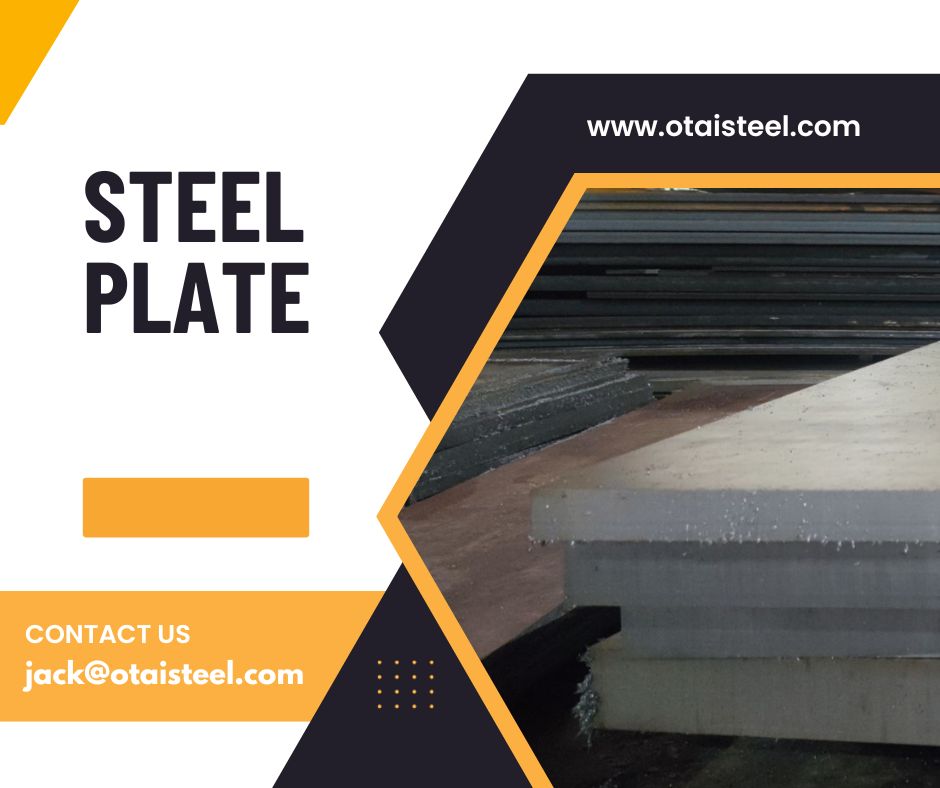
The Basics of Heat Treatment

Before we plunge into the secrets, let’s grasp the basics. Heat treatment is a controlled process that involves subjecting the steel to heating and cooling cycles to alter its physical and mechanical properties. For 34CrNiMo6, this isn’t just a routine step – it’s a metamorphosis that enhances its performance in the field.

Quenching: Igniting Transformation

The first step in 34CrNiMo6’s heat treatment saga is quenching. Picture this as a plunge into an icy pool after a sauna session. The steel is heated to a precise temperature and then rapidly cooled by immersing it in a quenching medium like oil or water. This rapid cooling locks in the desired hardness, setting the stage for a material that can withstand demanding conditions.

Tempering: Finding the Sweet Spot

Now that the steel has donned its hardened armor, it’s time for tempering – the art of finding the sweet spot between hardness and toughness. Think of it as the balance between a rock and a cushion. The quenched steel is reheated to a specific temperature and then slowly cooled. This imparts the desired toughness, ensuring that the material isn’t just hard but also flexible enough to absorb impact energy without shattering.

Case Hardening: Strengthening the Surface

As if quenching and tempering weren’t enough, 34CrNiMo6 often undergoes case hardening. This involves enriching the surface layer of the steel with additional carbon through a diffusion process. The result? A surface that’s not just tough but also wear-resistant, ready to take on the abrasion challenges thrown its way.

Controlled Atmosphere Furnaces: Precision in Action

The secrets of 34CrNiMo6’s heat treatment also lie in the equipment used. Controlled atmosphere furnaces play a crucial role, providing the ideal environment for the transformational dance of heating and cooling. These furnaces ensure precision, allowing metallurgists to orchestrate the heat treatment symphony with accuracy.

The Importance of Temperature Control

In the realm of heat treatment secrets, temperature control is the magician’s wand. Small variations can spell the difference between a steel that meets stringent standards and one that falls short. The careful monitoring of temperatures during heating, holding, and cooling stages ensures that 34CrNiMo6 achieves the desired balance of properties.

Post-Heat Treatment Machining Challenges

While the heat treatment bestows 34CrNiMo6 with exceptional properties, it also presents challenges, especially in machining. The hardened state can make machining intricate, requiring specialized tools and expertise. However, the benefits of the heat treatment process far outweigh these challenges, emphasizing the importance of precision in handling this robust material.

Applications Unleashed: Where Heat-Treated 34CrNiMo6 Shines

Now that we’ve uncovered the secrets of 34CrNiMo6’s heat treatment, let’s explore where this transformed steel truly shines. From critical components in automotive engineering to heavy-duty machinery in manufacturing, the heat-treated 34CrNiMo6 finds its applications where strength, toughness, and wear resistance are non-negotiable.

Conclusion

In the realm of metallurgy, 34CrNiMo6 steel’s heat treatment secrets are the key to unlocking a material that stands tall in the face of challenges. The careful orchestration of quenching, tempering, and case hardening transforms this alloy into a formidable force in construction, engineering, and manufacturing. It’s not just about heat; it’s about crafting a steel that embodies strength and resilience.

0 0 Continue Reading →

34CrNiMo6’s Role in Structural Integrity

34CrNiMo6’s Role in Structural Integrity

Structural integrity is the backbone of any construction, and in the world of materials, 34CrNiMo6 emerges as a key player in ensuring strength, durability, and reliability. In this exploration, we will unravel the significant role that 34CrNiMo6 plays in maintaining structural integrity across various industries, from towering buildings to critical infrastructure.

The Foundation of Strength: A Metallurgical Overview

At the heart of 34CrNiMo6’s role in structural integrity lies its metallurgical composition. Comprising chromium, nickel, molybdenum, and carbon, this alloy is meticulously crafted to withstand the demanding conditions that structures often face. The blend of these elements contributes to the alloy’s exceptional strength, toughness, and resistance to wear – essential attributes for any material tasked with upholding structural integrity.

Toughness to Tackle Challenges

Structural components must navigate a myriad of challenges, from extreme weather conditions to heavy loads. 34CrNiMo6 steps up to the plate with its inherent toughness, a quality that allows it to absorb shock and impact without succumbing to fractures. This resilience is particularly vital in structures where unexpected stresses may arise, ensuring that the material remains steadfast against the tests of time.

The Crucial Role of Hardenability

Structural materials must strike a delicate balance between hardness and flexibility. 34CrNiMo6‘s unique ability to undergo heat treatment, enhancing its hardenability, is a game-changer. This process ensures that the alloy can achieve optimal strength without compromising its capacity to withstand dynamic forces. It’s akin to giving the material a tailored suit – snug where it needs to be and flexible where it counts.

From Skyscrapers to Bridges: Applications in Construction

In the construction industry, where structural integrity is paramount, 34CrNiMo6 finds its niche. From the skeletal frames of towering skyscrapers to the load-bearing beams of bridges, this alloy is a trusted companion in ensuring that structures not only stand tall but stand the test of time. Its application extends to critical components like shafts and gears, where reliability is non-negotiable.

Engineering Marvels: The Automotive Perspective

Structural integrity isn’t limited to static structures; it’s equally crucial in the dynamic world of automotive engineering. 34CrNiMo6 makes its mark here, contributing to the robustness of components subjected to intense stress, such as gears in transmissions. The alloy’s role in automotive applications underscores its versatility, adapting to diverse environments and usage scenarios.

Challenges and Solutions

While 34CrNiMo6 excels in contributing to structural integrity, challenges exist. Machining this alloy can be intricate due to its high hardenability, requiring precision and specialized tools. However, these challenges are outweighed by the benefits it brings to the table, emphasizing the importance of expertise in handling this formidable material.

Innovation in Structural Design

As the demands on structures evolve, so does the need for innovative materials. 34CrNiMo6 is part of this evolutionary journey, with ongoing research exploring ways to optimize its composition for enhanced structural performance. From earthquake-resistant buildings to lightweight yet durable components, the alloy continues to inspire innovation in structural design.

Sustainability in Structural Choices

In an era where sustainability is a driving force in engineering decisions, 34CrNiMo6 proves its worth. Its durability and longevity contribute to the sustainability of structures, reducing the need for frequent replacements and minimizing environmental impact. Choosing materials that enhance structural integrity while aligning with eco-friendly practices is becoming a cornerstone in modern engineering.

In the intricate dance of construction and engineering, 34CrNiMo6 emerges as a reliable partner, ensuring the structural integrity of diverse creations. Its metallurgical composition, coupled with toughness and hardenability, positions it as a go-to material for architects and engineers striving for excellence in their designs. Whether in towering skyscrapers or the heart of a powerful engine, 34CrNiMo6 stands as a testament to the enduring strength required to build the world around us.

0 0 Continue Reading →

The Composition of 34CrNiMo6 Alloy

The Composition of 34CrNiMo6 Alloy

At its core, 34CrNiMo6 is a low-alloy steel that belongs to the group of nickel-chromium-molybdenum steels. The alphanumeric jumble of its name is a coded representation of its key components. The “34” indicates the approximate percentage of carbon in the alloy, while “Cr” and “Ni” stand for chromium and nickel, respectively. The addition of molybdenum, denoted by “Mo,” further enhances its mechanical properties, such as toughness and hardenability.

The Power of Chromium

Chromium, a key player in the 34CrNiMo6 alloy, is a game-changer. This element not only contributes to the alloy’s corrosion resistance but also plays a pivotal role in enhancing its hardenability. The presence of chromium allows 34CrNiMo6 to withstand harsh environmental conditions, making it a go-to choice for applications where corrosion is a concern.

Nickel’s Impact on Toughness

Nickel, another significant component, brings toughness to the table. It acts as a toughening agent, improving the alloy’s ability to absorb impact energy without succumbing to fractures. This characteristic makes 34CrNiMo6 particularly valuable in applications requiring high levels of durability and resilience.

Molybdenum’s Magic Touch

Enter molybdenum – the secret weapon in the 34CrNiMo6 arsenal. This element is a key contributor to the alloy’s hardenability, ensuring that it can be effectively heat-treated to achieve optimal strength. Hardenability is crucial in applications where the steel needs to withstand heavy loads and endure challenging conditions.

Carbon’s Role in Strength

Carbon, the elemental backbone of many steels, imparts strength to 34CrNiMo6. The “34” in its name signifies the approximate percentage of carbon, a factor that influences the hardness and strength of the alloy. The controlled amount of carbon in 34CrNiMo6 strikes a balance, ensuring that the steel remains tough without sacrificing its machinability.

Heat Treatment: The Transformational Process

One of the defining features of 34CrNiMo6 is its response to heat treatment. This process involves subjecting the alloy to controlled heating and cooling cycles, leading to a transformation in its microstructure. Through quenching and tempering, 34CrNiMo6 can achieve a desirable combination of hardness and toughness, making it adaptable to a wide range of applications.

Applications Across Industries

The versatility of 34CrNiMo6 extends its reach across various industries. From manufacturing and engineering to automotive and construction, this alloy is a preferred choice where strength, toughness, and durability are non-negotiable. Its application in critical components like gears, shafts, and high-stress structural parts underscores its importance in ensuring the integrity of diverse structures and machinery.

Challenges and Considerations

While 34CrNiMo6 boasts an impressive set of attributes, it’s essential to address potential challenges. The alloy’s high hardenability may pose challenges in machining, requiring appropriate tools and techniques. Additionally, proper heat treatment is crucial to unlock its full potential, emphasizing the importance of precision in handling this formidable material.

Innovation and Future Trends

As technology advances, so does the exploration of alloys like 34CrNiMo6. Ongoing research aims to optimize its composition further, tailoring it to meet evolving industry demands. The alloy’s role in sustainable engineering is also gaining attention, with efforts to enhance its eco-friendly characteristics and reduce environmental impact.

In the intricate world of alloys, 34CrNiMo6 stands tall as a powerhouse of strength, toughness, and versatility. Its carefully crafted composition, featuring chromium, nickel, molybdenum, and carbon, sets the stage for a material that excels in demanding applications across industries. As we continue to push the boundaries of innovation, 34CrNiMo6 remains a beacon of durability, proving that in the realm of metallurgy, the right composition can unlock a world of possibilities. (The Composition of 34CrNiMo6 Alloy)

0 0 Continue Reading →

34CrNiMo6 Steel in Gear Manufacturing

34CrNiMo6 Steel in Gear Manufacturing34CrNiMo6 steel, a low-alloy nickel-chromium-molybdenum steel, is celebrated for its exceptional strength, toughness, and hardenability. These qualities make it a prime candidate for applications demanding high-performance gears subjected to heavy loads and dynamic stresses. (34CrNiMo6 Steel in Gear Manufacturing)
1. Unraveling the Characteristics of 34CrNiMo6 Steel

Understanding the distinct characteristics of 34CrNiMo6 is crucial. Its alloy composition provides a balance between hardness and toughness, ensuring gears can withstand demanding operational conditions.

2. The Crucial Role of Heat Treatment

Heat treatment is a linchpin in the manufacturing process, optimizing the mechanical properties of 34CrNiMo6 steel. Through quenching and tempering, the steel attains the desired hardness, making it suitable for gear teeth subjected to wear and fatigue.

3. Precision Forging for Robust Gears

Forging is a key step in shaping the steel into intricate gear forms. The controlled deformation during hot forging refines the grain structure, enhancing the mechanical strength of the gears.

4. Machining Excellence

The machining process imparts the final dimensions to the gears, ensuring precise tooth profiles and smooth surfaces. CNC machining is often employed for accuracy, guaranteeing gears that mesh seamlessly.

5. Surface Treatments for Enhanced Performance

Gears made from 34CrNiMo6 steel can undergo surface treatments such as nitriding or carburizing. These treatments create a hard layer on the gear surface, enhancing wear resistance and extending the operational life of the gears.

6. Gear Applications Across Industries

From automotive transmissions to heavy-duty industrial machinery, 34CrNiMo6 gears find applications in diverse sectors. Their ability to handle high stresses and resist wear makes them indispensable in critical components.

7. Advantages of 34CrNiMo6 in Comparison

Exploring why 34CrNiMo6 stands out in comparison to other materials for gears. Its combination of toughness, hardenability, and fatigue resistance gives it an edge in demanding environments.

8. Future Trends in Gear Manufacturing

A glimpse into the future trends shaping gear manufacturing, including advancements in materials and manufacturing processes, ensuring gears continue to meet evolving industry demands.

The use of 34CrNiMo6 steel in gear manufacturing is a testament to the pursuit of excellence in materials engineering. Its unique combination of properties makes it a prime choice for crafting gears that not only meet but exceed the expectations of reliability and performance.

0 0 Continue Reading →

Manufacturing Processes of 34CrNiMo6 Steel

Before delving into the manufacturing processes, it’s crucial to understand what makes 34CrNiMo6 steel special. 34CrNiMo6 steel has excellent hardenability, high strength, and toughness. It is a preferred choice for critical applications in aerospace, automotive, and industrial machinery.

1. Steel Melting and Refining:

The manufacturing journey begins with the melting of raw materials, including iron ore, coal, and alloying elements like chromium, nickel, and molybdenum. The molten metal undergoes refining to eliminate impurities, ensuring the alloy meets the required specifications.

2. Continuous Casting:

Once refined, the molten steel is cast into billets through a continuous casting process. This method results in a uniform structure, laying the foundation for the subsequent shaping processes.

3. Hot Forging:

Hot forging is a crucial step in shaping the steel into its desired form. The preheated billets are subjected to extreme pressure, typically in dies, to achieve the desired shape. This process enhances the material’s mechanical properties, including strength and toughness.

4. Heat Treatment:

The forged steel is then subjected to heat treatment processes, such as quenching and tempering. These steps are vital for achieving the optimal combination of hardness and toughness in 34CrNiMo6 steel.

5. Machining and Cutting:

Precision machining and cutting processes follow heat treatment to achieve the final dimensions and surface finish. Computer Numerical Control (CNC) machines are often employed for accuracy and efficiency.

6. Surface Treatment:

Surface treatments, including nitriding, carburizing, and coating applications, are employed to enhance the steel’s surface properties. These treatments improve wear resistance, corrosion resistance, and overall durability.

7. Quality Control:

Throughout the manufacturing process, rigorous quality control measures are implemented to ensure the final product meets industry standards. This involves non-destructive testing, dimensional checks, and material property verification.

8. Final Inspection and Packaging:

The manufactured 34CrNiMo6 steel undergoes a final inspection to guarantee compliance with specifications. Once approved, the steel is packaged and prepared for distribution or further processing by end-users.

Benefits of 34CrNiMo6 Manufacturing Processes:

  • Optimized Mechanical Properties: The combination of forging and heat treatment ensures the alloy achieves the desired mechanical properties.
  • Uniform Structure: Continuous casting contributes to a uniform microstructure, enhancing the steel’s overall performance.
  • Precision Machining: CNC machining allows for accurate shaping, crucial for applications with strict dimensional requirements.

The manufacturing processes of 34CrNiMo6 steel are a testament to the precision and expertise required to produce a high-performance alloy. From melting and casting to forging, heat treatment, and surface treatments, each step contributes to the exceptional qualities that make 34CrNiMo6 a preferred material in critical applications.

0 0 Continue Reading →

Surface Treatment Options for 34CrNiMo6 Steel

Before delving into surface treatment, it’s crucial to understand the inherent qualities of 34CrNiMo6 steel. Recognized for its high strength, toughness, and excellent hardenability, 34CrNiMo6 is a versatile alloy used in various critical applications, including aerospace, automotive, and industrial machinery.

Common Surface Treatment Techniques

  1. Heat Treatment for Enhanced Hardness: One of the fundamental surface treatments for 34CrNiMo6 is heat treatment. By subjecting the steel to controlled heating and cooling processes, the material’s hardness, and overall mechanical properties can be optimized.
  2. Nitriding for Increased Wear Resistance: Nitriding involves the diffusion of nitrogen into the steel surface, forming hard nitride compounds. This process enhances wear resistance, making 34CrNiMo6 suitable for applications where durability is paramount.
  3. Case Carburizing for Improved Surface Toughness: Carburizing is a method that introduces carbon into the steel’s surface, creating a hardened outer layer. This technique improves surface toughness, critical for components subjected to heavy loads.
  4. Shot Peening for Stress Relief: Shot peening induces compressive stress on the steel surface, enhancing fatigue resistance. This treatment is particularly beneficial for components exposed to cyclic loading, such as gears and springs.
  5. Surface Coatings for Corrosion Protection: Applying protective coatings, such as zinc or chromium plating, provides an additional barrier against corrosion. This is crucial, especially in environments where exposure to harsh elements is a concern.

Benefits of Surface Treatments

Surface treatment play a pivotal role in maximizing the performance of 34CrNiMo6 steel. The key benefits include:

  • Increased Hardness and Wear Resistance: Enhances the material’s ability to withstand abrasive forces.
  • Improved Fatigue Strength: Reduces the likelihood of fatigue failure, crucial for components under repetitive stress.
  • Corrosion Protection: Guards against environmental factors that could compromise the integrity of the steel.

Surface treatment for 34CrNiMo6 steel are essential for tailoring its properties to meet specific application requirements. From heat treatment to nitriding, each technique serves a unique purpose in elevating the performance of this exceptional alloy.

0 0 Continue Reading →

34CrNiMo6 Steel in Machine Tools

34CrNiMo6 Steel in Machine Tools

34CrNiMo6 Steel in Machine Tools

At its core, 34CrNiMo6 is a low-alloy steel enriched with nickel, chromium, and molybdenum. This alloying concoction grants it unparalleled mechanical properties, including high tensile strength, toughness, and wear resistance—qualities that are the lifeblood of machine tools designed for precision engineering. (34CrNiMo6 Steel in Machine Tools)

1. Gears and Shafts: Powering Precision Movements

Machine tools rely on gears and shafts for precise movements. The high tensile strength of 34CrNiMo6 ensures these components withstand heavy loads and provide smooth and accurate motion, vital for achieving precision in manufacturing.

2. Spindles and Bearings: Redefining Rotation Precision

In the heart of any machine tool, spindles and bearings dictate rotational precision. 34CrNiMo6’s wear resistance and fatigue strength make it an ideal choice for these components, ensuring longevity and sustained accuracy in machining operations.

3. Tool Holders and Inserts: Defying Wear and Tear

Tool holders and inserts face constant wear during machining processes. The abrasion resistance of 34CrNiMo6 steel ensures these components endure the harsh conditions of cutting and shaping materials without compromising precision.

4. Structural Components: Elevating Machine Tool Stability

The stability of a machine tool’s structure is paramount. Components like frames and supports made from 34CrNiMo6 provide the necessary strength and rigidity to maintain stability during intricate machining operations.

5. Guideways and Slides: Navigating the Path of Precision

Guideways and slides guide the movement of machine tool components. The low friction coefficient and high strength of 34CrNiMo6 steel contribute to smooth and precise motion, crucial for achieving the desired accuracy in machining.

6. Coolant Systems: Resisting Corrosion for Longevity

In machine tools, coolant systems are essential for maintaining optimal operating temperatures. 34CrNiMo6’s corrosion resistance ensures the longevity of components in contact with coolants, preventing premature wear and maintaining precision.

*7. Conclusion: Elevating Precision with 34CrNiMo6 Steel

In the world of machine tools, precision is the holy grail, and 34CrNiMo6 steel emerges as a key enabler. Its mechanical prowess and resistance to wear and corrosion elevate the performance and longevity of machine tools, contributing to the advancement of precision engineering.

0 0 Continue Reading →


Recent Comments by Jack Otai