Skip to Content

About: Jack Otai

Recent Posts by Jack Otai

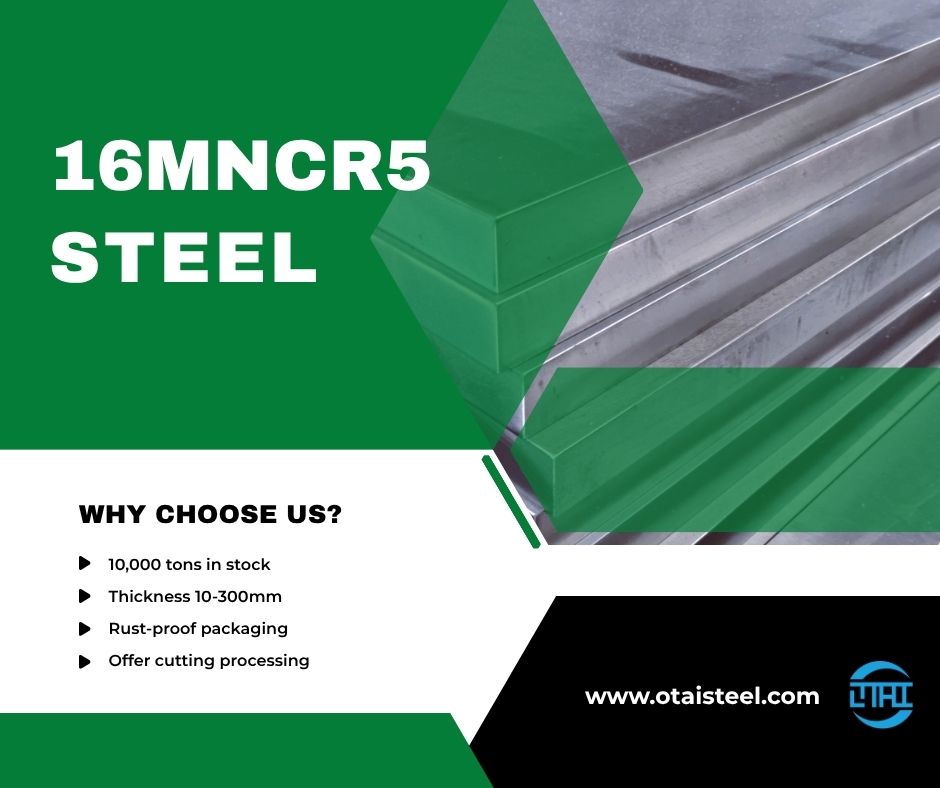
16MnCr5 Steel Equivalent: Exploring Alternatives and Comparisons

16MnCr5 Steel Equivalent: Exploring Alternatives and Comparisons16MnCr5 Steel Equivalent: Exploring Alternatives and Comparisons

16MnCr5 steel is a highly durable low-alloy steel used primarily in manufacturing gears, shafts, and other high-strength components. Known for its hardenability and wear resistance, it is especially valuable in automotive and heavy-duty applications. However, what if you need a substitute for 16MnCr5 steel? This article will discuss some of the equivalents to 16MnCr5 steel, their properties, and the key differences that set them apart.


🧪 What is 16MnCr5 Steel?

16MnCr5 is a manganese-chromium alloy steel, specifically formulated to offer a combination of strength, toughness, and wear resistance. Here’s a quick look at the chemical composition:

  • Carbon (C): 0.14% – 0.19%

  • Manganese (Mn): 1.00% – 1.30%

  • Chromium (Cr): 0.80% – 1.10%

These elements give the steel an exceptional balance of hardness and tensile strength, making it ideal for components like gears, shafts, and axles, which need to endure heavy mechanical stress.


🧬 Properties of 16MnCr5 Steel

Before comparing the equivalents, it’s helpful to review the key mechanical properties of 16MnCr5:

Property 16MnCr5 Steel
Tensile Strength 570 – 700 MPa
Yield Strength 300 – 450 MPa
Hardness 25 – 35 HRC
Impact Toughness High resistance to impact and shock loading
Machinability Good machinability in annealed condition
Weldability Moderate (preheating may be required for thicker sections)

🔄 16MnCr5 Steel Equivalents

Several steel grades are equivalent to 16MnCr5. These materials share similar chemical compositions and mechanical properties, making them suitable for the same range of applications. Below are some of the most common equivalents to 16MnCr5 steel:

1. AISI 5115 Steel (USA)

AISI 5115 is the American equivalent of 16MnCr5 steel. It contains similar amounts of carbon, manganese, and chromium. The two alloys offer comparable hardenability and wear resistance, making AISI 5115 a strong alternative in the production of gears and shafts.

2. EN 100Cr6 (Europe)

In Europe, EN 100Cr6 is widely used as an equivalent. While it has a slightly higher carbon content than 16MnCr5, it offers very similar strength and wear resistance. EN 100Cr6 is often used in rolling bearings and precision shafts.

3. JIS SCM415 (Japan)

The Japanese equivalent, JIS SCM415, is another option for those seeking a steel with high tensile strength and hardness. Like 16MnCr5, it is commonly used in automotive parts and gears, providing reliable performance under heavy loads.

4. DIN 1.7131 (Germany)

DIN 1.7131 is another European equivalent, offering similar chemical and mechanical properties to 16MnCr5. It’s used in the manufacture of automotive gears, shafts, and machinery components.


🏗️ Comparing 16MnCr5 Steel and Its Equivalents

Here’s a side-by-side comparison of 16MnCr5 and its equivalents. While the differences are subtle, these variations can impact performance depending on the application.

Steel Grade Key Elements Tensile Strength (MPa) Hardness (HRC) Common Applications
16MnCr5 Carbon, Manganese, Chromium 570 – 700 25 – 35 Automotive gears, shafts, axles, machinery components
AISI 5115 Carbon, Manganese, Chromium 570 – 700 25 – 35 Gears, shafts, automotive components
EN 100Cr6 Carbon, Chromium 600 – 800 30 – 40 Rolling bearings, precision shafts, heavy machinery
JIS SCM415 Carbon, Manganese, Chromium 580 – 700 25 – 35 High-tensile components, gears, automotive parts
DIN 1.7131 Carbon, Manganese, Chromium 570 – 700 25 – 35 Gears, shafts, automotive machinery

EN 100Cr6 offers slightly higher hardness and tensile strength than 16MnCr5, making it ideal for precision and heavy-duty applications. AISI 5115 and JIS SCM415 are more common in automotive and machinery sectors, while DIN 1.7131 is a reliable choice for heavy-duty components.


🔧 How to Choose the Right Equivalent for Your Needs

When selecting an equivalent to 16MnCr5 steel, consider the following:

  1. Application: For high-precision parts, you may prefer EN 100Cr6 for its higher hardness. For automotive parts, AISI 5115 or JIS SCM415 are more commonly used.

  2. Machinability: 16MnCr5 and AISI 5115 offer good machinability, while EN 100Cr6 can be harder to machine due to its higher carbon content.

  3. Weldability: All of these materials are weldable, but 16MnCr5 and AISI 5115 generally have better weldability in comparison to EN 100Cr6.

  4. Availability: Consider the material availability in your region. For instance, AISI 5115 is more readily available in North America, while DIN 1.7131 is preferred in Europe.


🛡️ Advantages of Using 16MnCr5 and Its Equivalents

1. High Strength and Toughness

All these materials provide excellent strength and toughness, crucial for parts subjected to heavy mechanical stress.

2. Excellent Wear Resistance

The high chromium content in 16MnCr5 and its equivalents ensures excellent wear resistance, making them ideal for parts exposed to continuous friction and heavy use.

3. Versatility

These steels are incredibly versatile, finding applications in industries ranging from automotive to machinery, where strength and durability are key.


💰 Cost of 16MnCr5 and Its Equivalents

16MnCr5 steel is more expensive than carbon steel but generally more cost-effective than stainless steel and higher-alloy steels. The cost of 16MnCr5 and its equivalents can vary based on the region, treatment processes, and volume.

For competitive prices and high-quality 16MnCr5 steel and its equivalents, Otai Special Steel offers customized and premium materials to meet your needs.


🏅 Why Choose Otai Special Steel?

Otai Special Steel offers a wide range of 16MnCr5 steel and its equivalents, with the option of custom cutting, heat treatment, and other services. Here are the benefits:

Benefit Details
Extensive Inventory We maintain a large stock of 16MnCr5 steel and its equivalents.
Custom Solutions We offer custom cutting and processing services to suit your needs.
Global Shipping Fast and reliable delivery to any location worldwide.
Quality Assurance All materials undergo strict quality control to meet industry standards.

FAQ: Frequently Asked Questions About 16MnCr5 Steel and Its Equivalents

Q1: What is the best alternative to 16MnCr5 steel?
A1: The best alternative depends on the application. EN 100Cr6 is ideal for high-precision applications, while AISI 5115 and JIS SCM415 are great for automotive parts.

Q2: Is 16MnCr5 weldable?
A2: Yes, but preheating is often necessary for thicker sections to avoid cracking.

Q3: How does 16MnCr5 compare to AISI 5140?
A3: Both alloys offer similar toughness and wear resistance, but AISI 5140 has a slightly lower chromium content, making it less resistant to wear.

0 0 Continue Reading →

4140 Steel Sheet Metal: Properties, Applications, and Benefits

4140 Steel Sheet Metal: Properties, Applications, and Benefits

4140 steel is a versatile and highly durable material widely used across various industries for its combination of strength, toughness, and machinability. This alloy steel, containing chromium and molybdenum, is particularly popular in applications requiring high wear resistance and the ability to withstand heavy loads.

In this article, we will explore the properties of 4140 steel sheet metal, its common applications, and how it compares to other materials in terms of performance and cost-effectiveness.


🧪 What is 4140 Steel?

4140 steel is a chromium-molybdenum alloy steel that is available in various forms, including sheet metal. The addition of chromium and molybdenum gives the steel exceptional hardness, tensile strength, and resistance to wear. These characteristics make 4140 steel sheet metal suitable for demanding applications that require the material to resist high mechanical stress and tough environmental conditions.

The carbon content of 4140 steel (0.38% to 0.43%) provides the material with good hardening capabilities, while the chromium and molybdenum enhance its strength and toughness. Heat treatment can further optimize these properties for specific uses.


🧬 Properties of 4140 Steel

When used as sheet metal, 4140 steel maintains many of the desirable properties of the alloy. These properties make it ideal for industries that demand both strength and formability. Here’s a breakdown of its key characteristics:

Property 4140 Steel
Tensile Strength 850 – 1,050 MPa
Yield Strength 655 – 850 MPa
Hardness 28 – 32 HRC
Machinability Good in annealed condition, harder after heat treatment
Impact Toughness Excellent resistance to impact and shock loading
Weldability Fair to good (requires preheating for thick sections)

🏗️ Applications of 4140 Steel

4140 steel sheet metal is used in various industries where high-performance materials are required. The following are some common applications of this material:

1. Automotive Components

In the automotive industry, 4140 sheet metal is used to make automotive parts that require high strength and durability. Components like brake components, gears, and spindles benefit from the toughness and resistance to wear that 4140 steel offers.

2. Machinery Parts

Due to its exceptional strength and wear resistance, 4140 sheet metal is used to manufacture parts for heavy machinery, including hydraulic parts, axles, and shafts. These parts need to withstand heavy loads and continue to perform efficiently under stress.

3. Tooling and Dies

4140 steel sheet metal is also used in tooling and die-making, particularly for cutting tools, molds, and press tools. The material’s resistance to abrasion and its ability to maintain sharpness even under heavy use make it an excellent choice for these applications.

4. Aerospace Industry

In the aerospace sector, 4140 sheet metal finds use in manufacturing aircraft components such as landing gear parts, brackets, and fasteners. The material’s high strength and toughness are critical when components must endure the extreme conditions faced during flight.

5. Oil and Gas Equipment

In the oil and gas industry, 4140 sheet metal is used to make drill rods, pipes, and valves. The material’s ability to resist wear and perform in high-pressure environments makes it ideal for demanding applications in downhole and exploration equipment.


🔧 How is 4140 Steel Metal Processed?

Processing 4140 steel sheet metal requires specific techniques to optimize its properties for different applications. The following processes are commonly used to shape and treat 4140 steel sheet metal:

1. Heat Treatment

4140 steel sheet metal can be heat-treated to achieve higher strength and hardness. Common heat treatments include:

  • Quenching: Rapid cooling in oil or water to harden the material.

  • Tempering: Heating to a lower temperature after quenching to reduce brittleness and increase toughness.

Heat treatment allows manufacturers to customize the material’s properties, making it suitable for various applications with different strength requirements.

2. Cutting and Machining

4140 steel sheet metal is relatively easy to cut and machine when in its annealed state. Laser cutting, shearing, and plasma cutting are commonly used methods. After heat treatment, 4140 steel can become harder to machine, requiring special tooling or more advanced techniques.

3. Welding

Welding 4140 steel sheet metal can be challenging due to its high carbon content. While it is weldable, it requires preheating to reduce the risk of cracking in thicker sections. Post-weld heat treatment may also be necessary to relieve stresses.


🛡️ Advantages of 4140 Steel Metal

1. High Strength and Toughness

One of the biggest advantages of 4140 steel sheet metal is its high tensile strength and impact toughness. This makes it ideal for use in heavy-duty applications where parts experience high mechanical stresses and frequent impacts.

2. Excellent Wear Resistance

The chromium and molybdenum in 4140 steel offer excellent wear resistance, making it perfect for parts exposed to abrasion and friction over extended periods.

3. Customizable Properties

By adjusting the heat treatment, 4140 steel sheet metal can be tailored to meet specific strength and hardness requirements, allowing it to adapt to a wide range of industries.

4. Versatility

4140 steel sheet metal is incredibly versatile, used in various industries from automotive to aerospace. Its ability to handle heavy loads and perform in extreme conditions makes it a reliable choice.


💰 Cost of 4140 Steel Metal

The cost of 4140 steel sheet metal typically falls between carbon steel and stainless steel due to its high-performance properties and alloying elements. While it is more expensive than regular carbon steel, its strength, toughness, and wear resistance often make it a more cost-effective option in the long run, especially for high-stress applications.

For competitive pricing and high-quality 4140 steel sheet metal, Otai Special Steel offers a wide variety of sizes, thicknesses, and custom processing services.


🏅 Why Choose Otai Special Steel for Your 4140 Steel Metal Needs?

At Otai Special Steel, we provide high-quality 4140 steel sheet metal that meets the most stringent industry standards. Our services include cutting, heat treatment, and custom processing to meet your unique requirements.

Here are a few reasons why you should choose us:

Benefit Details
Large Inventory We offer 4140 steel sheet metal in a wide range of sizes and thicknesses.
Custom Solutions We provide custom cutting and processing services to meet your needs.
Global Shipping We offer reliable and fast shipping worldwide.
Quality Assurance Our 4140 steel undergoes rigorous quality control to ensure top-notch products.

FAQ

Q1: Is 4140 steel sheet weldable?
A1: Yes, 4140 steel sheet can be welded, but it requires preheating to avoid cracking, especially in thicker sections.

Q2: How does 4140 steel sheet compare to other materials?
A2: 4140 steel sheet offers higher strength and toughness than many carbon steels, making it more suitable for heavy-duty applications. However, it is more susceptible to corrosion compared to stainless steel.

Q3: What heat treatments are best for 4140 steel sheet?
A3: Quenching and tempering are the most effective heat treatments to enhance the strength and hardness of 4140 steel sheet.

0 0 Continue Reading →

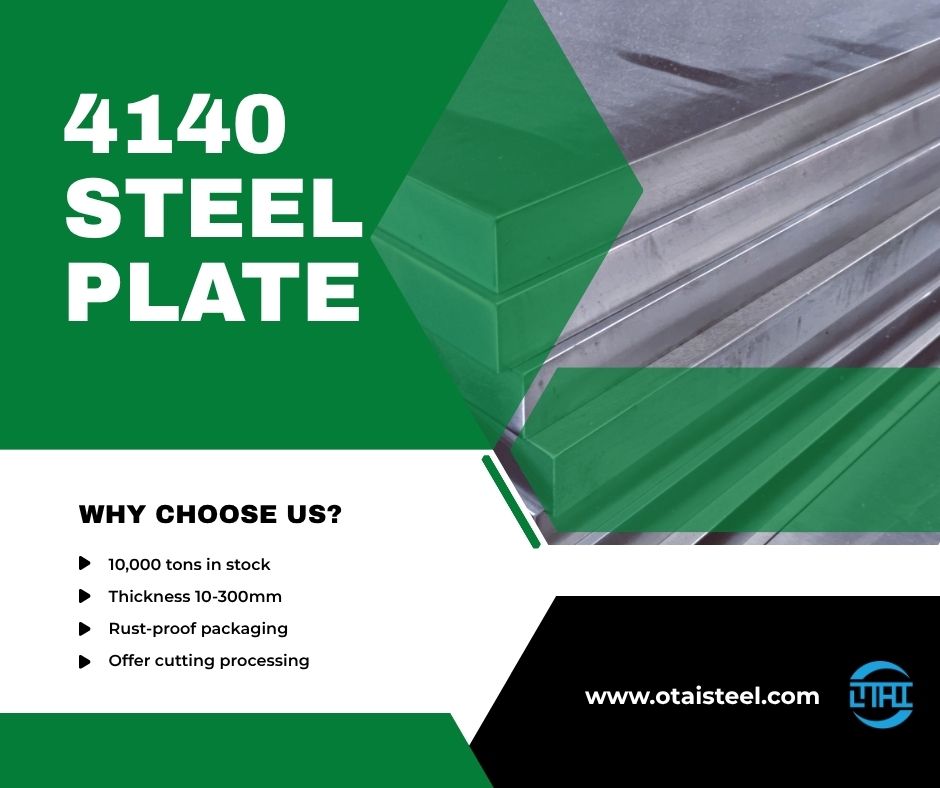
Steel 4140 Properties: Strength and Versatility in One Alloy

Steel 4140 Properties: Strength and Versatility in One AlloySteel 4140 Properties: Strength and Versatility in One Alloy

Steel 4140 is a high-quality chromium-molybdenum alloy steel widely used in industries requiring high strength, toughness, and versatility. Manufacturers use this steel in applications like automotive components, machinery, and tools. It offers impressive mechanical properties, making it a great choice for demanding environments.

In this article, we will examine the key properties of 4140 steel, its advantages, and its most common applications.


🧪 What is Steel 4140?

Steel 4140 is a medium-carbon alloy steel containing:

  • Carbon (C): 0.38% – 0.43%

  • Chromium (Cr): 0.80% – 1.10%

  • Molybdenum (Mo): 0.15% – 0.25%

These elements give 4140 steel excellent hardenability, strength, and resistance to wear. Typically, it undergoes quenching and tempering to optimize performance, especially for components exposed to high stress and heavy loads.


🧬 Key Properties of Steel 4140

Steel 4140 offers several key mechanical properties, which make it suitable for a wide range of demanding applications:

Property 4140 Steel
Tensile Strength 850 – 1,050 MPa (varies with heat treatment)
Yield Strength 655 – 850 MPa (varies with heat treatment)
Hardness 28 – 32 HRC (varies with heat treatment)
Impact Toughness High resistance to impact and shock loading
Machinability Good machinability in annealed condition
Weldability Fair to good (preheating may be necessary)

🏗️ Applications of Steel 4140

Thanks to its combination of strength, toughness, and wear resistance, 4140 steel plays a key role in various industries. Here are some of its most common uses:

1. Automotive Industry

Manufacturers rely on 4140 steel for automotive components like gears, crankshafts, axles, and spindles. These parts must withstand extreme stress and high impact, and 4140 steel delivers the necessary performance.

2. Machinery and Equipment

4140 steel excels in the manufacture of shafts, pins, gears, and bearings used in machinery and equipment. These parts face heavy mechanical forces and require materials with excellent impact resistance and wear resistance.

3. Tooling and Dies

Due to its hardness and strength, 4140 steel serves as an ideal material for making cutting tools, dies, and jigs. These tools face high abrasion and need to maintain their sharpness and durability over time.

4. Heavy Equipment and Construction

In the construction and heavy machinery sectors, 4140 steel proves essential for components like cranes, excavators, and drill rods. The material’s high strength and resilience ensure that these parts can endure challenging environments.


🔧 How is Steel 4140 Processed?

To achieve its desired mechanical properties, 4140 steel undergoes several processing techniques:

1. Heat Treatment

Manufacturers commonly heat treat 4140 steel to improve its hardness and strength. Quenching and tempering are the most common heat treatment methods used to enhance the material’s properties for high-stress applications.

2. Machining

4140 steel is easy to machine when in its annealed state. Milling, turning, and drilling are common machining processes. However, once heat-treated, it becomes harder and may require special tools to maintain efficiency during machining.

3. Welding

4140 steel is weldable, though it may require preheating for thicker sections to reduce the risk of cracking. Proper heat control is essential when welding 4140 steel to maintain its mechanical properties.


🛡️ Advantages of Steel 4140

1. High Strength and Toughness

The primary advantage of 4140 steel is its exceptional strength and toughness, making it ideal for components like gears, shafts, and spindles that must endure heavy mechanical stress.

2. Excellent Wear Resistance

The addition of chromium and molybdenum to 4140 steel provides excellent wear resistance. This makes it a preferred material for components exposed to constant abrasion and friction.

3. Versatility

4140 steel offers versatility in terms of strength, ductility, and hardness, allowing it to be used in a wide variety of applications, including automotive and heavy machinery industries.

4. Heat Treatable

The ability to heat treat 4140 steel gives manufacturers the flexibility to tailor its properties for specific needs, whether they need to enhance hardness or improve toughness.


💰 Cost of Steel 4140

While 4140 steel costs more than carbon steel, its superior strength, wear resistance, and versatility often make it a more cost-effective choice for demanding applications. For those in need of 4140 steel, Otai Special Steel offers high-quality material at competitive prices.


🏅 Why Choose Otai Special Steel for Your 4140 Steel Needs?

At Otai Special Steel, we offer a broad range of 4140 steel products, available in various sizes and thicknesses. Additionally, we provide custom cutting, heat treatment, and other specialized services to meet your needs.

Here are some reasons to choose Otai Special Steel:

Benefit Details
Extensive Inventory We keep a large stock of 4140 steel in a variety of sizes and thicknesses.
Custom Solutions We offer custom cutting, heat treatment, and tailored services.
Global Shipping We provide fast and reliable shipping worldwide.
Quality Assurance Our 4140 steel undergoes strict quality control to meet the highest standards.

FAQ: Frequently Asked Questions About Steel 4140

Q1: Is 4140 steel weldable?
A1: Yes, 4140 steel is weldable, though it requires preheating for thicker sections to prevent cracking.

Q2: How does 4140 steel compare to other alloy steels?
A2: 4140 steel offers better strength and wear resistance than many carbon steels, but it is less resistant to corrosion than stainless steel.

Q3: What heat treatment is ideal for 4140 steel?
A3: Quenching and tempering provide the best balance of strength and toughness for 4140 steel.

0 0 Continue Reading →

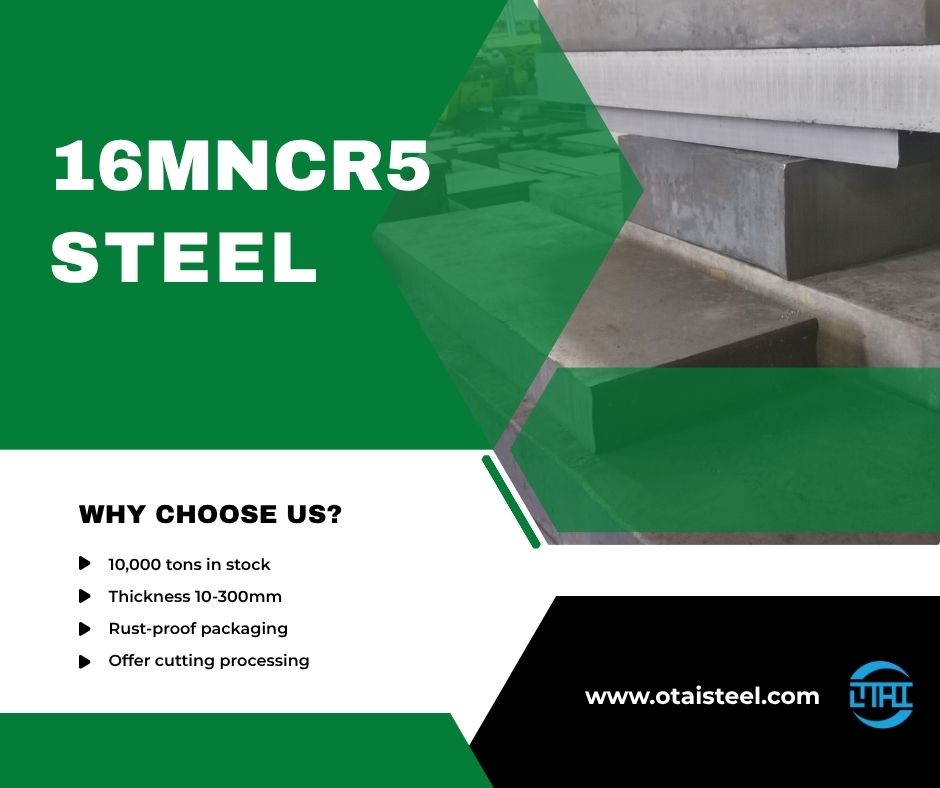
16MnCr5 Steel: Key Properties, Applications, and Benefits

16MnCr5 Steel: Key Properties, Applications, and Benefits16MnCr5 Steel: Key Properties, Applications, and Benefits

16MnCr5 steel is a low-alloy steel known for its strength, toughness, and hardenability. Manufacturers often use it in industries requiring high strength and wear resistance, such as automotive manufacturing and machinery production. This material excels in components like gears, shafts, and bearing parts.

In this article, we’ll explore the key properties, uses, and benefits of this versatile alloy steel.


🧪 What is 16MnCr5 Steel?

16MnCr5 is a carbon steel alloy containing:

  • Carbon (C): 0.14% – 0.19%

  • Manganese (Mn): 1.00% – 1.30%

  • Chromium (Cr): 0.80% – 1.10%

The chromium content enhances hardness and corrosion resistance, while manganese increases strength. Typically, this steel alloy undergoes quenching and tempering to achieve optimal mechanical properties, especially for high-stress applications.


🧬 Key Properties of 16MnCr5 Steel

This low-alloy steel offers several valuable properties that make it suitable for demanding industrial applications:

Property 16MnCr5 Alloy
Tensile Strength 800 – 1000 MPa (varies with heat treatment)
Yield Strength 500 – 600 MPa (varies with heat treatment)
Hardness 20 – 28 HRC (after heat treatment)
Impact Toughness High resistance to impact and fatigue
Machinability Good machinability in the annealed condition
Weldability Fair (preheating may be necessary for thicker sections)

🏗️ Applications of 16MnCr5 Alloy

Thanks to its strength, wear resistance, and toughness, this steel alloy is widely used across industries. Here are some of its most common applications:

1. Automotive Industry

Manufacturers use 16MnCr5 steel in automotive parts like gears, crankshafts, axles, and bearings. These components must withstand high stress and constant wear, making this alloy the ideal choice.

2. Machinery and Equipment

16MnCr5 alloy is also found in shafts, pinions, and gears used in heavy machinery. The material’s hardenability and resilience are crucial to maintaining the performance and reliability of these components over time.

3. Heavy Duty Components

For parts such as sprockets and gears that experience significant wear and fatigue, this alloy steel provides excellent resistance, ensuring a longer service life.

4. Tooling

Due to its ability to maintain hardness under high contact stress, 16MnCr5 is a go-to material for tools exposed to abrasion and heavy mechanical stress, such as cutting tools and dies.


🔧 How is 16MnCr5 Steel Processed?

16MnCr5 steel can undergo several processing techniques, including cutting, welding, and heat treatment, based on the desired properties for the application.

  • Cutting: This material is machinable using methods such as CNC milling, turning, and drilling. 16MnCr5 performs best in the annealed condition.

  • Heat Treatment: The steel undergoes quenching and tempering to achieve the required hardness and strength.

  • Welding: While this steel alloy is weldable, it requires preheating for thicker sections to prevent cracking.


🛡️ Advantages of Using 16MnCr5 Steel

1. High Strength and Durability

16MnCr5 provides excellent strength and resilience, making it perfect for components in automotive and machine manufacturing that are subjected to heavy loads and stresses.

2. Wear and Fatigue Resistance

The chromium content in this alloy boosts wear resistance, making it an ideal choice for parts that endure constant abrasion and friction.

3. Hardenability

Thanks to its hardenability, 16MnCr5 steel can be heat-treated to achieve the desired strength and toughness for specific applications.

4. Versatility

16MnCr5 offers great machinability, and manufacturers can easily cut, heat-treat, and weld it to suit various industrial needs.


💰 Cost of 16MnCr5 Steel

The cost of 16MnCr5 varies depending on factors like thickness, heat treatment, and quantity. While it is more expensive than carbon steel, the added benefits in terms of strength, wear resistance, and hardenability make it a more cost-effective option for high-performance components.

For competitive pricing and high-quality materials, Otai Special Steel provides 16MnCr5 steel at affordable rates with custom processing services.


🏅 Why Choose Otai Special Steel for Your 16MnCr5 Steel Needs?

At Otai Special Steel, we offer a comprehensive range of 16MnCr5 steel in various sizes and thicknesses. We also provide custom solutions, including cutting, heat treatment, and special packaging to meet your specific needs.

Here are some reasons to choose Otai Special Steel:

Benefit Details
Extensive Inventory We keep a broad stock of 16MnCr5 steel in various sizes and thicknesses.
Custom Solutions We provide custom cutting, heat treatment, and other tailored services.
Global Shipping We offer quick shipping worldwide.
Quality Assurance Our 16MnCr5 steel undergoes strict quality control to ensure high standards.

FAQ: Frequently Asked Questions About 16MnCr5 Steel

Q1: Is 16MnCr5 steel weldable?
A1: Yes, 16MnCr5 can be welded, but we recommend preheating for thicker sections to avoid cracking.

Q2: Is 16MnCr5 steel suitable for high-wear applications?
A2: Yes, 16MnCr5 has excellent wear resistance, making it ideal for components exposed to abrasion and friction.

Q3: What are the heat treatment methods for 16MnCr5 steel?
A3: The most common heat treatments are quenching and tempering, which increase hardness and strength.

0 0 Continue Reading →

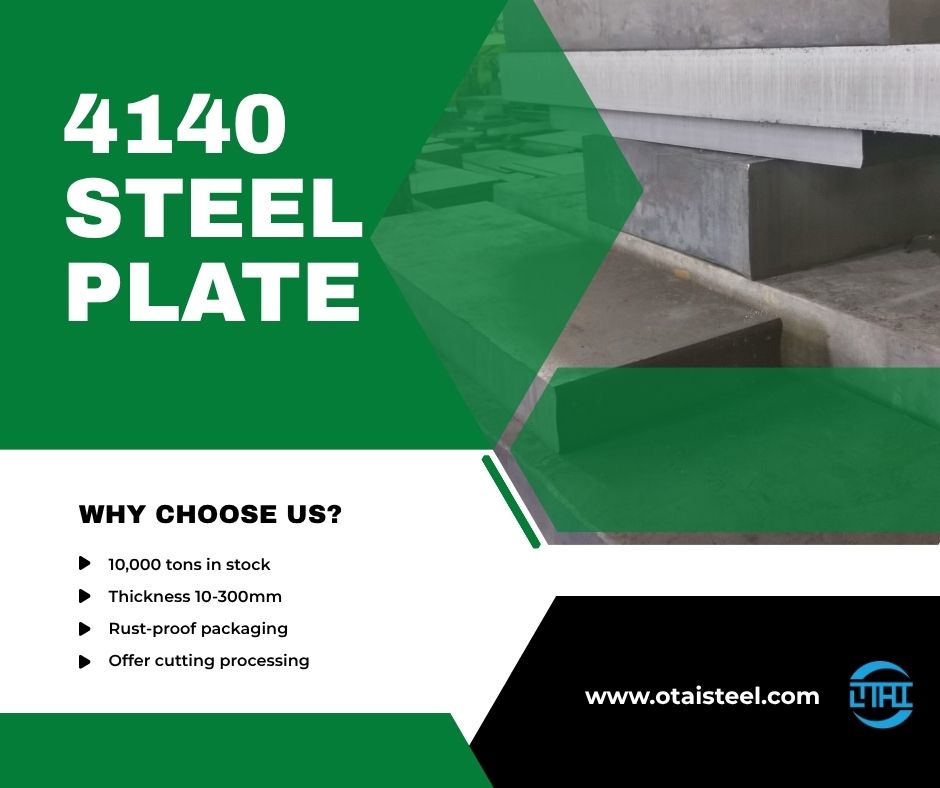
Tool Steel 4140 Plate: Key Properties, Applications, and Benefits

Tool Steel 4140 Plate: Key Properties, Applications, and Benefits

4140 tool steel plate stands as one of the most commonly used materials in industrial and manufacturing applications. This chromium-molybdenum alloy steel offers a unique combination of strength, toughness, and wear resistance, making it ideal for demanding tasks. Whether used for tool manufacturing, machinery components, or heavy-duty applications, 4140 steel plate delivers exceptional performance.

In this article, we will explore the key properties, uses, and advantages of 4140 tool plate and why it’s a popular choice across industries.


🧪 What is 4140 Tool Steel Plate?

4140 steel plate is an alloy steel that contains chromium (0.80% to 1.10%) and molybdenum (0.15% to 0.25%), elements that enhance its hardness, strength, and toughness. These properties make it perfect for high-stress applications where resistance to wear and fatigue are critical.

4140 steel comes in various conditions, including annealed, normalized, and quenched and tempered, depending on the required strength and hardness. The steel is typically available in thicknesses ranging from 1/4 inch to 6 inches.


🧬 Key Properties of 4140 Tool Steel Plate

4140 tool steel plate has several important properties that make it stand out in industrial applications. These include:

Property 4140 Tool Steel Plate
Tensile Strength 95,000 – 110,000 PSI
Yield Strength 60,000 – 80,000 PSI
Hardness 28-32 HRC (varies with heat treatment)
Impact Toughness High resistance to shock and vibration
Machinability Good (especially in the annealed state)
Weldability Fair (requires preheating for thick sections)

🏗️ Applications of 4140 Tool Steel

Due to its outstanding properties, 4140 steel plate finds widespread use in various industries. Here are the most common applications:

1. Automotive Industry

The automotive industry uses 4140 tool steel for high-strength components like crankshafts, axles, drive shafts, and gears. The steel’s wear resistance and toughness make it ideal for parts exposed to heavy loads and high stresses.

2. Heavy Machinery

4140 tool steel plate is essential in the manufacturing of heavy-duty machinery components, including presses, molds, dies, and forming tools. The plate’s ability to endure high pressure and harsh conditions makes it ideal for construction and mining machinery.

3. Tooling and Molding

In tool manufacturing, 4140 steel plate is highly regarded for molds and dies used in casting, plastic molding, and metalworking. The steel’s resistance to wear and ability to retain shape under pressure make it a top choice for tooling applications.

4. Oil and Gas Industry

In the oil and gas industry, 4140 steel plate plays a vital role in components like drill rods, couplings, and valves. The steel’s ability to handle extreme temperature and pressure conditions makes it the material of choice for these critical applications.


🔧 How is 4140 Steel Plate Processed?

4140 tool steel plate is a versatile material that can undergo various processing techniques, depending on the desired outcome.

  • Cutting: You can cut 4140 steel plate using methods like plasma cutting, water jet cutting, and laser cutting. For thicker plates, Oxy-fuel cutting works best.

  • Heat Treatment: To achieve the desired hardness and strength, 4140 tool steel undergoes processes such as tempering, quenching, and normalizing.

  • Machining: After heat treatment, 4140 tool steel plate is highly machinable. Operations such as milling, turning, and drilling are commonly used.

  • Welding: 4140 tool steel plate can be welded, though preheating is required for thicker sections to prevent cracking.


🛡️ Advantages of Using 4140 Tool Steel Plate

1. Strength and Toughness

4140 tool steel plate delivers exceptional strength and toughness, making it perfect for components that must endure heavy loads, impact, and fatigue. Whether used in machinery, automotive parts, or structural applications, this steel provides long-lasting durability.

2. Wear Resistance

The chromium and molybdenum content in 4140 enhances its resistance to wear and abrasion. This property is especially beneficial in tooling and high-wear applications, where parts are subjected to harsh conditions.

3. Heat Treatability

With excellent hardening properties, 4140 steel can be heat-treated to achieve precise strength and hardness for specific applications. This adaptability makes 4140 tool steel plate highly versatile.

4. Versatility

4140 tool steel plate is available in a variety of thicknesses and can be custom-cut, heat-treated, or machined to fit unique specifications. This flexibility makes it suitable for numerous industries.


💰 Cost of 4140 Tool Steel Plate

The cost of 4140 tool steel plate can fluctuate depending on factors like thickness, heat treatment, and quantity. Although 4140 steel is a cost-effective material for many applications, its price can vary based on market conditions, custom processing, and quality standards.

For competitive pricing and top-quality products, it’s best to contact suppliers like Otai Special Steel, who offer great value on 4140 tool steel plates.


🏅 Why Choose Otai Special Steel for Your 4140 Tool Steel Plate Needs?

At Otai Special Steel, we provide a wide range of 4140 tool steel plates, offering customization to meet your specific needs. Whether you require cutting services, heat treatment, or special packaging, we offer comprehensive solutions to suit all your 4140 steel requirements.

Here are some reasons to choose Otai Special Steel:

Benefit Details
Extensive Inventory We maintain a large stock of 4140 tool steel plates in various sizes and thicknesses.
Custom Solutions We provide custom cutting, heat treatment, and other tailored services.
Global Shipping We ship 4140 steel products worldwide with quick delivery.
Quality Assurance All of our 4140 steel undergoes stringent quality control to ensure top-quality standards.

FAQ

Q1: Can I weld 4140 steel plate?
A1: Yes, 4140 steel plate is weldable, though preheating is recommended for thicker sections to prevent cracking.

Q2: Is 4140 steel plate machinable?
A2: Yes, 4140 steel plate is highly machinable, especially in its annealed condition. It may require specialized tools if hardened.

Q3: What are the common heat treatment options for 4140 steel plate?
A3: 4140 steel plate is commonly heat-treated by quenching and tempering to achieve specific hardness and strength requirements.

0 0 Continue Reading →

Does 4140 Steel Rust?

Does 4140 Steel Rust?Does 4140 Steel Rust? Understanding Corrosion Resistance and Protection Methods

One of the most common questions people have when considering 4140 steel for their projects is whether it rusts. 4140 steel is a highly versatile alloy, renowned for its strength, toughness, and durability. But just like any other metal, it’s important to consider its corrosion resistance. In this article, we will explore whether 4140 steel rusts, factors that influence corrosion, and how to protect it from rusting.


🧪 What is 4140 Steel?

4140 steel is a chromium-molybdenum alloy steel that combines carbon, chromium, and molybdenum to enhance its mechanical properties, including strength, toughness, and wear resistance. These elements also give the steel improved hardening capabilities, making it ideal for applications that require high-performance parts like gears, axles, and tooling.

However, while 4140 steel is highly durable and resistant to wear, its corrosion resistance depends on various factors, including environmental conditions and surface treatments.


🔍 Does 4140 Steel Rust?

Yes, 4140 steel can rust if it is exposed to moisture, oxygen, and other corrosive elements for prolonged periods. Like many other steels, 4140 has the potential to corrode or develop rust when left unprotected in environments with high humidity or in contact with water.

The reason is simple: 4140 steel contains iron as its base metal. When iron comes into contact with water and oxygen, it undergoes an oxidation process, forming iron oxide or rust. However, the degree of rusting can vary depending on the alloy composition, surface treatment, and environmental conditions.


🧬 Factors Affecting the Rusting of 4140 Steel

While 4140 steel is known for its excellent strength and toughness, its corrosion resistance is not as high as that of stainless steel or other corrosion-resistant alloys. Here are some factors that influence how 4140 steel reacts to rust:

1. Environment

  • Moisture and humidity are the primary culprits in rust formation. If 4140 steel is exposed to rain, saltwater, or high humidity for long periods, the chances of rusting increase significantly.

  • Airborne chemicals or pollutants, such as sulfur or chlorides, can also speed up the oxidation process.

2. Surface Treatment

  • 4140 steel in its raw form has limited corrosion resistance. However, when heat-treated, tempered, or coated with protective layers, it can resist corrosion much better. Plating, galvanizing, or applying protective coatings like paint, oil, or rust inhibitors can dramatically reduce the likelihood of rust.

3. Alloy Composition

  • The alloying elements in 4140 steel, particularly chromium and molybdenum, offer some natural resistance to corrosion. While this doesn’t make it fully resistant to rust, it does make the steel more resilient in less extreme conditions compared to pure carbon steels.


🧰 How to Protect 4140 Steel from Rusting

Although 4140 steel is susceptible to rust, there are several ways to protect it from corrosion. Here are some effective methods to prevent rust on 4140 steel:

1. Apply Protective Coatings

One of the best ways to protect 4140 steel from rust is by applying protective coatings. Coatings such as:

  • Oil or grease: These form a protective layer over the steel, preventing moisture and oxygen from making contact with the metal.

  • Rust-resistant paint: This can be applied to 4140 steel to form a barrier against moisture.

  • Powder coating: A durable, rust-resistant finish that provides excellent protection for steel parts.

  • Plating: Zinc plating or chromium plating can create a protective layer that enhances corrosion resistance.

2. Galvanizing

Galvanizing is the process of applying a layer of zinc over the 4140 steel. Zinc forms a barrier that prevents moisture and other elements from coming into direct contact with the steel. This process dramatically increases the corrosion resistance of 4140 steel, especially in outdoor and marine environments.

3. Keep the Steel Dry

Keeping 4140 steel dry is a simple yet effective way to prevent rust. When moisture is trapped between steel surfaces or in areas with poor ventilation, it can speed up the rusting process. Regular cleaning and drying of exposed 4140 steel parts can help minimize this risk.

4. Use Rust Inhibitors

Rust inhibitors are chemicals that can be applied to the steel’s surface to prevent oxidation. These products form a protective layer on the metal, helping to prevent rust from forming. Rust inhibitors are commonly used in industries where steel parts are exposed to harsh environments, such as in construction, mining, or marine applications.


💡 Advantages of Protecting 4140 Steel from Rust

By taking steps to protect 4140 steel from rust, you can extend its service life and maintain its strength and durability. Here are some benefits of preventing rust on 4140 steel:

Benefit Details
Improved Longevity Proper protection prevents the steel from corroding, enhancing its lifespan.
Enhanced Performance Rusting can weaken the steel, so protecting it ensures it performs optimally under stress.
Cost-Effectiveness Preventing rust reduces maintenance and replacement costs, making 4140 steel more cost-effective.
Preservation of Aesthetic Quality For parts that require visual integrity, rust prevention helps maintain their appearance.

🏅 Why Choose Otai Special Steel for Your 4140 Steel Needs?

At Otai Special Steel, we provide high-quality 4140 steel that meets strict industry standards. We also offer various surface treatments such as plating, heat treatment, and coating services to help protect your 4140 steel products from rust and corrosion. Whether you need custom cutting, heat-treated steel, or special coatings, we can help you find the best solution for your needs.

Benefit Details
Extensive Stock We maintain a large inventory of 4140 steel plates, bars, and rods in various sizes.
Custom Solutions We offer custom cutting, heat treatment, and surface coatings to meet your specific requirements.
Global Shipping We deliver 4140 steel products worldwide with quick turnaround times.
Quality Assurance Our 4140 steel undergoes thorough testing to ensure compliance with international standards.

FAQ: Frequently Asked Questions About 4140 Steel and Rust

Q1: Does 4140 steel rust in marine environments?
A1: Yes, 4140 steel can rust in marine environments due to the high moisture and salt content in the air. However, you can significantly reduce this risk by applying protective coatings or galvanizing the steel.

Q2: Is there a way to prevent rust on 4140 steel in outdoor applications?
A2: Yes, applying protective coatings, using rust inhibitors, and keeping the steel dry can help prevent rusting when 4140 steel is used outdoors.

Q3: How long does 4140 steel last before it starts to rust?
A3: The time it takes for 4140 steel to rust depends on the environmental conditions. In dry, indoor conditions, it may last many years without rusting. However, exposure to moisture, humidity, or salty air can cause rust to form relatively quickly.

0 0 Continue Reading →

Does 4140 Come in Plate?

Does 4140 Come in Plate?

When selecting materials for high-stress applications, one of the common questions is, “Does 4140 come in plate?” The answer is yes! 4140 steel is available in multiple forms, including plates, bars, rods, and tubes, offering versatility for various industries. This article will discuss 4140 steel plate, its properties, uses, and how it benefits different applications.


🧪 What is 4140 Steel?

4140 steel is a chromium-molybdenum alloy steel recognized for its excellent strength, toughness, and wear resistance. The steel’s composition includes carbon (0.38% to 0.43%), chromium (0.80% to 1.10%), and molybdenum (0.15% to 0.25%), which work together to improve its mechanical properties. You can find 4140 steel in various forms like plates, bars, rods, and tubes, and manufacturers often use it in making gears, shafts, axles, and tooling.


🔍 Does 4140 Come in Plate?

Yes, 4140 steel is available in plate form, and it is one of the most popular forms for industrial applications. 4140 steel plate typically comes in thicknesses ranging from 1/4 inch to 6 inches, and you can also customize it to suit specific project needs.

Manufacturers often heat-treat or anneal 4140 steel plate to enhance its mechanical properties. This makes it ideal for high-stress components, heavy-duty equipment, and tool manufacturing.


🏗️ Common Applications of 4140 Steel Plate

4140 steel plate has a wide range of applications due to its strength, toughness, and wear resistance. Let’s take a look at the most common uses:

1. Automotive Industry

4140 steel plate is commonly used for manufacturing crankshafts, axles, drive shafts, and gears. Its high impact resistance and strength make it an ideal choice for performance parts in production vehicles and racing vehicles.

2. Aerospace Industry

The aerospace sector uses 4140 steel plate for parts like landing gear, aircraft structural components, and engine components. The material’s strength-to-weight ratio makes it ideal for lightweight yet durable parts.

3. Heavy Equipment

For heavy machinery such as excavators, presses, and machines, 4140 steel plate provides strength and resilience. Manufacturers use it to create parts that can endure harsh conditions, like molds, dies, and press plates.

4. Tool Manufacturing

Thanks to its wear resistance and machinability, 4140 steel plate is an excellent choice for producing molds, dies, and cutting tools. Industries like metalworking, plastic molding, and casting commonly use it.

5. Oil & Gas Industry

4140 steel plate serves as an essential material in the oil and gas industry, where it is used in drill rods, couplings, and valves. Its ability to withstand high pressure and extreme temperatures makes it perfect for these critical applications.


🧬 Properties of 4140 Steel Plate

4140 steel plate offers several key properties that make it stand out in various applications. Here are some of its essential properties:

Property 4140 Steel Plate
Tensile Strength 95,000 – 110,000 PSI
Hardness 28-32 HRC (can increase with heat treatment)
Yield Strength 60,000 – 80,000 PSI
Elongation 20% (in 8 inches)
Machinability Good (after heat treatment)
Weldability Fair (requires preheating for thick sections)

🔧 How is 4140 Steel Plate Processed?

You can process 4140 steel using standard machining techniques, but the plate may require specific tools, especially when hardened or heat-treated. Some common processing methods include:

  • Cutting: You can cut 4140 steel using plasma cutting, water jet cutting, or laser cutting.

  • Heat Treatment: 4140 steel often undergoes heat treatment (annealing, normalizing, or quenching) to enhance its hardness and strength.

  • Drilling & Milling: Machinists can drill, mill, and turn 4140 using conventional machining methods.

  • Welding: Welding 4140 steel is possible, but it may require preheating, especially for thick sections.


💰 Cost of 4140 Steel Plate

The cost of 4140 steel plate depends on several factors, including thickness, quantity, and any special processing requirements. While 4140 steel plate is highly durable and cost-effective, pricing can vary based on customization.

To determine an accurate price for 4140 steel plate, provide specifications such as:

  • Plate thickness

  • Desired hardness or heat treatment

  • Quantity needed

  • Custom cutting or processing services

You can obtain competitive pricing by contacting a trusted steel supplier for 4140 steel plate based on your project’s needs.


🏅 Why Choose Otai Special Steel for Your 4140 Steel Plate Needs?

At Otai Special Steel, we offer high-quality 4140 steel plates in various sizes and thicknesses. Whether you need annealed, normalized, or quenched plates, we can customize the product to meet your specific needs. We also provide custom cutting, heat treatment, and packaging services, along with global shipping to ensure fast delivery.

Here are a few reasons why you should choose Otai Special Steel:

Benefit Details
Extensive Inventory We keep a large stock of 4140 steel plates in various sizes and thicknesses.
Custom Solutions We offer custom cutting and heat treatment services to fit your requirements.
Global Shipping We ensure timely delivery of 4140 steel plates worldwide.
Quality Assurance Our 4140 steel undergoes strict testing to meet industry standards.

FAQ

Q1: Does 4140 steel come in different grades?
A1: Yes, 4140 steel is available in different grades, such as 4140 annealed, 4140 normalized, and 4140 quenched and tempered, depending on the strength and hardness required for your project.

Q2: Can I machine 4140 steel plate easily?
A2: 4140 steel plate is machinable, especially in its annealed condition. However, if it’s heat-treated, it may require more specialized tools.

Q3: How does 4140 compare to other alloy steels?
A3: 4140 steel plate offers a great balance of strength, toughness, and wear resistance at a lower cost compared to other alloy steels like 4340 or 1045.

0 0 Continue Reading →

4140 vs Grade 8: A Comparison of Strength and Applications

4140 vs Grade 8: A Comparison of Strength and Applications4140 vs Grade 8: A Comparison of Strength and Applications

When selecting materials for high-stress applications, 4140 steel and Grade 8 bolts often come up. Although used for different purposes, both materials offer superior strength and reliability in demanding environments. This article compares 4140 steel and Grade 8 bolts, highlighting their properties, advantages, and suitable applications.


🔍 What is 4140 Steel?

4140 steel is a versatile chromium-molybdenum alloy steel commonly used in industries that demand high strength, toughness, and wear resistance. Its composition includes carbon (0.38% to 0.43%), chromium (0.80% to 1.10%), and molybdenum (0.15% to 0.25%), which gives the material excellent mechanical properties. 4140 steel comes in various forms, such as plates, bars, rods, and tubes, and is used in applications like gears, shafts, and crankshafts.


🏗️ What is Grade 8?

Grade 8 refers to a high-strength bolt made from medium-carbon steel. The steel undergoes heat treatment to improve its tensile strength and mechanical properties. Grade 8 bolts are essential in applications requiring high strength, such as in automotive, construction, and industrial machinery. They feature a tensile strength of over 150,000 PSI and are marked with six radial lines to indicate their strength rating.


🧬 Key Properties Comparison: 4140 Steel vs Grade 8

1. Strength and Hardness

  • 4140 Steel: 4140 steel offers a tensile strength between 95,000 PSI and 110,000 PSI. It is designed to handle high stress, providing high hardness and toughness. After heat treatment, 4140 steel can achieve a Rockwell hardness of 28-32 HRC.

  • Grade 8 Bolts: Grade 8 bolts have a tensile strength of 150,000 PSI, significantly stronger than standard bolts. Their hardness ranges between 33-39 HRC, making them suitable for high-stress applications like automotive and construction.

Property 4140 Steel Grade 8 Bolt
Tensile Strength 95,000 – 110,000 PSI 150,000 PSI
Hardness 28-32 HRC 33-39 HRC
Applications Gears, shafts, crankshafts Automotive, heavy machinery

2. Durability and Wear Resistance

  • 4140 Steel: With its chromium and molybdenum content, 4140 steel offers excellent wear resistance. It can withstand abrasion, fatigue, and extreme mechanical stress, making it ideal for components exposed to constant friction and impact.

  • Grade 8 Bolts: Grade 8 bolts are highly durable and perform well in high-stress environments. However, they generally lack the same wear resistance as 4140 steel. They can maintain their strength over time if installed correctly but are more prone to fatigue under repeated stress.


3. Toughness and Impact Resistance

  • 4140 Steel: Known for its toughness, 4140 steel can absorb impacts and resist cracking under dynamic loads. It is ideal for parts that experience sudden shocks, such as tooling and heavy-duty industrial components.

  • Grade 8 Bolts: Grade 8 bolts also exhibit impact resistance, but they are more susceptible to fatigue failure if exposed to repeated shock loads. While they perform well in static or continuous loading, they may not be the best choice for components subject to extreme impact forces.


4. Machinability and Fabrication

  • 4140 Steel: 4140 steel is relatively machinable in the annealed state, although its hardness can make it challenging to process when hardened. With the right equipment, it can be easily machined into custom components for various applications.

  • Grade 8 Bolts: Grade 8 bolts are usually pre-formed and require no machining in most cases. However, they need proper torqueing during installation to reach their full strength.


🏅 Applications: 4140 Steel vs Grade 8

Applications of 4140 Steel

  • Automotive: Ideal for crankshafts, gears, and suspension parts.

  • Aerospace: Used for landing gear, aircraft parts, and engine components.

  • Tool Making: Suitable for dies, molds, and cutting tools.

  • Oil and Gas: Common in valves, drill rods, and couplings.

  • Heavy Equipment: Used for machine parts, excavators, and presses.

Applications of Grade 8 Bolts

  • Automotive: Common in engine components, suspension systems, and brake systems.

  • Construction: Used for structural components in bridges, highways, and cranes.

  • Industrial Machinery: Critical for presses, heavy-duty equipment, and machines.

  • Agriculture: Found in tractors, harvesters, and other high-strength machinery.


⚙️ Why Choose 4140 Steel or Grade 8 Bolts?

Deciding between 4140 steel and Grade 8 bolts depends on the specific requirements of your project. Here’s a guide on when to use each material:

Factor Choose 4140 Steel Choose Grade 8 Bolts
High Wear Resistance For components that face friction or wear. For high-strength fastening applications.
Strength & Toughness For components that experience heavy-duty mechanical stress. For fastening where high tensile strength is essential.
Machining Flexibility For custom parts that require machining. For parts that require no additional machining.

🌍 Why Choose Otai Special Steel for 4140 Steel?

At Otai Special Steel, we supply top-quality 4140 steel products, including plates, bars, and rods. We offer customized cutting, heat treatment, and packaging services to meet your exact specifications, along with global shipping for timely delivery. Here’s why you should choose us:

Benefit Details
Large Inventory We maintain a large stock of 4140 steel and other alloys to meet your material needs.
Customized Solutions We provide customized cutting and heat treatment services tailored to your project.
Global Delivery We offer worldwide shipping to ensure fast and reliable delivery.
Quality Assurance Our 4140 steel undergoes rigorous testing for quality assurance, meeting all industry standards.

FAQ: Frequently Asked Questions About 4140 Steel and Grade 8 Bolts

Q1: Can I use 4140 steel for the same applications as Grade 8 bolts?
A1: 4140 steel and Grade 8 bolts serve different purposes. 4140 steel is ideal for manufacturing structural components, while Grade 8 bolts are used for securing parts in high-stress environments.

Q2: Which is more cost-effective: 4140 steel or Grade 8 bolts?
A2: The choice depends on your application. Grade 8 bolts are generally more cost-effective for fastening. However, if your project requires high-strength components, 4140 steel may be the better option.

Q3: What are the advantages of using 4140 steel over Grade 8 bolts in heavy machinery?
A3: 4140 steel offers superior toughness, abrasion resistance, and strength, making it ideal for parts that endure extreme mechanical stress. Grade 8 bolts are better for fastening but may not perform as well in high-wear or high-stress applications.

0 0 Continue Reading →

Alloy 4140 Composition: The Perfect Blend for Strength and Toughness

Alloy 4140 Composition: The Perfect Blend for Strength and ToughnessAlloy 4140 Composition: The Perfect Blend for Strength and Toughness

Alloy 4140 is a widely used chromium-molybdenum alloy steel known for its excellent strength, toughness, and wear resistance. Its chemical composition plays a significant role in determining its performance, making it an ideal choice for a variety of demanding applications, including automotive, construction, aerospace, and tool making. In this article, we will explore the composition of 4140 alloy steel, why each component is important, and how these elements contribute to its overall properties.


🧪 What is Alloy 4140?

Alloy 4140 is a medium-carbon alloy steel containing chromium (Cr) and molybdenum (Mo) as its primary alloying elements. This combination provides excellent hardness, strength, and toughness, making it suitable for applications that require high performance under stress and extreme conditions. It is commonly found in gears, shafts, crankshafts, machine parts, and aerospace components.

The composition of 4140 alloy steel can vary slightly depending on the manufacturer and specific requirements, but it generally follows the basic guidelines established by standards such as AISI, SAE, and ASTM.


🧬 Chemical Composition of Alloy 4140

Here’s a breakdown of the primary elements in the composition of alloy 4140:

Element Content (%)
Carbon (C) 0.38 – 0.43
Chromium (Cr) 0.80 – 1.10
Molybdenum (Mo) 0.15 – 0.25
Manganese (Mn) 0.60 – 0.90
Silicon (Si) 0.20 – 0.35
Phosphorus (P) 0.035 max
Sulfur (S) 0.040 max
Iron (Fe) Balance

🔬 Key Elements in 4140 Alloy Steel Composition

Let’s dive deeper into the role each element plays in the 4140 alloy steel composition:

1. Carbon (C) – The Strength Provider

The carbon content in 4140 alloy ranges between 0.38% and 0.43%, making it a medium-carbon steel. Carbon is the primary element that influences the hardness and strength of the steel. Higher carbon content increases the hardness and tensile strength of the material. In 4140, the carbon provides a good balance between strength, ductility, and toughness, making it ideal for structural and high-stress applications.

  • Effect on Properties: Increased carbon content increases hardness and wear resistance but may reduce ductility.

2. Chromium (Cr) – The Toughness Enhancer

Chromium is a key alloying element in 4140 steel, typically present in the range of 0.80% to 1.10%. It improves the hardness, corrosion resistance, and toughness of the steel. Chromium also increases wear resistance, making 4140 alloy steel ideal for components exposed to high mechanical stress and abrasion.

  • Effect on Properties: Chromium adds resistance to wear and corrosion, making 4140 steel durable in harsh environments.

3. Molybdenum (Mo) – The Heat Resistance Contributor

Molybdenum is another important alloying element in 4140, with a typical content between 0.15% and 0.25%. It increases the steel’s ability to withstand high temperatures without losing its hardness. It also enhances the steel’s hardening depth and improves its strength and resistance to creep under high-stress conditions.

  • Effect on Properties: Molybdenum improves high-temperature performance, toughness, and resistance to wear.

4. Manganese (Mn) – The Hardenability Enhancer

Manganese is commonly present in 4140 steel in the range of 0.60% to 0.90%. It is an essential element that improves hardenability, meaning it helps the steel achieve uniform hardness throughout after heat treatment. It also plays a role in improving the strength and toughness of the steel.

  • Effect on Properties: Manganese boosts hardness, strength, and toughness, while also enhancing the hardenability of the steel.

5. Silicon (Si) – The Deoxidizer and Strengthener

Silicon is present in small quantities in 4140 steel, typically between 0.20% and 0.35%. It is used mainly as a deoxidizer during steel production to remove oxygen and prevent the formation of unwanted inclusions. Additionally, it helps to increase the strength and elasticity of the steel.

  • Effect on Properties: Silicon increases strength and elasticity, as well as helps remove oxygen during steelmaking.

6. Phosphorus (P) and Sulfur (S) – The Unwanted Impurities

Phosphorus and sulfur are considered impurities in steel that can negatively affect its properties. These elements are kept at low levels in 4140 alloy steel (phosphorus at 0.035% max and sulfur at 0.040% max) to avoid brittleness and reduce weldability. Excessive amounts of these elements can lead to poor toughness and fatigue resistance.

  • Effect on Properties: Phosphorus and sulfur reduce toughness, weldability, and fatigue resistance.

7. Iron (Fe) – The Base Element

Iron is the main constituent of 4140 alloy steel, and it makes up the majority of the composition. It gives the steel its overall formability and strength, acting as the base material to which other elements are added for specific enhancements.

  • Effect on Properties: Iron forms the foundation of 4140 steel, providing strength and formability.


🏗️ Applications of 4140 Alloy Steel

Thanks to its unique composition, 4140 alloy steel is used in a wide variety of high-performance applications. Here are some of its most common uses:

  • Automotive Industry: Manufacturing of gears, shafts, crankshafts, and suspension parts that require high strength and toughness.

  • Oil & Gas: Components such as drill rods, couplings, and valves that endure harsh environments and extreme stress.

  • Construction: Used in the fabrication of structural components, machine parts, and tools that require high durability.

  • Aerospace: Components like engine parts and landing gear that require strength, resilience, and temperature resistance.

  • Tool Making: Dies, molds, and cutting tools benefit from the wear resistance and strength of 4140 alloy steel.


⚙️ Why Choose Otai Special Steel for Your 4140 Alloy Steel Needs?

At Otai Special Steel, we offer top-quality 4140 alloy steel with various value-added services, including cutting, heat treatment, and global shipping. Whether you’re looking for 4140 alloy steel plate, bar stock, or customized parts, we can supply materials that meet your exact specifications. Here’s why you should choose us:

Benefit Details
Extensive Inventory We carry a large selection of 4140 alloy steel in various sizes and forms to suit your project needs.
Customized Solutions We offer customized cutting, heat treatment, and packaging to meet your exact specifications.
Global Shipping We provide global delivery for all 4140 alloy steel orders, ensuring timely service regardless of location.
Quality Assurance Our 4140 alloy steel is tested for quality and conforms to the highest standards in the industry.

FAQ: Frequently Asked Questions About 4140 Alloy Steel Composition

Q1: What is the main alloying element in 4140 steel?
A1: The primary alloying elements in 4140 steel are chromium (Cr) and molybdenum (Mo). These elements provide the steel with enhanced strength, toughness, and wear resistance.

Q2: How does carbon content affect the properties of 4140 steel?
A2: The carbon content in 4140 steel (ranging from 0.38% to 0.43%) gives the material its hardness and strength. Higher carbon content results in increased hardness, but it can reduce ductility.

Q3: Is 4140 steel heat-treatable?
A3: Yes, 4140 steel can be heat treated to achieve higher hardness and strength, making it highly customizable for various applications.

0 0 Continue Reading →

4140 Prehard Plate: A Versatile Solution for High-Performance Applications

4140 Prehard Plate: A Versatile Solution for High-Performance Applications

4140 prehard plate is a popular material known for its excellent strength, toughness, and wear resistance. As a chromium-molybdenum alloy, it’s a go-to choice for industries that require high-performance components, including automotive, construction, aerospace, and tool making. Unlike standard 4140 steel, which often requires heat treatment to achieve desired hardness, 4140 plate comes pre-hardened, making it ready to use in demanding applications.

In this article, we’ll dive into the unique advantages of 4140 prehard plate, its applications, and how it compares to regular 4140 steel plate. Whether you’re sourcing steel for a custom project or planning a large-scale manufacturing run, understanding the characteristics of 4140 prehard plate can help you make more informed decisions.


🛠️ What is 4140 Prehard Plate?

4140 prehard plate is a type of alloy steel that has undergone pre-hardening before reaching the customer. This means that the plate is heat-treated to a hardness level of approximately 28-32 HRC (Rockwell hardness), making it more suitable for applications that require strength and wear resistance but don’t need the extreme hardness achieved through final heat treatment. The pre-hardening process enhances the toughness of the material while keeping it easier to machine and form.

The alloy composition of 4140 prehard plate includes 0.40% carbon, 1.0% chromium, and 0.20% molybdenum, which gives it excellent strength and durability.

Property 4140 Prehard Plate
Carbon Content 0.40%
Chromium Content 1.0%
Molybdenum Content 0.20%
Hardness 28-32 HRC
Tensile Strength 95,000 PSI
Yield Strength 75,000 PSI

🔍 Advantages of 4140 Prehard Plate

1. Ready to Use: No Further Heat Treatment Required

One of the key advantages of 4140 prehard plate is that it eliminates the need for additional heat treatment, saving both time and money in the manufacturing process. You can use the material straight from the supplier without worrying about additional processing steps. This is especially beneficial in high-volume production environments where turnaround time is critical.

2. Excellent Strength and Toughness

The material combines high strength with toughness, making it ideal for applications where both durability and impact resistance are essential. 4140 prehard plate offers a great balance of strength, wear resistance, and ductility, which means it can withstand significant loads and mechanical stresses.

3. Easy to Machine and Fabricate

Even though 4140 prehard plate is pre-hardened, it is still relatively easy to machine compared to fully hardened steels. Its hardness falls within a range that allows for effective machining, cutting, and forming without excessive tool wear. This makes it suitable for custom fabrications and quick turnarounds on projects.

4. Cost-Effective

Pre-hardening 4140 steel plates is a cost-effective way to achieve a high-performance material without the expense of additional heat treatment steps. This can significantly lower the overall production costs, especially for large-scale or repetitive applications.


🏗️ Applications of 4140 Plate

4140 plate is widely used in various industries for components that demand durability and strength. Below are some common applications:

1. Automotive Industry

In the automotive sector, 4140 prehard plate is used for manufacturing gears, shafts, crankshafts, suspension components, and brackets. The material’s combination of strength and toughness makes it suitable for high-stress, high-impact components that need to resist wear and fatigue over time.

2. Oil and Gas Industry

For the oil and gas industry, 4140 prehard plate is often used in drill rods, couplings, valves, and other critical components exposed to extreme wear and harsh environments. Its ability to handle high stress and resist corrosion in some cases makes it perfect for this demanding industry.

3. Heavy Equipment Manufacturing

Heavy-duty machines like cranes, excavators, and presses require 4140 prehard plates for critical components like gears, pins, and shafts. The material’s pre-hardened state helps manufacturers avoid additional processing time while ensuring components remain durable under heavy loads.

4. Tool Making

In tool making, 4140 prehard plate is often used for making dies, molds, cutting tools, and other applications where strength, impact resistance, and wear resistance are crucial.

5. Aerospace Industry

Due to its strength-to-weight ratio, 4140 prehard plate is also used in the aerospace industry for parts like landing gear components, aircraft structural components, and high-stress engine parts.


⚙️ 4140 Prehard Plate vs. Regular 4140 Steel Plate

Property 4140 Prehard Plate 4140 Steel Plate (Untreated)
Hardness 28-32 HRC Typically lower (varies by treatment)
Machining Ease Easier to machine Can be difficult to machine (requires heat treatment)
Applications Ready-to-use for high-performance parts Requires additional processing steps
Cost More cost-effective (pre-hardened) Higher due to additional heat treatment costs
Strength High strength and toughness Similar strength after heat treatment

The primary difference is that 4140 prehard plate comes pre-hardened and ready for use, while 4140 steel plate requires heat treatment for achieving the desired hardness and properties. 4140 prehard plate is ideal for industries that need quick delivery without compromising strength and durability.


🌍 Why Choose Otai Special Steel for Your 4140 Plate?

At Otai Special Steel, we provide top-quality 4140 prehard plates in various sizes and thicknesses, with customized cutting and heat treatment options. Our extensive stock ensures that you receive the highest quality material in a timely manner, with comprehensive documentation, including material certifications and chemical composition reports. Here’s why you should choose us:

Benefit Details
Large Inventory We carry a wide range of 4140 prehard plates in different thicknesses, ensuring we meet your project needs.
Customized Solutions We offer customized cutting, heat treatment, and packaging to meet specific application requirements.
Global Delivery We ship 4140 prehard plates globally, ensuring quick delivery to your location.
Quality Assurance We provide full quality certifications and guarantee the consistency of our 4140 prehard plates through rigorous testing.

FAQ

Q1: Can I use 4140 prehard plate without heat treating it further?
A1: Yes,  it’s ready to use right away in most applications. If your project requires higher hardness, additional heat treatment can be applied.

Q2: How does 4140 prehard plate compare to regular 4140 steel plate?
A2: 4140 prehard plate is pre-hardened and ready for use, while regular 4140 steel plate requires heat treatment to achieve the desired hardness and properties. 4140 prehard plate offers ease of use and quicker turnaround for projects.

Q3: What industries commonly use 4140 prehard plate?
A3: 4140 prehard plate is widely used in industries such as automotive, oil and gas, tool making, heavy equipment manufacturing, and aerospace, where high-strength components are required.

0 0 Continue Reading →


Recent Comments by Jack Otai