Skip to Content

Category Archives: Blog

4140 Steel McMaster – Availability, Grades, and Practical Selection Tips

4140 Steel McMaster – Availability, Grades, and Practical Selection Tips4140 Steel McMaster – Availability, Grades, and Practical Selection Tips

When engineers and buyers search for reliable sources of alloy steel, 4140 steel McMaster products often appear as a popular option. McMaster-Carr lists many 4140 variants in different shapes, sizes, and hardness levels. Understanding how 4140 steel performs helps you choose the right specification from McMaster or from professional steel suppliers.


🔎 What does “4140 Steel McMaster” refer to?

The term 4140 steel McMaster mainly refers to AISI 4140 chromium-molybdenum alloy steel products available on the McMaster-Carr platform. Designers normally look for:

  • pre-hardened 4140

  • annealed 4140

  • quenched-and-tempered 4140

  • 4140 shafts, plates, and round bars

McMaster focuses on convenience and small-batch availability, while industrial mills supply large-volume stock.


🧪 Chemical composition of 4140 steel

The composition defines how 4140 steel McMaster behaves in service.

Element Typical Range (%) Function
Carbon 0.38–0.43 Raises strength and hardness
Chromium 0.80–1.10 Improves wear and corrosion resistance
Molybdenum 0.15–0.25 Enhances toughness and high-temperature strength
Manganese 0.75–1.00 Supports hardenability
Silicon 0.15–0.35 Adds strength and shock resistance

This alloy design gives 4140 a strong balance of hardness, toughness, and fatigue resistance.


⚙️ Mechanical properties of 4140 steel

Typical mechanical ranges for the material associated with 4140 steel McMaster include:

Condition Tensile Strength (MPa) Yield Strength (MPa) Hardness
Annealed ~655 ~415 18–22 HRC
Normalized ~965 ~655 28–32 HRC
Quenched & Tempered 1240–1600 1080–1300 28–55 HRC

These values explain why engineers frequently select 4140 for high-load parts.


🛠️ What forms of 4140 steel does McMaster commonly supply?

When people mention 4140 steel McMaster, they usually mean:

  • 4140 round bar

  • 4140 precision ground shaft

  • 4140 pre-hardened plate

  • 4140 threaded rod

  • 4140 tubing in some sizes

Shops use these products for maintenance, repair, prototyping, and small-lot production.

Large-volume manufacturers often move to specialized steel suppliers like Otai Special Steel to reduce cost and expand size range.


🧭 Applications of 4140 steel

Whether sourced from McMaster or mill suppliers, 4140 steel supports critical engineering parts, including:

  • gears and gear shafts

  • hydraulic cylinder rods

  • crankshafts and connecting rods

  • tooling holders and fixtures

  • down-hole oilfield equipment

  • heavy-duty fasteners

The alloy handles shock, torsion, and cyclic stress effectively.


🔥 Heat treatment options for 4140 steel

Engineers select different conditions of 4140 steel McMaster depending on job requirements:

  • annealed → easier machining

  • pre-hardened → ready for tooling components

  • quenched & tempered → high strength plus toughness

  • nitrided → wear-resistant surface with tough core

Heat treatment flexibility is one key reason for 4140’s popularity.


✂️ Machinability and weldability

4140 machines well in its annealed state. Harder conditions need rigid setups and carbide cutting tools.

Welding is possible with:

  • preheating

  • low-hydrogen electrodes

  • stress relief afterward

Good practice prevents cracking in thick sections.


💰 Is 4140 steel from McMaster expensive?

The phrase “4140 steel McMaster” often links to cost discussion. McMaster prioritizes:

  • fast delivery

  • wide availability

  • small quantity options

Therefore, its pricing often runs higher than mill-direct suppliers. For bulk orders, buyers usually choose professional steel service centers.


🏢 Company Advantages – Otai Special Steel

If you need a 4140 steel alternative to McMaster for larger quantities, we support you with:

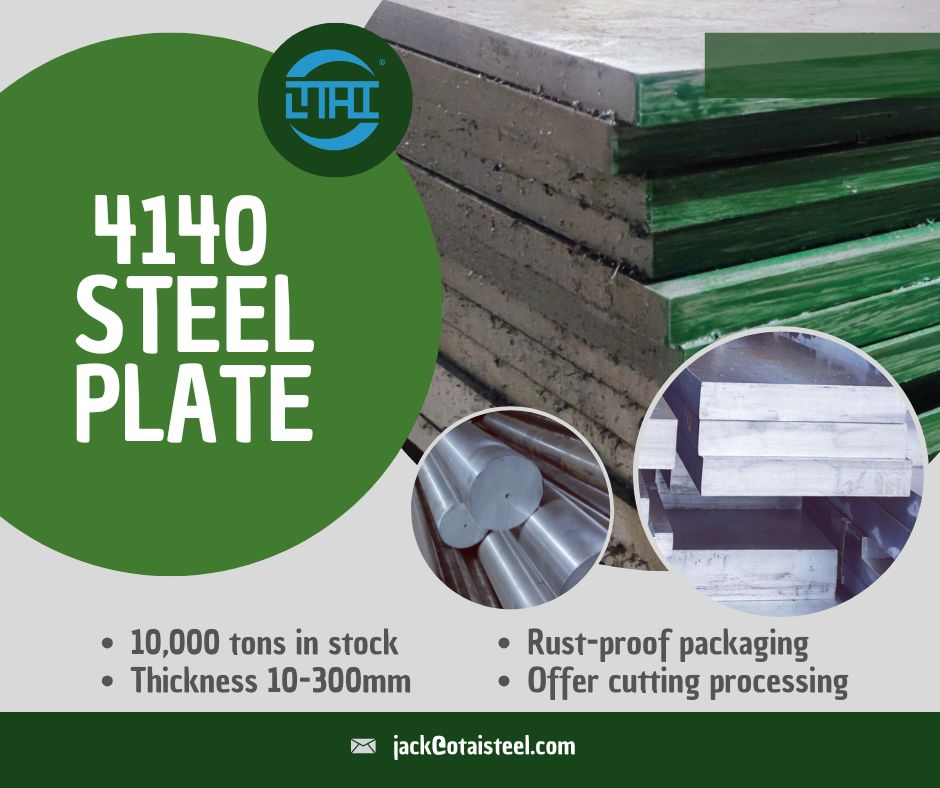
  • more than 10,000 tons of 4140 stock

  • bars, plates, blocks, tubes, and pre-hardened material

  • precision cutting and custom heat treating

  • ultrasonic testing and chemical composition reports

  • export packing and SGS inspection service

You get both engineering support and competitive pricing.


❓ FAQ – 4140 Steel McMaster

Q1: Is 4140 steel the same regardless of supplier?
No. Chemistry tolerance, cleanliness, and heat-treat condition may vary among suppliers.

Q2: Is McMaster 4140 pre-hardened?
Some grades come pre-hardened, others annealed. Always check the condition listed.

Q3: Can I machine McMaster 4140 directly?
Yes. Annealed grades machine easily. Harder grades need carbide tooling.

Q4: Is 4140 stronger than mild steel?
Yes. It delivers far higher strength and fatigue resistance than typical carbon steels such as 1018 or 1045.

Q5: Where can I buy larger quantities than McMaster offers?
You can source directly from Otai Special Steel for mill size and customer-specific processing.
0 0 Continue Reading →

16MnCr5 vs 4140 – Choosing the Right Steel

16MnCr5 vs 4140 – Choosing the Right Steel16MnCr5 vs 4140 – Choosing the Right Steel for Performance and Longevity

When engineers compare 16MnCr5 vs 4140, they usually look for a material that delivers the right balance of strength, wear resistance, hardenability, and cost. Both steels perform strongly in power-transmission components, gears, shafts, and high-stress parts, yet they differ in composition, behavior during heat treatment, and ideal application scenarios. In this article, I compare them in detail, focusing on 16MnCr5 vs 4140 steel differences in chemistry, properties, heat treatment, and real-world usage. I keep the discussion practical, application-driven, and supported by data tables.


🔍 What Each Steel Is Designed To Do

16MnCr5 belongs to the carburizing steel family. It excels when components need a hard, wear-resistant surface and a tough, ductile core. Manufacturers typically carburize gear teeth, pins, and bushings made from 16MnCr5 to create a hard case and impact-resistant interior.

4140 is a chromium-molybdenum alloy steel designed for through-hardening. It offers high strength, toughness, and fatigue resistance across the entire section without carburizing. You find it widely in heavy shafts, bolts, tool holders, and oilfield parts.

Understanding this difference already frames the comparison: 16MnCr5 favors case hardening; 4140 favors through hardening.


🧪 Chemical Composition Comparison (Table)

The chemistry directly drives the performance difference, so let’s look at 16MnCr5 vs 4140 chemical composition comparison.

Steel Grade C (%) Mn (%) Cr (%) Mo (%) Si (%) Other
16MnCr5 0.14–0.19 1.00–1.30 0.80–1.10 ≤0.40 Case-carburizing grade
4140 0.38–0.43 0.75–1.00 0.80–1.10 0.15–0.25 0.15–0.35 Cr–Mo alloy steel

Key takeaways in active voice:

  • I see higher carbon content in 4140, which supports through hardening.

  • I see lower base carbon in 16MnCr5, which suits carburizing with deep case formation.

  • Chromium and molybdenum in 4140 increase hardenability and strength through the section.


⚙️ Mechanical Properties Comparison (Table)

Now let’s move to 16MnCr5 vs 4140 mechanical properties. Actual values vary with size and heat treatment, but the table below summarizes typical ranges.

Property 16MnCr5 (Carburized & Quenched Case) 4140 (Quenched & Tempered)
Surface Hardness 58–62 HRC 28–45 HRC (Typical), up to ~50 HRC
Core Hardness 28–38 HRC Uniform through section
Tensile Strength Up to ~1100–1400 MPa (Surface Case) 850–1200 MPa (QT Condition)
Toughness Tough core after carburizing High, uniform
Wear Resistance Excellent at surface Very good overall

I highlight one practical point: 16MnCr5 delivers extremely hard surfaces after carburizing, while 4140 delivers strong and tough bulk sections without special case treatment.


🔥 Heat Treatment Behavior and Selection Impact

Heat treatment plays a central role in this comparison. Engineers often search for 16MnCr5 vs 4140 heat treatment comparison, because selection usually starts from required hardness depth and profile.

  • 16MnCr5 responds best to carburizing + quenching + tempering. I recommend it when you need a hard case depth of 0.8–2.0 mm with high wear resistance on the surface.

  • 4140 responds best to quenching and tempering directly. I recommend it when you need high strength through the full section or large cross-sections with good toughness.

If you want to avoid carburizing furnaces, 4140 simplifies processing. If you require a very hard skin and ductile core, 16MnCr5 delivers superior surface performance.


⚙️ Which Is Better for Gears?

This question appears frequently: 16MnCr5 vs 4140 which is better for gears?

  • For high-load gears with sliding wear, 16MnCr5 usually wins because carburizing gives a 60+ HRC wear-resistant case.

  • For moderate gears or large shafts with integral gear sections, 4140 can perform very well in quenched and tempered condition.

So:

  • Precision gears16MnCr5

  • Combined strength + simpler heat treatment4140


🏗️ Applications in Real Industries

You will encounter 16MnCr5 vs 4140 applications in machinery in industries such as:

16MnCr5 Typical Uses

  • Automotive: Transmission gears, camshafts, crankshafts

  • Aerospace: Landing gear components, fasteners, structural parts

  • Heavy Machinery: Bearings, shafts, spindles

  • General Engineering: Machine tools, valves, hydraulic components

4140 Typical Uses

  • Automotive: Hydraulic shafts, piston rods, bolts, drill collars

  • Heavy-duty tools: Tool holders, dies, coupling parts

  • Oilfield: Oilfield components, downhole equipment

I recommend choosing based on case depth requirements, section size, and the dominant failure mode (wear vs fatigue).


🔧 Machinability, Weldability, and Hardenability

Both steels machine well in normalized or annealed condition. After hardening, machining becomes difficult, so I advise finishing all critical dimensions beforehand.

  • 16MnCr5: Good machinability before carburizing; after case-hardening, grinding becomes the primary finishing method.

  • 4140: Good machinability in pre-hard or annealed condition; many users prefer it in pre-hardened 28–32 HRC condition.

Regarding 16MnCr5 vs 4140 Hardenability and Wear Resistance:

  • 4140 has excellent through-hardenability because of Cr-Mo alloy additions.

  • 16MnCr5 has outstanding surface wear resistance after carburizing, while core retains toughness.


💰 Cost and Availability

Engineers also ask about 16MnCr5 vs 4140 cost and availability. Market prices vary by region, size, and heat treatment condition, but you can expect:

  • 4140 to offer very good global availability, including pre-hardened and QT conditions.

  • 16MnCr5 is widely available in Europe and Asia for automotive gear production.

If your project prioritizes easy sourcing and fast turnaround, 4140 often simplifies procurement. If the design demands carburized gears, 16MnCr5 matches the requirement directly.


🏅 Company Advantages – Otai Special Steel

When you choose between these two grades, reliable material quality matters as much as specification. Otai Special Steel supports buyers with:

  • Large in-stock inventories of 4140 alloy steel plates, bars, and forgings

  • Stable supply of carburizing steels, including 16MnCr5 equivalents

  • Thickness range from 6 mm to 300 mm

  • Cutting, pre-machining, heat treatment, and packaging services

  • Ultrasonic testing (UT), chemical composition testing

  • Third-party inspection options such as SGS

  • Global export experience with end users, trading companies, and OEM manufacturers

We help you reduce sourcing risk, shorten lead time, and match the right grade to each application.


FAQ – 16MnCr5 vs 4140

Q1: Can 4140 replace 16MnCr5 in all gear applications?
A1: No. 4140 performs very well in many gears, but high-wear, high-precision carburized gears benefit strongly from 16MnCr5.

Q2: Which steel offers higher surface hardness?
A2: After carburizing, 16MnCr5 reaches 58–62 HRC on the surface, usually higher than standard QT 4140.

Q3: Which one provides better through-section strength?
A3: 4140 offers more uniform through-section strength because of higher carbon and alloy content and excellent hardenability.

Q4: Is carburizing always necessary for 16MnCr5?
A4: You normally select 16MnCr5 because you plan to carburize it. Without carburizing, it does not deliver its best performance.

Q5: Which grade is easier to source globally?
A5: 4140 typically has wider global availability in multiple forms and conditions.

0 0 Continue Reading →

4140 Steel Meaning – Definition, Composition, and Real-World Performance

4140 Steel Meaning – Definition, Composition, and Real-World Performance4140 Steel Meaning – Definition, Composition, and Real-World Performance

When engineers talk about 4140 steel, they usually refer to a versatile alloy steel grade that delivers strength, toughness, and wear resistance. Understanding the 4140 steel meaning helps designers, buyers, and machinists select the right material for demanding mechanical components. In practical terms, 4140 steel means a chromium-molybdenum alloy steel that performs well under heavy loads, impact, and cyclic stress while still allowing good machinability and heat treatment flexibility.


🔎 What Does “4140 Steel” Actually Mean?

The term 4140 steel meaning relates directly to its AISI/SAE designation system:

  • 41 → chromium-molybdenum alloy steel family

  • 40 → approx. 0.40% carbon

So, when someone asks for 4140 steel, they expect:

  • medium carbon content

  • added chromium and molybdenum

  • higher hardenability than plain carbon steels

  • good strength-to-toughness balance

In industry, engineers choose 4140 steel for parts that must handle shock and fatigue without failure. Gearboxes, tool holders, and shaft components rely on that combination.

The 4140 steel meaning therefore goes beyond a number. It represents reliability in tough working environments.


🧪 Chemical Composition of 4140 Steel

The table below shows the typical composition ranges:

Element Typical Range (%) Function
Carbon (C) 0.38–0.43 Improves strength and hardness
Chromium (Cr) 0.90–1.20 Increases wear and corrosion resistance
Molybdenum (Mo) 0.15–0.25 Improves high-temperature strength and hardenability
Manganese (Mn) 0.75–1.00 Enhances toughness and strength
Silicon (Si) 0.15–0.30 Supports strength and deoxidation
Phosphorus (P) ≤0.035 Kept low to preserve toughness
Sulfur (S) ≤0.040 Kept low to maintain ductility

You can see how the 4140 steel meaning connects directly to chromium and molybdenum content. These elements allow consistent performance in heat-treated conditions.


⚙️ Mechanical Properties of 4140 Steel

The properties below refer to normalized or quenched-and-tempered conditions:

Property Typical Value
Tensile Strength 850–1100 MPa
Yield Strength 600–950 MPa
Elongation 12–20%
Impact Toughness High
Hardness (Q&T) 28–32 HRC (can reach 50+ HRC when hardened)

These values explain why 4140 steel works well in critical power-transmission parts. It tolerates shock, bending, and torsional loading.


🔧 What Industries Use 4140 Steel?

The 4140 steel meaning becomes very clear when you look at real components:

  • automotive gears and shafts

  • oilfield tools and drill collars

  • hydraulic piston rods

  • molds and dies

  • crankshafts and connecting rods

  • heavy-duty fasteners

Designers choose this material when failure is not an option. Instead of cracking under stress, 4140 maintains toughness while still offering high strength.


🔥 Heat Treatment and Condition Meaning

The meaning of 4140 steel changes slightly depending on condition:

  • Annealed 4140 → easier machining, lower hardness

  • Pre-hardened 4140 → ready for immediate use in tooling

  • Quenched and tempered 4140 → high strength and toughness balance

  • Nitrided 4140 → hard, wear-resistant surface + tough core

Therefore, when buyers specify 4140, they should clarify condition, not just grade.


✂️ Machinability and Weldability Meaning

The 4140 steel meaning also connects to processing behavior.

Machinability

  • better than many high-alloy steels

  • improves in annealed condition

  • requires rigid tooling at high hardness levels

Weldability

  • possible with correct preheat and post-heat

  • low hydrogen practice avoids cracking

Engineers often preheat thick sections to prevent stress build-up.


🏗️ Why 4140 Steel Matters in Engineering Design

The true 4140 steel meaning lies in its balance:

  • strength

  • toughness

  • fatigue resistance

  • wear resistance

  • heat-treatment flexibility

Design teams can tune hardness and core toughness by adjusting quenching and tempering parameters. That flexibility explains its popularity.


🏅 Company Advantages – Otai Special Steel

Choose Otai Special Steel when you need reliable supply of 4140 alloy steel.

We provide:

  • large stock of bars, plates, blocks, and pre-hardened material

  • ultrasonic testing and composition certification

  • precision cutting and heat-treating services

  • customized hardness levels upon request

Our team supports both trading companies and end users with technical recommendations and stable delivery.


❓ FAQ – Meaning and Practical Questions

Q1: What does 4140 steel meaning refer to?
It refers to a chromium-molybdenum alloy steel with about 0.40% carbon and high strength-toughness balance.

Q2: Is 4140 tool steel or alloy steel?
It belongs to alloy steel, but many shops still use it for tools due to its strength.

Q3: Can 4140 reach high hardness?
Yes, proper quenching and tempering can raise hardness beyond 50 HRC.

Q4: Why do manufacturers like 4140?
Because it resists fatigue, impact, and wear while remaining machinable in the annealed state.

0 0 Continue Reading →

16MnCr5 steel Price: Factors Affecting Cost

16MnCr5 steel Price: Factors Affecting Cost16MnCr5 steel Price: Factors Affecting Cost and How to Get the Best Value

16MnCr5 steel is a popular alloy steel known for its excellent mechanical properties, such as high strength, wear resistance, and toughness. This steel is widely used in industries that require components to endure high mechanical stresses, such as automotive, machinery, and aerospace. However, when sourcing 16MnCr5 steel, one of the most important considerations is the material price. The price of 16MnCr5 steel can vary based on multiple factors. In this article, we will discuss the key factors that influence the price of 16MnCr5 steel and provide tips on how to get the best value for your purchase.


🏗️ What is 16MnCr5 Steel?

16MnCr5 steel is a medium-carbon alloy steel that combines manganese and chromium to enhance its strength, toughness, and wear resistance. It is commonly used in applications such as gears, shafts, crankshafts, and other parts that require good fatigue strength and resilience to mechanical stress. The steel’s composition includes the following elements:

  • Carbon (C): 0.14% – 0.20%

  • Manganese (Mn): 0.60% – 0.90%

  • Chromium (Cr): 0.80% – 1.10%

  • Silicon (Si): 0.15% – 0.35%

  • Phosphorus (P): ≤ 0.025%

  • Sulfur (S): ≤ 0.025%

These elements give 16MnCr5 steel its impressive hardenability, resistance to wear, and fatigue resistance, making it a top choice for demanding industrial applications.


🔧 Factors Affecting the Price of 16MnCr5 Steel

The price of 16MnCr5 steel is influenced by several factors. Understanding these factors can help you make a more informed decision when purchasing the material:

1. Raw Material Costs

  • The cost of raw materials used to produce 16MnCr5 steel plays a significant role in its overall price. Elements such as manganese, chromium, and carbon fluctuate in price based on global supply and demand. Since chromium and manganese are critical alloying elements, any changes in their market price can directly impact the price of 16MnCr5 steel.

2. Production Processes

  • The method used to produce 16MnCr5 steel can affect its price. For example, the steel may undergo processes like melting, casting, rolling, and heat treatment. Specialized processes like carburizing, quenching, and tempering further enhance the material’s mechanical properties, but they also add to the cost. If you require custom heat treatments or specific material forms (like round bars, plates, or sheets), these additional processes can increase the overall price.

3. Size and Shape of the Material

  • The size and shape of the 16MnCr5 steel you need will also affect the price. Large sections or custom shapes require more labor, machinery, and material, which increases the cost. Additionally, if the steel needs to be precision-cut to specific dimensions, this adds further processing costs.

4. Quantity Purchased

  • Bulk orders of 16MnCr5 steel often come with lower per-unit costs compared to smaller, single purchases. Manufacturers and suppliers usually offer discounts for larger orders. If your project requires a high volume of steel, negotiating a better price for a bulk order can help reduce costs.

5. Supplier Location and Shipping

  • The location of the supplier plays a crucial role in the cost of 16MnCr5 steel. Steel prices can vary depending on where you are sourcing the material from. Suppliers located in areas with lower production costs may offer better prices. Additionally, shipping costs can add up, especially if the steel needs to be delivered internationally or over long distances.

6. Market Demand and Supply

  • Like all commodities, the price of 16MnCr5 steel is also influenced by market demand and supply chain factors. If there is a high demand for steel in a particular industry, such as automotive or machinery, prices may rise. Similarly, supply chain disruptions, such as transportation delays or shortages in raw materials, can cause prices to increase.


🏷️ Average Price Range for 16MnCr5 Steel

The price of 16MnCr5 steel can vary depending on the factors mentioned above, as well as the supplier and market conditions. It is influenced by the quantity purchased, steel grade, size, and any additional services required, such as cutting, heat treatment, or machining.

  • Smaller Quantities: If you purchase smaller quantities of 16MnCr5 steel, you may expect to pay at the higher end of the range due to additional handling, processing, and shipping costs.

  • Bulk Orders: For larger quantities, you can typically get a better price per ton, especially if you negotiate with suppliers.

It’s important to keep in mind that these prices can fluctuate over time due to changes in the market, raw material costs, and production processes.


💡 How to Get the Best Value for 16MnCr5 Steel

To ensure that you get the best value when purchasing 16MnCr5 steel, consider the following tips:

1. Compare Suppliers

  • Research multiple suppliers and compare their prices, product quality, and service offerings. Some suppliers may offer discounts for bulk orders or provide more competitive prices due to their location or manufacturing capabilities.

2. Negotiate Bulk Discounts

  • If your project requires a large quantity of 16MnCr5 steel, consider negotiating a bulk discount with the supplier. Many suppliers are willing to offer a better price per unit for large orders, which can result in significant savings.

3. Check for Additional Services

  • Some suppliers offer value-added services such as cutting, heat treatment, and packaging. While these services may increase the price, they could save you time and money in the long run by streamlining the supply chain and reducing the need for additional processing.

4. Plan for Long-Term Supply

  • If you expect to use 16MnCr5 steel regularly in your projects, it may be worthwhile to establish a long-term relationship with a supplier. This could lead to favorable pricing, priority access to materials, and better delivery times.

5. Monitor Market Trends

  • Keep an eye on trends in raw material prices and steel market fluctuations. Understanding market dynamics can help you make better purchasing decisions and potentially avoid purchasing when prices are at their highest.


🏆 Why Choose Otai Special Steel for Your 16MnCr5 Steel Needs?

At Otai Special Steel, we provide high-quality 16MnCr5 steel at competitive prices. Our extensive inventory ensures we can meet the needs of any project, whether you need gears, shafts, or custom steel parts. We offer value-added services like precision cutting, heat treatment, and packaging, allowing us to deliver the perfect material for your project requirements.

Advantages of Working with Otai Special Steel:

  • High-Quality Materials: We offer top-grade 16MnCr5 steel that meets international standards.

  • Customization: Our services include custom cutting, heat treatment, and machining to suit your specific needs.

  • Competitive Pricing: We offer competitive prices, ensuring excellent value without compromising on quality.

  • Fast Delivery: With a vast inventory and efficient logistics, we guarantee quick delivery to keep your projects on schedule.


Frequently Asked Questions (FAQ)

Q1: Does buying 16MnCr5 steel in bulk offer any cost benefits?

  • A1: Yes, purchasing 16MnCr5 steel in bulk typically offers cost savings. Many suppliers provide discounts for large orders, reducing the overall price per unit.

Qw: How can I reduce the cost of 16MnCr5 steel?

  • A2: To reduce costs, consider negotiating bulk discounts, comparing prices from different suppliers, and looking for value-added services such as custom cutting or heat treatment.

0 0 Continue Reading →

ASTM specification for 4140 steel: Understanding Standards

ASTM specification for 4140 steel: Understanding StandardsASTM specification for 4140 steel: Understanding Standards and Requirements

4140 steel is a widely used alloy in various industries, known for its excellent combination of strength, toughness, and wear resistance. It is commonly used in automotive, aerospace, and industrial applications for components such as gears, shafts, and crankshafts. When selecting 4140 steel for a specific application, it’s crucial to ensure that it meets the necessary standards for quality and performance. The ASTM (American Society for Testing and Materials) provides specifications that define the mechanical and chemical properties of 4140 steel, ensuring consistency and reliability.

In this article, we will dive into the ASTM specification for 4140 steel, explain its key features, and highlight why it’s important for engineers and manufacturers to adhere to these standards.


🏗️ What is ASTM?

The ASTM International, formerly known as the American Society for Testing and Materials, is an international organization that develops and publishes technical standards for a wide range of materials, products, systems, and services. ASTM standards are used globally to ensure that materials meet specific performance requirements and quality criteria.

For 4140 steel, the most common ASTM specification is A29/A29M, which outlines the requirements for various alloy steels used in general industrial applications. Other related ASTM specifications, such as A519 (for seamless mechanical tubing) and A572 (for high-strength low-alloy structural steels), may also apply depending on the intended use.


🔧 Key Features of ASTM A29/A29M for 4140 Steel

The ASTM A29/A29M specification for 4140 steel includes guidelines for the chemical composition, mechanical properties, and heat treatment of the material. Below are the key features that this standard covers:

1. Chemical Composition of 4140 Steel

The chemical composition of 4140 steel is one of the primary factors that define its mechanical properties. The ASTM specification for 4140 steel outlines the following typical chemical composition:

  • Carbon (C): 0.38% – 0.43%

  • Manganese (Mn): 0.60% – 0.90%

  • Chromium (Cr): 0.80% – 1.10%

  • Molybdenum (Mo): 0.15% – 0.25%

  • Silicon (Si): 0.20% – 0.35%

  • Phosphorus (P): ≤ 0.035%

  • Sulfur (S): ≤ 0.035%

These alloying elements work together to provide 4140 steel with its excellent strength, hardness, toughness, and wear resistance. Chromium and molybdenum enhance the steel’s hardenability and fatigue resistance, while manganese improves the material’s strength and ductility.

2. Mechanical Properties of 4140 Steel

The ASTM A29/A29M specification for 4140 steel defines specific mechanical properties that the material must meet. These properties ensure that 4140 steel can perform reliably in high-stress applications.

Typical mechanical properties of 4140 steel (depending on heat treatment) include:

  • Tensile Strength: 95 – 130 ksi (655 – 895 MPa)

  • Yield Strength: 60 – 80 ksi (415 – 550 MPa)

  • Elongation: 20% (min)

  • Hardness: 28 – 32 HRC (in the quenched and tempered condition)

These properties make 4140 steel suitable for applications requiring strength, impact resistance, and fatigue resistance, such as gears, crankshafts, and axles.

3. Heat Treatment and Hardening

The ASTM A29/A29M standard specifies that 4140 steel can be quenched and tempered to achieve the desired mechanical properties. The heat treatment process typically involves:

  1. Heating the steel to a temperature range of 1600°F to 1650°F (871°C to 899°C).

  2. Quenching it in oil, water, or polymer solution to cool rapidly and form a hard martensitic structure.

  3. Tempering the steel at a lower temperature (usually between 400°F to 1200°F or 204°C to 649°C) to relieve stresses and achieve the desired hardness and toughness balance.

This treatment process is essential for improving the fatigue strength and resistance to wear of 4140 steel.


🔨 Why ASTM Specifications for 4140 Steel Matter

Adhering to ASTM specifications ensures that 4140 steel meets industry standards for quality, performance, and consistency. Some reasons why the ASTM spec for 4140 steel is important include:

1. Ensures Consistency

  • By following the ASTM A29/A29M specification, manufacturers can produce 4140 steel with consistent chemical composition and mechanical properties, ensuring the material performs reliably in its intended applications.

2. Quality Assurance

  • ASTM standards include detailed guidelines for testing and inspecting the material to ensure it meets the required specifications. This helps prevent defects and ensures the steel’s performance under high-stress conditions.

3. Global Acceptance

  • ASTM standards are widely recognized and accepted around the world. Adhering to these specifications makes 4140 steel compatible with international engineering and manufacturing requirements.

4. Design Flexibility

  • Knowing the chemical composition and mechanical properties of 4140 steel allows engineers to design components that will perform reliably in specific applications. The material’s versatility makes it ideal for various uses, from automotive components to aerospace parts.


📊 Comparison of 4140 Steel with Other Alloy Steels

To better understand how 4140 steel compares to other alloy steels in terms of mechanical properties and chemical composition, here’s a comparison:

Material Carbon (C) Manganese (Mn) Chromium (Cr) Molybdenum (Mo) Applications
4140 Steel 0.38% – 0.43% 0.60% – 0.90% 0.80% – 1.10% 0.15% – 0.25% Automotive parts, gears, shafts, machinery
AISI 1045 Steel 0.45% 0.60% – 0.90% General engineering, shafts
AISI 4145 Steel 0.40% – 0.48% 0.70% – 0.90% 0.80% – 1.10% 0.15% – 0.25% Oil and gas, drilling components
AISI 4340 Steel 0.38% – 0.43% 0.60% – 0.80% 0.70% – 0.90% 0.15% – 0.25% Aerospace, heavy machinery, automotive
AISI 4130 Steel 0.28% – 0.33% 0.60% – 0.90% 0.80% – 1.10% 0.15% – 0.25% Aerospace, military, automotive

As shown in the table, 4140 steel offers a well-balanced combination of strength and toughness, making it a popular choice for a wide range of applications, including automotive, machinery, and aerospace industries.


🏆 Why Choose Otai Special Steel for Your 4140 Steel Needs?

At Otai Special Steel, we offer high-quality 4140 steel that meets the ASTM A29/A29M specification, ensuring top-tier performance in your applications. We provide custom cutting, heat treatment, and packaging services to ensure that the material fits your exact needs.

Advantages of Working with Otai Special Steel:

  • Premium Materials: We provide 4140 steel that meets ASTM A29/A29M standards for strength, toughness, and wear resistance.

  • Customization: We offer custom cutting, heat treatment, and machining to meet your specific requirements.

  • Competitive Pricing: We offer high-performance steel at competitive prices, ensuring excellent value.

  • Fast Delivery: With our extensive inventory, we ensure fast and reliable delivery to meet your deadlines.


Frequently Asked Questions (FAQ)

Q1: What is the ASTM specification for 4140 steel?

  • A1: The most common ASTM specification for 4140 steel is A29/A29M, which outlines the material’s chemical composition, mechanical properties, and heat treatment requirements.

Q2: Why is the ASTM A29/A29M specification important for 4140 steel?

  • A2: The ASTM A29/A29M specification ensures that 4140 steel meets consistent quality standards for strength, hardness, fatigue resistance, and wear resistance, making it suitable for high-performance applications.

Q3: How does 4140 steel compare to other alloy steels?

  • A3: 4140 steel offers a good balance of strength, toughness, and wear resistance, making it ideal for a variety of industrial and automotive applications. It performs similarly to other alloys like AISI 4340 and AISI 4130, but with slightly different mechanical properties.

0 0 Continue Reading →

16MnCr5 Material Composition: Understanding the Key Elements and Their Role

16MnCr5 Material Composition: Understanding the Key Elements and Their Role16MnCr5 Material Composition: Understanding the Key Elements and Their Role

16MnCr5 is a widely used alloy steel known for its wear resistance, high toughness, and fatigue strength. It plays a critical role in manufacturing components for industries such as automotive, aerospace, and machinery. The material composition of 16MnCr5 steel is one of the key factors that make it a preferred choice for high-performance applications. Let’s explore the composition of 16MnCr5 steel, the role of each element, and how they enhance its overall performance.


🧪 What is 16MnCr5 Steel?

16MnCr5 is a low-alloy steel containing manganese (Mn) and chromium (Cr), along with smaller amounts of other alloying elements. It is widely used for parts requiring a combination of strength, toughness, and wear resistance, such as gears, axles, and crankshafts. The steel’s composition directly impacts its ability to perform under high-stress and high-wear conditions.

The name 16MnCr5 represents:

  • 16: Approximately 0.16% Carbon
  • Mn: Manganese
  • Cr: Chromium

🔍 Key Elements in 16MnCr5 Material Composition

The material composition of 16MnCr5 steel consists of several key elements, each contributing to its overall mechanical properties:

1. Carbon (C) – 0.14% to 0.20%

Carbon is the primary element responsible for increasing hardness and strength in steel. In 16MnCr5, the carbon content is optimized to provide good hardenability while maintaining adequate toughness. This balance makes 16MnCr5 suitable for parts that need both strength and resistance to wear without becoming too brittle.

  • Role of Carbon: Increases hardness, strength, and helps the steel withstand stress.

2. Manganese (Mn) – 0.70% to 1.00%

Manganese plays a critical role in improving the hardenability of steel, making it easier to harden through heat treatment. It also enhances strength, toughness, and resistance to oxidation. Manganese aids in improving machinability and impact resistance.

  • Role of Manganese: Enhances hardenability, strength, and machinability, and contributes to the steel’s toughness and oxidation resistance.

3. Chromium (Cr) – 0.90% to 1.20%

Chromium significantly enhances the wear resistance, corrosion resistance, and fatigue resistance of 16MnCr5 steel. It forms chromium carbides, improving the steel’s performance under high-stress and high-temperature conditions.

  • Role of Chromium: Improves wear resistance, corrosion resistance, and toughness, making 16MnCr5 ideal for high-performance applications exposed to harsh environments.

4. Molybdenum (Mo) – 0.15% to 0.25%

Molybdenum is responsible for improving the high-temperature strength and toughness of 16MnCr5 steel. It increases the material’s resistance to heat and creep and makes the steel more durable under elevated temperatures.

  • Role of Molybdenum: Enhances high-temperature strength, toughness, and creep resistance, making the steel ideal for use in applications with high thermal demands.

5. Silicon (Si) – 0.15% to 0.35%

Silicon improves the hardness and shock resistance of 16MnCr5 steel. It is also an effective deoxidizing agent during steel production, helping remove impurities. Silicon enhances resilience to impacts and improves machinability.

  • Role of Silicon: Increases hardness, shock resistance, and contributes to machinability.

6. Sulfur (S) and Phosphorus (P) – Trace Amounts

Sulfur and phosphorus are considered impurities in 16MnCr5 steel. Their presence can decrease ductility and toughness, so they are kept to a minimum during production.

  • Role of Sulfur and Phosphorus: Minimized to maintain ductility, impact resistance, and overall toughness.

🔧 Impact of 16MnCr5 Steel Composition on Its Properties

The combination of these alloying elements gives 16MnCr5 steel its excellent strength, wear resistance, and toughness.

Mechanical Properties

The material composition of 16MnCr5 steel allows it to achieve the following mechanical properties:

  • Tensile Strength: Typically ranges from 900 MPa to 1100 MPa, providing strong resistance to stress.
  • Yield Strength: Around 600 MPa to 800 MPa, allowing it to endure deformation under heavy loads.
  • Hardness: Depending on the heat treatment, the hardness can range from 200 HB to 250 HB in the normalized state, and can increase up to 55 HRC after carburizing and quenching.

These properties make 16MnCr5 steel suitable for a variety of high-performance applications.


🏗️ Applications of 16MnCr5 Steel

Due to its balanced composition, 16MnCr5 steel is widely used in industries that require components with a combination of strength, toughness, and wear resistance. Some common applications include:

  • Automotive Industry: Gears, axles, crankshafts, and camshafts.
  • Aerospace Industry: Landing gear components, fasteners, and structural parts.
  • Heavy Machinery: Bearings, shafts, and spindles.
  • General Engineering: Machine tools, valves, and hydraulic components.

📊 Comparison of 16MnCr5 with Other Steels

Steel Grade Composition Key Features Applications
16MnCr5 0.16% C, 0.9-1.2% Cr, 0.7-1% Mn, 0.15-0.25% Mo Good strength, wear resistance, toughness Gears, shafts, axles
1045 Steel 0.45% C Moderate strength, toughness General purpose parts
4140 Steel 0.40% C, 0.90-1.10% Cr, 0.15-0.25% Mo Higher strength and fatigue resistance Heavy machinery, automotive

🏅 Company Advantages – Otai Special Steel

At Otai Special Steel, we offer 16MnCr5 steel with customized material composition and heat treatment options to meet your specific needs. Our precision cutting, machining, and material certification ensure that the steel meets the highest quality standards for your engineering projects.

Why Choose Otai Special Steel?

  • Custom Alloying: We provide custom chemical compositions tailored to your requirements.
  • Large Inventory: We stock a wide range of 16MnCr5 steel products, including bars, plates, and tubes.
  • Precision Processing: Cutting, machining, and heat treatment services available.
  • Global Supplier: Trusted by companies like Thyssenkrupp, Borealis, and Schlumberger.

Frequently Asked Questions (FAQ)

Q1: What is the main use of 16MnCr5 steel?
A1: 16MnCr5 steel is commonly used for gears, axles, crankshafts, and other mechanical components that require high strength, wear resistance, and toughness.

Q2: How does 16MnCr5 steel compare to other alloy steels?
A2: 16MnCr5 steel provides a balanced combination of strength, wear resistance, and toughness, making it ideal for parts exposed to high-stress conditions in automotive, aerospace, and heavy machinery applications.

Q3: What heat treatment processes can be applied to 16MnCr5 steel?
A3: 16MnCr5 steel can undergo various heat treatments, such as normalizing, quenching, tempering, and carburizing, to achieve different mechanical properties.


Jack Tan


📧 jack@otaisteel.com

📱 WhatsApp: +8676923190193

0 0 Continue Reading →

How is 4140 Alloy Steel Manufactured?

How is 4140 Alloy Steel Manufactured?

How is 4140 Alloy Steel Manufactured?

4140 steel is a versatile and highly durable material widely used across various industries for its combination of strength, toughness, and machinability. This alloy steel, containing chromium and molybdenum, is particularly popular in applications requiring high wear resistance and the ability to withstand heavy loads.

In this article, we will explore how 4140 Alloy Steel is manufactured, its common applications, and how it compares to other materials in terms of performance and cost-effectiveness.


🧪 What is 4140 Steel?

4140 steel is a chromium-molybdenum alloy steel that is available in various forms, including sheet metal. The addition of chromium and molybdenum gives the steel exceptional hardness, tensile strength, and resistance to wear. These characteristics make 4140 steel sheet metal suitable for demanding applications that require the material to resist high mechanical stress and tough environmental conditions.

The carbon content of 4140 steel (0.38% to 0.43%) provides the material with good hardening capabilities, while the chromium and molybdenum enhance its strength and toughness. Heat treatment can further optimize these properties for specific uses.


🧬 Properties of 4140 Steel

When used as sheet metal, 4140 steel maintains many of the desirable properties of the alloy. These properties make it ideal for industries that demand both strength and formability. Here’s a breakdown of its key characteristics:

Property 4140 Steel
Tensile Strength 850 – 1,050 MPa
Yield Strength 655 – 850 MPa
Hardness 28 – 32 HRC
Machinability Good in annealed condition, harder after heat treatment
Impact Toughness Excellent resistance to impact and shock loading
Weldability Fair to good (requires preheating for thick sections)

🏗️ Applications of 4140 Steel

4140 steel sheet metal is used in various industries where high-performance materials are required. The following are some common applications of this material:

1. Automotive Components

In the automotive industry, 4140 sheet metal is used to make automotive parts that require high strength and durability. Components like brake components, gears, and spindles benefit from the toughness and resistance to wear that 4140 steel offers.

2. Machinery Parts

Due to its exceptional strength and wear resistance, 4140 sheet metal is used to manufacture parts for heavy machinery, including hydraulic parts, axles, and shafts. These parts need to withstand heavy loads and continue to perform efficiently under stress.

3. Tooling and Dies

4140 steel sheet metal is also used in tooling and die-making, particularly for cutting tools, molds, and press tools. The material’s resistance to abrasion and its ability to maintain sharpness even under heavy use make it an excellent choice for these applications.

4. Aerospace Industry

In the aerospace sector, 4140 sheet metal finds use in manufacturing aircraft components such as landing gear parts, brackets, and fasteners. The material’s high strength and toughness are critical when components must endure the extreme conditions faced during flight.

5. Oil and Gas Equipment

In the oil and gas industry, 4140 sheet metal is used to make drill rods, pipes, and valves. The material’s ability to resist wear and perform in high-pressure environments makes it ideal for demanding applications in downhole and exploration equipment.


🔧 How is 4140 Steel Metal Processed?

Processing 4140 steel sheet metal requires specific techniques to optimize its properties for different applications. The following processes are commonly used to shape and treat 4140 steel sheet metal:

1. Heat Treatment

4140 steel sheet metal can be heat-treated to achieve higher strength and hardness. Common heat treatments include:

  • Quenching: Rapid cooling in oil or water to harden the material.

  • Tempering: Heating to a lower temperature after quenching to reduce brittleness and increase toughness.

Heat treatment allows manufacturers to customize the material’s properties, making it suitable for various applications with different strength requirements.

2. Cutting and Machining

4140 steel sheet metal is relatively easy to cut and machine when in its annealed state. Laser cutting, shearing, and plasma cutting are commonly used methods. After heat treatment, 4140 steel can become harder to machine, requiring special tooling or more advanced techniques.

3. Welding

Welding 4140 steel sheet metal can be challenging due to its high carbon content. While it is weldable, it requires preheating to reduce the risk of cracking in thicker sections. Post-weld heat treatment may also be necessary to relieve stresses.


🛡️ Advantages of 4140 Steel Metal

1. High Strength and Toughness

One of the biggest advantages of 4140 steel sheet metal is its high tensile strength and impact toughness. This makes it ideal for use in heavy-duty applications where parts experience high mechanical stresses and frequent impacts.

2. Excellent Wear Resistance

The chromium and molybdenum in 4140 steel offer excellent wear resistance, making it perfect for parts exposed to abrasion and friction over extended periods.

3. Customizable Properties

By adjusting the heat treatment, 4140 steel sheet metal can be tailored to meet specific strength and hardness requirements, allowing it to adapt to a wide range of industries.

4. Versatility

4140 steel sheet metal is incredibly versatile, used in various industries from automotive to aerospace. Its ability to handle heavy loads and perform in extreme conditions makes it a reliable choice.


💰 Cost of 4140 Steel Metal

The cost of 4140 steel sheet metal typically falls between carbon steel and stainless steel due to its high-performance properties and alloying elements. While it is more expensive than regular carbon steel, its strength, toughness, and wear resistance often make it a more cost-effective option in the long run, especially for high-stress applications.

For competitive pricing and high-quality 4140 steel sheet metal, Otai Special Steel offers a wide variety of sizes, thicknesses, and custom processing services.


🏅 Why Choose Otai Special Steel for Your 4140 Steel Metal Needs?

At Otai Special Steel, we provide high-quality 4140 steel sheet metal that meets the most stringent industry standards. Our services include cutting, heat treatment, and custom processing to meet your unique requirements.

Here are a few reasons why you should choose us:

Benefit Details
Large Inventory We offer 4140 steel sheet metal in a wide range of sizes and thicknesses.
Custom Solutions We provide custom cutting and processing services to meet your needs.
Global Shipping We offer reliable and fast shipping worldwide.
Quality Assurance Our 4140 steel undergoes rigorous quality control to ensure top-notch products.

FAQ

Q1: Is 4140 steel sheet weldable?
A1: Yes, 4140 steel sheet can be welded, but it requires preheating to avoid cracking, especially in thicker sections.

Q2: How does 4140 steel sheet compare to other materials?
A2: 4140 steel sheet offers higher strength and toughness than many carbon steels, making it more suitable for heavy-duty applications. However, it is more susceptible to corrosion compared to stainless steel.

Q3: What heat treatments are best for 4140 steel sheet?
A3: Quenching and tempering are the most effective heat treatments to enhance the strength and hardness of 4140 steel sheet.

0 0 Continue Reading →

Why Choose 16MnCr5 Steel Round Bar?

Why Choose 16MnCr5 Steel Round Bar?Why Choose 16MnCr5 Steel Round Bar?

16MnCr5 round bars are a popular material choice in various industries due to their excellent strength, toughness, and wear resistance. These properties make them suitable for demanding applications, particularly where high performance and durability are required. This article provides a comprehensive look at 16MnCr5 round bar, including its properties, heat treatment, common applications, and why it is a preferred material in industries like automotive, aerospace, and machinery.


🔍 What is 16MnCr5 Steel?

16MnCr5 is a medium-carbon steel alloyed with manganese (Mn) and chromium (Cr). These alloying elements enhance its mechanical properties, making it well-suited for high-strength components such as gears, shafts, and other heavy-duty parts. Manufacturers use 16MnCr5 round bars in applications where high-strength materials are crucial.

Chemical Composition of 16MnCr5 Steel:

Element Percentage (%)
Carbon (C) 0.14–0.20
Manganese (Mn) 1.00–1.30
Chromium (Cr) 0.80–1.10
Silicon (Si) 0.30–0.50
Phosphorus (P) 0.035 max
Sulfur (S) 0.035 max

The alloying elements in 16MnCr5 give it an excellent balance of strength, toughness, and wear resistance, which makes it ideal for components exposed to high stresses and wear.


🧪 Mechanical Properties of 16MnCr5 Round Bar

The mechanical properties of 16MnCr5 round bars depend on factors such as heat treatment and chemical composition. Here are the typical mechanical properties:

Property Value
Tensile Strength 700–900 MPa
Yield Strength 450–650 MPa
Elongation 14–20%
Brinell Hardness 170–230 HB (depending on treatment)
Impact Toughness 40–50 J (at -20°C)

These values can vary based on the specific heat treatment process used, such as tempering, quenching, or carburizing, which increase hardness and toughness.


🔨 Heat Treatment for 16MnCr5 Round Bar

You can treat 16MnCr5 to enhance its mechanical properties, particularly its hardness and wear resistance. Heat treatment processes like quenching and carburizing significantly improve the material’s performance.

  • Quenching: The process involves heating the 16MnCr5 round bar to a high temperature, then cooling it rapidly, usually in oil or water. This increases the hardness and strength of the material.

  • Tempering: After quenching, you can temper the steel at lower temperatures to relieve internal stresses while retaining hardness.

  • Carburizing: In this heat treatment, the surface layer of the material absorbs carbon, increasing surface hardness while keeping the core tough.

Heat Treatment Process Effect on Material
Quenching Increases hardness and strength
Tempering Relieves stresses, maintains toughness
Carburizing Enhances surface hardness

🧰 Applications of 16MnCr5 Round Bar

Due to its high strength, wear resistance, and toughness, 16MnCr5 round bars find extensive use in the manufacturing of components that require durability and resistance to wear. Here are some common applications:

Industry Application
Automotive Axles, crankshafts, gears, and steering components require high strength and wear resistance.
Aerospace Turbine shafts, landing gear components, and structural parts benefit from 16MnCr5 round bars due to their impact toughness and resilience.
Industrial Machinery Gears, shafts, and machine tools used in high-stress environments.
Heavy Equipment Hydraulic pistons, shafts, and crankshafts in heavy machinery benefit from 16MnCr5 round bars for high durability and wear resistance.

Manufacturers often choose 16MnCr5 round bars for components exposed to high levels of stress and abrasion. The material’s ability to maintain strength under stress and resist wear makes it ideal for gears, shafts, and machine tools.


⚙️ Why Choose 16MnCr5 Steel Round Bar?

The combination of high tensile strength, toughness, and wear resistance makes 16MnCr5 round bars an excellent material for demanding applications in industries such as automotive, aerospace, industrial machinery, and heavy equipment. The material’s ability to improve hardness through heat treatment processes like quenching and carburizing enhances its performance in challenging environments.

By choosing 16MnCr5 round bars, manufacturers benefit from a material that provides:

  • Long-lasting performance in high-stress environments

  • Increased wear resistance, reducing maintenance costs

  • Versatility for various heat treatments to optimize mechanical properties


🏆 Why Choose Otai Special Steel for 16MnCr5?

At Otai Special Steel, we offer premium-quality 16MnCr5 round bars for various applications. Our products undergo rigorous quality control and are tested for Brinell hardness to ensure they meet the highest standards. Whether you need gears, shafts, or industrial machinery parts, our team is dedicated to providing the best materials for your needs.

Company Advantages:

  • High-Quality Standards: We provide only the highest-grade materials, ensuring that every product passes strict quality checks.

  • Extensive Inventory: Our large inventory ensures prompt delivery and minimizes lead times for critical components.

  • Tailored Solutions: We offer customized services, including cutting, heat treatment, and surface finishing, to meet specific customer requirements.

  • Competitive Pricing: Our optimized supply chain and close partnerships with top mills allow us to offer competitive pricing without compromising quality.


FAQ

Q1: What is the ideal application for 16MnCr5 round bars?

  • A1: 16MnCr5 round bars are ideal for automotive, aerospace, and industrial machinery applications, especially for components like gears, shafts, and crankshafts that require high strength, wear resistance, and toughness.

Q2: Can 16MnCr5 be heat treated?

  • A2: Yes, 16MnCr5 responds well to heat treatment processes such as quenching, tempering, and carburizing to improve its hardness and wear resistance.

Q3: What is the Brinell hardness of 16MnCr5?

  • A3: The Brinell hardness of 16MnCr5 typically ranges from 170 HB to 230 HB, depending on the heat treatment and process applied.

Q4: Is 16MnCr5 suitable for high-impact applications?

  • A4: Yes, 16MnCr5 offers excellent impact toughness and is ideal for high-stress applications, such as turbine shafts and landing gear components in the aerospace industry.

Q5: How can I buy 16MnCr5 steel round bar?

  • A5: You can contact us at Otai Special Steel, where we provide premium-quality 16MnCr5 round bars with customized solutions, competitive pricing, and fast delivery.

0 0 Continue Reading →

4140 Steel Ductile-to-Brittle Transition Temperature

4140 Steel Ductile-to-Brittle Transition Temperature4140 Steel Ductile-to-Brittle Transition Temperature

4140 steel is a widely used alloy steel known for its strength, toughness, and versatility. Commonly found in industries such as automotive, aerospace, and manufacturing, 4140 steel is often used in the production of gears, shafts, crankshafts, and other high-performance components. One critical aspect of 4140 steel’s behavior under stress is its ductile-brittle transition temperature (DBTT). This temperature determines the point at which the steel changes from exhibiting ductile behavior (able to deform without breaking) to brittle behavior (more prone to fracture). Understanding the DBTT is essential for engineers and manufacturers to ensure that 4140 steel components perform reliably in varying temperature conditions.

This article explores the concept of the ductile-brittle transition temperature of 4140 steel, its significance in engineering, and its impact on material selection and component performance.


🏗️ What is the Ductile-Brittle Transition Temperature (DBTT)?

The ductile-brittle transition temperature is the temperature at which a material transitions from ductile to brittle behavior. A material is considered ductile when it can deform under stress without fracturing, while it is brittle when it fractures with little to no plastic deformation.

At temperatures below the DBTT, 4140 steel becomes more brittle, meaning it is more likely to crack or break under impact or high stress. Conversely, above the DBTT, 4140 steel behaves more ductile, meaning it can absorb more energy and deform without cracking. This transition is particularly important in applications where impact resistance is critical, as it ensures that 4140 steel components maintain their integrity under sudden forces or temperature changes.

The DBTT is often evaluated by subjecting the material to Charpy V-notch impact tests at various temperatures to determine at what temperature the steel shows a shift from ductile to brittle fracture behavior.


🔧 The Ductile-Brittle Transition Temperature of 4140 Steel

The ductile-brittle transition temperature of 4140 steel varies based on several factors, including its composition, heat treatment, and processing conditions. Generally, the DBTT of 4140 steel falls between -40°C and -60°C (or -40°F to -76°F) for typical grades of the material. However, this can vary depending on the specific alloy composition and the heat treatment applied.

Factors Influencing the DBTT of 4140 Steel:

  1. Alloying Elements:

    • Chromium (Cr) and molybdenum (Mo) in 4140 steel improve its hardness, wear resistance, and strength. These elements can slightly raise the DBTT, making the material more resistant to brittle fracture at lower temperatures.

  2. Heat Treatment:

    • Heat treatment processes like quenching and tempering play a crucial role in the DBTT of 4140 steel. Hardening increases the material’s strength but can make it more brittle at low temperatures. Tempering after hardening can lower the DBTT and improve the toughness of 4140 steel, making it less prone to brittle failure.

  3. Microstructure:

    • The microstructure of 4140 steel influences its ductile-brittle transition. A fine-grained structure typically results in a lower DBTT, as the material can absorb more energy before cracking. On the other hand, a coarse-grained structure may lead to a higher DBTT and increased susceptibility to brittle fracture.

  4. Strain Rate:

    • The rate of loading can also affect the DBTT. Materials tend to exhibit more brittle behavior at higher strain rates (quicker loading), even at temperatures where they would typically be ductile. This is particularly important in impact or high-speed loading applications.


🔨 Why is the Ductile-Brittle Transition Temperature Important for 4140 Steel?

Understanding the ductile-brittle transition temperature (DBTT) of 4140 steel is crucial for ensuring the material performs as expected in real-world applications. The DBTT provides insight into the steel’s impact resistance and helps engineers and manufacturers design components that can withstand sudden forces or extreme temperature conditions. Here’s why the DBTT matters:

1. Designing for Impact Resistance

  • Components like gears, shafts, and valves are often exposed to impact loading or sudden stress. Knowing the DBTT allows engineers to select the right material and ensure that components will remain ductile and perform reliably, even in low-temperature environments.

2. Ensuring Safety in Critical Applications

  • In industries like aerospace and automotive, where components undergo extreme mechanical stresses and temperature variations, it is essential to know the DBTT of materials. 4140 steel components that experience high impact or fatigue must maintain ductility to avoid catastrophic failure. Understanding the DBTT helps ensure safety by preventing brittle fractures in mission-critical components.

3. Preventing Brittle Fracture

  • If 4140 steel components are exposed to low temperatures without the proper heat treatment or design considerations, they may experience brittle fracture, even under lower impact loads. By controlling the DBTT, engineers can avoid this risk and ensure the steel performs as required under harsh conditions.

4. Selecting Appropriate Heat Treatment

  • The DBTT can be modified by choosing the correct heat treatment processes. For example, tempering after quenching can reduce the DBTT, improving the toughness and reducing the likelihood of brittle failure. This is crucial when components must withstand fluctuating temperatures and mechanical stresses.


🏭 Applications of 4140 Steel and the Importance of DBTT

The DBTT of 4140 steel directly impacts its performance in various applications. Below are some industries where understanding the ductile-brittle transition temperature is vital:

1. Automotive Industry

  • 4140 steel is commonly used for gears, axles, crankshafts, and suspension components in the automotive industry. These parts must withstand both impact and fatigue at varying temperatures. Knowing the DBTT ensures that parts will not fail under cold or rapidly changing conditions.

2. Aerospace Industry

  • Components like landing gears, actuators, and fasteners in aerospace applications experience extreme temperature fluctuations and mechanical loads. The DBTT helps engineers design parts that remain tough and resistant to brittle fracture, even at low temperatures during flight or landing.

3. Oil and Gas Industry

  • 4140 steel is used in drill pipes, valves, and equipment for the oil and gas industry, which operates in harsh environments where components face extreme cold and impact stresses. Understanding the DBTT of 4140 steel is critical to ensure reliability and prevent failures in these critical applications.

4. Heavy Equipment

  • Hydraulic components, gears, and bearings used in heavy machinery require 4140 steel for its high strength and wear resistance. The DBTT must be considered to ensure these parts do not fail under extreme temperature changes during operation.


📊 Comparison of DBTT and Other Properties of 4140 Steel

Property 4140 Steel (After Heat Treatment) 4140 Steel (Before Heat Treatment)
Ductile-Brittle Transition Temperature (DBTT) Typically between -40°C and -60°C Higher DBTT, more prone to brittleness at low temps
Tensile Strength High (1500-1600 MPa) Moderate
Impact Toughness Enhanced after proper treatment Moderate
Hardness 50-60 HRC 20-30 HRC

🏆 Why Choose Otai Special Steel for Your 4140 Steel Needs?

At Otai Special Steel, we supply premium 4140 steel that has undergone controlled heat treatments to achieve the ideal ductile-brittle transition temperature (DBTT), along with high strength and toughness. We offer custom cutting, heat treatment, and packaging services to meet your exact requirements.

Advantages of Working with Otai Special Steel:

  • High-Quality Materials: We ensure that our 4140 steel meets stringent quality standards for impact resistance, toughness, and resilience in critical applications.

  • Customization: We provide custom cutting, heat treatment, and machining services tailored to your project needs.

  • Competitive Pricing: We offer high-performance steel at competitive prices, providing excellent value for your projects.

  • Fast Delivery: With an extensive inventory, we guarantee fast and reliable delivery to meet your deadlines.


Frequently Asked Questions (FAQ)

Q1: What is the typical DBTT of 4140 steel?

  • A1: The DBTT of 4140 steel typically falls between -40°C and -60°C, depending on the heat treatment and alloy composition.

Q2: How does heat treatment affect the DBTT of 4140 steel?

  • A2: Heat treatment such as tempering after quenching can reduce the DBTT of 4140 steel, making it more ductile at lower temperatures and improving its toughness.

Q3: Why is the DBTT important for 4140 steel in critical applications?

  • A3: The DBTT determines how 4140 steel behaves under low temperatures and impact stress, ensuring that critical components like gears and shafts perform reliably without failing in harsh environments.

0 0 Continue Reading →

How the Chemical Composition Affects 16MnCr5 Steel Properties


How the Chemical Composition Affects 16MnCr5 Steel PropertiesHow the Chemical Composition Affects 16MnCr5 Steel Properties

16MnCr5 steel is a versatile alloy used in industries such as automotive, aerospace, and heavy machinery. Known for its excellent balance of strength, toughness, and wear resistance, 16MnCr5 steel is the material of choice for components like gears, shafts, and crankshafts. The steel’s performance directly depends on its chemical composition, which determines key properties such as hardness, fatigue resistance, and machinability.

In this article, we will explore the chemical composition of 16MnCr5 steel, discuss how each alloying element affects the steel’s properties, and explain why this steel grade is suitable for demanding applications.


🏗️ What is 16MnCr5 Steel?

16MnCr5 is a medium-carbon, low-alloy steel that contains manganese (Mn) and chromium (Cr) as key alloying elements. The number “16” in the name refers to the carbon content of approximately 0.16%, while MnCr indicates the presence of manganese and chromium. These alloying elements enhance the steel’s hardness, strength, and wear resistance.

The typical chemical composition of 16MnCr5 steel includes:

  • Carbon (C): 0.14% – 0.20%

  • Manganese (Mn): 0.60% – 0.90%

  • Chromium (Cr): 0.80% – 1.10%

  • Silicon (Si): 0.15% – 0.35%

  • Phosphorus (P): ≤ 0.025%

  • Sulfur (S): ≤ 0.025%

These elements work together to give 16MnCr5 steel a balance of strength, ductility, and resistance to wear, making it suitable for applications that demand durability and high performance.


🔧 How the Chemical Composition Affects 16MnCr5 Steel Properties

The chemical composition of 16MnCr5 steel directly influences its mechanical properties. Each alloying element plays a role in determining the steel’s strength, toughness, hardness, and resistance to wear.

1. Carbon (C)

  • Carbon is crucial in determining a steel’s hardness and strength. With a carbon content ranging from 0.14% to 0.20%, 16MnCr5 steel achieves a good balance between strength and ductility. The presence of carbon allows 16MnCr5 to be hardened through heat treatment methods such as tempering and quenching, while maintaining sufficient toughness and fatigue resistance.

2. Manganese (Mn)

  • Manganese enhances hardness, strength, and toughness in 16MnCr5 steel. It also acts as a deoxidizer, helping to remove impurities during the steelmaking process. The manganese content (0.60% – 0.90%) improves tensile strength and wear resistance, making the steel ideal for components like gears and shafts that face friction and mechanical stress. Additionally, manganese increases the hardenability of the steel, allowing it to maintain its strength during heat treatment.

3. Chromium (Cr)

  • Chromium plays an important role in improving hardness and wear resistance in 16MnCr5 steel. With a chromium content of 0.80% to 1.10%, it helps enhance the material’s fatigue strength and allows the steel to endure mechanical loads. Chromium also improves the steel’s ability to resist corrosion and contributes to hardenability, which is important for applications where parts undergo significant wear, such as gears and axles.

4. Silicon (Si)

  • Silicon (0.15% – 0.35%) acts as a deoxidizer during the steelmaking process. It helps to increase the steel’s strength and hardness while contributing to its toughness. Silicon improves the resistance to fracture and makes the material more resistant to deformation under high stress.

5. Phosphorus (P) and Sulfur (S)

  • Phosphorus and sulfur are considered impurities in most steels because they can negatively affect the ductility and toughness of the material. Both elements are kept to low levels in 16MnCr5 steel (≤ 0.025%) to ensure that the material maintains its desirable mechanical properties. Excess phosphorus and sulfur can cause brittleness, making the steel more prone to cracking under stress.


🔨 Why Choose 16MnCr5 Steel for High-Performance Applications?

Thanks to its well-balanced chemical composition, 16MnCr5 steel performs exceptionally well in various high-performance applications. The steel’s combination of strength, toughness, and resistance to wear makes it ideal for components subjected to mechanical loads and harsh conditions.

1. High Wear Resistance

  • The presence of chromium, manganese, and carbon in 16MnCr5 steel improves its wear resistance. This makes it suitable for applications where components, such as gears, shafts, and bearings, experience constant friction and mechanical wear.

2. Fatigue Strength

  • The manganese and chromium content in 16MnCr5 steel increases its fatigue strength, which allows it to withstand repeated loading and unloading cycles without cracking or failing. This property is particularly important in automotive components like crankshafts, axles, and suspension components.

3. Hardenability

  • 16MnCr5 steel exhibits excellent hardenability due to the combined effects of manganese and chromium. This property allows the material to undergo heat treatment and form a hard surface layer that resists wear, while keeping the core tough and ductile to absorb shocks.

4. Good Toughness

  • Despite its high hardness and strength, 16MnCr5 steel maintains good toughness, especially when subjected to the appropriate heat treatment. This ensures that the material can absorb impacts and resist cracking in dynamic loading applications.


📊 Comparison of 16MnCr5 Steel with Other Materials

To better understand how 16MnCr5 steel compares with other materials, here is a comparison of chemical composition and key properties:

Material Carbon (C) Manganese (Mn) Chromium (Cr) Hardness (HRC) Applications
16MnCr5 Steel 0.14% – 0.20% 0.60% – 0.90% 0.80% – 1.10% 55–62 Automotive gears, shafts, industrial machinery
AISI 1045 Steel 0.45% 0.60% – 0.90% 30–50 General engineering, shafts
AISI 4340 Steel 0.38% – 0.43% 0.60% – 0.80% 0.70% – 0.90% 35–55 Aerospace, heavy machinery
EN 19 Steel 0.38% – 0.43% 0.60% – 0.90% 0.80% – 1.10% 40–60 Heavy-duty machinery, automotive components
AISI 4130 Steel 0.28% – 0.33% 0.60% – 0.90% 0.80% – 1.10% 28–50 Aerospace, military, automotive

🏆 Why Choose Otai Special Steel for Your 16MnCr5 Steel Needs?

At Otai Special Steel, we provide high-quality 16MnCr5 steel that meets international standards for strength, toughness, and wear resistance. We offer custom cutting, heat treatment, and packaging services to ensure the material meets your project’s specific needs.

Advantages of Working with Otai Special Steel:

  • Premium Materials: We offer 16MnCr5 steel that meets the highest industry standards for strength, wear resistance, and toughness.

  • Customization: We provide custom cutting, heat treatment, and machining to suit your exact specifications.

  • Competitive Pricing: We deliver high-performance steel at competitive prices, providing excellent value.

  • Fast Delivery: With our extensive inventory, we guarantee fast, reliable delivery to meet your deadlines.


Frequently Asked Questions (FAQ)

Q1: What is 16MnCr5 steel used for?

  • A1: 16MnCr5 steel is used in automotive parts, gears, shafts, and industrial machinery due to its high strength, wear resistance, and fatigue resistance.

Q2: How does the chemical composition of 16MnCr5 steel affect its properties?

  • A2: The manganese, chromium, and carbon content give 16MnCr5 steel its high wear resistance, toughness, and hardenability, making it ideal for high-performance components.

Q3: Is 16MnCr5 steel suitable for high-stress applications?

  • A3: Yes, 16MnCr5 steel is well-suited for high-stress applications due to its fatigue strength, hardness, and toughness.

0 0 Continue Reading →