Skip to Content

Category Archives: Blog

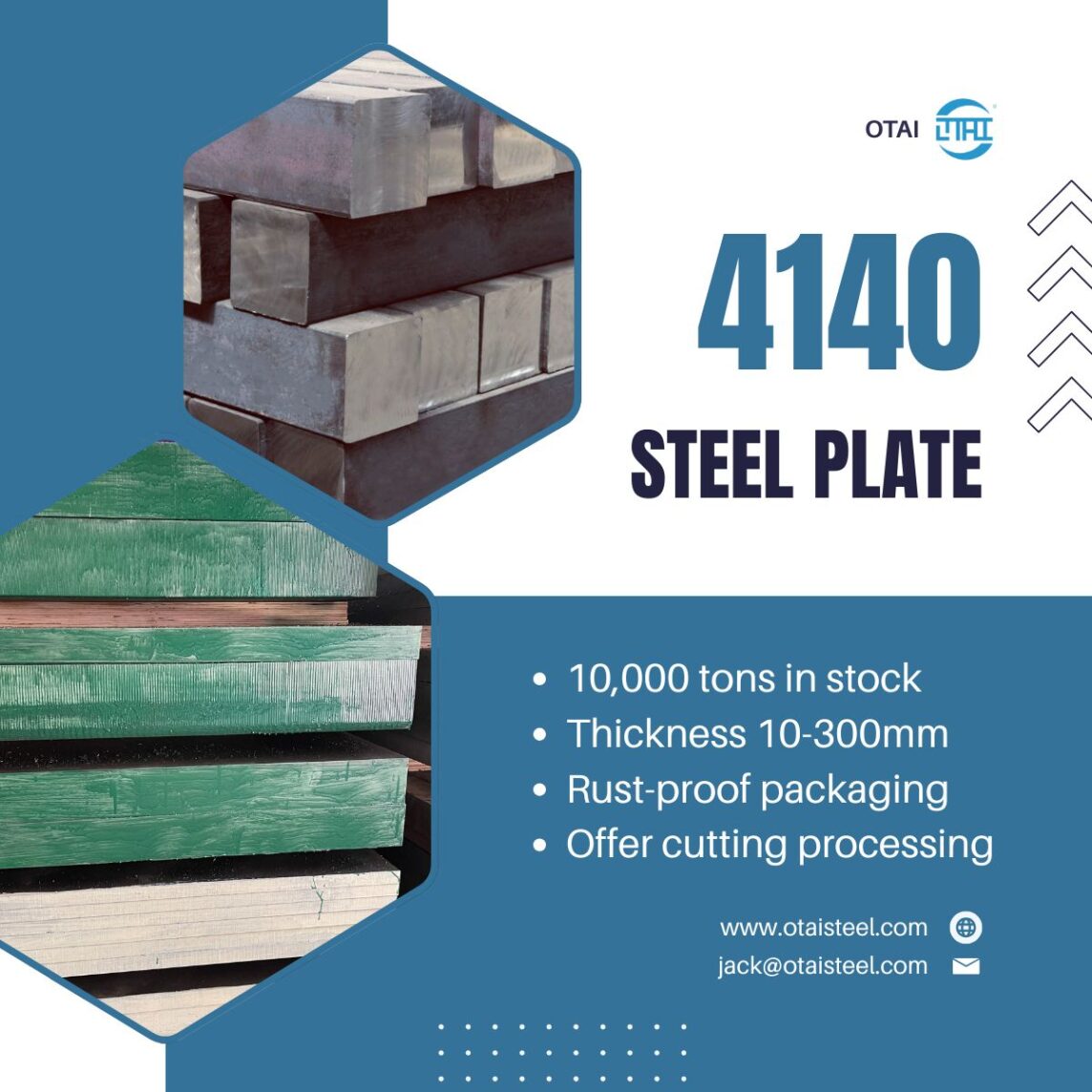
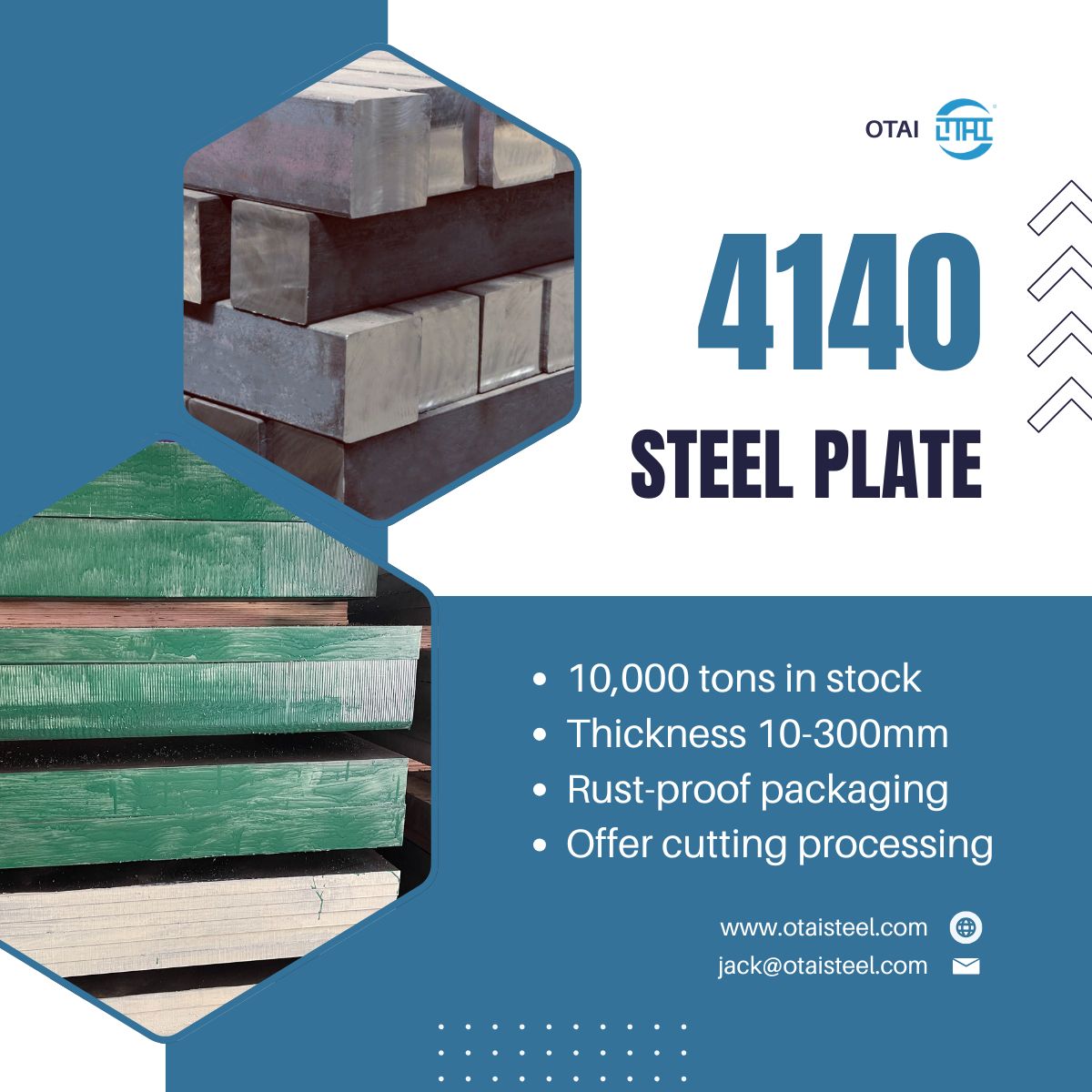
4140 Steel vs 304 Stainless: Strength, Properties, and Industrial Applications

4140 Steel vs 304 Stainless: Strength, Properties, and Industrial Applications4140 Steel vs 304 Stainless: Strength, Properties, and Industrial Applications

Selecting the right material is a critical step in engineering design and manufacturing. Two commonly compared materials are 4140 alloy steel and 304 stainless steel. Engineers often evaluate 4140 steel vs 304 stainless to determine which material offers better performance for specific applications.

Although both materials are widely used in industrial components, they serve very different purposes. AISI 4140 is a chromium-molybdenum alloy steel known for high strength, toughness, and wear resistance. In contrast, 304 stainless steel is an austenitic stainless steel valued for its excellent corrosion resistance and good formability.

Understanding the difference between 4140 steel and 304 stainless steel helps engineers select the best material based on mechanical performance, environmental conditions, and manufacturing requirements.


🔍 Overview of 4140 Steel and 304 Stainless Steel

AISI 4140 belongs to the family of low-alloy steels containing chromium and molybdenum. It is widely used in components that require high strength, fatigue resistance, and durability.

304 stainless steel, on the other hand, is one of the most widely used stainless steels. It contains high levels of chromium and nickel, which provide excellent corrosion resistance.

The key difference in the 4140 alloy steel vs 304 stainless corrosion resistance comparison is that 304 stainless steel resists rust and oxidation much better, while 4140 provides significantly higher strength and hardness after heat treatment.


⚙️ Chemical Composition Comparison

The alloying elements in each material determine their mechanical and corrosion properties.

Element 4140 Steel (%) 304 Stainless Steel (%)
Carbon (C) 0.38 – 0.43 ≤0.08
Chromium (Cr) 0.80 – 1.10 18.0 – 20.0
Nickel (Ni) 8.0 – 10.5
Molybdenum (Mo) 0.15 – 0.25
Manganese (Mn) 0.75 – 1.00 ≤2.0
Silicon (Si) 0.15 – 0.35 ≤1.0

The high chromium and nickel content in stainless steel explains its superior corrosion resistance. Meanwhile, the chromium and molybdenum in 4140 contribute to improved strength and hardenability.


📊 Mechanical Properties Comparison

The 4140 steel vs 304 stainless mechanical properties comparison reveals significant differences in strength and hardness.

Property 4140 Steel (Q&T) 304 Stainless Steel
Tensile Strength 850 – 1100 MPa 515 – 620 MPa
Yield Strength 655 – 850 MPa ~205 MPa
Hardness 28 – 32 HRC ~90 HRB
Elongation 12 – 25% ~40%

This 4140 steel vs 304 stainless strength comparison clearly shows that 4140 steel provides much higher strength and hardness, especially after heat treatment.

However, 304 stainless steel offers better ductility and formability.


🛡️ Corrosion Resistance

One of the most important factors in the 4140 alloy steel vs 304 stainless corrosion resistance comparison is resistance to rust and chemical attack.

304 stainless steel contains about 18–20% chromium, which forms a protective oxide layer on the surface. This layer prevents corrosion in many environments.

4140 steel does not naturally resist corrosion and usually requires protective coatings, plating, or surface treatments.

For applications exposed to moisture, chemicals, or marine environments, 304 stainless steel is generally the preferred material.


🔩 Hardness and Heat Treatment

The 4140 vs 304 stainless hardness comparison highlights another important difference.

4140 steel can be hardened significantly through heat treatment processes such as quenching and tempering.

Typical hardness levels include:

Condition Hardness
Annealed 4140 ~197 HB
Quenched & Tempered 4140 28 – 32 HRC
Hardened 4140 Up to 55 HRC (surface treated)

In contrast, 304 stainless steel cannot be hardened by heat treatment. Its strength can only be increased through cold working.

This makes 4140 steel much more suitable for high-load mechanical components.


🏭 Industrial Applications

Understanding 4140 steel vs 304 stainless applications helps determine which material is best suited for specific industries.

Common Applications for 4140 Steel

  • Drive shafts
  • Gears and gear shafts
  • Oil and gas drilling tools
  • Heavy machinery components
  • Structural machine parts

Common Applications for 304 Stainless Steel

  • Food processing equipment
  • Chemical processing systems
  • Kitchen equipment
  • Medical devices
  • Marine hardware

These applications reflect the different strengths of each material: structural strength for 4140 and corrosion resistance for 304 stainless.


🔍 Which Material Is Stronger?

Many engineers ask which is stronger 4140 steel or 304 stainless steel.

From a mechanical standpoint, 4140 steel is significantly stronger than 304 stainless steel, especially after heat treatment.

However, strength alone does not determine material selection. Environmental conditions, corrosion resistance, and fabrication requirements must also be considered.


🌟 Company Advantages

At Otai Special Steel, we supply high-quality alloy steels including AISI 4140 for global industrial customers.

Our advantages include:

  • Over 10,000 tons of steel inventory available year-round
  • Plate thickness range from 6 mm to 300 mm
  • Professional custom cutting and processing services
  • Strict ultrasonic testing (UT) quality control
  • Complete chemical composition testing
  • Long-term cooperation with international companies such as Thyssenkrupp, Borealis, and Schlumberger

Our expertise helps customers choose the right steel materials for demanding engineering applications.


❓ FAQ

1. What is the main difference between 4140 steel and 304 stainless steel?

4140 steel offers higher strength and hardness, while 304 stainless steel provides excellent corrosion resistance.

2. Which is stronger, 4140 steel or 304 stainless steel?

4140 steel is significantly stronger, especially after quenching and tempering.


3. Is 4140 steel corrosion resistant?

No, 4140 steel is not naturally corrosion resistant and usually requires protective coatings.

4. When should 304 stainless steel be used instead of 4140?

304 stainless steel is preferred in environments that require strong corrosion resistance, such as food processing or marine applications.

0 0 Continue Reading →

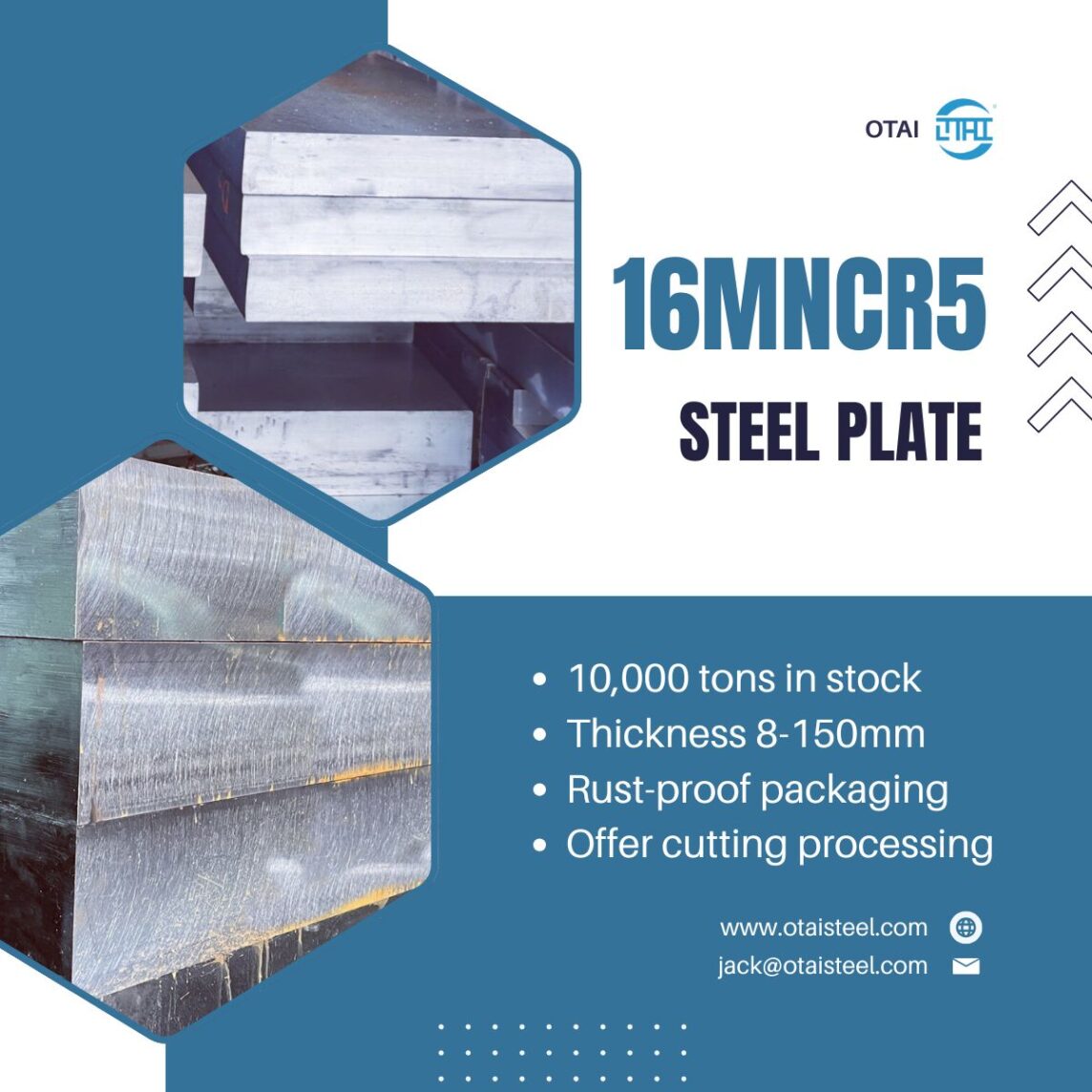
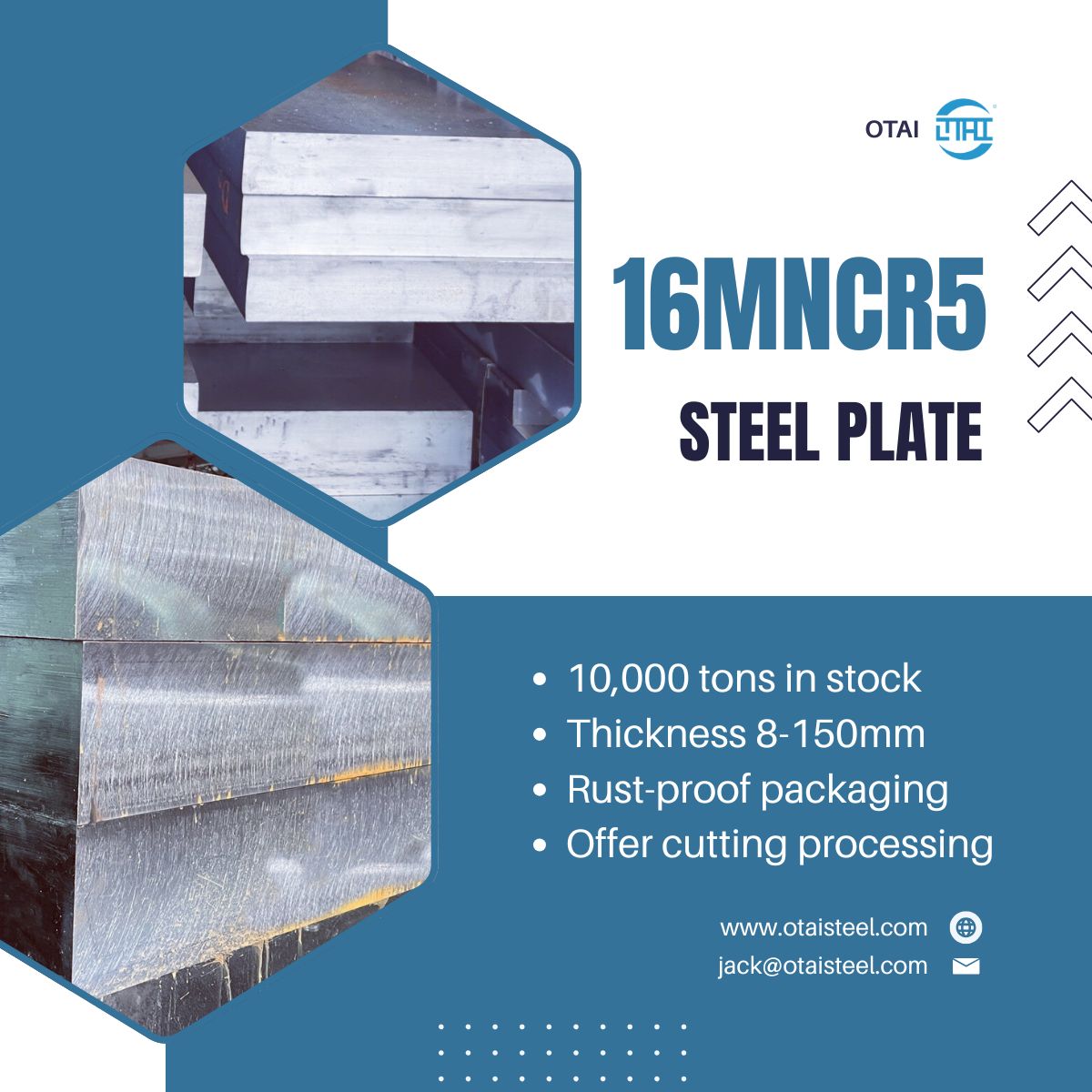
Composition of 16MnCr5: Chemical Elements and Material Characteristics

Composition of 16MnCr5: Chemical Elements and Material CharacteristicsComposition of 16MnCr5: Chemical Elements and Material Characteristics

In mechanical engineering and manufacturing, the chemical composition of steel directly determines its strength, hardenability, wear resistance, and machinability. One commonly used carburizing alloy steel is 16MnCr5, widely applied in automotive and machinery components. Many engineers and procurement specialists search for the composition of 16mncr5 to better understand how this material achieves its excellent mechanical performance.

16MnCr5 is a low-carbon chromium alloy steel specifically designed for case-hardening applications. After carburizing and heat treatment, it forms a hard wear-resistant surface while maintaining a tough core. The balance of alloying elements plays a critical role in achieving these properties.

Understanding the chemical composition of 16MnCr5 steel helps manufacturers select the right material for demanding engineering applications.


🔍 Overview of 16MnCr5 Steel

16MnCr5 belongs to the family of case-hardening steels defined by the European standard EN 10084. The steel contains carefully controlled amounts of carbon, manganese, and chromium, which improve surface hardening capability and mechanical strength.

The 16MnCr5 carbon chromium steel composition provides excellent wear resistance and fatigue strength after carburizing, making it suitable for heavily loaded transmission components.

Because of these characteristics, 16MnCr5 has become a widely used material in automotive gear systems and industrial machinery.


⚙️ Chemical Composition of 16MnCr5 Steel

The 16MnCr5 chemical composition table defines the allowable range of alloying elements according to the European material standard.

Element Content (%)
Carbon (C) 0.14 – 0.19
Manganese (Mn) 1.00 – 1.30
Chromium (Cr) 0.80 – 1.10
Silicon (Si) ≤0.40
Phosphorus (P) ≤0.025
Sulfur (S) ≤0.035

This 16MnCr5 composition according to EN standard ensures consistent performance during carburizing heat treatment and mechanical loading.


🧪 Role of Each Alloying Element

The elements in 16MnCr5 steel each contribute specific metallurgical benefits that improve the steel’s overall performance.

Carbon (C)

Carbon is the most important element in carburizing steels. It allows the surface layer to absorb additional carbon during carburizing, forming a hardened martensitic structure after quenching.

The relatively low carbon content in the core maintains good toughness and ductility.


Manganese (Mn)

Manganese improves hardenability and tensile strength. It also enhances the steel’s ability to respond effectively to heat treatment.

The 16MnCr5 alloy elements and percentage include a relatively high manganese level compared with many carbon steels, which contributes to improved mechanical performance.


Chromium (Cr)

Chromium significantly improves wear resistance, corrosion resistance, and fatigue strength. It also increases hardenability, allowing deeper hardened layers during carburizing.

The chromium content in 16MnCr5 carbon chromium steel composition makes the material suitable for high-contact stress components.


Silicon (Si)

Silicon improves strength and elasticity while also assisting in deoxidation during steel production.

Although present in small quantities, it contributes to the stability of the microstructure.


Phosphorus and Sulfur

These elements are considered impurities and are therefore limited to very low levels in the 16MnCr5 material composition standard.

Lower phosphorus and sulfur content improves toughness and reduces the risk of brittleness.


📊 Typical Mechanical Properties

Although the focus is the composition of 16mncr5, understanding its mechanical performance provides context for why the composition is optimized.

Property Typical Value
Tensile Strength 800 – 1000 MPa
Yield Strength 500 – 700 MPa
Elongation 10 – 15 %
Core Hardness 200 – 300 HB
Surface Hardness (carburized) 58 – 62 HRC

These values demonstrate how the balanced chemical composition of 16MnCr5 steel allows both surface hardness and core toughness after heat treatment.


🔥 Heat Treatment Characteristics

The chemical composition strongly influences heat treatment behavior.

Typical processing steps include:

Heat Treatment Process Temperature Range
Carburizing 880 – 940 °C
Quenching 780 – 850 °C
Tempering 150 – 200 °C

During carburizing, carbon diffuses into the surface layer, increasing hardness after quenching. The core retains lower carbon content, preserving toughness.

This heat treatment process fully utilizes the advantages of the 16MnCr5 alloy elements and percentage.


🏭 Industrial Applications

Because of its excellent carburizing characteristics, 16MnCr5 steel is widely used in components that require both wear resistance and fatigue strength.

Common applications include:

  • Automotive gears
  • Transmission shafts
  • Camshafts
  • Worm gears
  • Industrial gearbox components
  • Heavy machinery parts

These components operate under high stress and repeated loading, which requires a reliable case-hardening steel.


🌟 Company Advantages

At Otai Special Steel, we supply high-quality 16MnCr5 alloy steel for global manufacturing and engineering industries.

Our advantages include:

  • Over 10,000 tons of alloy steel inventory available year-round
  • Plate thickness range from 6 mm to 300 mm
  • Professional custom cutting services
  • Strict ultrasonic testing (UT) quality inspection
  • Complete chemical composition verification
  • Long-term cooperation with international companies such as Thyssenkrupp, Borealis, and Schlumberger

Our experience ensures stable supply and reliable quality for demanding industrial applications.


❓ FAQ

1. What is the chemical composition of 16MnCr5 steel?

The steel contains approximately 0.14–0.19% carbon, 1.00–1.30% manganese, and 0.80–1.10% chromium, along with small amounts of silicon, phosphorus, and sulfur.

2. Why does 16MnCr5 contain chromium?

Chromium improves wear resistance, hardenability, and fatigue strength, which are essential for carburized mechanical components.

3. Is 16MnCr5 a low-carbon steel?

Yes, 16MnCr5 is considered a low-carbon alloy steel designed specifically for carburizing applications.

4. How does the composition affect heat treatment?

The balanced alloy composition allows the surface to harden during carburizing while maintaining a tough and ductile core.

0 0 Continue Reading →

Ultimate Shear Strength of 4140 Steel: Strength Limits and Engineering Applications

Ultimate Shear Strength of 4140 Steel: Strength Limits and Engineering ApplicationsUltimate Shear Strength of 4140 Steel: Strength Limits and Engineering Applications

When designing mechanical components such as shafts, bolts, and gears, engineers must consider not only tensile strength but also shear strength. One key parameter is the ultimate shear strength of 4140 steel, which defines the maximum shear stress the material can withstand before failure.

AISI 4140 is a chromium-molybdenum alloy steel widely used in high-strength applications due to its excellent combination of toughness, wear resistance, and fatigue strength. Understanding the shear strength of 4140 steel in MPa helps engineers ensure safety and reliability in components subjected to torsion, cutting forces, and transverse loads.

In this article, we explore the shear strength values, influencing factors, calculation methods, and practical applications of 4140 alloy steel.


🔍 What Is Shear Strength?

Shear strength refers to a material’s ability to resist forces that cause internal sliding along a plane. Unlike tensile stress, which pulls material apart, shear stress acts parallel to the surface.

The ultimate shear strength of AISI 4140 steel value represents the maximum shear stress before fracture occurs.

In engineering design, shear strength is critical for:

  • Shafts under torsional load
  • Bolts and fasteners
  • Gear teeth under load
  • Structural joints

Understanding how to calculate shear strength of 4140 steel ensures proper material selection and component design.


📊 Typical Shear Strength of 4140 Steel

The typical shear strength of 4140 alloy steel depends on its heat treatment condition.

A commonly used approximation is:

τₘₐₓ≈ 0.58*σₜₑₙₛᵢₗₑ

Based on this relationship, the following values can be used:

Condition Tensile Strength (MPa) Shear Strength (MPa)
Annealed 850 490
Quenched & Tempered 950 – 1100 550 – 640
Hardened 1100 – 1300 640 – 750

These values provide a practical reference for the shear strength of 4140 steel in MPa in different working conditions.


⚙️ Mechanical Properties and Shear Behavior

The 4140 steel mechanical properties shear strength is closely related to its tensile strength and hardness.

Property Typical Range
Tensile Strength 850 – 1300 MPa
Yield Strength 655 – 1000 MPa
Hardness 197 – 320 HB

As strength increases through heat treatment, shear strength also increases. However, higher hardness may reduce ductility, which must be considered in design.

This relationship highlights the importance of 4140 steel tensile vs shear strength comparison when selecting materials for specific applications.


🔥 Effect of Heat Treatment

Heat treatment significantly affects the heat treated 4140 steel shear strength.

Annealed Condition

Lower strength but better machinability and ductility.

Quenched and Tempered

Balanced strength and toughness, commonly used in engineering applications.

Hardened Condition

Maximum strength and wear resistance but reduced ductility.

Proper heat treatment selection allows engineers to optimize shear performance for specific requirements.


🧮 How to Calculate Shear Strength

Engineers often estimate shear strength using empirical relationships.

The most common formula:

τ = 0.58 \σ

Where:

  • (τ) = shear strength
  • (σ) = tensile strength

This method provides a quick estimate for the ultimate shear strength of AISI 4140 steel value without complex testing.

For more precise calculations, engineers may use torsion tests or finite element analysis (FEA).


🏭 Engineering Applications

Because of its high shear strength, 4140 steel is widely used in components subjected to torsional and transverse forces.

Typical applications include:

  • Drive shafts and transmission shafts
  • High-strength bolts and studs
  • Gear systems
  • Oil and gas drilling tools
  • Heavy-duty machinery components

Understanding the ultimate shear strength of 4140 steel helps engineers design safer and more reliable components.


🔍 Comparison with Other Materials

Comparing shear strength across materials provides better context.

Material Shear Strength (MPa)
AISI 4140 Steel 490 – 750
Mild Steel 250 – 400
Stainless Steel 300 – 600
Aluminum Alloys 150 – 250

4140 steel offers significantly higher shear strength than many common engineering materials, making it ideal for heavy-load applications.


🌟 Company Advantages

At Otai Special Steel, we supply premium-quality AISI 4140 alloy steel for global industries requiring high-performance materials.

Our advantages include:

  • Over 10,000 tons of inventory available year-round
  • Wide thickness range from 6 mm to 300 mm
  • Precision cutting and machining services
  • Strict ultrasonic testing (UT) quality assurance
  • Complete chemical composition inspection
  • Trusted by leading global companies such as Thyssenkrupp, Borealis, and Schlumberger

We support customers with reliable materials for demanding engineering applications.


❓ FAQ

1. What is the ultimate shear strength of 4140 steel?

It typically ranges from 490 MPa to 750 MPa, depending on heat treatment condition.

2. How is shear strength related to tensile strength?

Shear strength is usually about 58% of tensile strength, which provides a quick estimation method.

3. Does heat treatment affect shear strength?

Yes, heat treatment significantly increases shear strength by improving hardness and tensile strength.

4. Why is shear strength important for 4140 steel?

It is critical for components subjected to torsion, such as shafts and gears, ensuring structural safety and durability.

0 0 Continue Reading →

16MnCr5 Standard: Specifications, Properties, and International Equivalent

16MnCr5 Standard: Specifications, Properties, and International Equivalent16MnCr5 Standard: Specifications, Properties, and International Equivalents

In modern mechanical engineering, selecting the correct material standard is essential for ensuring component reliability and performance. One commonly used carburizing steel in Europe and many global industries is 16MnCr5. Engineers and procurement specialists often search for the 16mncr5 standard to understand its specifications, chemical composition, and mechanical requirements.

16MnCr5 is a low-carbon chromium alloy steel widely used for case-hardening applications. The material provides an excellent combination of a hard wear-resistant surface and a tough core after carburizing and heat treatment. These characteristics make it ideal for gears, shafts, and other high-load mechanical components.

Understanding the 16MnCr5 steel standard specification helps manufacturers maintain consistent material quality and meet international engineering requirements.


🔍 Overview of the 16MnCr5 Steel Standard

The EN standard for 16MnCr5 steel is defined primarily in the European standard EN 10084, which covers case-hardening steels used in mechanical engineering.

Under this system, 16MnCr5 is identified as a carburizing alloy steel designed for surface hardening through heat treatment processes such as carburizing, quenching, and tempering.

The 16MnCr5 material standard EN 10084 specifies requirements including:

  • Chemical composition limits
  • Mechanical properties
  • Heat treatment recommendations
  • Inspection and testing requirements

Following these standards ensures consistent performance in demanding industrial applications.


⚙️ Chemical Composition According to Standard

The 16MnCr5 chemical composition standard defines the allowable range of alloying elements to achieve the required mechanical performance.

Element Standard Content (%)
Carbon (C) 0.14 – 0.19
Manganese (Mn) 1.00 – 1.30
Chromium (Cr) 0.80 – 1.10
Silicon (Si) ≤0.40
Phosphorus (P) ≤0.025
Sulfur (S) ≤0.035

Carbon enables effective carburizing and surface hardening, while chromium improves wear resistance and fatigue strength. Manganese enhances hardenability and mechanical strength.

These elements together define the essential characteristics of the 16MnCr5 case hardening steel standard.


📊 Mechanical Properties According to Standard

The 16MnCr5 mechanical properties standard depends on the heat treatment condition, particularly after carburizing.

Typical mechanical properties include:

Property Typical Value
Tensile Strength 800 – 1000 MPa
Yield Strength 500 – 700 MPa
Elongation 10 – 15 %
Core Hardness 200 – 300 HB
Surface Hardness (carburized) 58 – 62 HRC

These properties provide excellent wear resistance on the surface while maintaining toughness in the core.

Because of this balance, 16MnCr5 is widely used in heavily loaded mechanical systems.


🔥 Heat Treatment Requirements

The performance of 16MnCr5 strongly depends on its heat treatment process. The 16MnCr5 case hardening steel standard includes recommended temperature ranges for carburizing and quenching.

Heat Treatment Process Temperature Range
Carburizing 880 – 940 °C
Quenching 780 – 850 °C
Tempering 150 – 200 °C

Carburizing increases the carbon content on the surface, forming a hardened outer layer after quenching. Tempering then stabilizes the microstructure and improves toughness.

This process allows components to achieve both wear resistance and fatigue strength.


🔁 International Equivalent Materials

Engineers working across different countries often need to identify the international equivalents of 16MnCr5 steel.

Standard Equivalent Grade
EN 16MnCr5
DIN 1.7131
AISI / SAE 5120
JIS SCM420
GB (China) 20CrMnTi

These materials share similar chemical compositions and mechanical behavior, allowing them to substitute for 16MnCr5 in many engineering applications.


🏭 Typical Industrial Applications

Because of its high surface hardness and strong core toughness, 16MnCr5 steel is widely used in the manufacturing industry.

Common applications include:

  • Automotive transmission gears
  • Gear shafts
  • Camshafts
  • Worm gears
  • Industrial gearbox components
  • Heavy machinery transmission parts

These components operate under high contact stress and repeated loading, which requires materials with excellent fatigue resistance.


🌟 Company Advantages

At Otai Special Steel, we specialize in supplying high-quality carburizing alloy steels including 16MnCr5 for global manufacturing industries.

Our advantages include:

  • More than 10,000 tons of alloy steel inventory available year-round
  • Plate thickness range from 6 mm to 300 mm
  • Professional custom cutting and processing services
  • Strict ultrasonic testing (UT) quality control
  • Complete chemical composition inspection
  • Long-term cooperation with international companies such as Thyssenkrupp, Borealis, and Schlumberger

Our stable supply and strict quality control help customers meet demanding industrial standards.


❓ FAQ

1. What standard defines 16MnCr5 steel?

The primary specification is EN 10084, which defines case-hardening steels used in mechanical engineering.

2. Is 16MnCr5 a carburizing steel?

Yes, 16MnCr5 is specifically designed as a case-hardening steel that achieves high surface hardness through carburizing.

3. What hardness can 16MnCr5 reach after carburizing?

After carburizing and quenching, the surface hardness typically reaches 58–62 HRC.

4. What is the equivalent material of 16MnCr5?

Common equivalents include DIN 1.7131, AISI 5120, and JIS SCM420, which have similar compositions and properties.

0 0 Continue Reading →

4140 Steel Young’s Modulus: Understanding Elasticity and Structural Performance

4140 Steel Young’s Modulus: Understanding Elasticity and Structural Performance4140 Steel Young’s Modulus: Understanding Elasticity and Structural Performance

When engineers design mechanical components, understanding material stiffness is just as important as strength. One of the most critical parameters in this context is Young’s modulus. Many professionals ask about 4140 steel young’s modulus to evaluate how this alloy behaves under elastic deformation.

AISI 4140 is a chromium-molybdenum alloy steel known for its excellent strength, toughness, and wear resistance. However, its stiffness—defined by its modulus of elasticity—plays a key role in applications involving load-bearing, deflection control, and structural stability.

In this article, we will explore the elastic modulus of AISI 4140 steel, its significance, influencing factors, and how it compares to other materials.


🔍 What Is Young’s Modulus?

Young’s modulus, also known as the modulus of elasticity, measures a material’s ability to resist deformation under stress. It represents the ratio of stress to strain within the elastic limit.

The formula is:

E = σ\ε

Where:

  • (E) = Young’s modulus
  • (σ) = stress
  • (ε) = strain

A higher modulus means the material is stiffer and deforms less under load.

Understanding what is the elasticity of 4140 steel helps engineers predict how components behave in real-world applications.


📊 Young’s Modulus of 4140 Steel

The Young’s modulus of 4140 steel value is relatively consistent regardless of heat treatment condition.

Property Value
Young’s Modulus (E) 200 – 210 GPa
Shear Modulus ~80 GPa
Poisson’s Ratio 0.27 – 0.30

These values indicate that 4140 steel has stiffness comparable to most carbon and low-alloy steels.

Because of this, the 4140 steel modulus in GPa makes it suitable for applications requiring minimal elastic deformation under load.


⚙️ Mechanical Properties and Elastic Behavior

While the modulus of elasticity remains nearly constant, other mechanical properties of 4140 steel can vary significantly depending on heat treatment.

Property Typical Range
Tensile Strength 850 – 1000 MPa
Yield Strength 655 – 850 MPa
Hardness 197 – 241 HB (annealed)

The 4140 steel mechanical properties modulus relationship shows that stiffness does not change much with heat treatment, but strength and hardness do.

This means engineers can improve strength without significantly affecting elastic deformation behavior.


🔩 Factors Affecting Elastic Modulus

Although Young’s modulus is generally stable, several factors can slightly influence measurements of AISI 4140 steel elastic properties:

1. Temperature

As temperature increases, the modulus of elasticity decreases slightly. High-temperature environments reduce stiffness.

2. Microstructure

Changes in microstructure due to heat treatment have minimal effect on modulus but can influence overall mechanical behavior.

3. Alloying Elements

Elements like chromium and molybdenum improve strength and hardenability but have limited impact on elastic modulus.

4. Measurement Conditions

Testing methods and sample conditions can cause small variations in reported values.

Overall, the 4140 steel stiffness and elasticity remain consistent across most industrial conditions.


🏭 Engineering Applications

Because of its stable modulus and high strength, 4140 steel is widely used in structural and mechanical components.

Typical applications include:

  • Shafts and axles
  • Gears and couplings
  • Oil and gas drilling components
  • Structural machine parts
  • Hydraulic systems

In these applications, knowing the elastic modulus of AISI 4140 steel helps engineers control deflection and ensure dimensional stability under load.


🔍 Comparison with Other Materials

Comparing 4140 steel with other materials helps highlight its performance advantages.

Material Young’s Modulus (GPa)
AISI 4140 Steel 200 – 210
Mild Steel ~200
Aluminum Alloys ~70
Stainless Steel 190 – 200

Compared to aluminum, 4140 steel is nearly three times stiffer, making it more suitable for high-load structural applications.


🌟 Company Advantages

At Otai Special Steel, we provide high-quality AISI 4140 alloy steel tailored for demanding industrial applications.

Our strengths include:

  • Over 10,000 tons of ready stock for fast delivery
  • Wide thickness range from 6 mm to 300 mm
  • Precision cutting and processing services
  • Strict ultrasonic testing (UT) for internal quality assurance
  • Full chemical composition verification
  • Trusted by global companies such as Thyssenkrupp, Borealis, and Schlumberger

We help customers select the right materials based on both strength and elastic performance requirements.


❓ FAQ

1. What is the Young’s modulus of 4140 steel?

The Young’s modulus of 4140 steel is typically 200–210 GPa, indicating high stiffness and low elastic deformation.

2. Does heat treatment affect the modulus of 4140 steel?

No, heat treatment has minimal effect on the modulus of elasticity, although it significantly changes strength and hardness.

3. Why is Young’s modulus important for 4140 steel?

It helps engineers predict how much a component will deform under load, which is critical for precision and structural applications.

4. Is 4140 steel stiffer than aluminum?

Yes, 4140 steel is about three times stiffer than aluminum, making it more suitable for load-bearing structures.

0 0 Continue Reading →

What Is 16MnCr5 Material?

What Is 16MnCr5 Material?What Is 16MnCr5 Material: Composition, Properties, and Industrial Applications

In modern mechanical engineering and manufacturing, selecting the correct steel grade directly affects the durability and performance of mechanical components. One commonly used carburizing steel is 16MnCr5. Many engineers and manufacturers ask what is 16mncr5 material when choosing materials for gears, shafts, and transmission components.

16MnCr5 is a low-carbon chromium alloy steel widely used for case-hardening applications. After carburizing and heat treatment, the material develops a hard wear-resistant surface while maintaining a tough and ductile core. This combination of strength and toughness makes it ideal for components subjected to heavy loads and repeated stress.

Understanding 16MnCr5 carburizing steel characteristics helps engineers determine why this material is widely used in the automotive, machinery, and heavy equipment industries.


🔍 Overview of 16MnCr5 Steel

16MnCr5 is defined under the European standard EN 10084 and belongs to the family of case-hardening alloy steels. The steel contains manganese and chromium, which enhance hardenability and wear resistance during carburizing heat treatment.

The main purpose of this steel is to provide a hardened surface layer while maintaining internal toughness. This structure improves fatigue strength and extends the service life of mechanical components.

Because of these features, the 16MnCr5 material properties make it one of the most commonly used steels for high-performance gear systems and mechanical transmission parts.


⚙️ Chemical Composition of 16MnCr5

The 16MnCr5 steel chemical composition determines the material’s mechanical behavior and heat treatment performance.

Element Content (%)
Carbon (C) 0.14 – 0.19
Manganese (Mn) 1.00 – 1.30
Chromium (Cr) 0.80 – 1.10
Silicon (Si) ≤0.40
Phosphorus (P) ≤0.025
Sulfur (S) ≤0.035

Carbon plays a critical role in surface hardening during carburizing. Chromium improves wear resistance, while manganese enhances strength and hardenability.

These elements contribute to the balanced 16MnCr5 carburizing steel characteristics that engineers rely on for heavy-duty mechanical parts.


📊 Mechanical Properties of 16MnCr5 Steel

The 16MnCr5 mechanical properties vary depending on the heat treatment condition, especially after carburizing and quenching.

Typical mechanical values include:

Property Typical Value
Tensile Strength 800 – 1000 MPa
Yield Strength 500 – 700 MPa
Elongation 10 – 15%
Core Hardness 200 – 300 HB
Surface Hardness (carburized) 58 – 62 HRC

After carburizing and quenching, the surface hardness becomes extremely high, while the core remains relatively tough. This structure improves fatigue resistance and impact strength.

Because of these advantages, the 16MnCr5 material properties make the steel highly suitable for rotating and load-bearing components.


🔥 Heat Treatment Process

The 16MnCr5 heat treatment process plays a crucial role in achieving the desired mechanical performance.

Typical heat treatment procedures include:

Heat Treatment Process Temperature Range
Carburizing 880 – 940°C
Quenching 780 – 850°C
Tempering 150 – 200°C

During carburizing, carbon diffuses into the steel surface, forming a hardened outer layer. Quenching converts this layer into martensite, while tempering stabilizes the structure and reduces brittleness.

This process allows the material to achieve excellent wear resistance without sacrificing toughness.


🔧 Equivalent Materials

Engineers working with international standards often compare the 16MnCr5 equivalent material across different systems.

Standard Equivalent Grade
EN 16MnCr5
DIN 1.7131
AISI / SAE 5120
JIS SCM420

These equivalent grades share similar chemical compositions and heat treatment behavior, making them suitable substitutes in many engineering applications.


🏭 Industrial Applications

The 16MnCr5 steel applications cover a wide range of industries because the material offers excellent wear resistance and fatigue strength.

Common applications include:

  • Automotive transmission gears
  • Gear shafts
  • Camshafts
  • Worm gears
  • Industrial gearbox components
  • Heavy machinery parts

Because the surface becomes extremely hard after carburizing, this steel is particularly suitable for components that experience continuous friction and mechanical stress.


🌟 Company Advantages

At Otai Special Steel, we specialize in supplying high-quality alloy steels including 16MnCr5 for global industrial customers.

Our advantages include:

  • More than 10,000 tons of alloy steel inventory available year-round
  • Plate thickness range from 6 mm to 300 mm
  • Professional custom cutting and machining services
  • Strict ultrasonic testing (UT) quality control
  • Complete chemical composition inspection
  • Long-term cooperation with international companies such as Thyssenkrupp, Borealis, and Schlumberger

These capabilities allow us to provide stable supply and reliable material quality for demanding industrial projects.


❓ FAQ

1. What is 16MnCr5 material used for?

16MnCr5 is mainly used for carburized components such as gears, shafts, and transmission parts that require a hard surface and tough core.

2. Is 16MnCr5 a carburizing steel?

Yes. 16MnCr5 is specifically designed as a case-hardening steel. After carburizing and heat treatment, it develops high surface hardness and good core toughness.

3. What hardness can 16MnCr5 reach after carburizing?

The carburized surface hardness typically reaches 58–62 HRC, depending on the heat treatment process.

4. What is the equivalent material of 16MnCr5?

Common equivalents include DIN 1.7131, AISI 5120, and JIS SCM420, which share similar chemical composition and mechanical characteristics.

0 0 Continue Reading →

What Welding Rod to Use on 4140 Steel?

What Welding Rod to Use on 4140 Steel?What Welding Rod to Use on 4140 Steel: Practical Welding Guide for Alloy Steel

AISI 4140 is a chromium-molybdenum alloy steel widely used in mechanical engineering, automotive components, oil and gas equipment, and heavy machinery. Because of its high strength and hardenability, welding this steel requires proper procedures and suitable filler materials. Many engineers and welders ask what welding rod to use on 4140 steel to ensure strong welds without cracking or loss of mechanical properties.

Although 4140 steel can be welded successfully, improper welding methods may lead to brittle weld zones or heat-affected zone cracking. Choosing the best welding rod for 4140 steel and following the correct welding procedure are essential for maintaining the structural integrity of the material.

This article explains the recommended filler metals, proper welding techniques, and heat treatment considerations for welding 4140 alloy steel.


🔍 Overview of Welding 4140 Alloy Steel

AISI 4140 contains chromium and molybdenum, which increase strength and hardenability but also make the steel more susceptible to cracking during welding. Rapid cooling after welding can produce martensite in the heat-affected zone, leading to brittleness.

Therefore, when discussing how to weld 4140 alloy steel, welders must control heat input, preheating temperature, and post-weld cooling conditions.

Proper filler metal selection also plays a crucial role in reducing residual stress and improving weld toughness.


⚙️ Chemical Composition of 4140 Steel

Understanding the chemical composition helps explain why welding requires special procedures.

Element Content (%)
Carbon (C) 0.38 – 0.43
Chromium (Cr) 0.80 – 1.10
Molybdenum (Mo) 0.15 – 0.25
Manganese (Mn) 0.75 – 1.00
Silicon (Si) 0.15 – 0.35
Phosphorus (P) ≤0.035
Sulfur (S) ≤0.040

The relatively high carbon content increases hardness and strength but also raises the risk of weld cracking if proper precautions are not taken.


🔧 Recommended Welding Rods for 4140 Steel

Choosing the recommended filler metal for 4140 steel welding depends on the welding method and the required mechanical properties.

Common welding rods include:

Welding Rod Standard Application
E7018 AWS E7018 General repair welding
ER80S-D2 MIG/TIG filler High-strength welds
ER90S-B3 Alloy filler wire Matching alloy composition
E8018-B2 Low hydrogen electrode High-strength applications

Among these options, ER80S-D2 and ER90S-B3 provide better strength compatibility with 4140 alloy steel.

When performing maintenance or structural repairs, many welders also ask can you weld 4140 steel with 7018 rod. The answer is yes, but it is typically used for moderate strength requirements rather than full alloy matching.


🔥 Preheat Requirements for Welding

Preheating is critical when welding alloy steels. It reduces cooling rates and prevents the formation of brittle microstructures.

Typical preheat temperature for welding 4140 steel depends on the carbon content and section thickness.

Material Thickness Recommended Preheat Temperature
< 25 mm 150 – 200°C
25 – 50 mm 200 – 250°C
> 50 mm 250 – 300°C

Maintaining the correct preheat temperature improves weld ductility and minimizes cracking risk.


⚙️ Welding Procedure for 4140 Steel

Following a proper 4140 steel welding procedure ensures high-quality welds.

Typical welding steps include:

  1. Clean the surface to remove oil, rust, and contaminants.
  2. Apply preheating to the required temperature.
  3. Use low-hydrogen electrodes or compatible filler wire.
  4. Maintain moderate heat input during welding.
  5. Control cooling rates to avoid rapid temperature drop.
  6. Perform post-weld heat treatment if necessary.

These steps help maintain the mechanical performance of the base material.


🔩 Post-Weld Heat Treatment

Post-weld heat treatment often improves weld toughness and reduces internal stresses.

Typical post-weld heat treatment conditions include:

Process Temperature Range
Stress relieving 550 – 650°C
Tempering 540 – 680°C

Post-weld tempering helps restore the mechanical properties of the heat-affected zone and reduces the risk of delayed cracking.


🏭 Applications of Welded 4140 Steel Components

Because of its strength and fatigue resistance, 4140 steel is widely used in welded industrial components.

Common applications include:

  • Heavy-duty shafts
  • Hydraulic cylinders
  • Oil and gas drilling tools
  • Industrial gears
  • Structural machinery components

Proper welding techniques ensure these components maintain durability under heavy loads.


🌟 Company Advantages

At Otai Special Steel, we specialize in supplying high-quality alloy steels including AISI 4140 for global engineering industries.

Our advantages include:

  • Over 10,000 tons of alloy steel inventory available year-round
  • Plate thickness range from 6 mm to 300 mm
  • Professional custom cutting services
  • Strict ultrasonic testing (UT) quality inspection
  • Complete chemical composition testing
  • Long-term cooperation with international companies such as Thyssenkrupp, Borealis, and Schlumberger

Our experience allows us to provide reliable alloy steel materials for demanding industrial applications.


❓ FAQ

1. What welding rod should be used for 4140 steel?

Common welding rods include E7018, ER80S-D2, and ER90S-B3, depending on the strength requirements and welding method.

2. Can you weld 4140 steel with a 7018 rod?

Yes, E7018 rods can be used for repair welding and moderate-strength applications, especially when proper preheating is applied.

3. Why is preheating necessary for welding 4140 steel?

Preheating reduces the cooling rate, prevents martensite formation in the heat-affected zone, and minimizes the risk of cracking.

4. Is post-weld heat treatment required for 4140 steel?

Post-weld heat treatment is often recommended to relieve stress, improve toughness, and restore mechanical properties after welding.

0 0 Continue Reading →

16MnCr5 vs 100Cr6: Comparing Carburizing Steel and Bearing Steel

16MnCr5 vs 100Cr6: Comparing Carburizing Steel and Bearing Steel16MnCr5 vs 100Cr6: Comparing Carburizing Steel and Bearing Steel

In mechanical engineering and industrial manufacturing, selecting the right steel grade is essential for performance, durability, and reliability. Two commonly used alloy steels are 16MnCr5 and 100Cr6. Engineers often evaluate 16mncr5 vs 100cr6 when choosing materials for gears, bearings, and high-wear components.

Although both steels provide excellent hardness and wear resistance, they serve different engineering purposes. 16MnCr5 is primarily a carburizing steel designed for case hardening applications, while 100Cr6 is a high-carbon chromium bearing steel widely used in rolling bearings and precision mechanical parts.

Understanding the difference between 16MnCr5 and 100Cr6 steel helps engineers select the appropriate material for demanding industrial environments.


🔍 Overview of 16MnCr5 and 100Cr6 Steel

16MnCr5 is a low-carbon alloy steel defined in the European EN 10084 standard. It is widely used as a carburizing steel because it can develop a hard surface while maintaining a tough core after heat treatment.

100Cr6, also known as bearing steel, is a high-carbon chromium alloy steel defined in the EN ISO 683 standard. It offers extremely high hardness, wear resistance, and fatigue strength, making it ideal for rolling bearings and precision components.

Because these steels belong to different categories, engineers often analyze the carburizing steel vs bearing steel comparison when determining which material suits their design requirements.


⚙️ Chemical Composition Comparison

The 16MnCr5 vs 100Cr6 chemical composition comparison shows major differences in carbon content and alloying elements.

Element 16MnCr5 (%) 100Cr6 (%)
Carbon (C) 0.14 – 0.19 0.95 – 1.05
Chromium (Cr) 0.80 – 1.10 1.35 – 1.65
Manganese (Mn) 1.00 – 1.30 0.25 – 0.45
Silicon (Si) ≤0.40 0.15 – 0.35
Phosphorus (P) ≤0.025 ≤0.025
Sulfur (S) ≤0.035 ≤0.025

The most significant difference lies in carbon content. 100Cr6 contains nearly 1% carbon, which enables extremely high hardness after heat treatment. In contrast, 16MnCr5 has lower carbon content, allowing it to maintain a tough core after carburizing.

These differences define the difference between 16MnCr5 and 100Cr6 steel in terms of mechanical behavior and application suitability.


📊 Mechanical Properties Comparison

Engineers frequently analyze the 16MnCr5 vs 100Cr6 mechanical properties to determine which steel better fits a specific application.

Property 16MnCr5 100Cr6
Tensile Strength 800 – 1000 MPa 1000 – 1200 MPa
Yield Strength 500 – 700 MPa 600 – 750 MPa
Elongation 10 – 15% 5 – 10%
Hardness (after heat treatment) 58 – 62 HRC (case) 60 – 66 HRC

This comparison shows that 100Cr6 offers higher hardness and strength, while 16MnCr5 provides better toughness due to its carburized core.


🔧 Hardness and Wear Resistance

The 16MnCr5 vs 100Cr6 hardness comparison highlights how each material behaves under wear conditions.

16MnCr5 develops a hardened surface layer during carburizing, while the inner core remains relatively soft and tough. This structure provides excellent fatigue resistance and impact strength.

100Cr6, on the other hand, hardens throughout the entire cross-section after quenching and tempering. This full hardness results in outstanding wear resistance and contact fatigue performance.

Typical hardness values include:

Heat Treatment Condition 16MnCr5 100Cr6
Annealed ~200 HB ~220 HB
Carburized surface 58 – 62 HRC
Quenched and tempered 60 – 66 HRC

Because of this structure, 100Cr6 is widely used for rolling contact applications such as bearings.


🔥 Heat Treatment Differences

Heat treatment methods differ significantly between the two steels.

Heat Treatment Process 16MnCr5 100Cr6
Carburizing 880 – 940°C Not required
Quenching 780 – 850°C 830 – 860°C
Tempering 150 – 200°C 150 – 200°C

In carburizing processes, 16MnCr5 absorbs carbon at high temperatures to form a hardened case. This process provides excellent wear resistance without sacrificing toughness.

100Cr6 does not require carburizing because its high carbon content allows direct hardening during quenching.

These distinctions are essential when comparing carburizing steel vs bearing steel comparison in industrial applications.


🏭 Industrial Applications

Both steels serve different roles in industrial systems.

Typical 16MnCr5 vs 100Cr6 applications include:

16MnCr5 Applications

  • Automotive transmission gears
  • Camshafts
  • Gear shafts
  • Worm gears
  • Industrial gearboxes

100Cr6 Applications

  • Ball bearings
  • Roller bearings
  • Precision bearing rings
  • Machine tool spindles
  • High-precision mechanical components

Engineers typically choose 16MnCr5 for gear systems requiring surface hardness and core toughness, while 100Cr6 is selected for high-precision rolling contact components.


⚖️ Selection Guidelines

When choosing between these steels, engineers consider the operational requirements.

Requirement Recommended Steel
High surface hardness with tough core 16MnCr5
Maximum wear resistance 100Cr6
Bearing applications 100Cr6
Gear systems 16MnCr5

Evaluating which is better 16MnCr5 or 100Cr6 steel depends on whether the application requires carburized toughness or full hardness throughout the component.


🌟 Company Advantages

At Otai Special Steel, we specialize in supplying high-quality alloy steels including 16MnCr5 and 100Cr6 for global industrial customers.

Our advantages include:

  • Over 10,000 tons of alloy steel inventory available year-round
  • Plate thickness range from 6 mm to 300 mm
  • Professional custom cutting services
  • Strict ultrasonic testing (UT) quality inspection
  • Full chemical composition testing
  • Long-term cooperation with international companies such as Thyssenkrupp, Borealis, and Schlumberger

Our experience and inventory allow us to deliver reliable steel solutions for demanding engineering applications.


❓ FAQ

1. What is the main difference between 16MnCr5 and 100Cr6 steel?

The main difference is carbon content and application. 16MnCr5 is a carburizing steel, while 100Cr6 is a high-carbon bearing steel.

2. Which steel is harder, 16MnCr5 or 100Cr6?

100Cr6 generally achieves higher hardness after heat treatment, typically reaching 60–66 HRC.

3. Why is 100Cr6 widely used for bearings?

100Cr6 provides excellent wear resistance, high hardness, and strong rolling contact fatigue resistance, making it ideal for bearing applications.

4. When should engineers choose 16MnCr5 instead of 100Cr6?

Engineers choose 16MnCr5 when applications require a hardened surface combined with a tough core, such as gears and transmission components.

0 0 Continue Reading →

AISI 4140 Steel Material Properties: Strength and Industrial Performance

AISI 4140 Steel Material Properties: Strength and Industrial PerformanceAISI 4140 Steel Material Properties: Strength and Industrial Performance

AISI 4140 is one of the most widely used chromium-molybdenum alloy steels in modern manufacturing. Engineers choose this material because it offers excellent strength, toughness, fatigue resistance, and heat treatment versatility. Understanding aisi 4140 steel material properties helps manufacturers determine whether this alloy steel fits their mechanical and structural requirements.

This steel grade performs well in demanding environments where components must withstand heavy loads, repeated stress, and wear. Industries such as automotive manufacturing, oil and gas drilling, heavy machinery, and aerospace rely on the material properties of AISI 4140 steel to produce durable and reliable components.

This article examines the AISI 4140 steel mechanical and physical properties, chemical composition, heat treatment behavior, and practical industrial applications.


🔍 Overview of AISI 4140 Alloy Steel

AISI 4140 belongs to the chromium-molybdenum alloy steel family. The addition of chromium improves hardenability and corrosion resistance, while molybdenum enhances strength at high temperatures and increases toughness.

Because of this balanced composition, the AISI 4140 alloy steel characteristics make it suitable for parts that must resist fatigue and maintain structural integrity under extreme operating conditions.

Manufacturers commonly supply 4140 in several conditions, including:

  • Annealed
  • Normalized
  • Quenched and tempered
  • Pre-hardened

These different conditions allow engineers to optimize the heat treated AISI 4140 steel properties for specific applications.


⚙️ Chemical Composition of AISI 4140 Steel

The AISI 4140 steel chemical composition and properties originate from its carefully balanced alloying elements.

Element Content (%)
Carbon (C) 0.38 – 0.43
Chromium (Cr) 0.80 – 1.10
Molybdenum (Mo) 0.15 – 0.25
Manganese (Mn) 0.75 – 1.00
Silicon (Si) 0.15 – 0.35
Phosphorus (P) ≤0.035
Sulfur (S) ≤0.040

Each element contributes to the overall performance of the steel. Carbon provides hardness and strength, chromium increases wear resistance, and molybdenum improves toughness and high-temperature performance.

These alloying elements explain why material properties of AISI 4140 steel make it suitable for highly stressed mechanical components.


📊 Mechanical Properties

Engineers evaluate the AISI 4140 steel hardness and tensile strength to determine whether the material can handle heavy loads and repeated mechanical stress.

Typical mechanical properties in the quenched and tempered condition include:

Property Typical Value
Ultimate Tensile Strength 850 – 1000 MPa
Yield Strength 655 – 850 MPa
Elongation 12 – 25%
Reduction of Area 45 – 60%
Hardness 28 – 32 HRC

These values demonstrate the excellent balance between strength and toughness found in the typical properties of AISI 4140 steel.

Because of its strong fatigue resistance, this alloy performs exceptionally well in rotating or dynamically loaded components.


🔩 Physical Properties

In addition to mechanical strength, engineers also consider the AISI 4140 steel mechanical and physical properties when designing components.

Property Value
Density 7.85 g/cm³
Elastic Modulus 205 GPa
Thermal Conductivity 42.6 W/m·K
Specific Heat Capacity 0.475 J/g·°C
Melting Range 1416 – 1460°C

These physical properties allow the steel to perform well in environments where temperature fluctuations and mechanical stress occur simultaneously.


🔥 Heat Treatment Characteristics

Heat treatment significantly influences heat treated AISI 4140 steel properties. Manufacturers commonly apply quenching and tempering to achieve optimal hardness and toughness.

Heat Treatment Process Temperature Range
Annealing 840 – 870°C
Normalizing 870 – 900°C
Quenching 820 – 870°C
Tempering 400 – 650°C

Quenching increases hardness by forming martensite, while tempering reduces brittleness and improves toughness.

By adjusting the tempering temperature, engineers can tailor the AISI 4140 steel hardness and tensile strength for different industrial requirements.


🏭 Industrial Applications

Thanks to its balanced performance, manufacturers widely use this steel in industries requiring high reliability.

Common applications include:

  • Automotive crankshafts and axles
  • Heavy-duty shafts and gears
  • Hydraulic machinery components
  • Oil and gas drilling tools
  • Structural components in construction equipment

The durability and fatigue resistance of the AISI 4140 alloy steel characteristics make it particularly valuable for components subjected to cyclic loading.


🔧 Machining and Weldability

AISI 4140 offers good machinability in the annealed condition. However, machining becomes more challenging after heat treatment due to increased hardness.

For welding, preheating is usually required to prevent cracking.

Typical welding recommendations include:

Welding Parameter Recommendation
Preheat Temperature 200 – 300°C
Post-Weld Heat Treatment Stress relieving recommended
Filler Material Compatible alloy filler

Following proper welding procedures helps maintain the material properties of AISI 4140 steel without compromising structural integrity.


🌟 Company Advantages

At Otai Special Steel, we specialize in supplying high-quality alloy steels including AISI 4140 for global industrial customers.

Our advantages include:

  • Over 10,000 tons of alloy steel inventory available year-round
  • Plate thickness range from 6 mm to 300 mm
  • Professional custom cutting and processing services
  • Strict ultrasonic testing (UT) and quality inspection
  • Complete chemical composition verification
  • Long-term partnerships with international companies such as Thyssenkrupp, Borealis, and Schlumberger

These strengths allow us to provide stable supply and reliable material quality for demanding engineering projects.


❓ FAQ

1. What are the main material properties of AISI 4140 steel?

The key aisi 4140 steel material properties include high tensile strength, good toughness, excellent fatigue resistance, and strong hardenability after heat treatment.

2. What is the typical hardness of AISI 4140 steel?

In the quenched and tempered condition, the AISI 4140 steel hardness and tensile strength typically reach 28–32 HRC.

3. Can AISI 4140 steel be heat treated?

Yes. Heat treatment such as quenching and tempering significantly improves the heat treated AISI 4140 steel properties, allowing engineers to achieve higher strength and hardness.

4. Why is AISI 4140 widely used in engineering?

The balanced AISI 4140 steel mechanical and physical properties provide an excellent combination of strength, toughness, and fatigue resistance, making it ideal for heavy-duty mechanical components.

0 0 Continue Reading →

16MnCr5 vs 8620: Comparing Two Popular Case Hardening Alloy Steels

16MnCr5 vs 8620: Comparing Two Popular Case Hardening Alloy Steels16MnCr5 vs 8620: Comparing Two Popular Case Hardening Alloy Steels

Carburizing steels play a critical role in modern manufacturing because they provide a combination of high surface hardness and a tough core. Among the most widely used grades are 16MnCr5 and AISI 8620. Engineers frequently compare 16mncr5 vs 8620 when selecting materials for gears, shafts, and heavy-duty mechanical components.

Both steels belong to the family of low-carbon alloy steels designed for case hardening applications. They perform well in environments that require high wear resistance and excellent fatigue strength. However, differences in alloy composition and mechanical properties can influence material selection for specific industrial uses.

This article explains the difference between 16MnCr5 and 8620 steel, including chemical composition, mechanical properties, heat treatment behavior, and common applications.


🔍 Overview of 16MnCr5 and 8620 Alloy Steels

16MnCr5 is a European standard carburizing steel defined by EN 10084. Manufacturers commonly use it in automotive transmissions and heavy-duty mechanical systems.

AISI 8620 is an American alloy steel widely used for case-hardening components. It contains nickel, chromium, and molybdenum, which improve hardenability and toughness.

Both steels perform well in carburizing processes. However, understanding which is better 16MnCr5 or 8620 steel depends on the specific requirements of strength, toughness, and cost.

Because both materials belong to the carburizing steel category, engineers often evaluate the 16MnCr5 vs 8620 carburizing steel characteristics before making a final decision.


⚙️ Chemical Composition Comparison

The 16MnCr5 vs 8620 chemical composition comparison reveals the key differences in alloying elements that influence performance.

Element 16MnCr5 (%) AISI 8620 (%)
Carbon (C) 0.14 – 0.19 0.18 – 0.23
Manganese (Mn) 1.00 – 1.30 0.70 – 0.90
Chromium (Cr) 0.80 – 1.10 0.40 – 0.60
Nickel (Ni) 0.40 – 0.70
Molybdenum (Mo) 0.15 – 0.25
Silicon (Si) ≤0.40 0.15 – 0.35
Phosphorus (P) ≤0.025 ≤0.035
Sulfur (S) ≤0.035 ≤0.040

The presence of nickel and molybdenum in 8620 improves toughness and hardenability. Meanwhile, the higher chromium and manganese content in 16MnCr5 enhances wear resistance and surface hardness.

These differences form the basis of the difference between 16MnCr5 and 8620 steel.


📊 Mechanical Properties Comparison

Engineers often evaluate the 16MnCr5 vs 8620 mechanical properties when selecting materials for high-load components.

Typical properties in quenched and tempered condition include:

Property 16MnCr5 AISI 8620
Tensile Strength 800 – 1000 MPa 760 – 980 MPa
Yield Strength 500 – 700 MPa 450 – 650 MPa
Elongation 10 – 15% 12 – 18%
Core Hardness 200 – 300 HB 180 – 280 HB

These values indicate that 16MnCr5 often offers slightly higher strength, while 8620 generally provides better toughness due to the presence of nickel.

This comparison helps engineers determine which is better 16MnCr5 or 8620 steel depending on the operating environment.


🔧 Case Hardening Performance

Both steels are specifically designed for carburizing heat treatment. The 8620 vs 16MnCr5 case hardening steel comparison focuses on how each material performs during carburizing.

During carburizing, the surface absorbs carbon at high temperatures, creating a hard wear-resistant layer while maintaining a tough core.

Typical carburized properties include:

Property 16MnCr5 8620
Case Hardness 58 – 62 HRC 58 – 62 HRC
Case Depth 0.8 – 1.5 mm 0.8 – 1.5 mm
Core Strength High Very High

Because 8620 contains nickel and molybdenum, it often provides superior core toughness after carburizing.

However, 16MnCr5 can achieve excellent surface hardness and wear resistance, making it highly effective in gear applications.


🔥 Heat Treatment Characteristics

Proper heat treatment ensures optimal performance for both steels.

Heat Treatment Process Temperature Range
Carburizing 880 – 940°C
Quenching 780 – 850°C
Tempering 150 – 200°C

During carburizing, carbon diffuses into the surface layer. Quenching transforms the surface into hard martensite, while tempering stabilizes the microstructure.

Both materials respond well to carburizing, which is why they are widely used as 16MnCr5 vs 8620 carburizing steel in heavy mechanical components.


🏭 Industrial Applications

Manufacturers commonly use both steels in high-wear mechanical systems.

Typical 16MnCr5 vs 8620 applications include:

16MnCr5 Applications

  • Automotive gears
  • Transmission shafts
  • Worm gears
  • Camshafts
  • Industrial gear systems

AISI 8620 Applications

  • Aerospace gears
  • Automotive differential gears
  • Heavy-duty shafts
  • High-load gearboxes
  • Oil and gas equipment

16MnCr5 is extremely common in European automotive manufacturing, while 8620 is widely used in North American engineering industries.


⚖️ Selection Guidelines

When selecting materials, engineers evaluate performance requirements, availability, and cost.

Requirement Recommended Steel
Higher wear resistance 16MnCr5
Better core toughness 8620
Automotive gears 16MnCr5
Heavy load applications 8620

Understanding the difference between 16MnCr5 and 8620 steel helps manufacturers optimize durability and performance.


🌟 Company Advantages

At Otai Special Steel, we supply high-quality alloy steels including 16MnCr5 and AISI 8620 for global engineering industries.

Our advantages include:

  • Over 10,000 tons of alloy steel inventory available year-round
  • Plate thickness range from 6 mm to 300 mm
  • Precision custom cutting services for different dimensions
  • Strict ultrasonic testing (UT) quality inspection
  • Complete chemical composition testing
  • Long-term supply partnerships with international companies such as Thyssenkrupp, Borealis, and Schlumberger

Our extensive experience allows us to provide reliable materials for demanding industrial applications.


❓ FAQ

1. What is the main difference between 16MnCr5 and 8620 steel?

The main difference lies in alloy composition. 8620 contains nickel and molybdenum, which improve toughness and hardenability.

2. Which steel is better for carburizing applications?

Both steels perform well, but the 16MnCr5 vs 8620 carburizing steel comparison shows that 8620 often provides better core toughness, while 16MnCr5 offers excellent surface hardness.

3. Are 16MnCr5 and 8620 equivalent materials?

They are similar carburizing steels used for similar applications, but they are not exact equivalents due to differences in alloy composition.

4. Why do automotive manufacturers often use 16MnCr5?

Automotive manufacturers prefer 16MnCr5 because it offers excellent wear resistance, good strength, and reliable carburizing performance for gears and transmission components.

0 0 Continue Reading →