Skip to Content

Category Archives: Blog

4140 alloy Steel Induction Hardening: A Comprehensive Guide

4140 alloy Steel Induction Hardening: A Comprehensive Guide4140 alloy Steel Induction Hardening: A Comprehensive Guide

4140 steel is a versatile alloy steel widely used in various industries, including automotive, aerospace, and machinery. Known for its excellent strength, toughness, and hardness, 4140 steel undergoes several heat treatment processes to enhance its properties. One of the most common processes used to improve the surface hardness of 4140 steel is induction hardening.

In this article, we’ll explore what induction hardening is, how it works with 4140 steel, and the benefits it brings to industrial applications.


🧪 What is Induction Hardening?

Induction hardening heats targeted areas of a steel part instantly with electromagnetic induction, then quenches the hot zone to forge a hard martensitic shell. The shell out-hardens the core, armoring the surface with superior wear, fatigue, and impact resistance.
Manufacturers choose induction hardening for shafts, gears, bearings, and crankshafts that must survive heavy stress, abrasion, and cyclic loading while keeping a tough, shock-absorbing core.

🏗️ How Does Induction Hardening Work with 4140 Steel?

4140 steel is a low-alloy, medium-carbon steel that contains chromium, molybdenum, and manganese. These elements enhance its hardenability, making it an ideal candidate for induction hardening. When subjected to this process, 4140 steel can achieve a hard surface with a tough core.

Steps in the Induction Hardening Process for 4140 Steel:

  1. Preheating: The part is first preheated to a specific temperature to reduce thermal stress during the induction process. This step helps avoid distortion and ensures more uniform heating.

  2. Induction Heating: A high-frequency induction coil is placed around the area to be hardened. The coil generates an electromagnetic field, which induces a current in the 4140 steel, causing it to heat up rapidly. The heating is highly localized, allowing precise control over which areas of the part are hardened.

  3. Quenching: Once the desired temperature is reached (typically between 850-950°C for 4140 steel), the heated part is quickly quenched in water, oil, or polymer solutions. The rapid cooling causes the steel to undergo a phase transformation, forming a martensitic structure that is hard and wear-resistant.

  4. Tempering (Optional): In some cases, the part may undergo tempering after hardening. This step involves reheating the part to a lower temperature (around 200-300°C) to relieve internal stresses and reduce brittleness while maintaining the hardness.


🏅 Benefits of Induction Hardening for 4140 Steel

Induction hardening provides several advantages to 4140 steel, particularly for parts that require high surface hardness while maintaining strength and toughness in the core. Some of the key benefits include:

✔️ Improved Surface Hardness

The primary benefit of induction hardening is the significant increase in surface hardness. 4140 steel can achieve hardness levels of 50-60 HRC on the surface, making it highly resistant to abrasion and wear.

✔️ Increased Wear Resistance

The hard martensitic surface produced by induction hardening significantly improves wear resistance, which is crucial for components subjected to friction, such as gears and shafts. This wear resistance extends the lifespan of the parts and reduces maintenance costs.

✔️ Enhanced Fatigue Strength

Induction hardening improves the fatigue strength of 4140 steel by creating a hard surface that resists deformation under cyclic loads. This makes induction-hardened 4140 steel ideal for parts like crankshafts, axles, and pins that undergo repeated loading and unloading cycles.

✔️ Localized Hardening

Unlike conventional heat treatment methods, induction hardening allows for localized hardening. This means you can harden specific areas of the part, such as shafts or gears, while keeping the core relatively soft and tough. This combination of a hard surface and tough core makes 4140 steel suitable for high-performance applications.

✔️ Minimal Distortion

Because induction hardening involves rapid and localized heating, it causes minimal distortion compared to other heat treatment processes. This makes it an ideal choice for precision components where maintaining the part’s shape is crucial.


🏗️ Applications of Induction-Hardened 4140 Steel

Induction-hardened 4140 steel is used in a wide variety of industries, thanks to its superior wear resistance, strength, and fatigue resistance. Some common applications include:

Application Reason for Using Induction-Hardened 4140 Steel
Gears High wear resistance and strength for components subjected to friction and stress.
Shafts Tough core and hard surface for improved fatigue strength and wear resistance.
Crankshafts Excellent fatigue resistance to handle dynamic and repetitive loads.
Bearings Hard, wear-resistant surface that ensures long operational life in high-stress applications.
Pins and Bushings Wear resistance and reduced maintenance due to hard surface.

These applications demonstrate the versatility of induction-hardened 4140 steel across a range of industries where durability and performance are key.


📊 Hardness Comparison of Induction-Hardened 4140 Steel vs Other Steels

To better understand how 4140 steel compares to other materials, here’s a table showing the hardness levels of induction-hardened steel grades:

Steel Grade Heat Treatment Surface Hardness (HRC) Applications
4140 Induction Hardened 50-60 HRC Gears, shafts, crankshafts, bearings
AISI 8620 Induction Hardened 50-55 HRC Automotive components, gears, shafts
AISI 1045 Induction Hardened 45-55 HRC General machinery parts, shafts
AISI 4145 Induction Hardened 55-60 HRC High-performance components, aerospace

As shown, 4140 steel provides excellent hardness after induction hardening, making it suitable for high-stress, high-wear applications.


🏅 Why Choose Otai Special Steel for Induction-Hardened 4140 Steel?

At Otai Special Steel, we provide high-quality 4140 steel that undergoes precise induction hardening to meet your application needs. Here’s why you should choose us:

Feature Details
Premium Quality We offer 4140 steel with excellent hardness and durability.
Customized Services We provide cutting, heat treatment, and machining services to meet your specifications.
Global Delivery We ensure timely worldwide delivery to support your projects.
Competitive Pricing Get cost-effective solutions without compromising on quality.

We guarantee that your induction-hardened 4140 steel will meet your specific requirements for strength, hardness, and durability.


FAQ: Frequently Asked Questions

Q1: What is the typical surface hardness of 4140 alloy steel after induction hardening?
A1: The surface hardness of induction-hardened 4140 steel typically ranges between 50-60 HRC, making it highly resistant to wear and abrasion.

Q2: Can induction hardening be applied to other steel grades?
A2: Induction hardening treats many steel grades, yet 4140’s alloy chemistry and high hardenability let it respond best, delivering superior case hardness and core toughness.

Q3: What are the main benefits of using induction hardening over other heat treatments?
A3: Induction hardening offers localized heating, minimal distortion, and the ability to achieve high surface hardness without compromising the toughness of the core, making it ideal for high-performance parts.
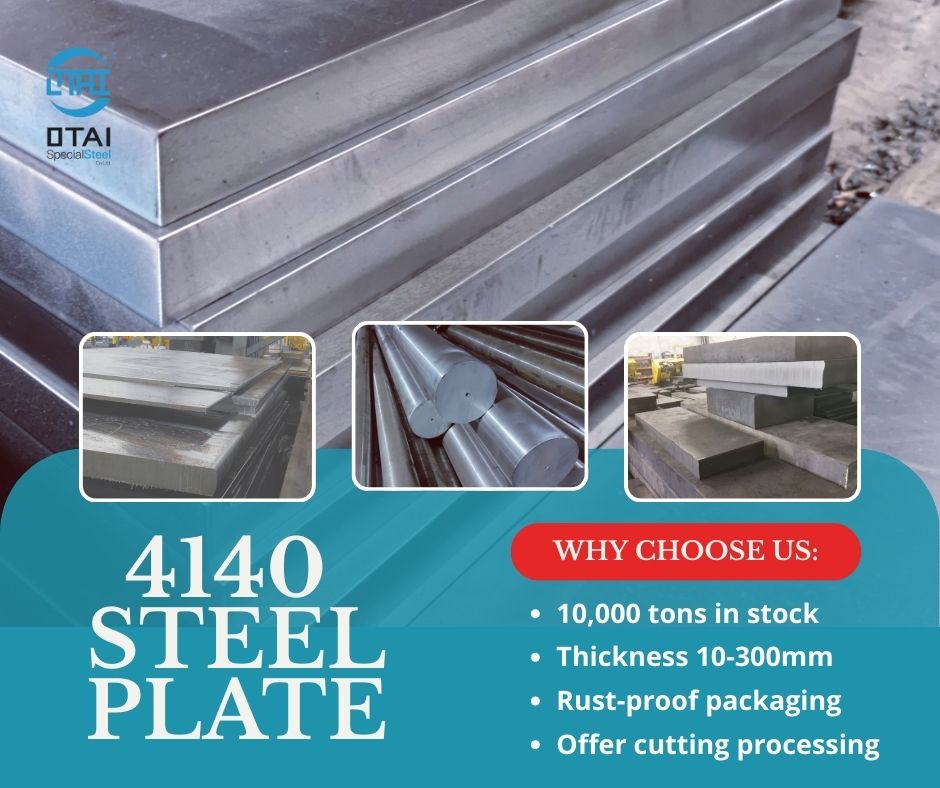
0 0 Continue Reading →

Is 16MnCr5 steel considered carbon steel?

Is 16MnCr5 steel considered carbon steel?Is 16MnCr5 steel considered carbon steel?

16MnCr5 is a versatile alloy steel known for its excellent mechanical properties, making it a popular choice in industries such as automotive and machinery manufacturing. However, there’s a common question that arises: Is 16MnCr5 considered carbon steel? In this article, we will explore the carbon content of 16MnCr5, its properties, and how it compares to other steel grades, particularly in relation to carbon content and strength.


🔍 What Is 16MnCr5 Steel?

16MnCr5 is an alloy steel containing a combination of manganese (Mn) and chromium (Cr). This combination makes it ideal for high-strength, wear-resistant applications. It is widely used for components like gears, shafts, crankshafts, and more, which endure high stress and wear. Its carbon content significantly affects its mechanical properties.

Basic Composition:

  • Manganese (Mn): Improves strength and wear resistance.

  • Chromium (Cr): Increases hardness, toughness, and corrosion resistance.

  • Carbon (C): The key element affecting hardness and strength.

  • Iron (Fe): The base element of the alloy.


🧪 Carbon Content in 16MnCr5

To directly answer: No, 16MnCr5 is not low-carbon steel.

What is Low Carbon Steel?

Low-carbon steels typically contain less than 0.30% carbon. These steels are relatively soft, have good ductility, and are easy to weld. On the other hand, 16MnCr5 contains 0.14-0.19% carbon, which places it in the category of medium-carbon steel.

Carbon Content Breakdown:

  • Low-carbon steel: < 0.30% carbon

  • Medium-carbon steel: 0.30% – 0.60% carbon (16MnCr5 falls into this category)

  • High-carbon steel: > 0.60% carbon

The relatively low carbon content of 16MnCr5 contributes to its toughness and formability, but the presence of chromium and manganese ensures that it retains high strength and hardness, especially after heat treatment.


🛠️ Properties of 16MnCr5 Steel

As a medium-carbon steel, 16MnCr5 combines excellent mechanical properties, making it suitable for various high-performance applications. Let’s dive into the key characteristics:

1. Strength and Hardness

The carbon content and alloying elements like chromium and manganese give 16MnCr5 high tensile strength and excellent resistance to stress. These characteristics make it ideal for mechanical components subject to high loads and forces.

  • Tensile Strength: Around 800-1000 MPa.

  • Yield Strength: Around 550 MPa.

  • Hardness (after heat treatment): Surface hardness can reach 58-62 HRC after carburizing and quenching.

2. Wear Resistance

The presence of chromium in 16MnCr5 boosts its wear resistance, making it an excellent material for gears and other parts exposed to constant friction and wear. This is why it is ideal for automotive and industrial machinery applications.

3. Good Toughness and Ductility

Despite its medium carbon content, 16MnCr5 maintains a solid balance of toughness and ductility. This combination allows it to absorb shock, resist cracking, and endure mechanical stress, which is vital in components like crankshafts and axles.

4. Hardenability

Manganese and chromium enhance the hardenability of 16MnCr5. This means the steel can achieve deep hardening during processes like carburizing and quenching, allowing for a tough core with a hard surface that resists wear.


⚙️ Heat Treatment and Hardenability of 16MnCr5

16MnCr5 undergoes various heat treatment processes, which are essential for achieving optimal hardness and wear resistance. These treatments enable the steel to meet specific demands in high-performance applications.

Carburizing and Tempering:

  • Carburizing increases the surface hardness of 16MnCr5 by introducing carbon into the steel at high temperatures.

  • Quenching, or rapid cooling, after carburizing ensures a hard surface, reaching 58-62 HRC.

  • Tempering follows to relieve internal stresses, improving the toughness of the steel without compromising its hardness.

These heat treatments make 16MnCr5 suitable for components that endure both high wear and high mechanical stress, such as gears and axles.


🏭 Applications of 16MnCr5 Steel

Due to its outstanding mechanical properties, 16MnCr5 is widely used in the following applications:

  • Automotive parts: Crankshafts, camshafts, gears, and drive shafts.

  • Heavy machinery: Bearings, shafts, and gears.

  • Industrial equipment: Structural components, valves, and molds.

  • Tooling applications: Cutting tools, dies, and blades.

The steel’s combination of strength, toughness, and wear resistance makes it the material of choice for components exposed to mechanical stresses in demanding environments.


📊 Comparison: 16MnCr5 Steel vs. Other Steel Grades

Steel Grade Carbon Content Main Elements Properties
16MnCr5 0.14-0.19% Manganese, Chromium High strength, wear resistance, good toughness, and hardenability
AISI 1045 0.45% Manganese Medium strength, good machinability
AISI 4130 0.30% Chromium, Molybdenum High strength, toughness, and hardenability
AISI 4340 0.40-0.50% Nickel, Chromium High toughness, used in aerospace and heavy-duty applications

As shown, 16MnCr5 provides a unique balance of hardness, strength, and toughness, making it well-suited for demanding applications in automotive and heavy machinery.

💪 Company Advantages

At Otai Special Steel, we ensure you get the best materials for your needs. Here’s why you should choose us:

  • Extensive Inventory: We stock over 10,000 tons of various steel products, ensuring fast delivery.

  • Custom Solutions: We offer services like custom cutting, heat treatment, and packaging tailored to your specifications.

  • Quality Assurance: Our products undergo rigorous testing, including chemical composition analysis, ultrasonic testing (UT), and third-party inspections.

  • Global Reach: We supply high-quality steel to major international clients across a range of industries.


Frequently Asked Questions (FAQ)

Q1: Why isn’t 16MnCr5 considered low carbon steel?
A1: 16MnCr5 is medium-carbon steel because it contains between 0.14-0.19% carbon, which is higher than low-carbon steels, typically below 0.30%.

Q2: What makes 16MnCr5 ideal for gears and shafts?
A2: Its high wear resistance, good hardenability, and ability to withstand fatigue make 16MnCr5 perfect for components like gears and shafts that experience mechanical stresses.

Q3: Can 16MnCr5 be welded?
A3: Yes, 16MnCr5 can be welded, but due to its medium-carbon content, welding requires care to avoid cracking. Preheating and post-weld heat treatment are often necessary.

0 0 Continue Reading →

How much does 4140 Steel Plate Cost?

How much does 4140 Steel Plate Cost?How much does 4140 Steel Plate Cost ?

When selecting materials for engineering projects, 4140 steel plate stands out as a top choice due to its combination of strength, toughness, and versatility. However, one of the key considerations for any project is cost. Understanding the factors that influence the cost of 4140 steel plate is essential for making an informed purchasing decision and optimizing your budget. In this article, we’ll break down what impacts the cost of 4140 steel plates, and how you can ensure you’re getting the best value for your money.


🛠️ What is 4140 Steel Plate?

4140 steel is an alloy steel that contains chromium and molybdenum as its primary alloying elements. This combination provides the steel with excellent strength, toughness, and wear resistance, making it ideal for high-stress and high-wear applications in industries such as automotive, aerospace, oil and gas, and construction.

A 4140 steel plate is simply a flat section of 4140 alloy steel that has been cut into plate form, ready to be used in manufacturing, welding, or machining processes. The typical thickness ranges from 6mm to 300mm, offering flexibility for various applications.


🔍 Key Factors Affecting the Cost of 4140 Steel Plate

The cost of 4140 steel plates is influenced by several factors, including material composition, processing, market demand, and even the supplier’s location. Let’s take a closer look at the primary factors that determine 4140 steel plate pricing:

1. Material Thickness and Dimensions

The thickness of the plate is one of the most significant factors in determining its cost. Thicker plates require more raw material, and the processing time for cutting and finishing also increases. For example, a 12mm thick plate will generally be more expensive than a 6mm thick plate, even if they are the same size.

Additionally, the length and width of the plate can impact the overall price, with larger dimensions generally costing more due to the greater amount of raw material required.

Plate Thickness Estimated Price Range (USD per ton)
6mm $900–$1,200
12mm $1,100–$1,400
25mm $1,300–$1,600
50mm $1,500–$2,000
100mm $2,000–$2,500

2. Heat Treatment and Surface Finishing

The heat treatment and surface finishing processes can significantly affect the price of 4140 steel plates. Plates that undergo quenching and tempering to enhance their hardness and strength will typically cost more than standard plates. Additionally, processes like grinding, polishing, or shot blasting to improve the surface finish can also increase the price.

For example:

  • Standard 4140 steel plate (without heat treatment) is more affordable.

  • 4140 steel plates with heat treatment will generally cost 10–30% more depending on the type of heat treatment performed.

3. Quantity and Customization

The quantity you purchase can have a significant impact on the price per ton of 4140 steel plates. Bulk orders often come with discounts, which can help reduce the overall cost. Conversely, small orders or customized sizes may increase the price due to the extra labor and processing involved in cutting and handling.

Quantity Ordered Estimated Price Range (USD per ton)
Small Order (1–5 tons) $1,200–$1,500
Medium Order (10–50 tons) $1,000–$1,300
Large Order (100+ tons) $900–$1,100

4. Market Conditions and Demand

The price of 4140 steel plates is also subject to fluctuations based on market conditions. Factors such as raw material prices (iron ore, chromium, molybdenum), demand in global markets, and geopolitical influences can affect steel prices. For instance, when demand for steel increases in construction or automotive sectors, the price of 4140 steel plates may rise due to limited availability or increased shipping costs.

5. Supplier Location and Delivery Costs

The location of the supplier plays a crucial role in determining the final cost of 4140 steel plates. Plates sourced from suppliers located near steel mills or distribution centers may cost less than those that have to be shipped long distances. Additionally, international shipping fees, import tariffs, and delivery lead times can add to the overall cost.

For example:

  • Domestic suppliers may offer lower shipping costs but could charge more for the material.

  • Overseas suppliers may offer lower material prices, but shipping and customs costs could increase the overall price.


⚙️ How to Minimize the Cost of 4140 Steel Plate

While the cost of 4140 steel plate can be influenced by factors beyond your control, there are several ways to minimize the overall expense of your steel procurement:

  1. Bulk Ordering: Purchasing larger quantities at once can significantly reduce the per-unit price. If you anticipate future needs, consider ordering larger amounts.

  2. Choose Standard Sizes: Opt for standard thicknesses and dimensions instead of customized sizes to avoid extra costs. Many suppliers offer stock 4140 steel plates in common sizes at lower prices.

  3. Work with a Reliable Supplier: Choose a reputable supplier that offers both competitive prices and high-quality materials. Working with a supplier that offers comprehensive services (such as cutting, heat treatment, and custom machining) can provide value and reduce additional costs.

  4. Consider Heat Treatment Needs: If your application does not require extra-hardening or special surface treatments, you can save money by opting for standard 4140 steel plates without additional heat treatment.


🌍 Why Choose Otai Special Steel for Your 4140 Steel Plate Needs?

At Otai Special Steel, we specialize in providing high-quality 4140 steel plates at competitive prices. Here’s why you should consider us for your next project:

Benefit Details
Large Inventory We maintain a large stock of 4140 steel plates in various thicknesses, from 6mm to 300mm.
Customization Options We offer customized cutting, heat treatment, and machining services to meet your specific needs.
Quality Assurance Every plate undergoes chemical composition analysis and third-party inspections to ensure top-notch quality.
Global Delivery We deliver 4140 steel plates worldwide, ensuring reliable and timely delivery.
Expert Consultation Our team of experts is available to guide you in selecting the right material and services for your project.

FAQ: Frequently Asked Questions About 4140 Steel Plate Cost

Q1: Why does the price of 4140 steel plate vary so much?
A1: The price of 4140 steel plate depends on factors such as thickness, heat treatment, quantity, and market conditions. Customization, additional processes, and delivery costs also influence the price.

Q2: Can I get a discount for ordering 4140 steel plates in bulk?
A2: Yes, ordering in larger quantities can often result in a discounted price per ton. Many suppliers offer volume pricing to encourage bulk purchases.

Q3: How can I ensure I’m getting the best value for my money?
A3: Consider working with a reliable supplier like Otai Special Steel, who offers competitive prices, high-quality materials, and additional services such as cutting, heat treatment, and machining to help you save time and costs.

0 0 Continue Reading →

How to Accurately Calculate the Weight of 16MnCr5 Steel

How to Accurately Calculate the Weight of 16MnCr5 SteelHow to Accurately Calculate the Weight of 16MnCr5 Steel

When working with materials like 16MnCr5 steel, knowing the weight of your steel components is crucial for various applications, including manufacturing, shipping, and cost calculations. The 16MnCr5 steel weight calculator provides an easy and accurate way to determine the weight of steel components based on their dimensions. In this article, we’ll guide you through the process of using this tool and explain how it helps engineers and manufacturers save time and reduce errors.


🏗️ What is 16MnCr5 Steel?

16MnCr5 steel is a medium-carbon alloy steel that contains manganese (Mn) and chromium (Cr), providing excellent strength, wear resistance, and toughness. It’s often used for high-stress applications like gears, shafts, crankshafts, and other critical automotive and industrial components.

To work effectively with 16MnCr5 steel, you must know its weight, which varies depending on the dimensions and density of the material. The standard density of 16MnCr5 steel is approximately 7.85 g/cm³ (or 7850 kg/m³), but the weight calculation requires precise measurements of the steel component.


📏 How to Calculate the Weight of 16MnCr5 Steel

The weight of 16MnCr5 steel can be calculated using a simple formula:

Weight=Density×Volume

Where:

  • Density: The standard density of 16MnCr5 steel is approximately 7.85 g/cm³ (or 7850 kg/m³).
  • Volume: The volume of the steel component is calculated based on its shape and dimensions.

1. For Rectangular Bars and Plates:

If you have a rectangular bar or plate, you can calculate the volume by multiplying the length, width, and height (thickness) of the component.

Volume=Length×Width×Height

For example, if you have a 16MnCr5 steel plate with the following dimensions:

  • Length = 200 cm
  • Width = 100 cm
  • Height (Thickness) = 2 cm

The volume would be:

Volume=200cm×100cm×2cm=40,000cm³

Then, multiply the volume by the density to get the weight:

Weight=7.85g/cm³×40,000cm3=314,000g or 314kg

2. For Cylindrical Bars (Round Bars):

For cylindrical steel bars, the formula for the volume is:

Volume=π×(Diameter​/2)²×Length

For example, if you have a 16MnCr5 steel round bar with:

  • Diameter = 10 cm
  • Length = 50 cm

The volume would be:

Volume=π×(10​/2)²×50=3.1416×25×50=3,926.99cm³

Now, multiply the volume by the density to find the weight:

Weight=7.85g/cm³×3,926.99cm³=30,850.9g or 30.85kg


🔧 The Importance of Accurate Weight Calculations

Accurately calculating the weight of 16MnCr5 steel is essential for several reasons:

  1. Cost Estimation: The weight of the material directly impacts the cost of production, shipping, and handling. Manufacturers need to calculate the weight to estimate material costs and avoid over- or underestimating expenses.
  2. Load-Bearing Capacity: When designing components that must support specific loads or forces, understanding the weight of the material ensures the component meets safety standards and performance criteria.
  3. Quality Control: Consistency in the weight of 16MnCr5 steel parts ensures uniformity in production. Deviations in weight can indicate inconsistencies in the material or manufacturing process.
  4. Transport and Logistics: For large steel orders, accurate weight calculations help with logistics planning, including the choice of transport and the cost of shipping.

📊 Common 16MnCr5 Steel Weights for Common Shapes

Here’s a quick reference chart for the weight calculations of common 16MnCr5 steel shapes based on typical dimensions:

Shape Dimensions (Length x Width x Height) Approximate Weight
Rectangular Plate 200 cm x 100 cm x 2 cm 314 kg
Round Bar 10 cm Diameter, 50 cm Length 30.85 kg
Square Bar 10 cm x 10 cm x 100 cm 78.5 kg

This chart is based on the standard density of 7.85 g/cm³ for 16MnCr5 steel. For different dimensions, you can use the calculation formulas discussed earlier.


🏆 Why Choose Otai Special Steel for Your 16MnCr5 Steel Needs?

At Otai Special Steel, we provide premium 16MnCr5 steel that meets international quality standards. Whether you need rectangular plates, round bars, or custom-shaped components, we offer precise cutting, heat treatment, and packaging to ensure that your materials are perfect for your application.

Advantages of Choosing Otai Special Steel:

  • Premium Quality: We offer only the highest quality 16MnCr5 steel with consistent properties and dimensions.
  • Custom Orders: We can provide custom shapes and dimensions based on your specific needs.
  • Fast Delivery: Our extensive inventory and fast delivery system ensure you get your materials on time.
  • Competitive Pricing: We provide cost-effective solutions without compromising on quality.

Frequently Asked Questions (FAQ)

Q1: How do I calculate the weight of 16MnCr5 steel?

  • A1: To calculate the weight of 16MnCr5 steel, you need to know the volume of the component (using its dimensions) and then multiply it by the density of the material, which is 7.85 g/cm³.

Q2: Can I use a weight calculator for irregular shapes?

  • A2: Yes, the weight calculator can be used for irregularly shaped components. However, you may need to break down the shape into smaller regular shapes (like cubes, cylinders, or plates) to calculate the total volume and weight.

Q3: How does the weight of 16MnCr5 steel affect my project?

  • A3: Accurate weight calculations are crucial for cost estimation, load-bearing capacity, quality control, and logistics planning, ensuring that your project stays within budget and meets safety requirements.
0 0 Continue Reading →

Similar steel to 4140: Which Steel Should You Choose?

Similar steel to 4140: Which Steel Should You Choose?Similar steel to 4140: Which Steel Should You Choose?

4140 steel is known for its excellent balance of strength, toughness, and wear resistance, making it a popular choice in industries like automotive, aerospace, and manufacturing. But what if you need a steel with similar properties but with slight variations to meet specific application requirements? In this article, we’ll explore some steel alloys similar to 4140 that provide comparable or enhanced properties, making them ideal alternatives for demanding industrial uses.


🌟 What Makes 4140 Steel Special?

Before diving into its alternatives, it’s essential to understand what makes 4140 steel unique. As an alloy steel, it contains:

Element Percentage
Carbon (C) 0.38–0.43%
Chromium (Cr) 0.80–1.10%
Molybdenum (Mo) 0.15–0.25%
Manganese (Mn) 0.60–0.90%
Silicon (Si) 0.20–0.35%

These elements provide 4140 steel with the ability to maintain high tensile strength, impact resistance, and fatigue resistance, even under harsh conditions. It also responds well to heat treatment, offering versatility in applications like gears, axles, crankshafts, and more.

But what if you need a steel that is almost as strong or offers specific enhancements, such as higher corrosion resistance or improved hardenability? Let’s look at some alternatives that share similar characteristics with 4140 steel.


🔧 1. 4340 Steel: A Stronger Alternative

4340 steel is often considered one of the closest alternatives to 4140 steel. It shares many of the same alloying elements but with higher nickel content, which increases its toughness and strength, especially at low temperatures.

Key Features of 4340 Steel:

Property 4340 Steel
Tensile Strength 1080–1200 MPa
Nickel Content 1.65–2.00%
Impact Toughness Very high
Fatigue Resistance Excellent

4340 steel is commonly used in industries where superior toughness and fatigue resistance are critical, such as aerospace, automotive, and marine applications.


🔨 2. 4130 Steel: A More Cost-Effective Choice

While 4130 steel is slightly lower in strength compared to 4140 steel, it is an affordable alternative that still offers good toughness, weldability, and machinability. The lower carbon content (0.28–0.33%) gives it better weldability and lower hardness, making it an excellent choice for projects where welding is necessary.

Key Features of 4130 Steel:

Property 4130 Steel
Tensile Strength 700–900 MPa
Carbon Content 0.28–0.33%
Weldability Excellent
Cost More affordable

4130 steel is widely used in aircraft frames, racing car chassis, and bicycles—where strength is important, but weldability and cost play a larger role.


⚙️ 3. 8620 Steel: Ideal for Gears and Shafts

8620 steel is another close alternative to 4140 steel, particularly when dealing with gears, shafts, and crankshafts that require high toughness and wear resistance. The key difference is in the nickel content, which provides improved hardenability.

Key Features of 8620 Steel:

Property 8620 Steel
Tensile Strength 950–1100 MPa
Nickel Content 0.30–0.60%
Case Hardening Excellent
Wear Resistance High

With its strong case-hardened surface, 8620 steel is a popular choice for manufacturing gears and machine components that undergo high levels of wear but do not require through-hardening.


🛠️ 4. 4150 Steel: A High-Strength Alternative

4150 steel is very similar to 4140 steel, but it contains slightly higher carbon content and can be alloyed with vanadium to further increase its strength and wear resistance. As a result, 4150 steel often has higher tensile strength and hardness, making it suitable for heavy-duty applications.

Key Features of 4150 Steel:

Property 4150 Steel
Tensile Strength 1000–1200 MPa
Carbon Content 0.48–0.53%
Vanadium Content 0.10–0.20%
Wear Resistance Very high

4150 steel is a great choice for military, construction, and oilfield equipment where extreme strength and wear resistance are required.


🌍 5. 4142 Steel: Strong and Tough

4142 steel is another strong alternative that offers higher strength and wear resistance compared to 4140 steel. It also has good machinability and weldability, making it ideal for applications requiring a combination of both strength and ease of processing.

Key Features of 4142 Steel:

Property 4142 Steel
Tensile Strength 1000–1100 MPa
Carbon Content 0.42–0.50%
Machinability Good
Weldability Good

4142 steel works well in automotive, manufacturing, and hydraulic components where a higher strength-to-weight ratio is needed.


🏗️ Which Steel Should You Choose?

When selecting a steel similar to 4140, the choice ultimately depends on your application’s specific needs:

Steel Key Strength Ideal Use Case
4340 Steel Higher toughness and fatigue resistance Aerospace, automotive, heavy-duty machinery
4130 Steel Lower strength, better weldability Aircraft frames, racing car chassis, bicycles
8620 Steel Excellent case hardening properties Gears, shafts, pistons
4150 Steel Higher strength and wear resistance Military vehicles, construction, oilfield equipment
4142 Steel Strong and tough with good machinability Automotive, hydraulic components

🏆 Why Choose Otai Special Steel for Your Steel Needs?

At Otai Special Steel, we specialize in providing high-quality alloy steels like 4140 and its alternatives. Here’s why you should consider working with us:

  • Large Inventory: We maintain a large stock of 4140 steel and similar alloys, ready to meet your specific requirements.

  • Customization: We offer cutting, heat treatment, and surface finishing services to ensure our steel meets your exact specifications.

  • Quality Assurance: Every product undergoes strict quality testing, ensuring superior performance and durability.

  • Global Reach: With experience supplying top-quality steel globally, we provide reliable materials for demanding applications.


FAQ: Common Questions About Steel Similar to 4140

Q1: What is the main difference between 4140 steel and 4340 steel?
A1: The main difference is that 4340 steel contains higher nickel content, which enhances toughness and fatigue resistance, making it ideal for more demanding applications like aerospace.

Q2: Is 4130 steel a good substitute for 4140 steel?
A2: 4130 steel is a lower-strength alternative, but it offers better weldability and is more cost-effective, making it ideal for lighter-duty applications.

Q3: Can 8620 steel be used for applications requiring high wear resistance?
A3: Yes, 8620 steel offers excellent case-hardening properties, making it a great choice for gears and shafts that need to withstand wear without sacrificing toughness.

0 0 Continue Reading →

Alloy Steel 16MnCr5 – Performance, Structure, and Engineering Value

Alloy Steel 16MnCr5 – Performance, Structure, and Engineering ValueAlloy Steel 16MnCr5 – Performance, Structure, and Engineering Value

When engineers evaluate materials for gears, shafts, and dynamically loaded components, alloy steel 16MnCr5 often emerges as a highly practical solution. Instead of maximizing strength alone, this steel grade focuses on balanced mechanical behavior, combining surface hardness with core toughness. As a result, it performs reliably in long-term service under cyclic loads.

Unlike plain carbon steels, alloy steel 16MnCr5 uses controlled alloying with manganese and chromium to improve hardenability, fatigue resistance, and wear performance. Therefore, it plays a central role in automotive, industrial transmission, and heavy machinery applications.

This article explores alloy steel 16MnCr5 from an engineering perspective, covering its composition logic, mechanical behavior, heat treatment response, and real-world applications.


1. What Is Alloy Steel 16MnCr5?

Alloy steel 16MnCr5 is a low-carbon chromium-manganese alloy steel defined under EN 10084. Engineers primarily classify it as a case-hardening steel, meaning it develops a hard surface after carburizing while maintaining a tough and ductile core.

Unlike through-hardened steels, 16MnCr5 does not rely on bulk hardness. Instead, it uses carbon diffusion and phase transformation to achieve dual-performance behavior. Consequently, designers can reduce failure risk in impact-loaded or fatigue-sensitive components.


2. Chemical Composition and Alloying Strategy

The chemical composition of alloy steel 16MnCr5 explains its predictable mechanical response and heat treatment stability.

Typical Chemical Composition (wt.%)

Element Content Range
Carbon (C) 0.14 – 0.19
Manganese (Mn) 1.00 – 1.30
Chromium (Cr) 0.80 – 1.10
Silicon (Si) ≤ 0.40
Phosphorus (P) ≤ 0.025
Sulfur (S) ≤ 0.035

Each alloying element serves a clear function:

  • Manganese improves hardenability and core strength

  • Chromium enhances wear resistance and fatigue performance

  • Low carbon content preserves toughness after carburizing

As a result, alloy steel 16MnCr5 responds uniformly to industrial heat treatment processes.


3. Mechanical Properties of Alloy Steel 16MnCr5

Mechanical performance defines the real value of any engineering steel. In alloy steel 16MnCr5, these properties vary depending on condition and heat treatment.

Mechanical Properties (Normalized / Soft Condition)

Property Typical Value
Tensile strength 650 – 800 MPa
Yield strength 380 – 500 MPa
Elongation (A5) 12 – 16%
Impact toughness (+20 °C) ≥ 40 J
Brinell hardness 170 – 220 HB

These values already exceed many plain carbon steels. However, the true advantage appears after carburizing and quenching.


4. Effect of Carburizing on Mechanical Performance

Carburizing transforms alloy steel 16MnCr5 into a dual-structure material. The surface converts into high-carbon martensite, while the core retains a low-carbon bainitic or tempered martensitic structure.

After Carburizing + Quenching + Tempering

Zone Typical Property
Surface hardness 58 – 62 HRC
Effective case depth 0.8 – 1.5 mm
Core tensile strength 800 – 950 MPa
Core toughness High
Wear resistance Excellent

Therefore, alloy steel 16MnCr5 resists surface wear while absorbing internal stress. This balance significantly improves fatigue life compared with through-hardened steels.


5. Fatigue Strength and Load Behavior

Fatigue failure often limits component life more than static overload. Alloy steel 16MnCr5 addresses this challenge in three ways:

  1. Hardened surface delays crack initiation

  2. Tough core slows crack propagation

  3. Residual compressive stress improves fatigue endurance

As a result, gears and shafts made from 16MnCr5 often outperform higher-strength steels in real service conditions.

Moreover, designers can optimize case depth and core hardness based on expected load cycles, which increases design flexibility.


6. Comparison with Similar Alloy Steels

To understand where alloy steel 16MnCr5 fits best, comparison with related grades helps.

Comparison with Similar Steels

Steel Grade Heat Treatment Style Strength Focus Typical Use
16MnCr5 Case-hardened Fatigue + wear Gears, shafts
20MnCr5 Case-hardened Higher load Heavy gears
42CrMo4 Through-hardened Max strength High-stress shafts
C45 Normalized / Q&T Cost-driven General parts

Unlike 42CrMo4, alloy steel 16MnCr5 sacrifices peak strength to gain durability and fatigue reliability. Therefore, it suits rotating components better than purely strength-driven designs.


7. Machinability and Manufacturing Considerations

Before carburizing, alloy steel 16MnCr5 machines easily in the soft condition. This characteristic reduces tool wear and improves dimensional accuracy.

Key advantages include:

  • Stable chip formation

  • Low risk of machining cracks

  • Good surface finish before heat treatment

After carburizing, grinding and finishing operations refine gear profiles and bearing surfaces. Therefore, manufacturers often integrate 16MnCr5 smoothly into high-volume production lines.


8. Typical Applications of Alloy Steel 16MnCr5

Thanks to its balanced properties, alloy steel 16MnCr5 appears in many industries:

  • Automotive transmission gears

  • Differential pinions

  • Industrial gearboxes

  • Conveyor drive systems

  • Agricultural machinery components

In each case, engineers prioritize fatigue resistance, wear life, and predictable performance rather than maximum hardness alone.


Company Advantages – Otai Special Steel

Otai Special Steel supplies alloy steel 16MnCr5 with stable quality and consistent mechanical performance.

Our strengths include:

  • Large inventory of EN 10084 alloy steels

  • Thicknesses and sizes for bars, plates, and forgings

  • Custom cutting and heat-treatment coordination

  • UT testing, chemical analysis, and third-party inspection

  • Long-term supply experience for global OEMs and distributors

We focus on helping customers match steel properties to real service conditions, not just datasheet values.


FAQ

Q1: Is 16MnCr5 steel suitable for high-speed gears?
Yes. Its carburized surface resists wear, while the tough core handles cyclic stress effectively.

Q2: Can 16MnCr5 replace 20MnCr5?
In moderate load conditions, yes. For heavier loads, 20MnCr5 may offer higher core strength.

Q3: Does alloy steel 16MnCr5 require strict heat treatment control?
Yes. Proper carburizing depth and tempering temperature directly affect fatigue life and toughness.

0 0 Continue Reading →

Low Alloy 4140 Steel – Properties and Engineering Applications

Low Alloy 4140 Steel – Properties and Engineering Applications

In mechanical engineering and industrial manufacturing, material selection often determines whether a component achieves long service life or fails prematurely. Among widely used engineering steels, low alloy 4140 steel occupies a unique position. It combines solid strength, good toughness, and reliable heat treatment response without excessive alloy content.

Instead of focusing on extreme hardness or ultra-high tensile strength, low alloy 4140 steel delivers balanced mechanical performance. Therefore, engineers frequently select it for shafts, gears, bolts, and structural components that operate under combined loads. Moreover, its availability in plate, bar, and forging forms makes it adaptable across industries.

This article explores low alloy 4140 steel from a practical engineering perspective, covering its alloy design, mechanical behavior, heat treatment response, and real-world applications.


1. What Is Low Alloy 4140 Steel?

Low alloy 4140 steel is a chromium-molybdenum alloy steel defined under ASTM A29 / A322 and equivalent international standards. The term “low alloy” indicates that the total alloying content remains relatively modest, typically below 5%. However, even small additions of chromium and molybdenum significantly enhance performance.

Unlike plain carbon steels, low alloy 4140 steel offers:

  • Improved hardenability

  • Better strength-to-weight ratio

  • More stable mechanical properties after heat treatment

As a result, it bridges the gap between basic carbon steels and high-alloy specialty steels.


2. Chemical Composition and Alloying Logic

The performance of low alloy 4140 steel begins with its carefully controlled composition.

Typical Chemical Composition (wt.%)

Element Content Range
Carbon (C) 0.38 – 0.43
Chromium (Cr) 0.80 – 1.10
Molybdenum (Mo) 0.15 – 0.25
Manganese (Mn) 0.75 – 1.00
Silicon (Si) 0.15 – 0.35
Phosphorus (P) ≤ 0.035
Sulfur (S) ≤ 0.040

Each element serves a specific role:

  • Carbon provides base strength and hardness potential

  • Chromium improves wear resistance and hardenability

  • Molybdenum enhances toughness and high-temperature strength

  • Manganese supports strength and uniform microstructure

Therefore, low alloy 4140 steel maintains predictable behavior during quenching and tempering.


3. Mechanical Properties of Low Alloy 4140 Steel

Mechanical performance defines the engineering value of low alloy 4140 steel. These properties vary depending on heat treatment condition.

Mechanical Properties (Quenched and Tempered Condition)

Property Typical Range
Tensile strength 850 – 1000 MPa
Yield strength 650 – 850 MPa
Elongation (A5) 12 – 16%
Impact toughness (Charpy, +20 °C) 35 – 55 J
Hardness 28 – 32 HRC

This combination allows components to withstand high stress while maintaining adequate ductility. Consequently, engineers rely on low alloy 4140 steel for parts exposed to shock and cyclic loading.


4. Strength–Toughness Balance

Strength alone does not guarantee durability. In fact, excessive hardness often increases brittleness. Low alloy 4140 steel addresses this issue by offering a balanced strength–toughness profile.

  • Yield strength controls elastic deformation

  • Tensile strength defines overload resistance

  • Toughness absorbs impact energy

Therefore, shafts and fasteners made from 4140 steel resist cracking under sudden load changes. Moreover, designers can fine-tune properties by adjusting tempering temperature.


5. Heat Treatment Response

One major advantage of low alloy 4140 steel lies in its excellent heat treatment flexibility.

Common heat treatment routes include:

  • Normalizing for grain refinement

  • Quenching and tempering for strength control

  • Induction hardening for localized surface hardness

Effect of Tempering Temperature

Tempering Temperature Resulting Property Trend
Low (200–300 °C) Higher hardness, lower toughness
Medium (400–500 °C) Balanced strength and toughness
High (550–650 °C) Lower strength, higher ductility

As a result, engineers can match material behavior precisely to service requirements.


6. Fatigue Performance and Load Behavior

Fatigue failure often governs the service life of rotating components. Low alloy 4140 steel performs well under cyclic loading due to:

  • Uniform tempered martensitic structure

  • Good surface finish capability

  • Stable residual stress distribution

Moreover, induction-hardened surfaces further improve fatigue resistance without compromising core toughness. Therefore, 4140 steel often outperforms plain carbon steels in real-world fatigue conditions.


7. Comparison with Other Common Steels

To understand where low alloy 4140 steel fits best, a comparison with alternative grades helps.

Comparison with Similar Engineering Steels

Steel Grade Strength Level Toughness Typical Use
4140 High Good Shafts, bolts, gears
1045 Medium Medium General-purpose parts
4340 Very high Very high Aerospace, heavy-duty shafts
42CrMo4 High Good Machinery components

Compared with 4340, low alloy 4140 steel offers lower cost and easier processing. Compared with 1045, it delivers superior strength and fatigue life.


8. Typical Applications of Low Alloy 4140 Steel

Thanks to its balanced properties, low alloy 4140 steel serves many industries:

  • Power transmission shafts

  • Automotive axles and spindles

  • High-strength bolts and studs

  • Industrial gears

  • Oil and gas tooling components

In these applications, engineers value reliability, machinability, and predictable performance over extreme alloying.


Company Advantages – Otai Special Steel

Otai Special Steel supplies alloy 4140 steel with stable quality and consistent mechanical performance.

Why customers work with us:

  • Large stock of 4140 plates, bars, and forgings

  • Thickness range from 6 mm to 300 mm

  • UT testing and chemical composition verification

  • Custom cutting and heat-treatment coordination

  • Long-term supply experience for global clients

We focus on solving material selection and supply challenges, not just delivering steel.


FAQ

Q1: Is alloy 4140 steel suitable for high-stress shafts?
Yes. Its strength and toughness balance suits shafts under combined bending and torsion.

Q2: Can 4140 steel replace 4340 in all applications?
No. For extreme load or low-temperature service, 4340 may perform better. However, 4140 often meets requirements at lower cost.

Q3: Does alloy 4140 steel machine well?
Yes. In the annealed or normalized condition, it offers good machinability.

0 0 Continue Reading →

16MnCr5 Steel Mechanical Properties: Strength and Toughness

16MnCr5 Steel Mechanical Properties: Strength and Toughness16MnCr5 Steel Mechanical Properties: Strength and Toughness

When engineers select materials for load-bearing and wear-resistant components, mechanical properties often play a decisive role. Among carburizing alloy steels, 16MnCr5 steel stands out for its balanced combination of strength, toughness, fatigue resistance, and surface hardness potential.

Rather than relying on a single strength value, engineers evaluate 16MnCr5 steel mechanical properties as a complete system. Tensile strength, yield strength, elongation, impact toughness, and hardness all interact with heat treatment and service conditions. Therefore, understanding these properties in context helps designers avoid premature failure and over-engineering.

This article explains the mechanical behavior of 16MnCr5 steel, shows how heat treatment changes performance, and compares it with similar grades commonly used in industry.


1. Mechanical Property Overview of 16MnCr5 Steel

16MnCr5 belongs to the EN 10084 standard and functions primarily as a case-hardening steel. Engineers typically carburize it to achieve a hard wear-resistant surface while preserving a tough, ductile core.

Typical Mechanical Properties (Normalized or Soft-Annealed Condition)

Property Typical Range
Tensile strength 650 – 800 MPa
Yield strength 380 – 500 MPa
Elongation (A5) 12 – 16%
Impact toughness (Charpy, +20 °C) ≥ 40 J
Brinell hardness 170 – 220 HB

These baseline values already provide good strength and ductility. However, heat treatment dramatically reshapes the final mechanical performance, which explains why engineers rarely use 16MnCr5 in untreated form.


2. Effect of Carburizing on Mechanical Properties

Carburizing transforms 16MnCr5 steel mechanical properties more than any other process. During carburizing, carbon diffuses into the surface layer. Subsequent quenching and tempering then create a hard martensitic case while maintaining a tough core.

Mechanical Properties After Carburizing + Quenching

Property Core Surface (Case)
Hardness 30 – 38 HRC 58 – 62 HRC
Tensile strength 800 – 950 MPa Not typically specified
Yield strength 600 – 750 MPa
Impact toughness High Lower (controlled by case depth)
Wear resistance Moderate Excellent

As a result, 16MnCr5 achieves dual performance. The surface resists wear and pitting, while the core absorbs shock and cyclic stress. This balance explains why designers favor it for gears and shafts.


3. Tensile and Yield Strength Behavior

Tensile and yield strength define how a material responds to static loads. In 16MnCr5 steel, these values depend strongly on core condition, not the hardened surface.

  • The yield strength controls elastic deformation limits under torque or bending.

  • The tensile strength defines resistance to fracture under extreme loads.

After carburizing and tempering, the core strength typically rises by 20–30% compared to the normalized state. Therefore, designers can reduce section thickness without sacrificing safety.

Moreover, compared with plain carbon steels such as C15 or C20, 16MnCr5 maintains higher strength at similar hardness levels. This advantage becomes critical in compact gearbox designs.


4. Ductility and Elongation

Ductility plays a vital role in shock-loaded components. Unlike fully through-hardened steels, 16MnCr5 preserves core ductility even after aggressive surface hardening.

Typical elongation values:

  • Soft condition: 14–16%

  • Carburized and tempered (core): 8–12%

Although elongation decreases after heat treatment, the remaining ductility still allows controlled plastic deformation. Consequently, components fail gradually rather than catastrophically.


5. Impact Toughness and Fatigue Resistance

Impact toughness often separates reliable steels from brittle failures. 16MnCr5 performs well in this area due to its low-carbon core.

  • The tough core absorbs impact energy.

  • The hardened surface prevents crack initiation from wear.

In fatigue applications, the hardened case improves surface compressive stress, which delays crack formation. As a result, fatigue strength increases significantly compared with non-carburized steels.

This behavior makes 16MnCr5 suitable for:

  • Transmission gears

  • Automotive shafts

  • Industrial drive components


6. Comparison with Similar Steels

To better understand 16MnCr5 steel mechanical properties, it helps to compare it with commonly used alternatives.

Mechanical Property Comparison

Steel Grade Core Strength Surface Hardness Potential Toughness Typical Use
16MnCr5 Medium-High Very High (carburized) High Gears, shafts
20MnCr5 Higher Very High Medium Heavy gears
C45 Medium Limited Medium General shafts
42CrMo4 Very High Through-hardening Lower impact High-stress parts

Unlike 42CrMo4, 16MnCr5 prioritizes fatigue life and wear resistance over maximum tensile strength. Therefore, it often outperforms stronger steels in real-world cyclic loading.


7. Influence of Heat Treatment Parameters

Heat treatment controls final mechanical performance more than chemical composition alone. Engineers adjust:

  • Carburizing temperature

  • Case depth

  • Quenching medium

  • Tempering temperature

A deeper case increases wear resistance but reduces impact toughness. Therefore, designers must balance surface hardness and core flexibility. Proper process control ensures consistent 16MnCr5 steel mechanical properties across production batches.


8. Common Industrial Applications Based on Mechanical Properties

Mechanical behavior directly dictates application choice.

  • Automotive gears benefit from high surface hardness and fatigue strength

  • Transmission shafts rely on core toughness and yield strength

  • Industrial couplings require controlled ductility

  • Agricultural machinery values wear resistance combined with shock tolerance

Because 16MnCr5 adapts well to different heat treatments, engineers can tune its properties to specific load cases.


Company Advantages – Otai Special Steel

Otai Special Steel supplies 16MnCr5 steel with strict control over chemical composition and mechanical performance.

Why customers choose Otai Special Steel:

  • Large inventory of EN 10084 grades

  • Stable mechanical property consistency

  • Custom cutting and heat-treatment support

  • UT testing and third-party inspection available

  • Experience serving automotive, machinery, and gear manufacturers worldwide

We help customers match mechanical properties to real application demands, not just datasheet values.


FAQ

Q1: Are 16MnCr5 steel mechanical properties suitable for high-cycle fatigue?
Yes. The carburized surface improves fatigue resistance, while the tough core prevents brittle fracture.

Q2: Can 16MnCr5 replace 20MnCr5 in some applications?
Yes. In moderate load conditions, 16MnCr5 often provides sufficient strength with better toughness.

Q3: Does carburizing always improve mechanical performance?
It improves wear and fatigue resistance. However, excessive case depth may reduce impact toughness.

0 0 Continue Reading →

Brinell Hardness of 4140 Steel: Understanding Its Impact on Performance

Brinell Hardness of 4140 Steel: Understanding Its Impact on Performance

4140 steel is well-known for its strength, toughness, and versatility. Industries like automotive, machinery, and aerospace rely on 4140 steel for making components that must endure high mechanical stresses. One of the most important properties of 4140 steel is its Brinell hardness, which significantly impacts its performance and suitability for different applications. This article explores the Brinell hardness of 4140 steel, its effects on the material’s characteristics, and why it’s crucial in selecting steel for various uses.


🏗️ What is Brinell Hardness?

Brinell hardness measures a material’s resistance to indentation. A hard steel or carbide ball presses into the material under a specified load, and the Brinell hardness number (BHN) is calculated by measuring the size of the indentation left behind.

This test is commonly used for metals, especially those with coarse grains. It helps gauge a material’s strength, wear resistance, and durability. For 4140 steel, understanding its Brinell hardness is essential to assess how well it will perform in different applications.


🔧 Brinell Hardness of 4140 Steel

The Brinell hardness of 4140 steel typically ranges from 200 to 250 HB, depending on the heat treatment and condition of the steel. Several factors, including carbon content, manganese, chromium, and the steel’s processing method, affect this value.

Here’s how the Brinell hardness influences the performance of 4140 steel:

1. Tensile Strength and Durability

  • 4140 steel offers a tensile strength ranging from 850 MPa to 1000 MPa. The Brinell hardness of 200-250 HB enhances its ability to withstand mechanical stresses, making it ideal for manufacturing parts like gears, shafts, and crankshafts.

2. Wear Resistance

  • A higher Brinell hardness improves wear resistance, enabling 4140 alloy to resist surface damage caused by friction. This makes it suitable for applications that experience frequent wear, such as gears, bearings, and cutting tools.

3. Impact Resistance

  • The Brinell hardness also influences impact resistance. 4140 material with a Brinell hardness of 200-250 HB balances hardness with toughness, making it durable in both high-wear and impact-prone environments. It excels in applications like automotive components and machinery parts.

4. Heat Treatment and Hardness

  • The Brinell hardness of 4140 steel is closely tied to its heat treatment. For example:

    • Normalized 4140 steel typically achieves 200-250 HB.

    • Tempering and quenching increase the hardness but may decrease toughness.

    • Annealing lowers the hardness for applications requiring more ductility and toughness.


🔨 How Brinell Hardness Affects 4140 Steel’s Applications

The Brinell hardness of 4140 steel plays a significant role in determining its suitability for various applications. Here’s how it impacts its use in different industries:

1. Automotive and Aerospace

  • 4140 steel with a Brinell hardness of 200-250 HB is commonly used for gears, shafts, and crankshafts. The hardness ensures these components can endure high mechanical loads while maintaining their strength and durability under stress.

2. Industrial Machinery

  • 4140 steel is frequently used in gears, bearings, and shafts within industrial machinery. The Brinell hardness ensures that these parts withstand abrasion and retain their integrity under high-stress operations.

3. Tools and Dies

  • 4140 steel is a popular material for cutting tools, dies, and press tools. The wear resistance and toughness provided by the Brinell hardness make it ideal for tooling applications that require high strength and resilience.

4. Heavy Equipment

  • In heavy equipment, 4140 material is used in axles, gears, and hydraulic parts. The Brinell hardness helps resist wear and maintain toughness under extreme operational conditions.


📊 Brinell Hardness Comparison for 4140 Steel

Steel Condition Brinell Hardness (HB) Applications
Normalized 4140 Steel 200-250 HB General engineering components like gears, shafts, crankshafts
Quenched and Tempered 4140 250-300 HB Heavy-duty parts, automotive, machinery
Annealed 4140 Steel 150-200 HB Components requiring high ductility and toughness

🏆 Why Choose Otai Special Steel for Your 4140 Steel Needs?

At Otai Special Steel, we supply high-quality 4140 steel that meets the desired Brinell hardness for various industrial applications. Our custom cutting, heat treatment, and machining services ensure that the steel fits your specific needs.

Advantages of Working with Otai Special Steel:

  • High-Quality Materials: Our 4140 steel offers consistent Brinell hardness and meets high-performance standards.

  • Customization: We offer custom cutting, heat treatment, and machining services tailored to your needs.

  • Competitive Pricing: We provide high-performance steel at competitive prices, ensuring excellent value for your projects.

  • Fast Delivery: With an extensive inventory, we guarantee fast and reliable delivery to meet your deadlines.


Frequently Asked Questions (FAQ)

Q1: What is the typical Brinell hardness of 4140 steel?

  • A1: The typical Brinell hardness of 4140 steel ranges from 200 to 250 HB, depending on the heat treatment and steel condition.

Q2: How does Brinell hardness affect the performance of 4140 steel?

  • A2: Brinell hardness determines the wear resistance and strength of 4140 steel. A higher Brinell hardness improves wear resistance but may decrease ductility.

Q3: Can 4140 steel be used for high-wear components?

  • A3: Yes, 4140 steel’s Brinell hardness makes it suitable for applications like gears, bearings, and cutting tools where wear resistance is crucial.

0 0 Continue Reading →

16MnCr5 Steel Uses: Versatility and Applications in Industry

16MnCr5 Steel Uses: Versatility and Applications in Industry16MnCr5 Steel Uses: Versatility and Applications in Industry

16MnCr5 steel is a high-performance, medium-carbon alloy steel known for its strength, toughness, and wear resistance. These qualities make it a preferred material for components that must endure high mechanical stress and harsh operating conditions. 16MnCr5 steel excels in applications where toughness, fatigue resistance, and wear resistance are crucial. In this article, we’ll explore its various uses and how it performs across industries.


🏗️ What is 16MnCr5 Steel?

16MnCr5 steel is a low-alloy, medium-carbon steel that includes manganese and chromium as its main alloying elements. Manganese improves its strength and toughness, while chromium enhances its wear resistance and hardness. The combination of these properties makes 16MnCr5 a well-balanced material for a wide range of demanding applications.


🔧 Key Properties of 16MnCr5 Steel

Before we explore its uses, let’s review the key properties of 16MnCr5 steel:

  1. Tensile Strength: 16MnCr5 steel offers high tensile strength, typically ranging from 800 MPa to 1000 MPa, allowing it to withstand substantial mechanical stress.

  2. Hardness: With a Brinell hardness between 200-250 HB, 16MnCr5 steel provides excellent wear resistance, making it ideal for parts exposed to friction and wear.

  3. Ductility and Toughness: This steel has good ductility, allowing it to absorb energy under stress without fracturing. This property makes it suitable for components that undergo impact loading.

  4. Fatigue Resistance: 16MnCr5 steel performs well under cyclic loading and fatigue, making it perfect for parts exposed to repetitive stresses over time.


🔨 Common Uses of 16MnCr5 Steel

Thanks to its high strength and wear resistance, 16MnCr5 steel finds applications in several industries. Here are some of its most common uses:

1. Automotive Industry

  • 16MnCr5 steel is used extensively in the automotive industry to manufacture gears, shafts, crankshafts, and axles. These parts face high torque and dynamic stresses, and 16MnCr5 ensures they remain durable and reliable under tough conditions.

  • 16MnCr5‘s wear resistance makes it an excellent choice for gears in transmissions and differentials, where performance and reliability are essential.

2. Industrial Machinery

  • 16MnCr5 steel is essential in industrial machinery for bearings, gears, and camshafts. These parts endure continuous wear, high torque, and high-speed rotation. The hardness and toughness of 16MnCr5 guarantee long-term performance under demanding conditions.

  • Machine tools like spindles, crankshafts, and levers made from 16MnCr5 withstand abrasive conditions and high mechanical stress, ensuring long-lasting functionality.

3. Mining and Heavy Equipment

  • 16MnCr5 steel plays a vital role in the mining and heavy equipment industries for gears, axles, and drive shafts. These parts need to withstand heavy impact, abrasive wear, and high loads. 16MnCr5 provides the necessary toughness to handle shock loading, making it perfect for harsh environments such as mining and construction equipment.

4. Tooling and Dies

  • 16MnCr5 steel is a go-to material for tooling and dies that require strength, wear resistance, and toughness. Common applications include press tools, molds, and cutting tools.

  • The wear resistance and toughness of 16MnCr5 ensure that tools and dies perform well under high-stress, repetitive conditions, maintaining functionality over time.

5. Oil and Gas Industry

  • 16MnCr5 steel finds use in the oil and gas industry for valves, pumps, and drill bits. These parts must endure high pressures and extreme operating conditions.

  • The fatigue resistance and abrasion resistance of 16MnCr5 make it well-suited for demanding drilling and production environments.

6. Aerospace Industry

  • 16MnCr5 steel is also used in aerospace components such as landing gear parts, connectors, and valves. These components require both high strength and fatigue resistance, qualities that 16MnCr5 provides effectively.


📊 Applications of 16MnCr5 Steel Compared to Other Materials

Property/Use 16MnCr5 Steel Other Steels
Wear Resistance Excellent Moderate
Tensile Strength 800-1000 MPa 600-850 MPa
Common Uses Gears, Shafts, Crankshafts Gears, Bearings
Fatigue Resistance High Moderate
Machinability Good Good to Moderate

🏆 Why Choose Otai Special Steel for 16MnCr5 Steel?

At Otai Special Steel, we provide premium 16MnCr5 steel that undergoes strict quality control to ensure it meets the highest performance standards. Our 16MnCr5 steel offers strength, wear resistance, and fatigue resistance for a wide variety of applications. We also offer custom cutting, heat treatment, and machining services to meet your specific project requirements.

Advantages of Working with Otai Special Steel:

  • High-Quality Materials: Our 16MnCr5 steel ensures high strength, wear resistance, and fatigue resistance for optimal performance.

  • Customization: We offer custom cutting, machining, and heat treatment services tailored to your needs.

  • Competitive Pricing: We provide high-performance steel at competitive prices, delivering excellent value for your projects.

  • Fast Delivery: With an extensive inventory, we guarantee fast and reliable delivery to meet your deadlines.


Frequently Asked Questions (FAQ)

Q1: What are the main uses of 16MnCr5 steel?

  • A1: 16MnCr5 steel is widely used in the automotive, machinery, mining, tooling, and aerospace industries due to its strength, wear resistance, and fatigue resistance.

Q2: How does 16MnCr5 steel compare to other steels in terms of wear resistance?

  • A2: 16MnCr5 steel offers superior wear resistance, making it ideal for gears and bearings that experience constant friction and wear.

Q3: Can 16MnCr5 steel be used for high-stress components?

  • A3: Yes, 16MnCr5 steel offers high tensile strength and fatigue resistance, making it suitable for high-stress components like crankshafts, shafts, and gears.

0 0 Continue Reading →