Skip to Content

Category Archives: Blog

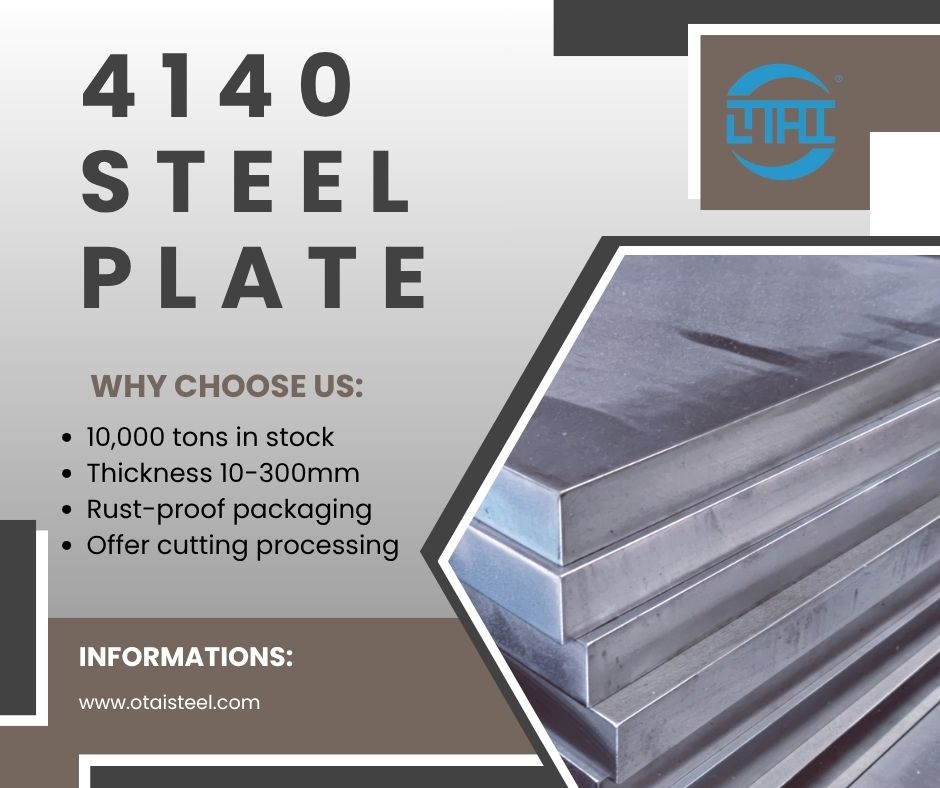
4140 Steel Brisbane: Reliable Supply Options for Engineering and Industrial Projects

4140 Steel Brisbane: Reliable Supply Options for Engineering and Industrial Projects4140 Steel Brisbane: Reliable Supply Options for Engineering and Industrial Projects

When engineers and buyers search for 4140 steel in Brisbane, they usually focus on three things: stable availability, consistent quality, and predictable mechanical performance. Brisbane supports strong industries such as mining, construction equipment, energy, and heavy manufacturing, all of which rely heavily on alloy steels that can handle high stress.

Because of that, 4140 steel remains one of the most requested chromium-molybdenum alloy steels in the Brisbane market. Below, we break down what buyers need to know before sourcing it.


🔍 What Is 4140 Steel and Why Brisbane Industries Use It

4140 steel is a low-alloy chromium-molybdenum steel that delivers an excellent balance of strength, toughness, and machinability. Engineers in Brisbane prefer it because it performs well under dynamic loads and repeated stress.

Key reasons Brisbane industries choose 4140 steel:

  • Strong load-bearing capability

  • Good fatigue resistance for rotating parts

  • Flexible heat-treatment options

  • Reliable performance in harsh environments

Mining equipment, hydraulic systems, and heavy machinery across Queensland rely on this steel every day.


⚙️ Typical Forms of 4140 Steel Available in Brisbane

Buyers in Brisbane often require 4140 steel in different product forms depending on the application.

📊 Common Product Forms

Product Form Typical Use
4140 Steel Plate Machine bases, structural components
4140 Round Bar Shafts, axles, pins
4140 Flat Bar Wear parts, brackets
4140 Steel Tube Hydraulic cylinders, mechanical tubing

Most Brisbane projects demand tight dimensional control, especially for machining-intensive components.


🧪 Chemical Composition of 4140 Steel

The performance of 4140 steel comes from its carefully balanced alloying elements.

📊 Chemical Composition (Typical)

Element Content (%) Contribution
Carbon (C) 0.38–0.43 Strength and hardness
Chromium (Cr) 0.80–1.10 Wear resistance
Molybdenum (Mo) 0.15–0.25 Toughness and heat resistance
Manganese (Mn) 0.75–1.00 Hardenability
Silicon (Si) 0.15–0.35 Strength stability

This chemistry allows Brisbane manufacturers to specify 4140 steel confidently for demanding service conditions.


🔥 Mechanical Properties Relevant to Brisbane Applications

The mechanical properties of 4140 steel depend heavily on heat treatment.

📊 Mechanical Properties by Condition

Condition Yield Strength (MPa) Tensile Strength (MPa) Typical Use
Annealed ~415 ~655 Machining, forming
Normalized ~655 ~965 Structural parts
Quenched & Tempered 850–1100+ 1000–1600 Mining and heavy-duty components

For Brisbane’s mining and construction sectors, quenched and tempered 4140 steel often provides the best balance of strength and toughness.


🏗️ Common Applications of 4140 Steel in Brisbane

4140 steel supports many local industries across Brisbane and greater Queensland.

  • Mining equipment → Pins, bushings, drill components

  • Construction machinery → Shafts, wear plates, brackets

  • Hydraulic systems → Rods, cylinders, connectors

  • Manufacturing → Tooling, fixtures, machine parts

  • Energy sector → Structural and pressure-related components

Because engineers can adjust hardness through heat treatment, the same steel grade suits multiple applications.


🔧 Machinability and Heat Treatment Considerations

In its annealed state, 4140 steel machines smoothly with standard tooling. As hardness increases, machinists typically switch to carbide tools.

Common heat-treatment options include:

  • Annealing for machining ease

  • Normalizing for balanced strength

  • Quenching and tempering for high-load service

Brisbane workshops often prefer pre-hardened 4140 steel to reduce lead time and machining costs.


📦 Availability Expectations in the Brisbane Market

Local stockholders may limit sizes or conditions, especially for thicker plates or special heat treatments. Many Brisbane buyers therefore work with international suppliers who maintain large inventories and ship reliably to Australia.

This approach ensures:

  • Shorter project delays

  • Stable mechanical properties

  • Consistent documentation


🏅 Company Advantages – Why Engineers Source from Otai Special Steel

Otai Special Steel supports Brisbane customers with stable supply and engineering-focused service, not just material sales.

  • Large Inventory: Over 10,000 tons of 4140 steel plates, bars, and tubes

  • Wide Thickness Range: 6 mm to 300 mm available year-round

  • Flexible Processing: Cutting, heat treatment, and custom sizing

  • Quality Control: UT testing, chemical analysis, SGS inspection

  • Global Experience: Trusted by Thyssenkrupp, Borealis, Schlumberger

For Brisbane projects that cannot risk inconsistent material, Otai provides reliability from order to delivery.


❓ FAQ – 4140 Steel Brisbane

Q1: Is 4140 steel readily available in Brisbane?
Local availability exists, but size and condition options may be limited. Many buyers supplement supply through overseas stockists.

Q2: Can Brisbane workshops machine quenched and tempered 4140 steel?
Yes. Most workshops handle it well using carbide tooling and proper cutting parameters.

Q3: Is 4140 steel suitable for mining applications in Queensland?
Absolutely. Its strength, toughness, and fatigue resistance suit mining environments.

Q4: Does 4140 steel resist corrosion?
It offers moderate resistance but requires coatings or surface protection in corrosive environments.

Q5: Can Otai supply 4140 steel to Brisbane directly?
Yes. Otai ships to Australia regularly with full documentation and quality assurance.

0 0 Continue Reading →

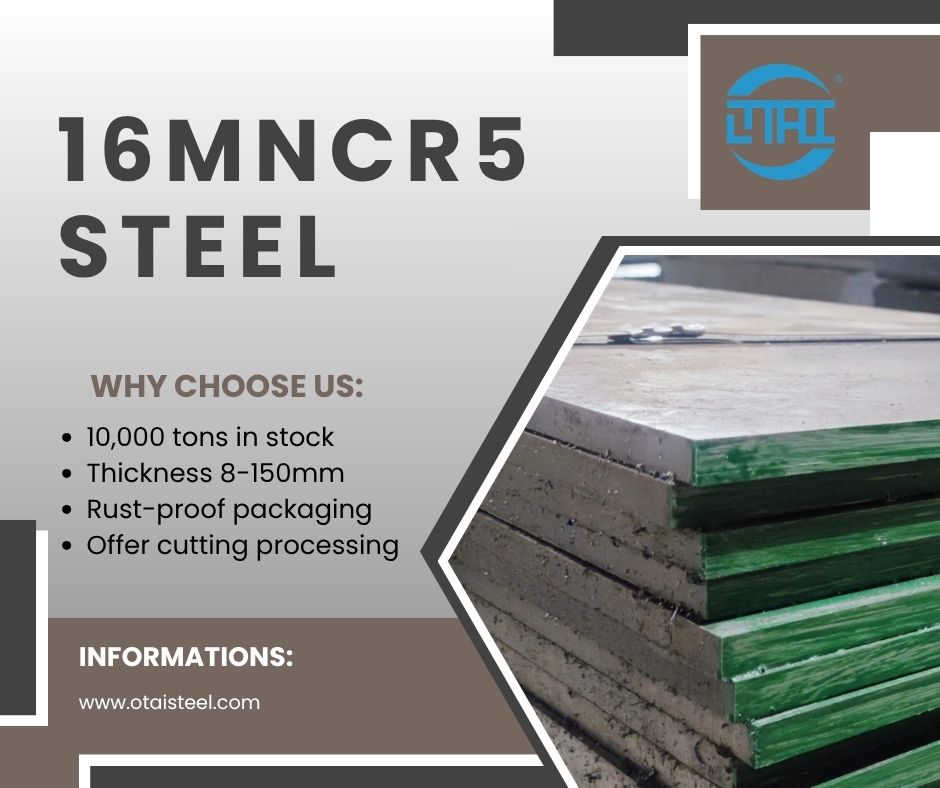
16MnCr5 Alternative: Practical Steel Substitutes Buyers Can Use with Confidence

16MnCr5 Alternative: Practical Steel Substitutes Buyers Can Use with Confidence

When buyers search for a 16MnCr5 alternative, they usually do not want a textbook explanation. They want a safe substitute that performs reliably in gears, shafts, and carburized components—without redesigning the entire part or risking heat treatment failure.

This article explains which steels can replace 16MnCr5, when they work well, and when they create hidden risks in real production.

🔍 Why Buyers Look for a 16MnCr5 Alternative

Several real-world factors push buyers to consider alternatives:

Limited availability in local markets

Short delivery time requirements

Mixed standards between Europe, ASTM, and JIS

Cost pressure on large-volume orders

Customer drawings calling for “equivalent material”

In these cases, buyers need functionally equivalent steels, not just similar chemistry.

🧪 What Makes 16MnCr5 Unique?

Before choosing an alternative, buyers must understand what they are replacing.

16MnCr5 belongs to low-carbon alloy carburizing steels. It offers:

Low carbon for good core toughness

Chromium and manganese for hardenability

Excellent response to carburizing

Stable machining before heat treatment

Any true 16MnCr5 alternative must support surface hardening + tough core, not through-hardening.

⚖️ Best 16MnCr5 Alternatives by Standard
✅ ASTM / SAE Alternatives

SAE / ASTM 5115
This grade stands as the closest and safest alternative.

Similar carbon range

Comparable chromium content

Designed for carburized components

Widely accepted in global supply chains

👉 For most buyers, 5115 is the first-choice substitute.

✅ DIN / EN Alternatives

20MnCr5 (EN 10084)
A very common European alternative.

Slightly higher carbon

Similar carburizing behavior

Higher surface hardness potential

Buyers often choose 20MnCr5 when they want slightly higher load capacity.

✅ JIS Alternatives

SCM415 (JIS G4051)
Popular in Asian markets.

Comparable chemistry

Strong carburizing response

Stable heat treatment behavior

SCM415 works well in automotive and gearbox components.

📊 Quick Comparison: 16MnCr5 and Common Alternatives
Steel Grade	Standard	Carburizing Suitability	Risk Level
16MnCr5	EN 10084	Excellent	Baseline
SAE 5115	ASTM / SAE	Excellent	Very Low
20MnCr5	EN 10084	Excellent	Low
SCM415	JIS	Excellent	Low
4140	ASTM	Poor	❌ High

👉 4140 often causes failures because it hardens through the section instead of forming a hard case.

🔥 Heat Treatment Compatibility Matters More Than Chemistry

Many buyers focus only on composition. Experienced engineers focus on heat treatment behavior.

A correct 16MnCr5 alternative must:

Accept carburizing at 880–940 °C

Achieve 58–62 HRC on the surface

Retain a tough, ductile core

Avoid distortion during quenching

Grades designed for through-hardening fail these requirements.

⚠️ Common Mistakes Buyers Make

🚫 Assuming chromium content alone defines equivalency
🚫 Replacing carburizing steel with quenched-and-tempered steel
🚫 Ignoring core toughness requirements
🚫 Choosing cheaper steel that increases scrap rate

👉 A wrong substitute costs more in rework and failures than the steel itself.

🏗️ Typical Applications Using 16MnCr5 Alternatives

When buyers choose the correct alternative, performance remains stable across standards.

Common applications include:

Automotive gears and pinions

Transmission shafts

Industrial gearboxes

Agricultural machinery components

Precision mechanical parts

These components rely on wear resistance at the surface and toughness inside.

🏅 Company Advantages – Why Buyers Trust Otai Special Steel

At Otai Special Steel, we do not simply sell grades. We help buyers choose safe alternatives based on application.

Wide Stock: 16MnCr5, 20MnCr5, ASTM 5115, SCM415

Thickness Range: 6–300 mm plates and bars

Heat Treatment Support: Annealed, normalized, carburizing-ready

Quality Control: UT testing, chemical analysis, traceability

Export Experience: EN–ASTM–JIS cross-standard projects

We focus on real performance equivalency, not paperwork substitution.

❓ Frequently Asked Questions (FAQ)

Q1: What is the best 16MnCr5 alternative?
SAE / ASTM 5115 offers the closest match in chemistry and heat treatment behavior.

Q2: Can 20MnCr5 replace 16MnCr5 directly?
Yes. Many buyers use it successfully, especially for higher-load gears.

Q3: Is 4140 a suitable alternative?
No. 4140 is a through-hardening steel and does not suit carburized parts.

Q4: Do alternatives require process changes?
Proper alternatives usually follow the same carburizing process.

Q5: Can Otai help confirm equivalency before ordering?
Yes. We support material selection based on drawings and application needs.16MnCr5 Alternative: Practical Steel Substitutes Buyers Can Use with Confidence

When buyers search for a 16MnCr5 alternative, they usually do not want a textbook explanation. They want a safe substitute that performs reliably in gears, shafts, and carburized components—without redesigning the entire part or risking heat treatment failure.

This article explains which steels can replace 16MnCr5, when they work well, and when they create hidden risks in real production.


🔍 Why Buyers Look for a 16MnCr5 Alternative

Several real-world factors push buyers to consider alternatives:

  • Limited availability in local markets

  • Short delivery time requirements

  • Mixed standards between Europe, ASTM, and JIS

  • Cost pressure on large-volume orders

  • Customer drawings calling for “equivalent material”

In these cases, buyers need functionally equivalent steels, not just similar chemistry.


🧪 What Makes 16MnCr5 Unique?

Before choosing an alternative, buyers must understand what they are replacing.

16MnCr5 belongs to low-carbon alloy carburizing steels. It offers:

  • Low carbon for good core toughness

  • Chromium and manganese for hardenability

  • Excellent response to carburizing

  • Stable machining before heat treatment

Any true 16MnCr5 alternative must support surface hardening + tough core, not through-hardening.


⚖️ Best 16MnCr5 Alternatives by Standard

✅ ASTM / SAE Alternatives

SAE / ASTM 5115
This grade stands as the closest and safest alternative.

  • Similar carbon range

  • Comparable chromium content

  • Designed for carburized components

  • Widely accepted in global supply chains

👉 For most buyers, 5115 is the first-choice substitute.


✅ DIN / EN Alternatives

20MnCr5 (EN 10084)
A very common European alternative.

  • Slightly higher carbon

  • Similar carburizing behavior

  • Higher surface hardness potential

Buyers often choose 20MnCr5 when they want slightly higher load capacity.


✅ JIS Alternatives

SCM415 (JIS G4051)
Popular in Asian markets.

  • Comparable chemistry

  • Strong carburizing response

  • Stable heat treatment behavior

SCM415 works well in automotive and gearbox components.


📊 Quick Comparison: 16MnCr5 and Common Alternatives

Steel Grade Standard Carburizing Suitability Risk Level
16MnCr5 EN 10084 Excellent Baseline
SAE 5115 ASTM / SAE Excellent Very Low
20MnCr5 EN 10084 Excellent Low
SCM415 JIS Excellent Low
4140 ASTM Poor ❌ High

👉 4140 often causes failures because it hardens through the section instead of forming a hard case.


🔥 Heat Treatment Compatibility Matters More Than Chemistry

Many buyers focus only on composition. Experienced engineers focus on heat treatment behavior.

A correct 16MnCr5 alternative must:

  • Accept carburizing at 880–940 °C

  • Achieve 58–62 HRC on the surface

  • Retain a tough, ductile core

  • Avoid distortion during quenching

Grades designed for through-hardening fail these requirements.


⚠️ Common Mistakes Buyers Make

🚫 Assuming chromium content alone defines equivalency
🚫 Replacing carburizing steel with quenched-and-tempered steel
🚫 Ignoring core toughness requirements
🚫 Choosing cheaper steel that increases scrap rate

👉 A wrong substitute costs more in rework and failures than the steel itself.


🏗️ Typical Applications Using 16MnCr5 Alternatives

When buyers choose the correct alternative, performance remains stable across standards.

Common applications include:

  • Automotive gears and pinions

  • Transmission shafts

  • Industrial gearboxes

  • Agricultural machinery components

  • Precision mechanical parts

These components rely on wear resistance at the surface and toughness inside.


🏅 Company Advantages – Why Buyers Trust Otai Special Steel

At Otai Special Steel, we do not simply sell grades. We help buyers choose safe alternatives based on application.

  • Wide Stock: 16MnCr5, 20MnCr5, ASTM 5115, SCM415

  • Thickness Range: 6–300 mm plates and bars

  • Heat Treatment Support: Annealed, normalized, carburizing-ready

  • Quality Control: UT testing, chemical analysis, traceability

  • Export Experience: EN–ASTM–JIS cross-standard projects

We focus on real performance equivalency, not paperwork substitution.


❓ Frequently Asked Questions (FAQ)

Q1: What is the best 16MnCr5 alternative?
SAE / ASTM 5115 offers the closest match in chemistry and heat treatment behavior.

Q2: Can 20MnCr5 replace 16MnCr5 directly?
Yes. Many buyers use it successfully, especially for higher-load gears.

Q3: Is 4140 a suitable alternative?
No. 4140 is a through-hardening steel and does not suit carburized parts.

Q4: Do alternatives require process changes?
Proper alternatives usually follow the same carburizing process.

Q5: Can Otai help confirm equivalency before ordering?
Yes. We support material selection based on drawings and application needs.

0 0 Continue Reading →

AISI 4140 Steel Yield Strength: What Engineers and Buyers Should Really Know

AISI 4140 Steel Yield Strength: What Engineers and Buyers Should Really KnowAISI 4140 Steel Yield Strength: What Engineers and Buyers Should Really Know

When engineers evaluate alloy steels for shafts, gears, or load-bearing components, AISI 4140 steel yield strength often becomes a decisive factor. Yield strength determines how much stress the material can withstand before permanent deformation begins. In real projects, this value directly affects safety margins, service life, and machining strategy.

This article explains how the yield strength of AISI 4140 steel changes with heat treatment, why it matters in real applications, and how buyers should interpret the numbers when sourcing material.


🔍 What Does Yield Strength Mean for AISI 4140 Steel?

Yield strength defines the maximum stress a material can handle without plastic deformation. Once stress exceeds this limit, the steel does not return to its original shape.

For AISI 4140 steel, yield strength plays a critical role in:

  • Shaft deflection control

  • Load-bearing capacity

  • Fatigue resistance

  • Dimensional stability during service

Unlike simple carbon steels, 4140 allows engineers to adjust yield strength through heat treatment, making it extremely flexible.


🧪 Typical Yield Strength of AISI 4140 Steel

The AISI 4140 steel yield strength varies significantly depending on condition. Buyers must never rely on a single number without confirming heat treatment status.

📊 Yield Strength by Heat Treatment Condition

Condition Yield Strength (MPa) Yield Strength (ksi) Typical Use
Annealed ~415 MPa ~60 ksi Machining, forming
Normalized ~655 MPa ~95 ksi Structural components
Quenched & Tempered (30 HRC) ~850 MPa ~123 ksi Shafts, axles
Quenched & Tempered (40 HRC) ~1000–1100 MPa ~145–160 ksi High-load gears
Quenched & Tempered (45+ HRC) 1200 MPa+ 175 ksi+ Heavy-duty tooling

👉 Key takeaway: Yield strength increases rapidly with hardness, but toughness decreases if pushed too far.


⚙️ Why Yield Strength Matters in Real Applications

Engineers rarely design parts based on tensile strength alone. Yield strength defines working limits, not failure limits.

🏗️ Common Scenarios Where Yield Strength Matters

  • Drive shafts → Prevent permanent bending under torque

  • Hydraulic rods → Maintain straightness under pressure

  • Gears → Resist tooth deformation under load

  • Machine spindles → Control vibration and deflection

AISI 4140 steel delivers reliable yield strength while maintaining machinability when properly specified.


🔥 Heat Treatment: The Real Strength Lever

Heat treatment controls yield strength more than chemistry.

Common Heat Treatment Routes

  • Annealing → Lowest yield strength, best machinability

  • Normalizing → Balanced strength and toughness

  • Quenching & Tempering → High yield strength with controlled toughness

Engineers often specify Q&T 4140 to target a precise yield strength range without sacrificing service reliability.


⚠️ Common Buyer Mistakes with Yield Strength

🚫 Assuming all 4140 has the same strength
🚫 Ignoring hardness tolerance on drawings
🚫 Over-hardening parts that require toughness
🚫 Comparing yield strength without confirming condition

👉 Yield strength without heat treatment context leads to mis-specification and premature failure.


🆚 AISI 4140 vs Carbon Steel (Yield Strength Perspective)

Material Typical Yield Strength Adjustment Flexibility
AISI 1045 ~310–530 MPa Limited
AISI 4140 415–1200+ MPa Excellent
Mild Steel ~250 MPa Very Low

4140 clearly outperforms plain carbon steels when load stability matters.


🏭 How Buyers Should Specify AISI 4140 Yield Strength

To avoid confusion, buyers should specify:

  • Steel grade: AISI 4140

  • Condition: Annealed / Normalized / Q&T

  • Target hardness range (HRC)

  • Required yield strength (if critical)

This approach ensures consistent performance across suppliers.


🏅 Company Advantages – Why Buyers Choose Otai Special Steel

At Otai Special Steel, we help customers match yield strength to real application needs, not generic standards.

  • Large Inventory: Over 10,000 tons of AISI 4140 plates, bars, and blocks

  • Multiple Conditions: Annealed, normalized, pre-hardened, Q&T

  • Thickness Range: 6–300 mm available year-round

  • Quality Assurance: UT testing, chemical analysis, SGS inspection

  • Global Experience: Long-term supplier to Thyssenkrupp, Borealis, Schlumberger

We supply steel that performs as expected, not just steel that meets paperwork.


❓ Frequently Asked Questions (FAQ)

Q1: What is the typical yield strength of AISI 4140 steel?
It ranges from about 415 MPa in annealed condition to over 1200 MPa when quenched and tempered.

Q2: Does higher hardness always mean better yield strength?
Yes, but excessive hardness reduces toughness and increases cracking risk.

Q3: Can I machine 4140 after heat treatment?
Yes, but machining becomes harder above 30–32 HRC. Carbide tools are recommended.

Q4: Is yield strength more important than tensile strength?
For most load-bearing parts, yield strength matters more than ultimate tensile strength.

Q5: Can Otai supply 4140 with a specified yield strength range?
Yes. We tailor heat treatment to meet your mechanical property requirements.

0 0 Continue Reading →

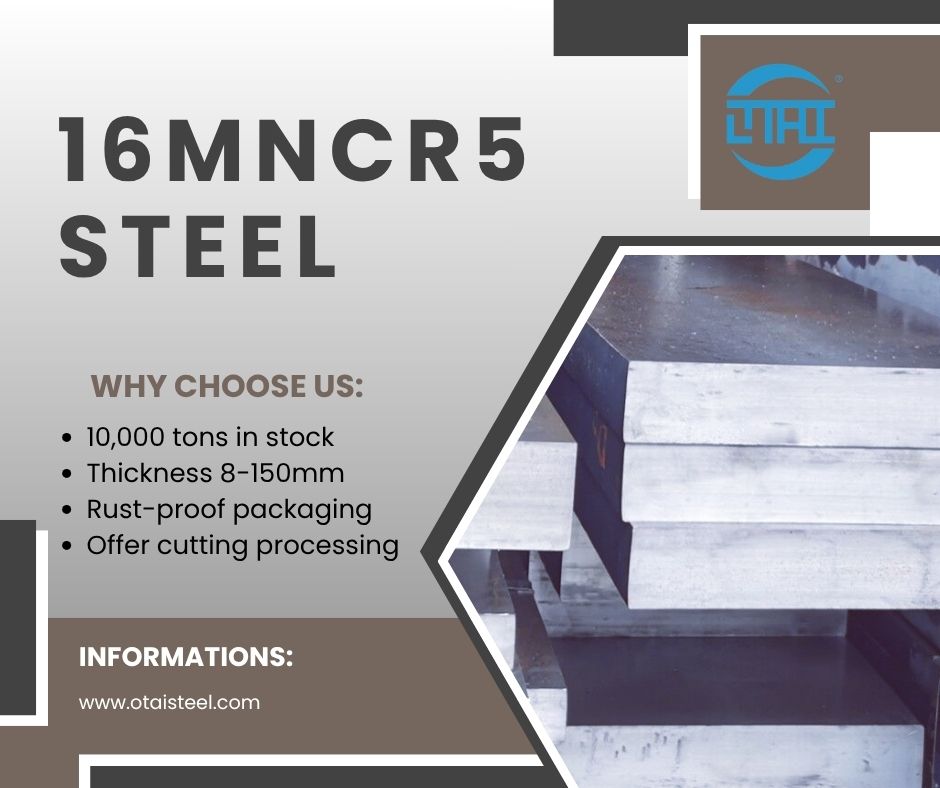
16MnCr5 ASTM Equivalent: How Buyers Match European and American Steel Grades Correctly

16MnCr5 ASTM Equivalent: How Buyers Match European and American Steel Grades Correctly

When buyers source 16MnCr5 ASTM equivalent steel, they usually face one practical question: Which ASTM grade truly matches 16MnCr5 in performance, not just in name?
This comparison matters because many global projects mix European drawings with American standards, especially in automotive, gear manufacturing, and industrial machinery.

This article explains how 16MnCr5 compares to ASTM grades, what engineers should watch out for, and how buyers avoid costly material mismatches.

🔍 What Is 16MnCr5 Steel?

16MnCr5 is a low-alloy case-hardening steel defined under the EN 10084 standard. Manufacturers value it for its excellent core toughness, surface hardness after carburizing, and stable machining behavior.

Key characteristics that buyers care about:

Strong core after heat treatment

High surface hardness after carburizing

Good machinability in delivery condition

Reliable performance in gears and shafts

Because ASTM standards do not use the same naming system, buyers must rely on chemical composition and application intent, not just grade numbers.

🧪 Chemical Composition of 16MnCr5 (Reference)

Understanding chemistry helps buyers identify the closest ASTM alternative.

📊 Typical Chemical Composition of 16MnCr5
Element	Content (%)
Carbon (C)	0.14 – 0.19
Manganese (Mn)	1.00 – 1.30
Chromium (Cr)	0.80 – 1.10
Silicon (Si)	≤ 0.40
Phosphorus (P)	≤ 0.025
Sulfur (S)	≤ 0.035

This composition clearly positions 16MnCr5 as a carburizing-grade steel, not a through-hardening alloy like 4140.

⚖️ Closest ASTM Equivalent to 16MnCr5

ASTM does not provide a one-to-one equivalent for 16MnCr5. However, engineers widely recognize ASTM A29 / A322 5115 steel as the closest practical alternative.

✅ Commonly Accepted ASTM Equivalent

ASTM 5115

SAE 5115

These grades share similar carbon levels and alloy intent, especially for case-hardened components.

🔄 16MnCr5 vs ASTM 5115: Practical Comparison
📊 Side-by-Side Comparison
Aspect	16MnCr5 (EN 10084)	ASTM / SAE 5115
Standard	European (EN)	American (ASTM / SAE)
Carbon Content	0.14 – 0.19%	0.13 – 0.18%
Chromium	0.8 – 1.1%	~0.8 – 1.1%
Heat Treatment	Carburizing	Carburizing
Core Toughness	Excellent	Excellent
Typical Use	Gears, shafts	Gears, shafts

👉 In real production, these two grades behave very similarly after carburizing and quenching.

🔥 Heat Treatment Behavior Buyers Should Understand

Both 16MnCr5 and its ASTM equivalent rely on surface hardening, not full-section hardness.

Typical process flow:

Carburizing: 880–940 °C

Quenching: Oil quench

Tempering: Low-temperature temper

After treatment:

Surface hardness: 58–62 HRC

Core hardness: 30–40 HRC

This balance explains why manufacturers prefer these steels for gears under cyclic load.

⚠️ Common Buyer Mistakes When Choosing ASTM Equivalents

Many sourcing problems happen because buyers rely on grade names instead of performance intent.

🚫 Typical Errors

Replacing 16MnCr5 with 4140 (wrong hardening behavior)

Ignoring carburizing requirements

Overlooking core toughness after heat treatment

Assuming all “Cr steels” behave the same

👉 16MnCr5 ≠ 4140, even though both contain chromium.

🏗️ Typical Applications Using ASTM Equivalents

When buyers select the correct ASTM equivalent, performance remains consistent across standards.

Common applications include:

Automotive transmission gears

Pinions and sprockets

Splined shafts

Industrial gearbox components

Wear-resistant mechanical parts

These parts benefit from hard surfaces and tough cores, not maximum bulk hardness.

🏅 Company Advantages – Why Otai Special Steel Is a Reliable Choice

At Otai Special Steel, we help buyers match European and American standards based on application, not guesswork.

Large Stock: 16MnCr5 plates and bars up to 300 mm

Grade Matching Support: EN, ASTM, SAE comparison guidance

Heat Treatment Options: Annealed, normalized, carburizing-ready

Quality Control: UT testing, chemical analysis, full traceability

Project Stability: Consistent supply for repeat orders

We focus on performance equivalency, not just paperwork equivalency.

❓ Frequently Asked Questions (FAQ)

Q1: What is the ASTM equivalent of 16MnCr5?
ASTM / SAE 5115 is the closest and most commonly accepted equivalent.

Q2: Can ASTM 4140 replace 16MnCr5?
No. 4140 is a through-hardening steel and does not suit carburized applications.

Q3: Do 16MnCr5 and ASTM 5115 have the same heat treatment process?
Yes. Both use carburizing, quenching, and tempering.

Q4: Is chemical composition more important than grade name?
Yes. Performance depends on chemistry and heat treatment, not labels.

Q5: Can Otai supply ASTM-equivalent material?
Yes. We support both EN and ASTM specifications with full documentation.16MnCr5 ASTM Equivalent: How Buyers Match European and American Steel Grades Correctly

When buyers source 16MnCr5 ASTM equivalent steel, they usually face one practical question: Which ASTM grade truly matches 16MnCr5 in performance, not just in name?
This comparison matters because many global projects mix European drawings with American standards, especially in automotive, gear manufacturing, and industrial machinery.

This article explains how 16MnCr5 compares to ASTM grades, what engineers should watch out for, and how buyers avoid costly material mismatches.


🔍 What Is 16MnCr5 Steel?

16MnCr5 is a low-alloy case-hardening steel defined under the EN 10084 standard. Manufacturers value it for its excellent core toughness, surface hardness after carburizing, and stable machining behavior.

Key characteristics that buyers care about:

  • Strong core after heat treatment

  • High surface hardness after carburizing

  • Good machinability in delivery condition

  • Reliable performance in gears and shafts

Because ASTM standards do not use the same naming system, buyers must rely on chemical composition and application intent, not just grade numbers.


🧪 Chemical Composition of 16MnCr5 (Reference)

Understanding chemistry helps buyers identify the closest ASTM alternative.

📊 Typical Chemical Composition of 16MnCr5

Element Content (%)
Carbon (C) 0.14 – 0.19
Manganese (Mn) 1.00 – 1.30
Chromium (Cr) 0.80 – 1.10
Silicon (Si) ≤ 0.40
Phosphorus (P) ≤ 0.025
Sulfur (S) ≤ 0.035

This composition clearly positions 16MnCr5 as a carburizing-grade steel, not a through-hardening alloy like 4140.


⚖️ Closest ASTM Equivalent to 16MnCr5

ASTM does not provide a one-to-one equivalent for 16MnCr5. However, engineers widely recognize ASTM A29 / A322 5115 steel as the closest practical alternative.

✅ Commonly Accepted ASTM Equivalent

  • ASTM 5115

  • SAE 5115

These grades share similar carbon levels and alloy intent, especially for case-hardened components.


🔄 16MnCr5 vs ASTM 5115: Practical Comparison

📊 Side-by-Side Comparison

Aspect 16MnCr5 (EN 10084) ASTM / SAE 5115
Standard European (EN) American (ASTM / SAE)
Carbon Content 0.14 – 0.19% 0.13 – 0.18%
Chromium 0.8 – 1.1% ~0.8 – 1.1%
Heat Treatment Carburizing Carburizing
Core Toughness Excellent Excellent
Typical Use Gears, shafts Gears, shafts

👉 In real production, these two grades behave very similarly after carburizing and quenching.


🔥 Heat Treatment Behavior Buyers Should Understand

Both 16MnCr5 and its ASTM equivalent rely on surface hardening, not full-section hardness.

Typical process flow:

  • Carburizing: 880–940 °C

  • Quenching: Oil quench

  • Tempering: Low-temperature temper

After treatment:

  • Surface hardness: 58–62 HRC

  • Core hardness: 30–40 HRC

This balance explains why manufacturers prefer these steels for gears under cyclic load.


⚠️ Common Buyer Mistakes When Choosing ASTM Equivalents

Many sourcing problems happen because buyers rely on grade names instead of performance intent.

🚫 Typical Errors

  • Replacing 16MnCr5 with 4140 (wrong hardening behavior)

  • Ignoring carburizing requirements

  • Overlooking core toughness after heat treatment

  • Assuming all “Cr steels” behave the same

👉 16MnCr5 ≠ 4140, even though both contain chromium.


🏗️ Typical Applications Using ASTM Equivalents

When buyers select the correct ASTM equivalent, performance remains consistent across standards.

Common applications include:

  • Automotive transmission gears

  • Pinions and sprockets

  • Splined shafts

  • Industrial gearbox components

  • Wear-resistant mechanical parts

These parts benefit from hard surfaces and tough cores, not maximum bulk hardness.


🏅 Company Advantages – Why Otai Special Steel Is a Reliable Choice

At Otai Special Steel, we help buyers match European and American standards based on application, not guesswork.

  • Large Stock: 16MnCr5 plates and bars up to 300 mm

  • Grade Matching Support: EN, ASTM, SAE comparison guidance

  • Heat Treatment Options: Annealed, normalized, carburizing-ready

  • Quality Control: UT testing, chemical analysis, full traceability

  • Project Stability: Consistent supply for repeat orders

We focus on performance equivalency, not just paperwork equivalency.


❓ Frequently Asked Questions (FAQ)

Q1: What is the ASTM equivalent of 16MnCr5?
ASTM / SAE 5115 is the closest and most commonly accepted equivalent.

Q2: Can ASTM 4140 replace 16MnCr5?
No. 4140 is a through-hardening steel and does not suit carburized applications.

Q3: Do 16MnCr5 and ASTM 5115 have the same heat treatment process?
Yes. Both use carburizing, quenching, and tempering.

Q4: Is chemical composition more important than grade name?
Yes. Performance depends on chemistry and heat treatment, not labels.

Q5: Can Otai supply ASTM-equivalent material?
Yes. We support both EN and ASTM specifications with full documentation.

0 0 Continue Reading →

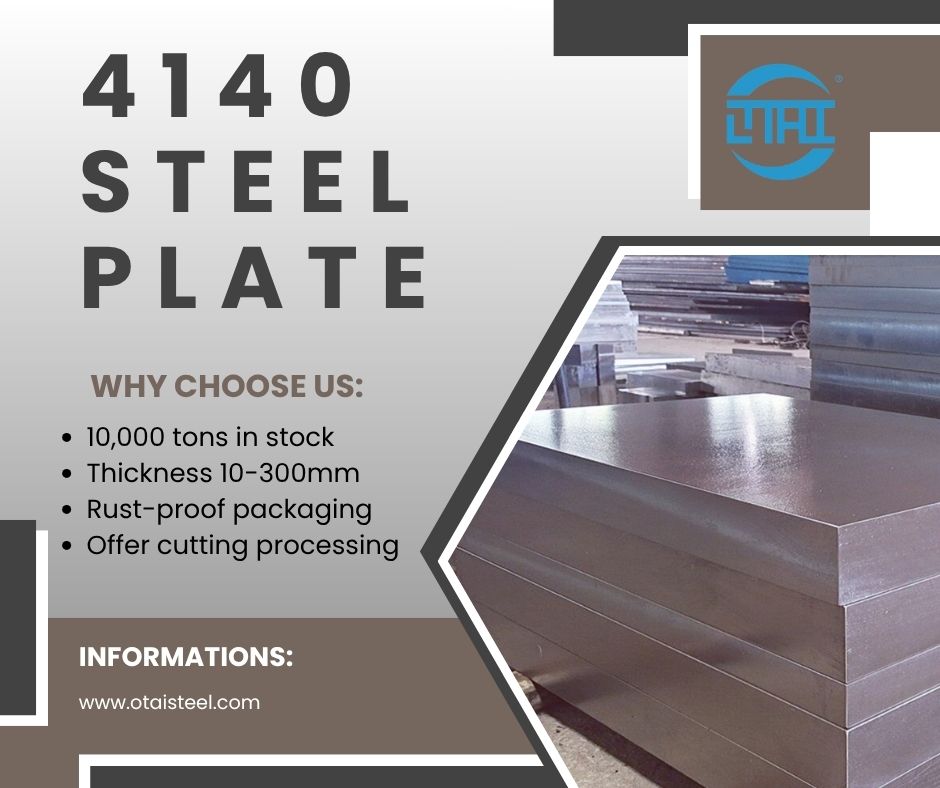
4140 Steel ALRO: What Buyers Should Know When Comparing Supply Options

4140 Steel ALRO: What Buyers Should Know When Comparing Supply Options4140 Steel ALRO: What Buyers Should Know When Comparing Supply Options

When buyers search for 4140 steel ALRO, they usually want pricing clarity, stock availability, and delivery speed. ALRO Steel works as a well-known metal distributor in North America, so engineers and purchasing teams often encounter its name during sourcing.

However, choosing 4140 steel involves more than selecting a distributor. Buyers must understand material condition, processing capability, quality control, and long-term supply reliability. This article explains what “4140 steel ALRO” typically refers to and how customers can evaluate supply options more effectively.


🔍 What Does “4140 Steel ALRO” Refer To?

ALRO Steel distributes a wide range of alloy steels, including 4140 steel, mainly in bar and plate form. When customers mention 4140 steel ALRO, they usually mean:

  • Commercial-grade 4140 alloy steel
  • Stock material for fast delivery
  • Standard sizes with limited customization

ALRO focuses on distribution efficiency, not steel manufacturing or deep processing.


🧪 Typical 4140 Steel Supplied Through Distributors

Most distributors supply 4140 steel in standard commercial conditions.

📊 Typical Chemical Composition of 4140 Steel

Element Content (%)
Carbon (C) 0.38 – 0.43
Chromium (Cr) 0.80 – 1.10
Molybdenum (Mo) 0.15 – 0.25
Manganese (Mn) 0.75 – 1.00
Silicon (Si) 0.15 – 0.35

This chemistry gives 4140 steel its balance of strength, toughness, and hardenability, which makes it suitable for shafts, gears, and structural parts.


🔥 Common Supply Conditions for 4140 Steel

Distributors like ALRO typically stock 4140 steel in limited conditions.

⚙️ Commonly Available Conditions

  • Annealed
  • Hot rolled
  • Occasionally normalized

Buyers often need additional heat treatment after delivery to reach final mechanical properties.


💪 Mechanical Properties Buyers Usually Expect

In the annealed or hot-rolled state, 4140 steel focuses on machinability rather than final strength.

📊 Typical Mechanical Properties (Non Heat-Treated)

Property Approximate Value
Tensile Strength 600 – 700 MPa
Yield Strength 400 – 500 MPa
Hardness 18 – 22 HRC

These values change significantly after quenching and tempering.


⚠️ Key Limitations When Buying Only From Distributors

Many buyers rely on distributors for speed, but this approach has trade-offs.

🚧 Common Challenges

  • Limited size range for thick sections
  • No control over heat treatment process
  • Inconsistent batch-to-batch properties
  • Additional lead time for external processing

For critical components, these issues can increase project risk.


🔄 Distributor vs Steel Mill Supplier: Practical Comparison

📊 Supply Model Comparison

Aspect Distributor (e.g. ALRO) Steel Mill Supplier
Stock Availability Fast for standard sizes Wide size range
Heat Treatment Rare In-house or controlled
Custom Cutting Limited Flexible
Quality Control Basic UT, chemistry, mechanical tests
Best For Emergency needs Long-term projects

👉 Buyers should match the supply model to project requirements, not just price.


🛠️ When 4140 Steel Needs More Than Fast Delivery

For applications such as:

  • Heavy-duty shafts
  • Oil & gas components
  • High-load mechanical parts
  • Thick plates above 100 mm

Customers often need controlled heat treatment, ultrasonic testing, and full traceability—services distributors rarely provide.


🏅 Company Advantages – Why Many Buyers Choose Otai Special Steel

At Otai Special Steel, we support customers who need more than off-the-shelf material.

  • Large Inventory: 4140 plates and bars from 6 mm to 300 mm
  • Heat Treatment Options: Annealed, normalized, quenched & tempered
  • Custom Cutting: Exact sizes reduce machining cost
  • Quality Assurance: UT testing, chemical analysis, mechanical reports
  • Project Support: Stable supply for repeat orders

We focus on performance consistency, not just short-term delivery.


❓ FAQ

Q1: Is 4140 steel from ALRO suitable for critical components?
It works well for general machining and non-critical parts. Critical applications usually need additional processing and testing.

Q2: Does distributor-supplied 4140 steel include heat treatment?
Most distributor stock does not include final heat treatment.

Q3: Can Otai supply 4140 steel equivalent to distributor material?
Yes, and we also provide deeper processing and inspection options.

Q4: Is distributor material cheaper?
Initial price may look lower, but added processing often increases total cost.

Q5: Which supply option works best for long-term projects?
Steel mill suppliers with processing capability usually offer better consistency and control.


Jack Tan


📧 jack@otaisteel.com

📱 WhatsApp: +8676923190193

0 0 Continue Reading →

16MnCr5 alloy steel Tensile Strength: Factors Influencing

16MnCr5 alloy steel Tensile Strength: Factors Influencing16MnCr5 alloy steel Tensile Strength: Factors Influencing

The tensile strength of 16MnCr5 steel is one of its most significant characteristics, making it highly valued in various industrial applications. This steel grade, commonly used in the automotive and machinery sectors, offers an excellent combination of strength, wear resistance, and fatigue resistance. In this article, we will explore the tensile strength of 16MnCr5 steel, its applications, and the factors that affect its performance.


🔧 What is 16MnCr5 Steel?

16MnCr5 is a low-alloy steel that combines manganese (Mn) and chromium (Cr) as its main alloying elements. This composition provides the steel with excellent hardness, strength, and resistance to wear and fatigue. Due to these properties, 16MnCr5 steel is ideal for manufacturing components subjected to high mechanical stresses, such as gears, shafts, and crankshafts.


🧪 Tensile Strength of 16MnCr5 Steel

The tensile strength of 16MnCr5 steel refers to its ability to withstand tension (pulling or stretching forces) without breaking or failing. This property is critical for components used in mechanical systems where high stresses are common.

  • Tensile Strength: 16MnCr5 steel has a typical tensile strength of 800-1,100 MPa (megapascals). The exact value can vary depending on the steel’s heat treatment and the specific manufacturing process.

  • Yield Strength: The yield strength of 16MnCr5 typically ranges between 600-850 MPa, which means the material will begin to deform plastically under this amount of stress.

  • Elongation: The steel exhibits good ductility, with an elongation of approximately 15-20%, which means it can stretch to a certain extent before breaking.

Tensile Strength Chart for 16MnCr5 Steel:

Property Value
Tensile Strength 800–1,100 MPa
Yield Strength 600–850 MPa
Elongation 15–20%

This tensile strength makes 16MnCr5 steel suitable for use in critical components that require high resistance to tensile forces, such as transmission gears, axles, and clutch components.


🏗️ Factors Influencing the Tensile Strength of 16MnCr5 Steel

The tensile strength of 16MnCr5 steel can vary depending on several factors, most notably the heat treatment process and the carbon content. Here’s a look at the key factors influencing the material’s strength:

1. Heat Treatment

Heat treatment is one of the most important factors affecting the tensile strength of 16MnCr5 steel. The heat treatment process can change the microstructure of the steel, significantly improving its mechanical properties.

  • Tempering: After hardening, tempering increases the tensile strength and toughness while reducing brittleness.

  • Hardening: Quenching the steel after heating increases its hardness and tensile strength but may reduce its ductility.

  • Normalizing: This process refines the microstructure, enhancing the tensile strength and ensuring uniform properties.

2. Carbon Content

While 16MnCr5 steel has a relatively low carbon content compared to other high-strength steels, the carbon level still affects its tensile strength. Higher carbon content generally increases tensile strength but may reduce ductility. The balance between strength and ductility is crucial in ensuring that the steel can withstand stress without breaking.

3. Manganese and Chromium Content

The alloying elements in 16MnCr5, particularly manganese and chromium, contribute to its overall strength. Manganese helps in hardening and provides tensile strength, while chromium improves resistance to wear and enhances the steel’s tensile strength at higher temperatures.


🏆 Applications of 16MnCr5 Steel with High Tensile Strength

Thanks to its excellent tensile strength, 16MnCr5 steel is used in a wide range of applications that require durability, high performance, and resistance to wear and fatigue.

1. Automotive Industry

In the automotive sector, 16MnCr5 steel is commonly used to manufacture gears, crankshafts, axles, and drive shafts. These components are subjected to high levels of stress during vehicle operation, and the steel’s tensile strength ensures their reliability over time.

2. Industrial Machinery

16MnCr5 steel is ideal for producing machine parts such as bearings, shafts, and gears. These parts must withstand high tensile forces and wear during heavy industrial operations.

3. Heavy Equipment and Oil & Gas

In heavy equipment and oil and gas industries, components like gears, valves, and shafts need to endure extreme conditions. 16MnCr5 is selected for its excellent tensile strength and ability to perform under high mechanical stress.

4. Aerospace and Defense

While 16MnCr5 is not as widely used in aerospace applications, it can still be found in certain defense components and aircraft parts that require a high level of tensile strength and durability.


📊 Tensile Strength Comparison: 16MnCr5 vs Other Steel Grades

Here’s how 16MnCr5 compares to other common steels in terms of tensile strength:

Steel Grade Tensile Strength (MPa)
16MnCr5 800–1,100
4140 Steel 700–1,050
1045 Steel 600–800
AISI 8620 620–850
52100 Steel 950–1,200

As shown, 16MnCr5 steel provides a good balance of strength and ductility, making it competitive with other alloy steels like 4140 and 52100.


🏗️ Why Choose Otai Special Steel for 16MnCr5 Steel?

At Otai Special Steel, we specialize in supplying high-quality 16MnCr5 steel for a range of industrial applications. Our steel is sourced from reputable mills and undergoes rigorous quality control to ensure it meets international standards.

Advantages of Working with Otai Special Steel:

  • Top-Quality Steel: Our 16MnCr5 steel undergoes strict quality assurance processes, including chemical composition testing and mechanical property analysis.

  • Customization Services: We offer custom cutting, heat treatment, and machining services to meet the specific needs of your project.

  • Competitive Prices: By working directly with steel mills, we offer affordable prices for premium 16MnCr5 steel.

  • Fast Delivery: We maintain a large inventory and offer quick delivery to ensure your project stays on schedule.


Frequently Asked Questions (FAQ)

Q1: What is the tensile strength of 16MnCr5 steel?

  • A1: The tensile strength of 16MnCr5 steel typically ranges from 800–1,100 MPa, depending on the heat treatment and manufacturing processes.

Q2: Can 16MnCr5 steel be used for high-stress applications?

  • A2: Yes, 16MnCr5 is ideal for high-stress applications, such as gears, shafts, and crankshafts, due to its excellent tensile strength and wear resistance.

Q3: How can I improve the tensile strength of 16MnCr5 steel?

  • A3: Tensile strength can be enhanced through processes such as hardening, tempering, and normalizing, depending on the required application.

Q4: Does Otai Special Steel supply 16MnCr5 steel?

  • A4: Yes, we provide high-quality 16MnCr5 steel with customizable services such as cutting, heat treatment, and packaging.

0 0 Continue Reading →

4140 Steel AMS Specifications: How Aerospace Standards Define Performance

4140 Steel AMS Specifications: How Aerospace Standards Define Performance and Reliability4140 Steel AMS Specifications: How Aerospace Standards Define Performance and Reliability

When customers ask about 4140 steel AMS, they usually want more than a material name. They want assurance. AMS specifications define how the steel performs, how tightly manufacturers control it, and whether it fits demanding applications such as aerospace, energy, and high-load mechanical systems.

This article explains 4140 steel under AMS standards in a clear, application-focused way. Instead of abstract metallurgy, we connect specifications directly to real purchasing and engineering decisions.


🔍 What Does “4140 Steel AMS” Mean?

AMS stands for Aerospace Material Specification, a set of strict standards originally developed for aerospace applications. When 4140 steel meets an AMS specification, it must satisfy tighter requirements than general commercial grades.

In simple terms:

  • AMS controls chemical composition
  • AMS defines heat treatment conditions
  • AMS sets mechanical property limits
  • AMS enforces traceability and testing

That is why many non-aerospace industries also request AMS-grade 4140 steel.


📘 Common AMS Specifications for 4140 Steel

Several AMS standards cover 4140 steel, depending on product form and heat treatment condition.

📊 Typical AMS Standards for 4140 Steel

AMS Standard Condition Typical Product Form
AMS 6349 Annealed / Hot Rolled Bars, forgings
AMS 6350 Normalized Bars
AMS 6414 Quenched & Tempered Bars, shafts
AMS 6415 Heat-treated alloy steel Critical components

👉 Key point:
Each AMS number defines not only chemistry but also how the steel must be processed.


🧪 Chemical Composition Requirements Under AMS

AMS specifications tighten the allowable ranges compared with generic standards.

📊 4140 Steel Chemical Composition (AMS Typical)

Element Content (%)
Carbon (C) 0.38 – 0.43
Manganese (Mn) 0.75 – 1.00
Chromium (Cr) 0.80 – 1.10
Molybdenum (Mo) 0.15 – 0.25
Silicon (Si) 0.15 – 0.35
Phosphorus (P) ≤ 0.025
Sulfur (S) ≤ 0.025

These limits help ensure predictable hardenability, strength, and fatigue life.


🔥 Heat Treatment Defined by AMS

Unlike general standards, AMS does not leave heat treatment open to interpretation.

🔧 Typical AMS Heat Treatment for 4140 Steel

  • Austenitizing at controlled temperature
  • Oil quenching for uniform hardness
  • Tempering to achieve specified strength and toughness

This controlled process produces repeatable mechanical performance, even in large cross-sections.


💪 Mechanical Properties Required by AMS

AMS specifications define minimum mechanical values that suppliers must meet.

📊 Typical Mechanical Properties (AMS 4140 Q&T)

Property Typical Range
Tensile Strength 850 – 1000 MPa
Yield Strength 650 – 850 MPa
Elongation ≥ 12%
Hardness 28 – 34 HRC (typical)

These properties make AMS 4140 suitable for high-load, fatigue-sensitive parts.


⚙️ Why Buyers Choose AMS-Grade 4140 Steel

Customers often specify 4140 steel AMS when failure is not an option.

✅ Practical Benefits

  • Consistent strength across batches
  • Lower risk of heat treatment variation
  • Full traceability from melt to delivery
  • Easier qualification for critical projects

Industries such as aerospace tooling, oil & gas, power generation, and heavy machinery rely on AMS grades for this reason.


🏭 AMS 4140 vs Commercial 4140: What’s the Difference?

📊 Specification Comparison

Aspect AMS 4140 Commercial 4140
Chemistry Control Very strict Wider tolerance
Heat Treatment Defined by spec Often supplier-defined
Testing Mandatory Optional
Traceability Full Limited

👉 For critical components, AMS-grade material reduces long-term risk and rework costs.


🛠️ Typical Applications of 4140 Steel AMS

Because of its controlled properties, AMS 4140 is widely used for:

  • Aerospace tooling and fixtures
  • High-strength shafts and spindles
  • Oilfield components
  • Heavy-duty bolts and fasteners
  • Precision mechanical parts

The AMS standard ensures these parts perform consistently under load.


🏅 Company Advantages – Otai Special Steel

Supplying AMS-grade steel requires more than inventory. At Otai Special Steel, we focus on compliance and reliability.

  • AMS-Compliant Supply: Strict chemistry and process control
  • Large Stock: Bars and plates available for fast delivery
  • Heat Treatment Support: Q&T tailored to AMS requirements
  • Quality Assurance: UT testing, chemical analysis, mechanical testing
  • Global Experience: Serving aerospace-related and industrial clients worldwide

We help customers avoid specification disputes and qualification delays.


❓ FAQ

Q1: Is AMS 4140 only for aerospace use?
No. Many industrial buyers specify AMS because of its consistency and traceability.

Q2: Does AMS guarantee better quality than ASTM?
AMS enforces tighter control, especially in heat treatment and testing.

Q3: Can AMS 4140 be supplied in quenched and tempered condition?
Yes. Several AMS standards specifically define Q&T conditions.

Q4: Does AMS material cost more?
The material price is slightly higher, but it often reduces total project risk.

Q5: Can Otai provide full AMS documentation?
Yes. We provide chemical reports, mechanical results, and traceability documents.


Jack Tan


📧 jack@otaisteel.com

📱 WhatsApp: +8676923190193

0 0 Continue Reading →

Tensile Strength of Heat Treated 4140 Steel: What Buyers Really Need to Know

Tensile Strength of Heat Treated 4140 Steel: What Buyers and Engineers Really Need to Know

When customers ask about the tensile strength of heat treated 4140 steel, they rarely want a textbook explanation. In real projects, they want clear answers to practical questions:
How strong will it be after heat treatment? Which condition fits my part? Will it machine well? And will it hold up in service without driving up costs?

This article focuses on real-world performance, not theory. It explains how heat treatment changes the tensile strength of 4140 steel, how engineers actually select strength levels, and how buyers avoid common mistakes when sourcing this alloy.

🔍 Why Tensile Strength Matters for Heat Treated 4140 Steel

Tensile strength directly affects how a component behaves under load. For shafts, gears, hydraulic parts, and structural components, it determines:

How much load the part can carry before failure

How well the steel resists fatigue and shock

How thin or compact the design can be

How stable the part remains during long-term service

4140 steel stands out because heat treatment allows precise control of tensile strength. Instead of switching materials, engineers often adjust heat treatment to hit the exact performance window they need.

🔥 Common Heat Treatment Conditions for 4140 Steel

Heat treatment does not simply “make steel stronger.” Each condition creates a different balance between strength, toughness, and machinability.

The most common conditions include:

Annealed

Normalized

Quenched and Tempered (Q&T)

Pre-hardened (QT stock)

Each condition delivers a very different tensile strength range.

📊 Tensile Strength of Heat Treated 4140 Steel (Typical Ranges)
Heat Treatment Condition	Tensile Strength (MPa)	Tensile Strength (ksi)	Typical Hardness
Annealed	~655 MPa	~95 ksi	18–22 HRC
Normalized	~850–965 MPa	123–140 ksi	24–28 HRC
Quenched & Tempered (Low)	~950–1100 MPa	138–160 ksi	26–30 HRC
Quenched & Tempered (Mid)	~1100–1300 MPa	160–190 ksi	30–35 HRC
Quenched & Tempered (High)	~1400–1600 MPa	203–232 ksi	40–45 HRC

👉 Key takeaway: Heat treated 4140 steel does not have one tensile strength. It offers a controlled range, which gives engineers flexibility without changing material grades.

⚙️ How Engineers Choose the Right Tensile Strength Level

In practice, engineers rarely chase the highest tensile strength. Instead, they balance strength with toughness and machinability.

🛠 Shaft and Axle Applications

Most shafts perform best at 30–35 HRC, delivering:

Tensile strength around 1100–1300 MPa

Good fatigue resistance

Reasonable machining costs

🏗 Structural and Load-Bearing Parts

For parts with steady loads and limited shock:

Normalized or low Q&T conditions work well

Tensile strength around 850–1000 MPa

Better toughness and dimensional stability

🔩 Tooling and High-Stress Components

For parts that must resist wear and deformation:

Higher Q&T levels reach 1400 MPa and above

Machining requires carbide tools

Designers must control stress concentration carefully

🚫 Common Mistakes Buyers Make When Specifying Tensile Strength

Many purchasing problems come from over-specifying strength.

❌ Mistake 1: Ordering the Highest Strength “Just in Case”

Higher tensile strength increases:

Machining difficulty

Tool wear

Risk of cracking

Often, 30–35 HRC performs better than 40+ HRC in real service.

❌ Mistake 2: Ignoring Section Size

Thick sections cool more slowly during quenching. As a result:

Surface tensile strength looks good

Core strength drops

Always match heat treatment to actual part dimensions.

❌ Mistake 3: Forgetting Stress Relief After Machining

Heat treated 4140 steel holds residual stress. Without stress relief:

Parts warp

Cracks appear later in service

🔧 Machining Behavior at Different Tensile Strength Levels
Tensile Strength Level	Machinability	Typical Recommendation
≤ 850 MPa	Excellent	Rough machining, forging
950–1100 MPa	Good	Shafts, axles, general parts
1100–1300 MPa	Moderate	Carbide tools recommended
≥ 1400 MPa	Difficult	Finish machining only

👉 Many customers choose pre-hardened 4140 QT steel to avoid post-machining distortion and reduce total lead time.

🏭 Typical Applications by Tensile Strength Range

900–1000 MPa → Structural parts, machine frames

1100–1300 MPa → Drive shafts, gears, hydraulic rods

1400 MPa+ → Heavy-duty tooling, wear-prone components

This flexibility explains why heat treated 4140 steel appears in oil & gas, automotive, mining, and heavy machinery projects worldwide.

🏅 Company Advantages – Why Customers Choose Otai Special Steel

Choosing the correct tensile strength matters, but material consistency matters more. Otai Special Steel supports customers with:

Large Inventory: Over 10,000 tons of 4140 steel plates, bars, and blocks

Controlled Heat Treatment: Precise Q&T ranges to match target tensile strength

Processing Support: Cutting, rough machining, and stress relief services

Quality Assurance: UT testing, chemical analysis, and third-party inspection

Global Trust: Long-term supplier to Thyssenkrupp, Borealis, and Schlumberger

We help customers select the right strength level, not just the strongest one.

❓ FAQ

Q1: What is the typical tensile strength of quenched and tempered 4140 steel?
Most Q&T 4140 steel falls between 950 and 1600 MPa, depending on hardness and tempering temperature.

Q2: Does higher tensile strength always mean better performance?
No. Excessive strength reduces toughness and machinability. Many applications perform better at moderate strength levels.

Q3: Can I specify tensile strength instead of hardness?
Yes. Many engineers specify both to ensure consistent performance.

Q4: Does section thickness affect tensile strength?
Yes. Thick sections require adjusted heat treatment to maintain core strength.

Q5: Is pre-hardened 4140 steel reliable for critical parts?
Yes. When sourced from a controlled supplier, pre-hardened 4140 QT steel delivers stable tensile strength and reduces processing risk.Tensile Strength of Heat Treated 4140 Steel: What Buyers and Engineers Really Need to Know

When customers ask about the tensile strength of heat treated 4140 steel, they rarely want a textbook explanation. In real projects, they want clear answers to practical questions:
How strong will it be after heat treatment? Which condition fits my part? Will it machine well? And will it hold up in service without driving up costs?

This article focuses on real-world performance, not theory. It explains how heat treatment changes the tensile strength of 4140 steel, how engineers actually select strength levels, and how buyers avoid common mistakes when sourcing this alloy.


🔍 Why Tensile Strength Matters for Heat Treated 4140 Steel

Tensile strength directly affects how a component behaves under load. For shafts, gears, hydraulic parts, and structural components, it determines:

  • How much load the part can carry before failure

  • How well the steel resists fatigue and shock

  • How thin or compact the design can be

  • How stable the part remains during long-term service

4140 steel stands out because heat treatment allows precise control of tensile strength. Instead of switching materials, engineers often adjust heat treatment to hit the exact performance window they need.


🔥 Common Heat Treatment Conditions for 4140 Steel

Heat treatment does not simply “make steel stronger.” Each condition creates a different balance between strength, toughness, and machinability.

The most common conditions include:

  • Annealed

  • Normalized

  • Quenched and Tempered (Q&T)

  • Pre-hardened (QT stock)

Each condition delivers a very different tensile strength range.


📊 Tensile Strength of Heat Treated 4140 Steel (Typical Ranges)

Heat Treatment Condition Tensile Strength (MPa) Tensile Strength (ksi) Typical Hardness
Annealed ~655 MPa ~95 ksi 18–22 HRC
Normalized ~850–965 MPa 123–140 ksi 24–28 HRC
Quenched & Tempered (Low) ~950–1100 MPa 138–160 ksi 26–30 HRC
Quenched & Tempered (Mid) ~1100–1300 MPa 160–190 ksi 30–35 HRC
Quenched & Tempered (High) ~1400–1600 MPa 203–232 ksi 40–45 HRC

👉 Key takeaway: Heat treated 4140 steel does not have one tensile strength. It offers a controlled range, which gives engineers flexibility without changing material grades.


⚙️ How Engineers Choose the Right Tensile Strength Level

In practice, engineers rarely chase the highest tensile strength. Instead, they balance strength with toughness and machinability.

🛠 Shaft and Axle Applications

Most shafts perform best at 30–35 HRC, delivering:

  • Tensile strength around 1100–1300 MPa

  • Good fatigue resistance

  • Reasonable machining costs

🏗 Structural and Load-Bearing Parts

For parts with steady loads and limited shock:

  • Normalized or low Q&T conditions work well

  • Tensile strength around 850–1000 MPa

  • Better toughness and dimensional stability

🔩 Tooling and High-Stress Components

For parts that must resist wear and deformation:

  • Higher Q&T levels reach 1400 MPa and above

  • Machining requires carbide tools

  • Designers must control stress concentration carefully


🚫 Common Mistakes Buyers Make When Specifying Tensile Strength

Many purchasing problems come from over-specifying strength.

❌ Mistake 1: Ordering the Highest Strength “Just in Case”

Higher tensile strength increases:

  • Machining difficulty

  • Tool wear

  • Risk of cracking

Often, 30–35 HRC performs better than 40+ HRC in real service.

❌ Mistake 2: Ignoring Section Size

Thick sections cool more slowly during quenching. As a result:

  • Surface tensile strength looks good

  • Core strength drops

Always match heat treatment to actual part dimensions.

❌ Mistake 3: Forgetting Stress Relief After Machining

Heat treated 4140 steel holds residual stress. Without stress relief:

  • Parts warp

  • Cracks appear later in service


🔧 Machining Behavior at Different Tensile Strength Levels

Tensile Strength Level Machinability Typical Recommendation
≤ 850 MPa Excellent Rough machining, forging
950–1100 MPa Good Shafts, axles, general parts
1100–1300 MPa Moderate Carbide tools recommended
≥ 1400 MPa Difficult Finish machining only

👉 Many customers choose pre-hardened 4140 QT steel to avoid post-machining distortion and reduce total lead time.


🏭 Typical Applications by Tensile Strength Range

  • 900–1000 MPa → Structural parts, machine frames

  • 1100–1300 MPa → Drive shafts, gears, hydraulic rods

  • 1400 MPa+ → Heavy-duty tooling, wear-prone components

This flexibility explains why heat treated 4140 steel appears in oil & gas, automotive, mining, and heavy machinery projects worldwide.


🏅 Company Advantages – Why Customers Choose Otai Special Steel

Choosing the correct tensile strength matters, but material consistency matters more. Otai Special Steel supports customers with:

  • Large Inventory: Over 10,000 tons of 4140 steel plates, bars, and blocks

  • Controlled Heat Treatment: Precise Q&T ranges to match target tensile strength

  • Processing Support: Cutting, rough machining, and stress relief services

  • Quality Assurance: UT testing, chemical analysis, and third-party inspection

  • Global Trust: Long-term supplier to Thyssenkrupp, Borealis, and Schlumberger

We help customers select the right strength level, not just the strongest one.


❓ FAQ

Q1: What is the typical tensile strength of quenched and tempered 4140 steel?
Most Q&T 4140 steel falls between 950 and 1600 MPa, depending on hardness and tempering temperature.

Q2: Does higher tensile strength always mean better performance?
No. Excessive strength reduces toughness and machinability. Many applications perform better at moderate strength levels.

Q3: Can I specify tensile strength instead of hardness?
Yes. Many engineers specify both to ensure consistent performance.

Q4: Does section thickness affect tensile strength?
Yes. Thick sections require adjusted heat treatment to maintain core strength.

Q5: Is pre-hardened 4140 steel reliable for critical parts?
Yes. When sourced from a controlled supplier, pre-hardened 4140 QT steel delivers stable tensile strength and reduces processing risk.

0 0 Continue Reading →

16MnCr5 Steel Chemical Composition: What Makes This Alloy Ideal for Case-Hardened Components

16MnCr5 Steel Chemical Composition: What Makes This Alloy Ideal for Case-Hardened Components16MnCr5 Steel Chemical Composition: What Makes This Alloy Ideal for Case-Hardened Components

When manufacturers select 16MnCr5 steel, they rarely do so by name alone. In real projects, buyers and engineers care about one thing first: chemical composition. The alloying elements inside the steel directly control hardness depth, wear resistance, machinability, and long-term reliability.

This article explains the chemical composition of 16MnCr5 steel in a practical way. Instead of academic metallurgy, we focus on how each element affects real industrial performance and why this steel remains a top choice for carburized parts.


🔍 What Is 16MnCr5 Steel?

16MnCr5 is a low-carbon alloy case-hardening steel defined by EN 10084. Engineers widely use it for components that require:

  • A hard, wear-resistant surface

  • A tough, shock-resistant core

  • Stable performance under cyclic loads

Typical applications include gears, shafts, pinions, bushings, and transmission components.

The secret behind this performance lies in its carefully balanced chemical composition.


🧪 Standard Chemical Composition of 16MnCr5 Steel

The table below shows the nominal chemical composition range specified by EN standards.

📊 16MnCr5 Steel Chemical Composition (EN 10084)

Element Content (%) Practical Function
Carbon (C) 0.14 – 0.19 Enables carburizing and core toughness
Manganese (Mn) 1.00 – 1.30 Improves hardenability and strength
Chromium (Cr) 0.80 – 1.10 Enhances wear resistance and hardness depth
Silicon (Si) ≤ 0.40 Strengthens matrix and improves stability
Phosphorus (P) ≤ 0.025 Controlled to avoid brittleness
Sulfur (S) ≤ 0.035 Improves machinability when controlled

👉 Key takeaway:
16MnCr5 does not rely on high carbon. Instead, it uses alloy synergy to achieve surface hardness without sacrificing core toughness.


⚙️ Role of Each Alloying Element in Real Applications

🔹 Carbon (C): Controlled, Not High

Carbon content stays deliberately low. This allows:

  • Easy machining before heat treatment

  • Excellent toughness after carburizing

  • Reduced cracking risk compared with medium-carbon steels

🔹 Manganese (Mn): Strength and Hardenability

Manganese supports:

  • Deeper case hardening

  • Improved fatigue resistance

  • Better response during quenching

In shafts and gears, manganese ensures uniform hardness from batch to batch.

🔹 Chromium (Cr): Wear Resistance Driver

Chromium plays a critical role:

  • Promotes hard carbide formation

  • Increases surface hardness after carburizing

  • Improves wear life under sliding contact

That is why 16MnCr5 performs so well in gear teeth and transmission systems.


🔥 Why This Composition Works So Well for Carburizing

The chemical balance allows carburizing to work efficiently.

📊 Composition vs Performance After Carburizing

Property Result
Surface Hardness 58–62 HRC
Case Depth Stable and controllable
Core Toughness High impact resistance
Distortion Risk Lower than high-carbon steels

Because of this balance, engineers trust 16MnCr5 for high-volume, precision components.


🏭 Comparison: 16MnCr5 vs Medium-Carbon Alloy Steel

Buyers often compare 16MnCr5 with steels like 4140. The difference starts with chemistry.

📊 Chemical Strategy Comparison

Steel Grade Carbon Level Typical Treatment Result
16MnCr5 Low Carburizing Hard surface + tough core
4140 Medium Quench & temper Uniform hardness throughout

👉 If your component needs surface wear resistance without brittleness, 16MnCr5 usually wins.


🛠️ Machinability Before Heat Treatment

Because of its chemical composition:

  • 16MnCr5 machines easily in the soft state

  • Tool life remains stable

  • Chips break cleanly

Manufacturers often finish machining before carburizing, which reduces costs and scrap risk.


🏗️ Typical Applications Driven by Chemical Composition

Thanks to its alloy design, industries commonly use 16MnCr5 for:

  • Automotive gears and pinions

  • Transmission shafts

  • Cam components

  • Bushings and sleeves

  • Industrial gearboxes

The steel delivers consistent performance even in high-cycle fatigue environments.


🏅 Company Advantages – Why Choose Otai Special Steel?

Chemical composition only matters when the supplier controls it precisely. At Otai Special Steel, we offer:

  • Strict Chemistry Control: Each batch meets EN 10084 composition limits

  • Large Inventory: Bars, plates, and forgings available year-round

  • Custom Heat Treatment Support: Carburizing, quenching, tempering coordination

  • Quality Assurance: Chemical analysis, UT testing, and SGS inspection

  • Global Trust: Long-term supplier to automotive and industrial clients worldwide

We help customers avoid composition-related failures before production begins.


❓ FAQ

Q1: Why does 16MnCr5 use low carbon instead of high carbon?
Low carbon improves machinability and core toughness while carburizing provides surface hardness.

Q2: Which element mainly controls wear resistance?
Chromium plays the biggest role in surface wear performance.

Q3: Can small composition deviations affect carburizing results?
Yes. Poor control leads to uneven case depth and hardness variation.

Q4: Is 16MnCr5 suitable for heavy shock loads?
Yes. Its tough core handles impact far better than high-carbon steels.

Q5: Can Otai supply composition certificates?
Yes. We provide full chemical analysis with each shipment.

0 0 Continue Reading →

4140 Cold Rolled Steel Properties: Strength, Precision, and Performance Explained

4140 Cold Rolled Steel Properties: Strength, Precision, and Performance Explained4140 Cold Rolled Steel Properties: Strength, Precision, and Performance Explained

Cold rolling significantly changes how steel behaves in real-world applications. When engineers specify 4140 cold rolled steel properties, they usually focus on strength consistency, dimensional accuracy, and surface quality. Compared with hot rolled products, cold rolled 4140 steel delivers tighter tolerances and improved mechanical performance, making it a preferred material for precision components.

This article explains what defines 4140 cold rolled steel, how cold rolling affects its properties, and where this material performs best.


🔍 What Is 4140 Cold Rolled Steel?

4140 cold rolled steel starts as hot rolled AISI 4140 alloy steel. Manufacturers then process it at room temperature using controlled rolling or drawing operations. This cold deformation refines the grain structure, increases strength, and improves surface finish.

Because cold rolling happens below the recrystallization temperature, the steel retains internal strain. As a result, 4140 cold rolled steel properties differ noticeably from annealed or hot rolled conditions.

Engineers often select cold rolled 4140 when they need:

  • Higher yield strength

  • Better dimensional accuracy

  • Smooth surface finish

  • Reliable performance in machined parts


🧪 Chemical Composition of 4140 Cold Rolled Steel

Cold rolling does not change chemical composition, but the alloy design enables excellent strength response during deformation.

Element Content (%) Contribution to Properties
Carbon (C) 0.38 – 0.43 Strength and hardness
Chromium (Cr) 0.80 – 1.10 Wear resistance and depth hardening
Molybdenum (Mo) 0.15 – 0.25 Strength at elevated temperatures
Manganese (Mn) 0.75 – 1.00 Improved toughness and hardenability
Silicon (Si) 0.15 – 0.35 Structural stability

This balanced chemistry allows 4140 steel to respond exceptionally well to cold work.


⚙️ Mechanical Properties of 4140 Cold Rolled Steel

Cold rolling increases strength through strain hardening. Compared to hot rolled 4140, cold rolled material shows higher yield and tensile values.

Typical Mechanical Properties

Property Cold Rolled 4140
Tensile Strength 850 – 1000 MPa
Yield Strength 650 – 850 MPa
Elongation 10 – 15%
Hardness 22 – 28 HRC

These values explain why 4140 cold rolled steel properties suit load-bearing components that demand precision and strength.


🔩 Surface Finish and Dimensional Accuracy

Cold rolling significantly improves surface quality.

Key advantages include:

  • Smooth, clean surface

  • Reduced scale and oxidation

  • Tight thickness tolerances

  • Consistent flatness

Manufacturers often choose cold rolled 4140 steel for parts that require minimal post-machining.


🔥 Cold Rolled vs Hot Rolled 4140 Steel

Cold rolling does not replace heat treatment, but it enhances baseline strength.

Feature Cold Rolled 4140 Hot Rolled 4140
Surface Finish Smooth Rough, scaled
Dimensional Control Excellent Moderate
Yield Strength Higher Lower
Residual Stress Present Minimal

Designers should consider stress relief heat treatment when machining cold rolled sections.


🛠️ Machinability Considerations

Cold rolled 4140 machines well with proper tooling.

  • Carbide tools perform best

  • Sharp cutting edges reduce work hardening

  • Lower feed rates improve tool life

Many shops machine cold rolled 4140 before final quench and temper to balance cost and performance.


🏗️ Typical Applications of 4140 Cold Rolled Steel

Industries rely on 4140 cold rolled steel properties for precision and strength:

  • ⚙️ Shafts and spindles

  • 🚗 Automotive suspension components

  • 🏭 Hydraulic rods

  • 🧰 Tool holders and fixtures

  • 🛢️ Oil & gas mechanical parts

Cold rolled 4140 performs especially well in parts subjected to repeated loading.


📏 Available Forms and Sizes

Cold rolled 4140 steel commonly appears in:

  • Flat bars

  • Round bars

  • Precision shafts

Thickness and diameter ranges depend on rolling equipment, but tight tolerances remain a defining feature.


🏅 Company Advantages – Why Choose Otai Special Steel?

Otai Special Steel supplies cold rolled and hot rolled 4140 steel with full technical support:

  • 🔹 Over 10,000 tons of alloy steel inventory

  • 🔹 Cold rolled, hot rolled, forged, and heat-treated options

  • 🔹 Custom cutting and stress-relief services

  • 🔹 UT testing, chemical analysis, and SGS inspections

  • 🔹 Long-term supplier to Thyssenkrupp, Borealis, Schlumberger

We help customers match 4140 cold rolled steel properties precisely to their application needs.


❓ FAQ

Q1: Does cold rolling increase the hardness of 4140 steel?
Yes. Cold rolling raises hardness through strain hardening.

Q2: Is cold rolled 4140 stronger than annealed 4140?
Yes. Cold rolled material shows higher yield and tensile strength.

Q3: Can cold rolled 4140 still be heat treated?
Absolutely. Many users quench and temper it after machining.

Q4: Does cold rolling reduce toughness?
Slightly, but proper heat treatment restores toughness.

Q5: When should I choose cold rolled 4140?
Choose it when precision, surface quality, and strength matter most.

0 0 Continue Reading →