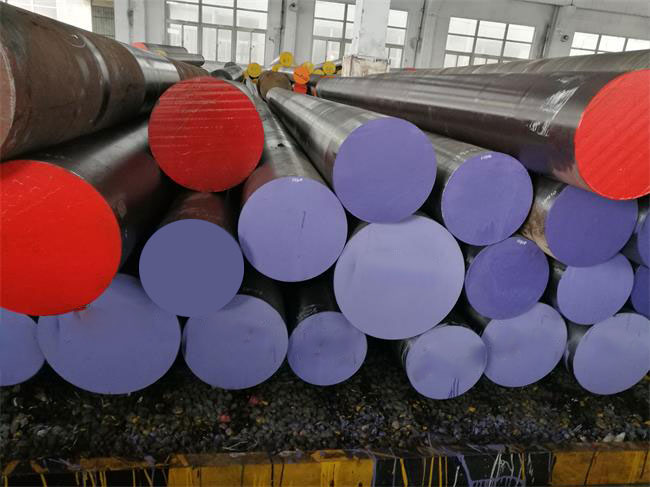
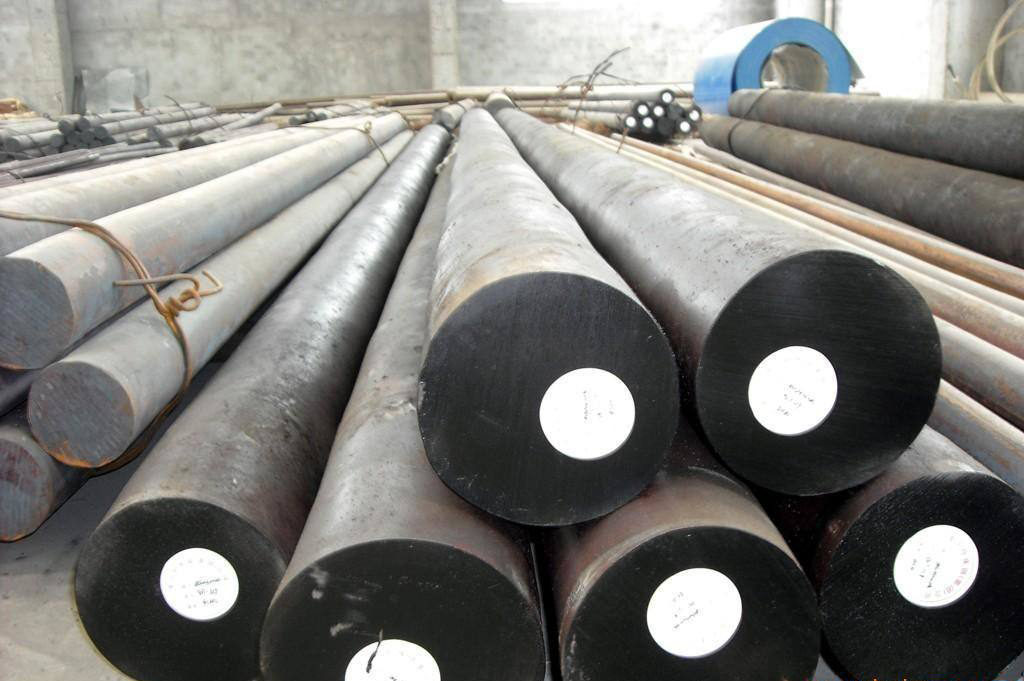
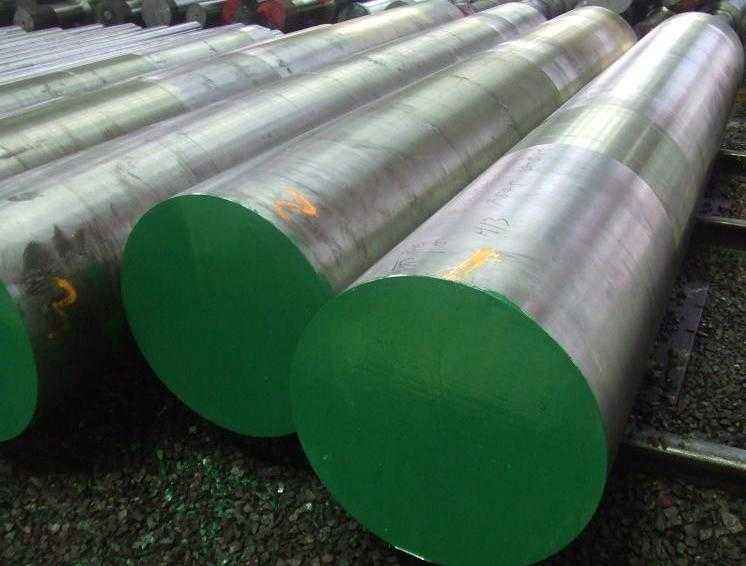
Tool steel manufacturing:
There are many aspects to be paid to the manufacture of tool steel. The precision and manufacturing skills of its processing equipment will affect the quality of tool steel. The guarantee of quality is a necessary condition for expanding market share and will also affect the brand. The production of tool steel is a complicated process that requires high-precision instrumentation. Ordinary coordinate instruments cannot guarantee the accuracy of data, especially for
molds with complex surface structures.
The fluidity should be considered in the manufacturing process of tool steel. The main part is the appropriateness of the temperature during the casting process and the magnitude of the pressure, which determines the accuracy of the shape of the mold. Good equipment is a key factor in determining quality and appearance in order for the mold to meet the requirements.
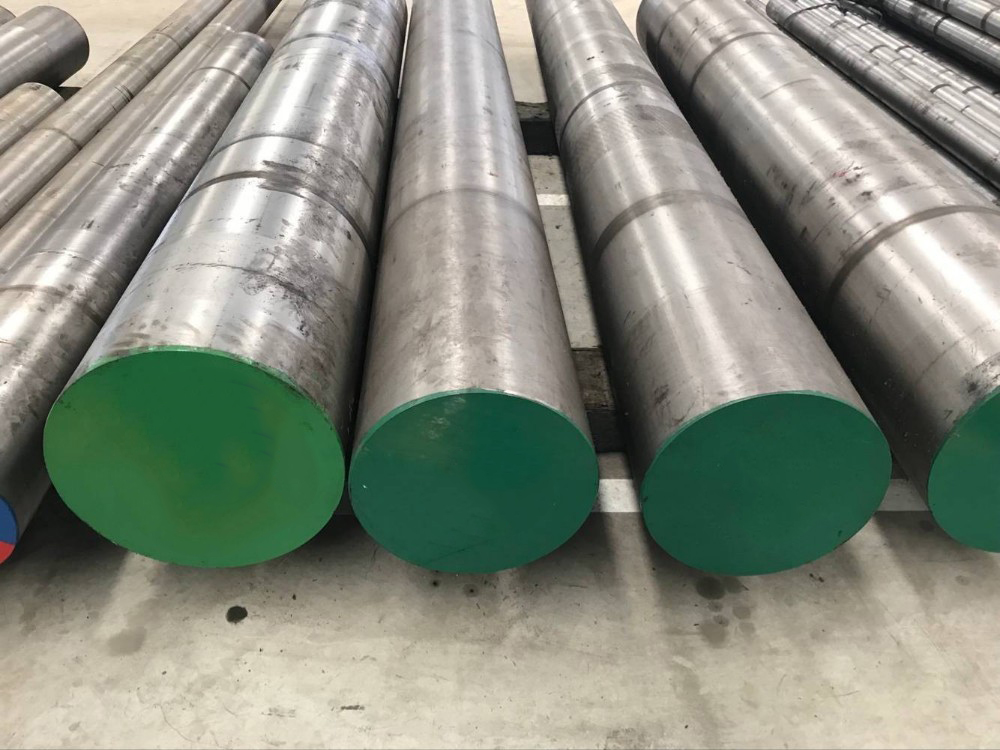 The conditions that lead to tool steel not meeting the standards are:
First, when the mold is relatively low in temperature, it will make its structure lose and cannot form a fixed shape and style.
Second, if the temperature is too high, the structure will be too tight, which will cause the glue to stick to the mold, and the high the temperature will cause the expansion, and the precision will not be guaranteed. Therefore, it is necessary to control it within a certain range to create perfect tool steel.
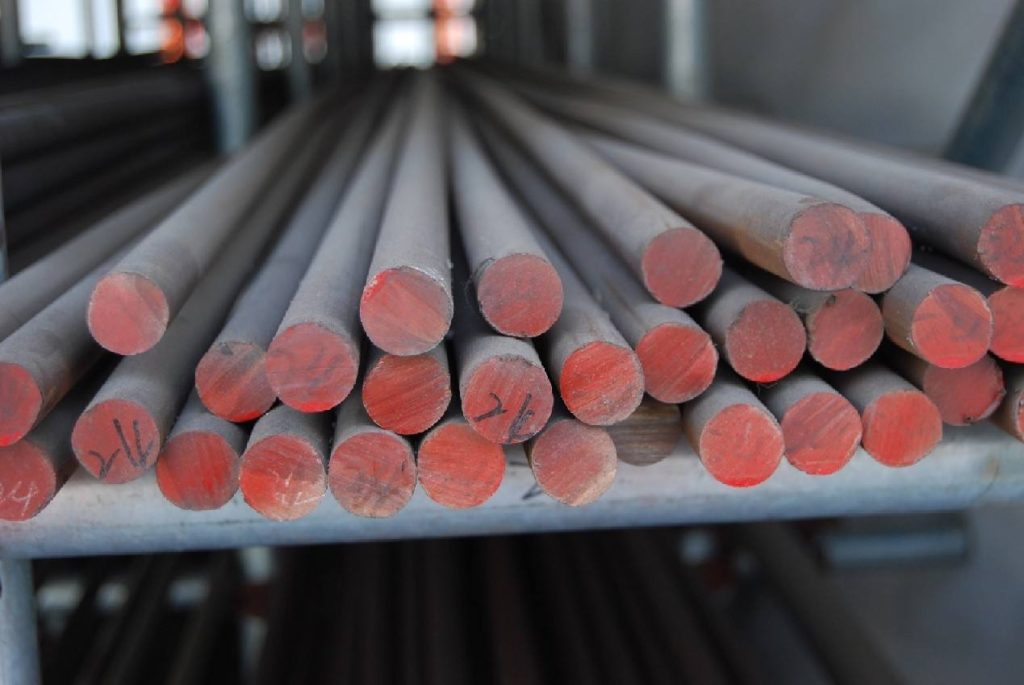 Most of the Cr12MoV tool steels are used at high temperatures, so the secondary hardening type high temperature tempering treatment (500 to 650 ° C) is generally used to obtain the stability of the mold. However, Cr12MoV tool steel for cold work molds is sometimes treated with low temperature tempering at around 200 °C.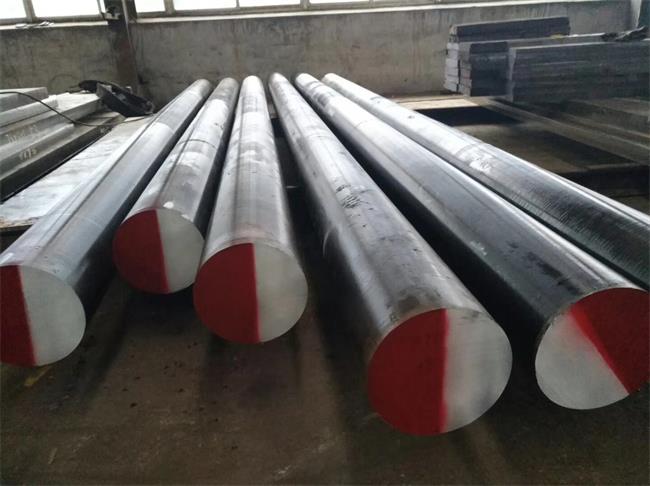
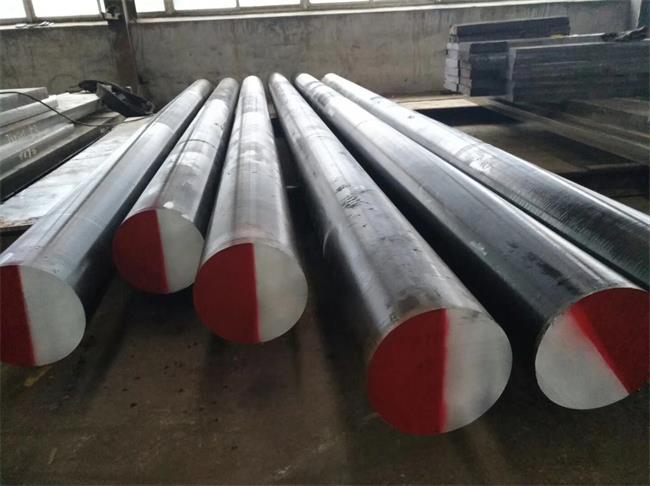 The steel used in the manufacture of various cutting tools, cold and hot deformable tools, gages and other tools, collectively referred to as tool steel. Various steels have common requirements, such as high hardness, good wear resistance, and certain toughness and strength, and have their own special requirements, such as red hardness, impact resistance, dimensional stability, thermal fatigue resistance, and good overall mechanical properties, etc. In order to meet these different requirements, steels of various compositions are produced and their performance requirements are met by appropriate heat treatment processes.
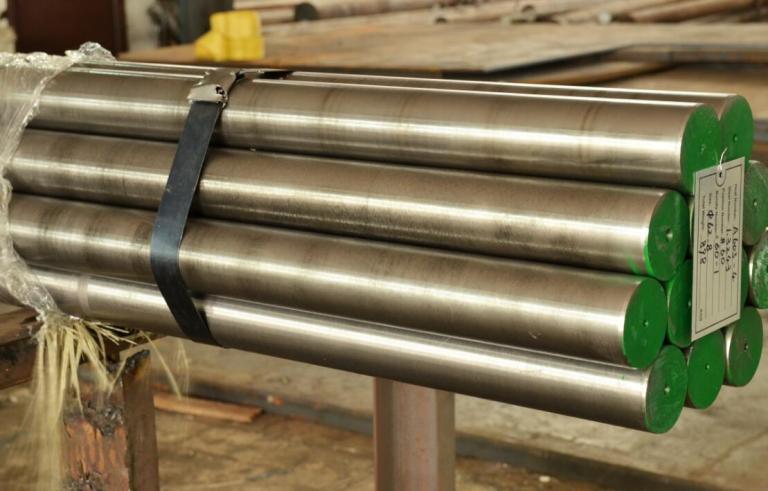 D2 mold steel advantage:
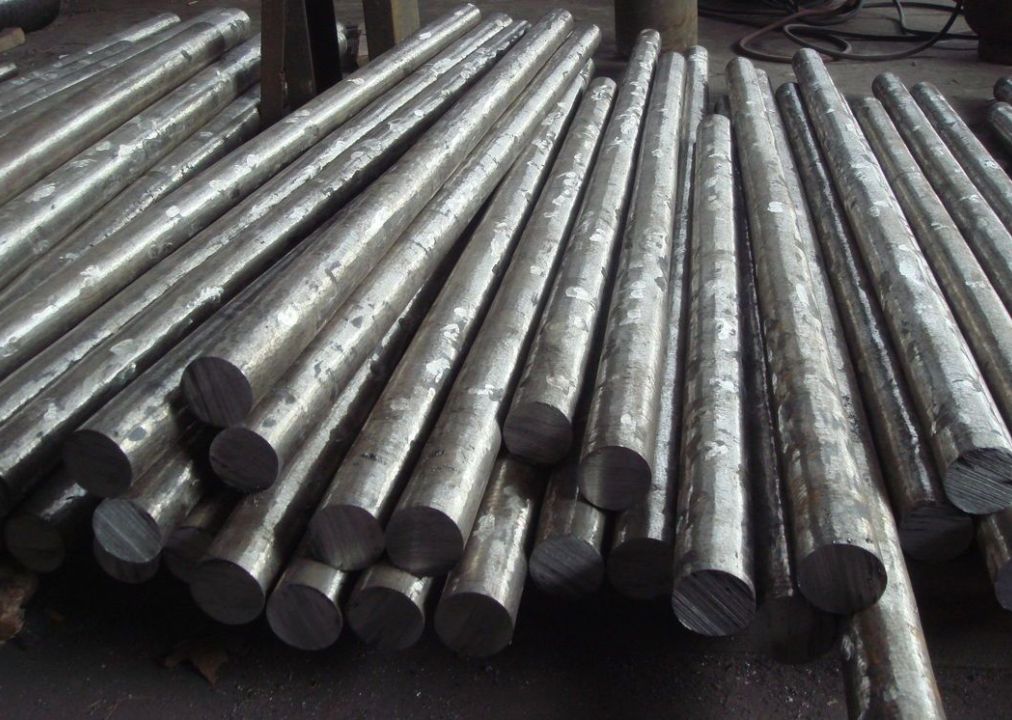 use:
use: