Skip to Content

Category Archives: Blog

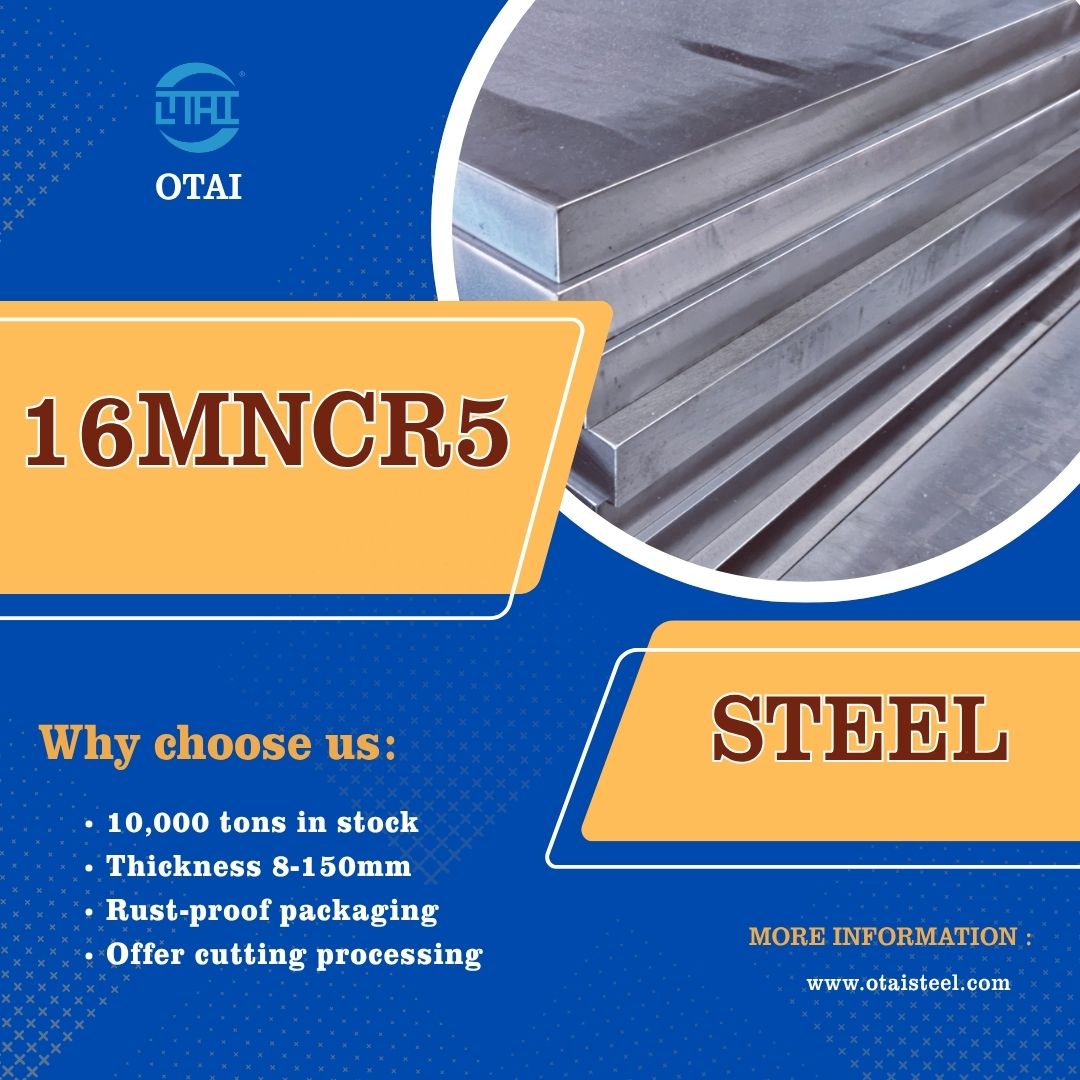
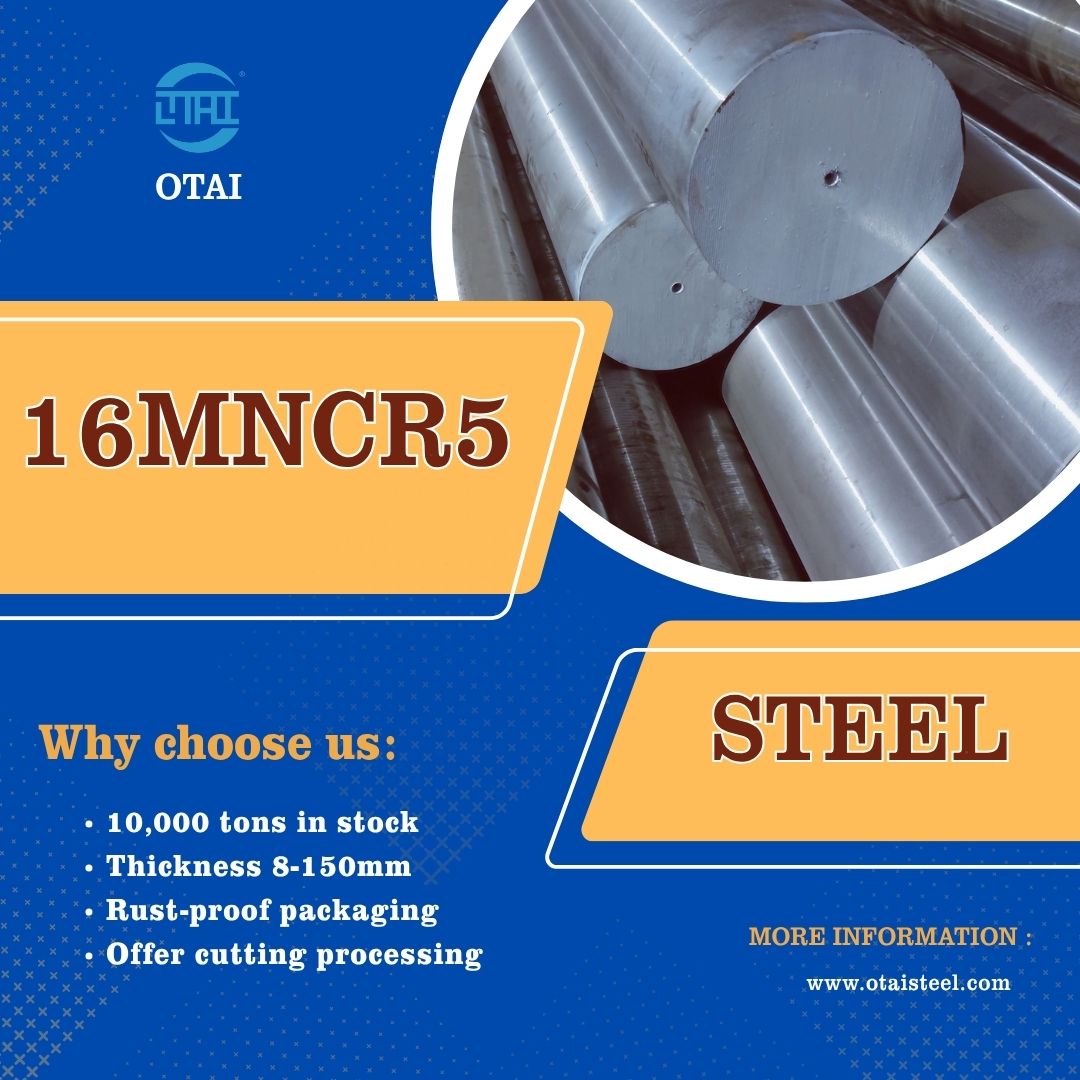
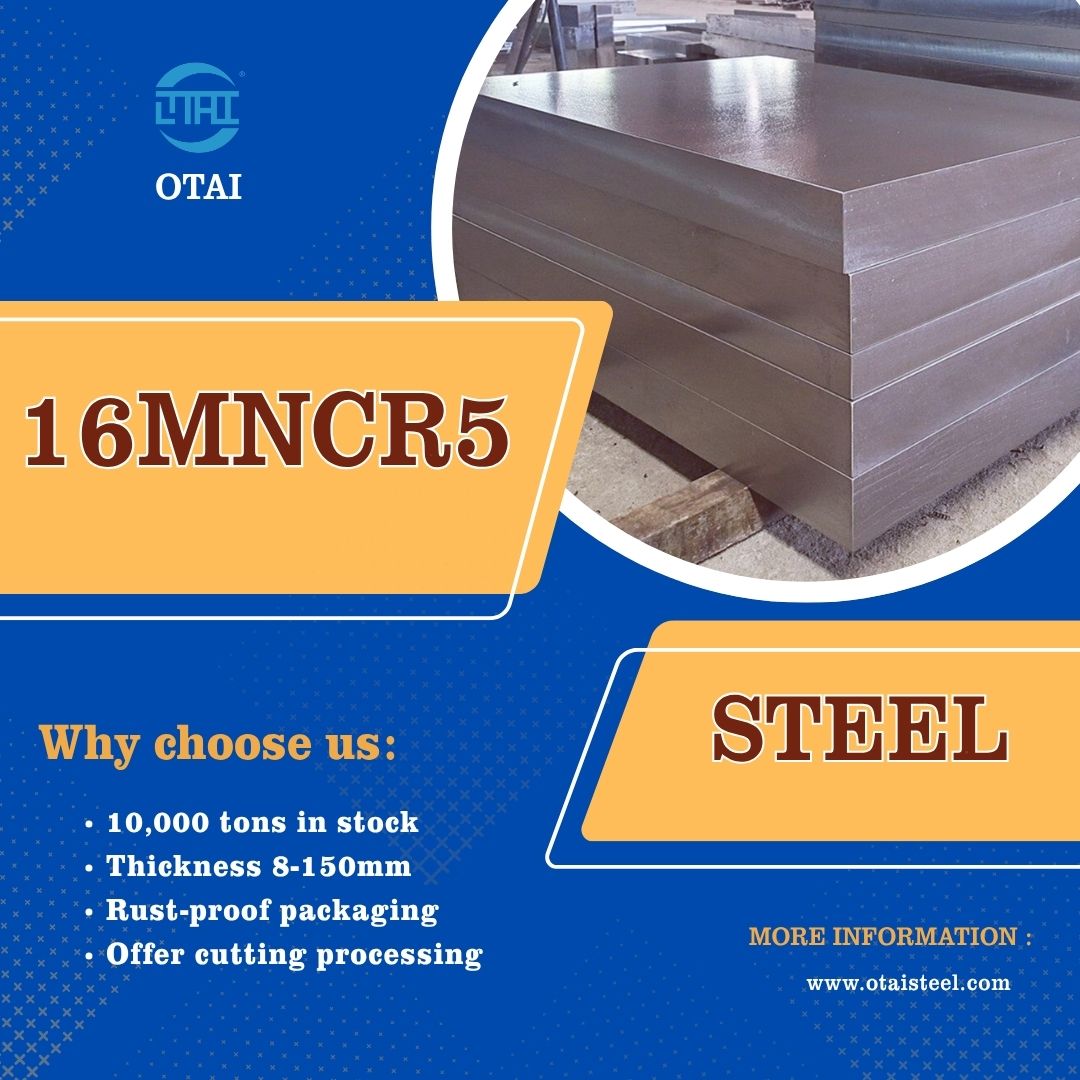
16MnCr5 Rod: Properties, Applications, and Best Practices

16MnCr5 Rod: Properties, Applications, and Best Practices16MnCr5 Rod: Properties, Applications, and Best Practices

🔍 Introduction

The 16MnCr5 alloy steel is a popular choice for applications that require high strength, excellent wear resistance, and toughness. Many industries, including automotive, mechanical engineering, and construction, rely on 16MnCr5 rods for their durability and performance. These rods are particularly suitable for components that experience high stress and require long-term reliability.

In this article, we will explore the key properties of 16MnCr5 rods, their typical uses, and the best practices for machining them to meet specific needs.


⚙️ Properties of 16MnCr5 Rods

16MnCr5 is a medium-carbon, chromium-manganese alloy steel that performs well in case-hardening applications. This steel balances strength, toughness, and ductility, making it an ideal choice for various industrial applications.

Key Properties of 16MnCr5:

Property Value Range
Tensile Strength 800–1000 MPa
Yield Strength 600–850 MPa
Hardness 58–62 HRC (case-hardened)
Carbon Content 0.14–0.19%
Manganese Content 0.50–0.80%
Chromium Content 0.90–1.20%

The high levels of manganese and chromium give 16MnCr5 excellent strength and wear resistance, making it a reliable material for components that endure high stress and fatigue.


🛠️ Applications of 16MnCr5 Rods

Industries use 16MnCr5 rods for a wide range of applications. Here are some common uses:

1. Automotive Industry

Manufacturers use 16MnCr5 rods to produce gears, shafts, crankshafts, and axles. The rods undergo case-hardening, providing wear resistance while maintaining toughness in the core. These properties make them ideal for automotive components exposed to mechanical stress.

2. Mechanical Engineering

In mechanical engineering, 16MnCr5 rods are essential for creating connecting rods, camshafts, and rollers. These parts need to withstand significant mechanical forces, and 16MnCr5 provides the required durability.

3. Aerospace Industry

Aerospace manufacturers use 16MnCr5 rods for components like landing gear, turbine blades, and compressor rotors. These parts must resist fatigue and wear, and 16MnCr5 delivers the toughness needed for high-performance aerospace applications.

4. Tooling Industry

In the tooling industry, 16MnCr5 rods are used to manufacture dies, molds, and cutting tools. The steel’s ability to undergo case-hardening ensures that these tools remain durable and perform well under high-stress conditions.


🛠️ Machining 16MnCr5 Rods

When machining 16MnCr5 rods, manufacturers must consider the material’s hardness and toughness. Although the rods are easier to machine in their annealed state, heat treatment can make the material more challenging to work with.

Here are some best practices for machining 16MnCr5 rods:

1. Use of Proper Cutting Tools

High-speed steel (HSS) tools or carbide inserts are ideal for machining 16MnCr5 rods. Carbide tools are particularly effective in cutting hardened sections, as they can withstand the high heat generated during the process and maintain sharpness for longer.

2. Control Cutting Speed and Feed Rate

Controlling cutting speed and feed rate helps maintain a smooth finish and minimizes tool wear. Lower cutting speeds are generally recommended for 16MnCr5, particularly when working with hardened sections, as they reduce heat buildup.

3. Use Coolants

Using cutting fluids or coolants helps control the temperature during machining. Coolants reduce heat generation, extend tool life, and improve the surface finish of the rods.

4. Ensure Proper Workpiece Clamping

Proper clamping of the workpiece prevents vibrations and distortions during machining, ensuring precision and better surface quality. Secure clamping helps achieve higher accuracy when working with 16MnCr5 rods.


🔥 Heat Treatment of 16MnCr5 Rods

To improve the hardness and wear resistance, manufacturers often apply heat treatment to 16MnCr5 rods. The heat treatment process, which includes carburizing, quenching, and tempering, enhances the material’s surface hardness while maintaining toughness in the core.

Common Heat Treatment Steps:

Treatment Type Process Description
Carburizing The rod is heated to high temperatures (around 900–950°C) in a carbon-rich environment to increase surface carbon content.
Quenching After carburizing, the rod is rapidly cooled in water or oil to harden the surface.
Tempering The rod is heated again to a lower temperature (around 200–650°C) to reduce brittleness while maintaining desired hardness.

The case-hardened surface provides exceptional wear resistance, while the tough core ensures the rod’s strength under high stress.


🏆 Company Advantages

At Otai Special Steel, we provide high-quality 16MnCr5 rod and tailored services to meet your needs. Here’s why you should choose us:

  • Large Inventory: We keep over 10,000 tons of 16MnCr5 rods in stock, available year-round for your projects.
  • Customized Services: We offer precision cutting, heat treatment, and machining services to meet specific requirements.
  • Global Shipping: We deliver 16MnCr5 rods worldwide, ensuring fast and reliable service.
  • Quality Assurance: We rigorously test our products, including ultrasonic testing (UT) and chemical composition analysis, to meet the highest quality standards.

❓ FAQ

1. What is 16MnCr5 used for?

16MnCr5 is used in components that require high strength, wear resistance, and toughness, such as gears, shafts, and tool parts.

2. How do I machine 16MnCr5 rods?

Use carbide inserts or HSS tools, control cutting speeds, and ensure proper clamping and coolant usage to prevent tool wear and achieve a smooth finish.

3. What is the hardness range of 16MnCr5 rods?

After case-hardening, 16MnCr5 rods typically reach a surface hardness of 58–62 HRC, providing excellent wear resistance.

4. Where can I buy 16MnCr5 rod?

You can buy 16MnCr5 rods from suppliers like Otai Special Steel, who offer customized services and worldwide shipping.


Jack Tan


📧 jack@otaisteel.com

📱 WhatsApp: +8676923190193

0 0 Continue Reading →

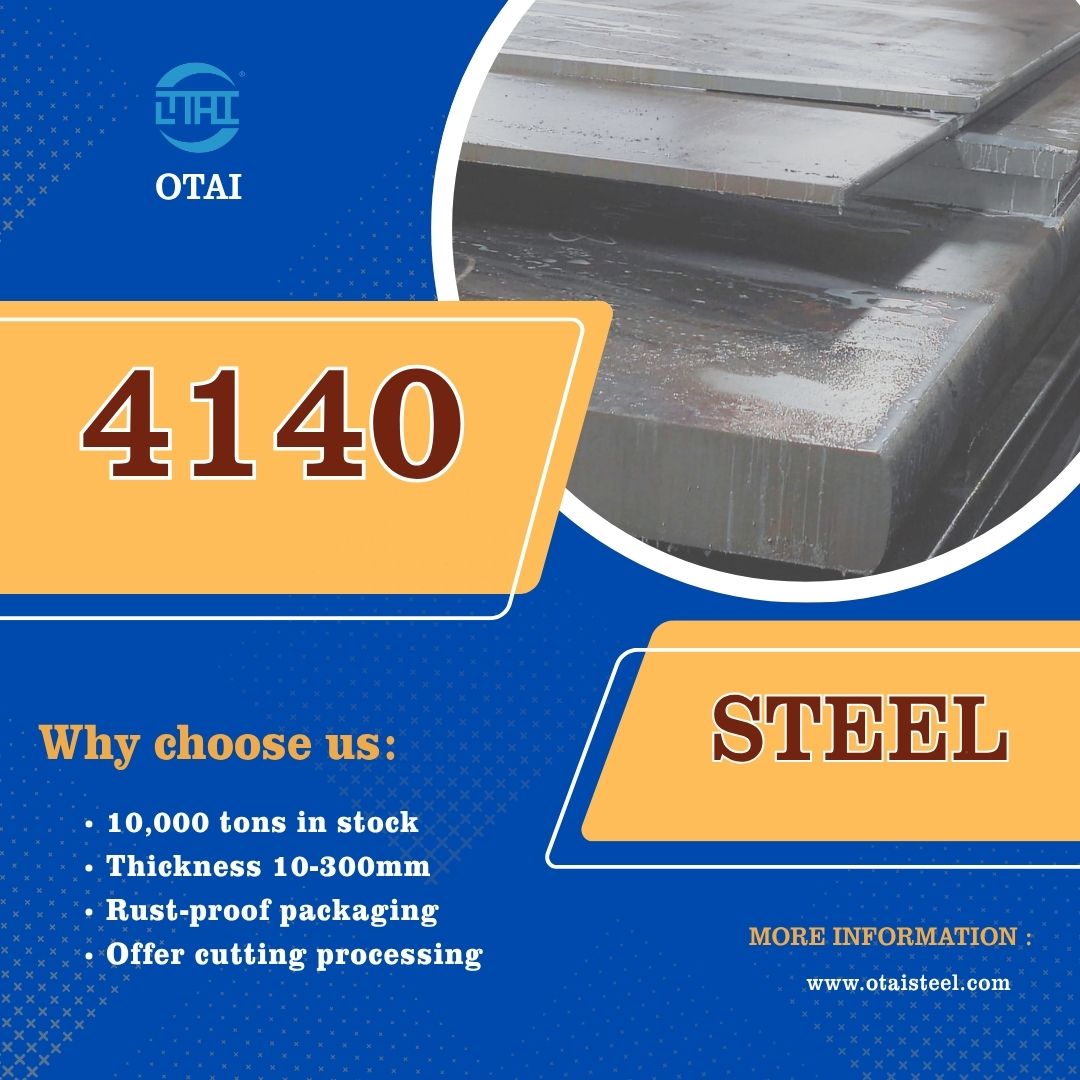
4140 Steel in Australia: Properties, Applications, and Suppliers

4140 Steel in Australia: Properties, Applications, and Suppliers4140 Steel in Australia: Properties, Applications, and Suppliers

🔍 Introduction

4140 steel is a widely used alloy steel known for its strength, hardness, and toughness. Industries like automotive, construction, and machinery manufacturing commonly rely on it. In Australia, 4140 steel is chosen for applications requiring high tensile strength, wear resistance, and resistance to fatigue.

This article explores 4140 steel‘s properties, applications, and availability in Australia. We will also discuss where you can source it, its price range, and the benefits of using 4140 steel in various industries.


⚙️ What is 4140 Steel?

4140 steel is a low-alloy, medium-carbon steel with chromium and molybdenum. These elements enhance the steel’s hardness, strength, and wear resistance. It performs well under high-stress conditions, making it suitable for demanding applications.

Composition of 4140 Steel:

Element Percentage Range
Carbon (C) 0.38–0.43%
Chromium (Cr) 0.80–1.10%
Manganese (Mn) 0.75–1.00%
Molybdenum (Mo) 0.15–0.25%
Silicon (Si) 0.10–0.35%

These alloying elements give 4140 steel its resistance to corrosion, abrasion, and fatigue, making it a top choice for high-performance applications.


💪 Properties of 4140 Steel in Australia

4140 steel stands out for its mechanical properties, offering:

Property Value Range
Tensile Strength 930–1200 MPa
Hardness 28–36 HRC (after heat treatment)
Yield Strength 640–850 MPa
Machinability Good (especially in annealed condition)
Wear Resistance High

Key Features:

  • Strength and Hardness: 4140 steel offers high tensile and yield strength, making it ideal for parts under heavy loads.
  • Toughness: Despite its hardness, 4140 steel maintains good ductility and toughness, helping it resist brittle fractures.
  • Heat Treatability: This steel responds well to heat treatment, providing flexibility for different engineering needs.

🛠️ Applications of 4140 Steel in Australia

4140 steel plays a key role in various Australian industries, including:

1. Automotive and Transportation:

4140 steel is used in the automotive industry for gears, shafts, spindles, and axles, all of which require high strength and wear resistance.

2. Oil and Gas:

The oil and gas industry uses 4140 steel for drill rods, pumps, valves, and drill bits, as it withstands high-pressure environments.

3. Heavy Machinery:

4140 steel is vital for making components in heavy machinery, such as press frames, bolsters, and crane parts.

4. Tooling:

Manufacturers also use 4140 steel in making dies, molds, and cutting tools, thanks to its exceptional wear resistance.


🇦🇺 Where to Find 4140 Steel in Australia

You can find 4140 steel at various suppliers across Australia. Here are some key suppliers:

City Supplier Examples Services Offered
Melbourne Steel Manufacturers (custom-cut plates and bars) Precision cutting, heat treatment
Sydney Sydney Steel Supplies (precision steel products) Custom machining and cutting
Brisbane Brisbane Steel Supplies (large-scale and custom orders) Fast delivery and bulk orders
Perth Perth-based Suppliers (mining and industrial applications) High-quality, on-demand delivery

💸 4140 Steel Price in Australia

The price of 4140 steel in Australia varies based on several factors, including size, form, and quantity. Typically, prices are influenced by:

Factors Impact on Price
Size and Form Larger plates or custom cuts may be more expensive.
Quantity Bulk orders may offer a lower per-unit cost.
Delivery Costs Shipping costs depend on location and urgency.

Although 4140 steel costs more than mild steel, its price is competitive when compared to other high-performance steels.


🔥 Heat Treatment and Machining of 4140 Steel in Australia

Heat treatment enhances the mechanical properties of 4140 steel, improving its strength and wear resistance. Australian suppliers offer various heat-treated forms of 4140 steel, including annealed, tempered, and quenched.

Heat Treatment Options:

Treatment Type Process Details
Annealing Heated to 850°C–900°C and cooled slowly to improve machinability.
Hardening Heated to 850°C–880°C and quenched in oil or water.
Tempering Heated to 400°C–700°C to adjust hardness and reduce brittleness.

Machining Services:

Australian suppliers provide machining services, including cutting, grinding, and milling, to meet precise specifications for custom components.


🏆 Company Advantages

At Otai Special Steel, we offer 4140 steel with high-quality materials and tailored solutions to meet your needs.

  • Large Inventory: We keep over 10,000 tons of 4140 steel in stock, ensuring year-round availability.
  • Customized Services: We offer precision cutting, heat treatment, and machining to match your specific requirements.
  • Global Shipping: We ensure fast, reliable delivery of 4140 steel across Australia and beyond.
  • Strict Quality Control: All products undergo ultrasonic testing (UT), chemical analysis, and third-party inspections (SGS).

❓ FAQ

1. What are the main advantages of 4140 steel?

4140 steel offers a balanced combination of strength, toughness, and wear resistance, making it ideal for demanding applications.

2. Where can I purchase 4140 steel in Australia?

You can find 4140 steel from suppliers in Melbourne, Sydney, Brisbane, and Perth, with various distribution and delivery options.

3. Is 4140 steel suitable for high-stress applications?

Yes, 4140 steel is highly suitable for applications requiring high tensile strength, such as gears, shafts, and crane components.

4. How is 4140 steel heat treated?

4140 steel can be quenched, tempered, or annealed to adjust its hardness, strength, and toughness.

5. What industries use 4140 steel in Australia?

4140 steel is used in automotive, oil and gas, heavy machinery, and tooling industries in Australia.


Jack Tan


📧 jack@otaisteel.com

📱 WhatsApp: +8676923190193

0 0 Continue Reading →

16MnCr5 Young’s Modulus: Understanding the Elastic Properties

16MnCr5 Young's Modulus: Understanding the Elastic Properties16MnCr5 Young’s Modulus: Understanding the Elastic Properties

🔍 Introduction

16MnCr5 is a commonly used alloy steel in the automotive, machinery, and industrial sectors due to its excellent combination of strength, hardness, and wear resistance. Young’s Modulus (also known as the modulus of elasticity) represents one of the critical mechanical properties that influence how materials perform in various applications. In this article, we will dive into the Young’s Modulus of 16MnCr5, explain its significance, and explore how it impacts the steel’s behavior in engineering applications.


⚙️ What is Young’s Modulus?

Young’s Modulus is a measure of the stiffness of a material. It quantifies the relationship between stress (force per unit area) and strain (proportional deformation) in a material under tensile or compressive load. It is calculated as the ratio of stress to strain in the linear elastic region of the material’s stress-strain curve.

Mathematically:

E =σ/ε

Where:

  • (E) is Young’s Modulus
  • (σ) is the stress applied (force per unit area)
  • (ε) is the strain produced (relative deformation)

For materials like 16MnCr5, which engineers design for high strength and wear resistance, the modulus of elasticity provides essential information about how much the material deforms under stress and how well it returns to its original shape after someone removes the load.


📊 Young’s Modulus of 16MnCr5

The Young’s Modulus of 16MnCr5 is typically around 210 GPa (Gigapascals). This value indicates that the steel exhibits a relatively high stiffness, meaning that it resists deformation when subjected to tensile or compressive forces.

Factors Affecting Young’s Modulus:

  1. Alloy Composition: The addition of chromium and manganese in 16MnCr5 influences its elasticity and resistance to deformation. These alloying elements increase the material’s strength while maintaining a relatively high modulus.
  2. Heat Treatment: The heat treatment processes (such as carburizing, hardening, and tempering) may slightly alter the Young’s Modulus, although these changes are usually minimal compared to changes in hardness and strength.
  3. Temperature: The modulus of elasticity can decrease at elevated temperatures. Like most steels, 16MnCr5 experiences a decrease in Young’s Modulus at higher temperatures, which affects its performance in thermal environments.

🔨 Importance of Young’s Modulus in 16MnCr5 Applications

The Young’s Modulus of a material is an essential property when designing components that will undergo mechanical loads, especially those requiring minimal deformation under stress. In 16MnCr5, this property is vital for the following reasons:

1. Stiffness and Load Bearing:

The high Young’s Modulus of 16MnCr5 makes it an excellent choice for components that need to bear significant loads without excessive bending or deformation. This includes:

  • Gear shafts
  • Automotive components
  • Transmission components

2. Structural Integrity:

In structural components, such as gears or bearings, 16MnCr5 can maintain its shape under high-stress conditions, which is crucial for the long-term reliability and performance of machines and mechanical systems.

3. Fatigue Resistance:

Because 16MnCr5 has a high Young’s Modulus, it shows resistance to fatigue under cyclic loading. This makes it ideal for use in high-performance applications like:

  • Aircraft components
  • Heavy-duty machinery parts

🔄 Comparing Young’s Modulus of 16MnCr5 with Other Steels

When comparing the Young’s Modulus of 16MnCr5 with other steels used in similar applications, such as AISI 4140 or SAE 8620, we find that 16MnCr5 exhibits similar stiffness but with varying degrees of strength and hardness.

Steel Grade Young’s Modulus (GPa) Yield Strength (MPa) Tensile Strength (MPa)
16MnCr5 210 550–800 850–1000
AISI 4140 210 660–950 930–1200
SAE 8620 210 450–600 800–1000

Key Insights:

  • 16MnCr5, AISI 4140, and SAE 8620 all share a similar Young’s Modulus of around 210 GPa, which indicates that they have comparable stiffness under stress.
  • However, AISI 4140 has a higher yield strength, making it more suitable for heavy-duty applications where higher stress resistance is required.
  • 16MnCr5 tends to be used in automotive and general industrial applications where its combination of stiffness and wear resistance is most beneficial.

🔥 Effect of Heat Treatment on 16MnCr5 Young’s Modulus

Heat treatment plays a significant role in enhancing the hardness, strength, and wear resistance of 16MnCr5. However, its effect on Young’s Modulus is relatively minimal. While 16MnCr5 undergoes heat treatments such as carburizing and tempering to improve its mechanical properties, the modulus of elasticity remains largely unchanged.

  • Carburizing increases the surface hardness of 16MnCr5, making it more wear-resistant but does not significantly affect its Young’s Modulus.
  • Tempering can reduce brittleness and improve toughness but has only a slight effect on the modulus.

🏭 Applications of 16MnCr5 Based on Young’s Modulus

The high Young’s Modulus of 16MnCr5 makes this material well-suited for a variety of demanding applications that require stiffness and resistance to deformation under load.

Common Applications Include:

  • Automotive gears and shafts: Components that undergo high-stress conditions benefit from the steel’s resistance to bending and stretching.
  • Heavy-duty machinery parts: Such as bearings, axles, and transmission components, where stiffness is crucial.
  • Aerospace components: Parts subjected to cyclic loading and stress can rely on the material’s elastic properties.

🏆 Company Advantages

At Otai Special Steel, we offer a variety of materials, including 16MnCr5, to meet your specific engineering and manufacturing needs:

  • Large Inventory: With over 10,000 tons of steel in stock, we maintain high availability of 16MnCr5 year-round.
  • Precision Cutting and Heat Treatment: We provide customized cutting services and heat treatment options to achieve your desired mechanical properties.
  • Global Supply: Our products are delivered worldwide, ensuring timely delivery and high-quality materials.
  • Comprehensive Quality Control: We ensure all our products undergo ultrasonic testing (UT), chemical composition testing, and third-party inspections (SGS).

❓ FAQ

1. What is Young’s Modulus of 16MnCr5?

The Young’s Modulus of 16MnCr5 is approximately 210 GPa, indicating a high stiffness suitable for mechanical applications.

2. How does Young’s Modulus impact the performance of 16MnCr5?

A high Young’s Modulus allows 16MnCr5 to resist deformation under stress, making it ideal for components that must maintain their shape under load.

3. Does heat treatment affect Young’s Modulus of 16MnCr5?

Heat treatment has little effect on Young’s Modulus, but it improves other properties like hardness, strength, and wear resistance.

4. What is the best use of 16MnCr5 based on its Young’s Modulus?

16MnCr5 is ideal for parts that require high stiffness and wear resistance, such as gears, shafts, and bearings.

5. How does 16MnCr5 compare to other steels in terms of Young’s Modulus?

16MnCr5 shares a similar Young’s Modulus (about 210 GPa) with steels like AISI 4140 and SAE 8620, making it a strong candidate for general mechanical applications.


Jack Tan


📧 jack@otaisteel.com

📱 WhatsApp: +8676923190193

0 0 Continue Reading →

4135 vs 4140 Steel: A Comprehensive Comparison

4135 vs 4140 Steel: A Comprehensive Comparison4135 vs 4140 Steel: A Comprehensive Comparison

🔍 Introduction

Both 4135 steel and 4140 steel are popular low-alloy steels commonly used in the automotive, manufacturing, and engineering industries. These two grades share many similarities but also exhibit distinct differences in composition, mechanical properties, and applications. Understanding these differences is crucial when choosing the appropriate material for specific engineering and manufacturing tasks.

In this article, we will compare 4135 steel with 4140 steel in terms of chemical composition, hardness, yield strength, heat treatment, and applications, providing a clear guide to help you make the right decision for your projects.


⚙️ Chemical Composition of 4135 vs 4140 Steel

The chemical composition of both 4135 and 4140 steels is similar, but with slight variations that influence their properties. Both grades belong to the same family of low-alloy steels and contain carbon, chromium, and manganese, but 4140 steel generally has a slightly higher carbon content.

1. 4135 Steel Composition:

  • Carbon (C): 0.30–0.38%
  • Chromium (Cr): 0.80–1.10%
  • Manganese (Mn): 0.60–0.90%
  • Molybdenum (Mo): 0.15–0.25%
  • Silicon (Si): 0.10–0.35%
  • Sulfur (S): ≤ 0.035%
  • Phosphorus (P): ≤ 0.035%

2. 4140 Steel Composition:

  • Carbon (C): 0.38–0.43%
  • Chromium (Cr): 0.80–1.10%
  • Manganese (Mn): 0.75–1.00%
  • Molybdenum (Mo): 0.15–0.25%
  • Silicon (Si): 0.10–0.35%
  • Sulfur (S): ≤ 0.035%
  • Phosphorus (P): ≤ 0.035%

Key Differences:

  • 4140 steel has a higher carbon content compared to 4135 steel, which contributes to its increased hardness and strength after heat treatment.
  • Both steels contain similar amounts of chromium and molybdenum, elements that enhance hardenability and resistance to wear.

📊 Hardness and Strength Comparison

When comparing the hardness and strength of 4135 steel and 4140 steel, 4140 steel generally shows better performance, especially after heat treatment.

Property 4135 Steel 4140 Steel
Hardness (HRC) 28–32 HRC (heat treated) 28–36 HRC (heat treated)
Yield Strength 570–700 MPa 640–850 MPa
Tensile Strength 850–1000 MPa 930–1200 MPa

Insights:

  • 4140 steel exhibits higher yield strength and tensile strength compared to 4135 steel, which makes it more suitable for heavy-duty applications and components that require superior strength and resistance to deformation.
  • 4135 steel, while slightly lower in strength, is still a good choice for applications that don’t require the maximum strength that 4140 steel offers.

🔥 Heat Treatment of 4135 vs 4140 Steel

Both 4135 and 4140 steels respond well to heat treatment, improving their mechanical properties such as hardness and strength. However, 4140 steel tends to achieve higher hardness levels than 4135 steel after heat treatment due to its slightly higher carbon content.

1. 4135 Steel Heat Treatment:

  • Annealing: 4135 steel is usually annealed at a temperature of around 850°C to 900°C and then cooled slowly to reduce hardness and improve machinability.
  • Hardening: 4135 can be hardened by heating to 850°C to 880°C followed by quenching in oil or water.
  • Tempering: After hardening, 4135 is tempered to achieve desired hardness and improve toughness, typically at 400°C to 600°C.

2. 4140 Steel Heat Treatment:

  • Annealing: For 4140 steel, the annealing process is similar to 4135, but it can achieve higher strength due to its higher carbon content.
  • Hardening: 4140 steel is hardened by heating it to 850°C to 880°C and quenching it in water or oil, yielding higher hardness.
  • Tempering: 4140 is tempered at higher temperatures (typically 400°C to 700°C) to balance hardness and toughness, providing better mechanical properties.

Key Insight:

Due to the higher carbon content in 4140 steel, it generally requires higher temperatures for heat treatment but results in superior hardness, strength, and overall mechanical performance.


🏭 Applications of 4135 vs 4140 Steel

Both 4135 and 4140 steels are used in a variety of industries, but the choice between them depends on the specific mechanical properties required for the application.

4135 Steel Applications:

  • Automotive components: Often used in parts like gears, shafts, and axles that require moderate strength and wear resistance.
  • Forged parts: 4135 steel is commonly used in forged components in the manufacturing industry.
  • Machine parts: Suitable for machine components that don’t require extreme strength but benefit from good toughness and wear resistance.

4140 Steel Applications:

  • High-performance gears: Due to its superior strength and hardness, 4140 is ideal for gears and bearings in high-load conditions.
  • Heavy-duty shafts: 4140 is commonly used for shafts, spindles, and other components that require enhanced strength and fatigue resistance.
  • Tooling and structural components: 4140 finds applications in structural components subjected to high stress, as well as in tooling for heavy machinery.

Insights:

  • 4140 steel is generally the material of choice for heavy-duty applications requiring superior strength, while 4135 steel is used in moderate load applications where cost and machinability are more critical.

🏆 Company Advantages

At Otai Special Steel, we provide both 4135 and 4140 steels with tailored solutions to meet your specific engineering needs:

  • Large Inventory: We maintain an extensive stock of over 10,000 tons of 4135 and 4140 steels, available year-round.
  • Precision Cutting and Heat Treatment: Our services include customized cutting and heat treatment to meet the exact specifications for your application.
  • Global Supply: We deliver 4135 and 4140 to industries worldwide, ensuring timely and reliable supply.
  • Strict Quality Control: Our materials undergo ultrasonic testing (UT), chemical analysis, and third-party inspections (SGS) to ensure the highest quality.

❓ FAQ

1. What is the main difference between 4135 and 4140 steel?

The primary difference is the carbon content. 4140 steel has a higher carbon content, which results in superior strength and hardness compared to 4135 steel.

2. Which steel is stronger, 4135 or 4140?

4140 steel is stronger than 4135. It has a higher yield strength and tensile strength, making it more suitable for high-load applications.

3. Can 4135 replace 4140 in all applications?

While 4135 can handle moderate stress and load, 4140 is better suited for heavy-duty applications that require higher strength and durability.

4. How do the heat treatments compare for 4135 and 4140?

Both steels respond well to heat treatment, but 4140 achieves higher hardness and strength due to its higher carbon content. 4135 is easier to machine but has lower strength after heat treatment.

5. What are the best applications for 4135 steel?

4135 is ideal for automotive parts, machine components, and forged parts where moderate strength and wear resistance are sufficient.


Jack Tan


📧 jack@otaisteel.com

📱 WhatsApp: +8676923190193

0 0 Continue Reading →

16MnCr5 vs 16MnCr5H: A Detailed Comparison

16MnCr5 vs 16MnCr5H: A Detailed Comparison16MnCr5 vs 16MnCr5H: A Detailed Comparison

🔍 Introduction

When comparing 16MnCr5 vs 16MnCr5H, both materials are alloy steels used extensively in mechanical and automotive industries. They share similar characteristics, but subtle differences in composition, hardness, strength, and applications make each one suitable for specific purposes. Understanding these differences helps you choose the right material for your project.

In this article, we’ll explore the chemical composition, hardness, strength properties, and applications of 16MnCr5 and 16MnCr5H to help you understand how they compare and which one suits your needs.


⚙️ Chemical Composition of 16MnCr5 vs 16MnCr5H

The chemical composition of 16MnCr5 and 16MnCr5H is similar, but 16MnCr5H contains additional elements that enhance its hardness and wear resistance, making it suitable for more demanding applications.

1. 16MnCr5 Chemical Composition:

  • Carbon (C): 0.14–0.19%
  • Manganese (Mn): 1.00–1.30%
  • Chromium (Cr): 0.80–1.10%
  • Silicon (Si): 0.20–0.35%
  • Phosphorus (P): ≤ 0.035%
  • Sulfur (S): ≤ 0.035%

This composition allows 16MnCr5 to undergo carburizing and case hardening processes, which give it good wear resistance and toughness.

2. 16MnCr5H Chemical Composition:

  • Carbon (C): 0.18–0.22%
  • Manganese (Mn): 1.00–1.30%
  • Chromium (Cr): 0.80–1.10%
  • Silicon (Si): 0.20–0.35%
  • Phosphorus (P): ≤ 0.035%
  • Sulfur (S): ≤ 0.035%
  • Boron (B): 0.001–0.005%

The addition of boron in 16MnCr5H improves its hardenability, making it better suited for parts requiring greater hardness and durability.


📊 Hardness and Strength Comparison

When comparing 16MnCr5 vs 16MnCr5H hardness, it’s evident that 16MnCr5H is specifically designed to be harder, offering better wear resistance.

Property 16MnCr5 16MnCr5H
Carbon Content 0.14–0.19% 0.18–0.22%
Chromium Content 0.80–1.10% 0.80–1.10%
Manganese Content 1.00–1.30% 1.00–1.30%
Hardness (HRC) 25–32 HRC (heat treated) 35–45 HRC (heat treated)
Yield Strength 550–800 MPa 600–850 MPa
Tensile Strength 850–1000 MPa 900–1200 MPa

Insights:

  • 16MnCr5H has a higher hardness range and superior tensile strength compared to 16MnCr5. The addition of boron enhances its ability to retain hardness in demanding conditions, making it ideal for parts exposed to heavy wear.
  • 16MnCr5 offers versatility and good balance between toughness and wear resistance, which makes it suitable for general industrial applications.

🔥 Heat Treatment of 16MnCr5 vs 16MnCr5H

Both 16MnCr5 and 16MnCr5H can undergo similar heat treatment processes, but 16MnCr5H is more effective at achieving higher hardness levels due to the boron content.

1. 16MnCr5 Heat Treatment:

  • Carburizing: This process adds carbon to the surface, increasing hardness.
  • Tempering: After carburizing, tempering relieves internal stresses and improves toughness.

2. 16MnCr5H Heat Treatment:

  • Carburizing with Boron: The boron in 16MnCr5H allows it to be hardened more deeply and uniformly than 16MnCr5, improving its wear resistance.
  • Higher Tempering Temperature: To reach the desired hardness and strength, 16MnCr5H requires higher tempering temperatures, which results in a more durable finish.

🏭 Applications of 16MnCr5 vs 16MnCr5H

Both materials find applications in industries such as automotive, machinery, and engineering, but the choice depends on the required durability, hardness, and strength.

16MnCr5 Applications:

  • Gears and shafts: Suitable for components exposed to moderate wear.
  • Axles and bearings: Ideal for parts that experience moderate to high loads.
  • Automotive parts: Perfect for car parts that require case hardening and moderate strength.

16MnCr5H Applications:

  • High-performance gears: Ideal for automotive gears that require enhanced durability and wear resistance.
  • Heavy-duty shafts: Used in machinery and equipment requiring high tensile strength and resistance to wear.
  • Industrial machinery components: Perfect for parts exposed to high loads, stress, and abrasion.

Insight:

16MnCr5H is better suited for heavy-duty applications that require superior hardness and wear resistance. On the other hand, 16MnCr5 is a more versatile and cost-effective option for general industrial applications.


🏆 Company Advantages

At Otai Special Steel, we offer 16MnCr5 and 16MnCr5H with tailored solutions to meet the needs of various industries:

  • Large Inventory: We maintain over 10,000 tons of steel in stock, including 16MnCr5 and 16MnCr5H.
  • Custom Sizes and Cutting: We provide precision cutting and customized heat treatment services to meet your specific requirements.
  • Strict Quality Control: Our products undergo ultrasonic testing (UT), chemical analysis, and third-party inspections, such as SGS, to ensure the highest quality.
  • Global Supply: We serve industries around the world, delivering high-performance steels on time.

We are committed to providing high-quality materials that meet your performance and durability needs.


❓ FAQ

1. What is the main difference between 16MnCr5 and 16MnCr5H?

The key difference is that 16MnCr5H contains boron, which improves its hardenability and wear resistance, making it suitable for more demanding applications.

2. Can 16MnCr5H replace 16MnCr5 in all applications?

While 16MnCr5H offers superior hardness and tensile strength, 16MnCr5 is often more cost-effective and versatile for general applications.

3. What are the best uses for 16MnCr5?

16MnCr5 is ideal for components such as gears, shafts, and bearings, where moderate strength and wear resistance are needed.

4. Why is 16MnCr5H better for high-performance applications?

16MnCr5H provides higher hardness, wear resistance, and tensile strength, making it more suitable for parts exposed to heavy wear and high mechanical loads.

5. How does boron in 16MnCr5H affect its performance?

The addition of boron enhances 16MnCr5H‘s ability to achieve higher surface hardness, increasing its durability and resistance to wear.


Jack Tan


📧 jack@otaisteel.com

📱 WhatsApp: +8676923190193

0 0 Continue Reading →

4140 Steel vs 1095: Composition, Properties, Applications, and Differences

4140 Steel vs 1095: Composition, Properties, Applications, and Differences4140 Steel vs 1095: Composition, Properties, Applications, and Differences

🔍 Introduction

When comparing 4140 steel vs 1095 steel, it’s essential to understand the distinct characteristics of these two materials. Both are popular carbon steels, but they differ significantly in terms of composition, mechanical properties, and applications. This comparison helps engineers, manufacturers, and designers choose the right steel based on their needs.

In this article, we will explore the composition and properties of 4140 and 1095 steels, compare their hardness, strength, and heat treatment processes, and examine their applications and advantages.


⚙️ Composition and Properties of 4140 and 1095 Steel

The composition of 4140 steel vs 1095 steel is one of the primary factors that define their properties and suitability for various applications.

1. 4140 Steel Composition:

  • Carbon (C): 0.38–0.43%
  • Chromium (Cr): 0.80–1.10%
  • Molybdenum (Mo): 0.15–0.25%
  • Manganese (Mn): 0.60–0.90%
  • Silicon (Si): 0.20–0.35%

4140 steel is an alloy steel that contains significant amounts of chromium and molybdenum, which enhance its strength, hardenability, and toughness.

2. 1095 Steel Composition:

  • Carbon (C): 0.90–1.03%
  • Manganese (Mn): 0.30–0.50%
  • Silicon (Si): 0.15–0.30%

1095 steel is a high-carbon steel known for its hardness and edge retention. It contains a higher percentage of carbon than 4140, making it harder but also more brittle.


📊 Hardness and Strength Comparison

The 4140 steel vs 1095 steel hardness and strength comparison shows distinct differences in how these steels perform under stress.

Property 4140 Steel 1095 Steel
Carbon Content 0.38–0.43% 0.90–1.03%
Yield Strength 600–850 MPa 400–550 MPa
Tensile Strength 900–1100 MPa 800–1000 MPa
Hardness (HRC) 28–50 HRC (heat treated) 55–65 HRC (after heat treatment)

Insight:

  • 4140 steel offers moderate strength with better toughness, making it suitable for heavy-duty applications.
  • 1095 steel, with its higher carbon content, is harder but less tough, making it ideal for tools that need sharp edges, like knives or cutting tools.

🔥 Heat Treatment Differences

Both 4140 steel vs 1095 steel heat treatment processes are important to modify their mechanical properties, but they differ due to their compositions.

1. Heat Treatment for 4140 Steel:

  • Quenching and Tempering: 4140 steel is often heat-treated through quenching (heating and rapid cooling) followed by tempering (reheating to a lower temperature) to achieve a hardness range of 28–50 HRC. This process gives it a good balance of strength, hardness, and toughness.

2. Heat Treatment for 1095 Steel:

  • Carburizing and Quenching: 1095 steel is heat-treated by carburizing (adding carbon to the surface) followed by quenching. This produces a high hardness of 55–65 HRC, which makes it very hard but also more brittle than 4140 steel.

🏭 Applications of 4140 and 1095 Steel

The applications of 4140 vs 1095 steel are influenced by their mechanical properties and heat treatment.

Applications of 4140 Steel:

  • Automotive components: Gears, shafts, and axles
  • Machine parts: Heavy-duty tools and structural components
  • Oil & gas industry: Drilling tools and rigs
  • Aerospace: Aircraft components and fasteners

4140 steel is favored for its strength, toughness, and wear resistance, making it a great choice for components subjected to high mechanical stress.

Applications of 1095 Steel:

  • Cutting tools: Knives, scissors, and blades
  • Industrial tools: Dies, punches, and chisels
  • Spring manufacturing: Used in making high-carbon springs
  • Sharpened tools: Razor blades and edge tools

1095 steel is perfect for high-carbon applications where sharpness and edge retention are critical, but its brittleness limits its use in high-impact or heavy-load situations.


🛠️ Machining and Processing

Machining 4140 vs 1095 steel presents different challenges due to their hardness.

1. Machining 4140 Steel:

  • Easier to machine in its annealed state, but requires special tools when hardened.
  • The lower carbon content makes it more forgiving during machining processes like drilling, milling, and turning.

2. Machining 1095 Steel:

  • More difficult to machine due to its higher carbon content and hardness after heat treatment.
  • Requires carbide tools and slower speeds to prevent tool wear.

🔬 Key Differences Between 4140 Steel and 1095 Steel

To summarize the differences between 4140 steel and 1095 steel, here’s a quick comparison:

Property 4140 Steel 1095 Steel
Carbon Content Moderate (0.38–0.43%) High (0.90–1.03%)
Hardness (HRC) 28–50 HRC (heat treated) 55–65 HRC (heat treated)
Tensile Strength Higher (900–1100 MPa) Moderate (800–1000 MPa)
Toughness High Low (brittle)
Machinability Moderate (easier to machine) Difficult (harder to machine)
Applications Heavy-duty machinery, automotive parts Cutting tools, knives, springs

Insight:

  • 4140 steel is ideal for heavy-duty applications requiring a balance of strength and toughness.
  • 1095 steel is better suited for applications that require sharpness, wear resistance, and edge retention.

🏆 Company Advantages

At Otai Special Steel, we offer high-quality 4140 steel with tailored solutions for your projects:

  • Over 10,000 tons of inventory available year-round
  • Full size range from 6mm to 300mm
  • Precision cutting and customized heat treatment services
  • Strict quality control including ultrasonic testing (UT) and chemical analysis
  • Support for third-party inspections such as SGS
  • Extensive experience supplying global industrial clients

We ensure your materials meet exacting standards for performance, strength, and durability.


❓ FAQ

1. Which is stronger, 4140 steel or 1095 steel?

4140 steel has higher tensile strength and better toughness, making it stronger overall. 1095 steel is harder but more brittle.

2. Can 4140 steel be used for tools like 1095 steel?

4140 steel can be used for tools, but 1095 steel is preferred for cutting tools that require high hardness and edge retention.

3. What makes 4140 steel more versatile than 1095?

4140 steel is tougher, which makes it suitable for heavy-duty industrial applications, while 1095 steel is more brittle and better suited for high-carbon, sharp-edged tools.

4. Is 1095 steel harder than 4140?

Yes, 1095 steel can achieve a higher hardness level after heat treatment, making it ideal for tools that need to maintain sharpness.

5. What are the best uses for 4140 steel?

Best used in machinery, automotive parts, and aerospace components where strength, toughness, and fatigue resistance are crucial.

0 0 Continue Reading →

16MnCr5 Equivalent Material: A Comprehensive Comparison

16MnCr5 Equivalent Material: A Comprehensive Comparison16MnCr5 Equivalent Material: A Comprehensive Comparison

🔍 Introduction

16MnCr5 is a widely used alloy steel in the manufacturing of mechanical components, known for its excellent wear resistance and good hardenability. However, it’s important to understand the equivalent materials of 16MnCr5 in different international standards. These equivalent materials share similar properties and can often be substituted for 16MnCr5 depending on specific application requirements.

In this article, we will explore the 16MnCr5 equivalent grades, discuss their properties, and examine which materials can be used as substitutes in various global standards.


⚙️ What is 16MnCr5 Steel?

16MnCr5 is a low-alloy, medium-carbon steel containing manganese and chromium. It is commonly used in parts that require high strength, good wear resistance, and the ability to be hardened, such as gears, shafts, and automotive components. Its composition makes it highly suitable for case hardening processes.

Chemical Composition of 16MnCr5:

  • Carbon (C): 0.14–0.19%
  • Manganese (Mn): 1.00–1.30%
  • Chromium (Cr): 0.80–1.10%
  • Silicon (Si): 0.20–0.35%
  • Phosphorus (P): ≤ 0.035%
  • Sulfur (S): ≤ 0.035%

🔄 Equivalent Grades of 16MnCr5 in Different Standards

Various standards around the world use different naming conventions for equivalent materials. Below is a comparison of the 16MnCr5 equivalent materials in several key standards.

1. 16MnCr5 Equivalent Material in the European Standard (EN):

  • EN 10084: 16MnCr5 is a direct equivalent to 42CrMo4 and 15CrMo5, which are also low-alloy steels with similar properties.

2. 16MnCr5 Equivalent in the SAE Standards:

  • SAE 5120: This is the closest equivalent to 16MnCr5 in the SAE system. Both are chromium-molybdenum steels and offer comparable hardenability and mechanical properties.
  • SAE 4130: Although this material has a slightly different composition, it can be used as an equivalent for certain applications, especially when higher strength is required.

3. 16MnCr5 Equivalent in the ASTM Standards:

  • AISI 5115: This steel is very similar to 16MnCr5 and is used in applications requiring good wear resistance and machinability. It is a common alternative in the U.S.

4. 16MnCr5 Equivalent in the JIS (Japanese) Standards:

  • JIS SNCM420: This is the Japanese equivalent of 16MnCr5, often used in similar mechanical applications, especially for high-strength components.

📊 Properties of 16MnCr5 and Its Equivalents

To better understand how 16MnCr5 and its equivalents compare, let’s look at their mechanical properties.

Material Yield Strength (MPa) Tensile Strength (MPa) Hardness (HRC)
16MnCr5 550–800 850–1000 25–32 HRC
42CrMo4 (EN) 600–850 950–1200 30–40 HRC
SAE 5120 460–800 800–1000 30–35 HRC
AISI 5115 500–700 850–1000 25–35 HRC
JIS SNCM420 600–850 900–1100 30–35 HRC

Key Insights:

  • 16MnCr5 has a lower yield strength compared to its European and Japanese equivalents, but it is still suitable for many general engineering applications.
  • 42CrMo4 and JIS SNCM420 have slightly higher strength and are often preferred for applications requiring tougher and more robust materials.
  • SAE 5120 is a close alternative but may be more readily available in some regions, such as the U.S.

🔧 Heat Treatment of 16MnCr5 and Its Equivalents

The heat treatment processes for 16MnCr5 and its equivalents are quite similar, as they are all designed to achieve a hard surface while maintaining a tough core. Here are the typical treatments for these steels:

1. Carburizing:

  • Manufacturers primarily use carburizing as the heat treatment for 16MnCr5. This process improves wear resistance by increasing the surface carbon content.

2. Tempering:

  • After carburizing, technicians temper the material to relieve internal stresses and achieve the desired hardness range.

3. Quenching:

  • Technicians quench the material after carburizing to lock in the hard, wear-resistant surface.

🏭 Applications of 16MnCr5 and Its Equivalents

All of these materials—16MnCr5, 42CrMo4, SAE 5120, AISI 5115, and JIS SNCM420—are suitable for heavy-duty mechanical components, but there are subtle differences in their ideal applications.

Common Uses:

  • Automotive Components: Gears, shafts, and camshafts
  • Machinery Parts: Bearings, axles, and rollers
  • Aerospace: High-strength parts that require wear resistance
  • Industrial Equipment: Gearboxes, drive shafts, and couplings

These materials are particularly chosen for their ability to withstand high wear, abrasion, and dynamic loading.


🏆 Company Advantages

At Otai Special Steel, we offer a variety of materials, including 16MnCr5 and its equivalent grades, with premium quality and customizable options to meet the needs of diverse industries.

  • Large inventory: Over 10,000 tons of steel in stock, available year-round
  • Custom sizes and cutting: Precision cutting and customized heat treatment services
  • Strict quality control: Ultrasonic testing (UT), chemical analysis, and third-party inspections (SGS)
  • Global delivery: Serving industries across the globe with high-performance steels

We ensure the highest standards in product quality, performance, and customer satisfaction.


❓ FAQ

What is the equivalent of 16MnCr5 in the ASTM standard?
AISI 5115 serves as the ASTM equivalent of 16MnCr5. It offers similar mechanical properties and commonly meets applications that require wear resistance.
Can you use 16MnCr5 interchangeably with 42CrMo4?
Yes, 16MnCr5 and 42CrMo4 share similar mechanical properties. However, engineers often prefer 42CrMo4 for more demanding applications that require higher strength and toughness.
What are the main uses of 16MnCr5?
Manufacturers typically use 16MnCr5 in automotive components, machinery parts, and gear systems that require moderate strength and wear resistance.
Can SAE 5120 replace 16MnCr5?
Yes, SAE 5120 provides a good equivalent for 16MnCr5. You can use it especially when you need an alternative steel for parts like gears and shafts in the U.S. market.
How does JIS SNCM420 compare to 16MnCr5?
JIS SNCM420 offers a close equivalent and suits high-strength components in industries such as automotive and industrial machinery. It provides slightly better strength than 16MnCr5, but manufacturers use it for similar applications.

Jack Tan


📧 jack@otaisteel.com

📱 WhatsApp: +8676923190193

0 0 Continue Reading →

4140 Steel Heat Treated to RC 25-32: Properties, Applications, and Benefits

4140 Steel Heat Treated to RC 25-32: Properties, Applications, and Benefits4140 Steel Heat Treated to RC 25-32: Properties, Applications, and Benefits

🔍 Introduction

4140 steel heat treated to RC 25-32 is a popular condition for this alloy steel that balances toughness and strength. The RC scale (Rockwell C) measures hardness, and achieving this range in 4140 steel ensures a material with suitable hardness for heavy-duty applications while maintaining good impact resistance.

In this article, we’ll explore the 4140 steel heat treatment process for RC 25-32, how to achieve this hardness, the benefits, and its various industrial applications.


⚙️ What Is RC 25-32 Hardness in 4140 Steel?

When 4140 steel is heat treated to RC 25-32, it means that the steel has been subjected to a heat treatment process that results in a Rockwell hardness of between 25 and 32 HRC. This range provides a good balance between hardness and ductility, making it ideal for parts that need strength without being brittle.

Hardness Explanation:

  • RC 25-32 → Moderate hardness range
  • Achieved through tempering after quenching

The resulting material is harder than annealed steel but still tough enough for heavy-duty applications.


🔥 Heat Treatment Process for Achieving RC 25-32

The 4140 steel heat treatment process for RC 25-32 involves two primary steps: quenching and tempering.

1. Quenching:

  • Heat the steel to a high temperature (around 830–860°C).
  • Rapidly cool the material, typically in oil or water.
  • This step hardens the steel, increasing its strength.

2. Tempering:

  • After quenching, the steel is reheated to a lower temperature (around 550–650°C).
  • This step relieves internal stresses and increases toughness.
  • The result is a Rockwell hardness in the range of 25-32.

By adjusting the tempering temperature, manufacturers can control the final hardness level to suit specific applications.


📊 Mechanical Properties of 4140 Steel at RC 25-32

The 4140 steel mechanical properties at RC 25-32 reflect a balanced performance profile, suitable for medium-to-heavy-duty applications.

Property Value at RC 25-32
Hardness (HRC) 25-32 HRC
Tensile Strength 900–1100 MPa
Yield Strength 600–850 MPa
Impact Toughness Good (compared to higher hardness grades)
Ductility Moderate to good

Insight:

At RC 25-32, 4140 steel provides a good balance of strength, hardness, and toughness, making it suitable for parts that require both wear resistance and impact resistance.


🏭 Applications of 4140 Steel at RC 25-32

The 4140 steel applications with RC 25-32 hardness are numerous in industries that require durable components but do not need the extreme hardness associated with higher Rockwell C values.

Common Uses:

  • Gear shafts: Suitable for high-load applications.
  • Axles and spindles: Heavy-duty automotive components.
  • Crankshafts: High strength with impact resistance.
  • Industrial machinery: Parts that experience both stress and wear.

The RC 25-32 hardness range provides adequate wear resistance while maintaining good shock absorption, which is vital in machinery subjected to dynamic forces.


🔬 Comparison of 4140 Steel at Different Hardness Levels

When considering 4140 steel RC 25-32 vs other hardness levels, the key difference is how each treatment affects the steel’s performance. Here’s a comparison:

Hardness Level (HRC) Applications Characteristics
RC 25-32 Gears, shafts, automotive parts Good strength, moderate toughness
RC 35-40 High-performance components, tools Harder, lower impact resistance
RC 45-50 Cutting tools, molds, wear parts Very hard, brittle, wear-resistant
Annealed (RC 10-20) Structural components, large weldments Soft, easy to machine

Conclusion:

RC 25-32 provides a balanced mix of hardness and toughness, making it the most versatile choice for various mechanical components.


🛠️ Benefits of 4140 Steel Heat Treated to RC 25-32

The benefits of 4140 steel heat treated to RC 25-32 include:

  • Increased wear resistance: The steel can withstand moderate to high wear conditions.
  • Enhanced toughness: Retains good impact resistance, ideal for machinery components.
  • Good machinability: Easier to machine compared to higher hardness grades, which is crucial in complex manufacturing processes.
  • Versatility: Works well in both low and high-stress applications, providing flexibility across industries.

Insight:

The heat treatment process enhances mechanical properties, making 4140 steel at RC 25-32 an ideal material for parts that require both durability and toughness.


⚖️ Comparison of Benefits at Different Hardness Levels

Here’s a comparison of the 4140 steel hardness levels and the trade-offs:

Hardness Level (HRC) Benefits Trade-offs
RC 25-32 Good toughness and strength Moderate wear resistance
RC 35-40 Higher strength and wear resistance Reduced toughness
RC 45-50 Very high wear resistance Brittle, less tough
Annealed Very easy to machine Lower strength and wear resistance

Conclusion:

RC 25-32 provides a middle ground, offering durability and performance without being too brittle or difficult to machine.


🏆 Company Advantages

At Otai Special Steel, we offer 4140 steel heat treated to RC 25-32 with superior quality:

  • Over 10,000 tons of inventory available year-round
  • Full size range from 6mm to 300mm
  • Precision cutting and customized heat treatment services
  • Strict quality control including ultrasonic testing (UT) and chemical analysis
  • Support for third-party inspections such as SGS
  • Extensive experience supplying global industrial clients

We ensure your materials meet exacting standards for performance, strength, and durability.


❓ FAQ

1. What is RC 25-32 hardness in 4140 steel?

It refers to a moderate hardness level achieved through heat treatment, balancing strength and toughness.

2. How is RC 25-32 achieved?

Through a combination of quenching and tempering processes.

3. What is 4140 steel commonly used for at RC 25-32?

It is commonly used for gears, shafts, axles, and other machinery parts.

4. Can 4140 steel at RC 25-32 be easily machined?

Yes, it offers better machinability compared to higher hardness levels.

5. Why choose RC 25-32 over higher hardness levels?

It provides a good mix of wear resistance and impact resistance without becoming too brittle.

0 0 Continue Reading →

16MnCr5 Price: Cost Factors, Market Trends, and Buying Strategies

16MnCr5 Price: Cost Factors, Market Trends, and Buying Strategies16MnCr5 Price: Cost Factors, Market Trends, and Buying Strategies

🔍 Introduction

When evaluating 16MnCr5 price, many buyers focus only on numbers, but the real value lies in understanding what drives cost differences. As a widely used case hardening steel, 16MnCr5 is influenced by multiple technical and market factors rather than a fixed price point.

This article explains how pricing is determined, what affects cost variations, and how to make smarter purchasing decisions without relying on outdated or misleading price references.


⚙️ What Determines the Cost of 16MnCr5 Steel?

The what affects 16mncr5 steel pricing question is essential for accurate budgeting.

Key Cost Drivers:

  • Raw material composition (chromium, manganese content)
  • Production process (rolling, forging, seamless forming)
  • Supply chain and logistics
  • Market demand and industry cycles

Insight:

Price is not static—it reflects both technical specifications and market conditions.


🧪 Material Condition and Processing Impact

The 16mncr5 price based on heat treatment can vary significantly depending on processing.

Conditions:

  • Annealed → lower processing cost
  • Normalized → moderate cost
  • Carburized or heat-treated → higher cost due to additional processing

Additional Factors:

  • Precision machining
  • Surface finishing
  • Ultrasonic testing (UT)

Each added service increases the overall material value.


📊 Product Form and Size Influence

The 16mncr5 round bar price vs plate price differs due to manufacturing complexity.

Product Form Cost Impact Reason
Round Bar Moderate Standard production
Plate Higher Rolling complexity
Tube Higher Additional forming processes
Forged Block Highest Intensive processing

Insight:

Larger sizes and custom dimensions generally increase cost due to lower production efficiency.


🌍 Market Trends and Supply Factors

The current 16mncr5 steel price trends are influenced by global conditions.

Key Influences:

  • Raw material availability
  • Energy costs
  • Transportation and logistics
  • Industrial demand (automotive, machinery)

Observation:

Market fluctuations can significantly impact procurement timing.


⚖️ Comparison with Other Steels

The 16mncr5 price comparison with other steels provides context.

Steel Grade Cost Level Characteristics
16MnCr5 Medium Case hardening steel
4140 Medium-High Higher alloy content
1018 Low Simple carbon steel

Conclusion:

16MnCr5 offers a good balance between cost and performance.


🏭 Bulk Purchasing and Supply Strategy

The bulk 16mncr5 steel price supplier advantage becomes clear in large orders.

Benefits of Bulk Buying:

  • Lower unit cost
  • Stable supply
  • Better negotiation flexibility

Tip:

Long-term partnerships often lead to more competitive pricing.


🔬 Quality vs Cost Consideration

Focusing only on cost can be misleading.

Important Factors:

  • Material certification
  • Consistency of chemical composition
  • Mechanical property reliability
  • Inspection standards

Insight:

Higher-quality material reduces long-term failure risks and total cost.


🧭 How to Optimize Purchasing Decisions

To manage 16mncr5 material price in global market, consider:

  1. Specify exact requirements (size, condition, tolerance)
  2. Avoid over-specification
  3. Compare multiple suppliers
  4. Consider processing services in one package

Practical Tip:

A complete solution often reduces overall project cost.


⚠️ Common Mistakes in Price Evaluation

  1. Comparing prices without considering condition
  2. Ignoring processing and testing costs
  3. Choosing suppliers based only on lowest price
  4. Not factoring logistics and delivery time

Avoiding these mistakes ensures better value.


🏆 Company Advantages

At Otai Special Steel, we help customers achieve the best balance between cost and quality:

  • Over 10,000 tons of inventory available year-round
  • Full size range from 6mm to 300mm
  • Precision cutting and customized heat treatment services
  • Strict quality control including ultrasonic testing (UT) and chemical analysis
  • Support for third-party inspections such as SGS
  • Extensive experience supplying global industrial clients

We provide cost-effective solutions tailored to your project needs.


❓ FAQ

1. What affects the price of 16MnCr5 steel the most?

Raw materials, heat treatment, and processing requirements.

2. Does heat treatment increase cost?

Yes, additional processing raises overall cost.

3. Is bulk purchasing more economical?

Yes, it typically reduces unit cost.

4. Why do different suppliers offer different prices?

Differences in quality, processing, and service levels.

5. How can I get the best value?

By balancing quality, specifications, and supplier reliability.

0 0 Continue Reading →

5/8 4140 Steel Plate: Properties, Performance, and Practical Applications

5/8 4140 Steel Plate: Properties, Performance, and Practical Applications5/8 4140 Steel Plate: Properties, Performance, and Practical Applications

🔍 Introduction

The 5/8 4140 steel plate is a widely used thickness in industrial applications where strength, toughness, and reliability are essential. This medium-thickness plate offers an excellent balance between structural rigidity and machinability, making it ideal for a wide range of engineering components.

In this article, we explore 5/8 4140 steel plate properties and specifications, including mechanical performance, heat treatment options, machining considerations, and typical applications.


⚙️ Overview of 5/8 Inch 4140 Steel Plate

A 5/8 inch 4140 steel plate refers to a plate with a thickness of approximately 15.875 mm made from chromium-molybdenum alloy steel. This thickness is commonly used because it provides sufficient strength without excessive weight.

Key Features:

  • High strength and toughness
  • Good wear resistance
  • Excellent heat treatment response
  • Versatile for machining and fabrication

This combination makes it suitable for demanding structural applications.


📊 Mechanical Properties and Strength

The 5/8 inch 4140 steel plate hardness and strength depend on the condition of supply.

Condition Yield Strength (MPa) Tensile Strength (MPa) Hardness
Annealed 415–620 650–850 ~20 HRC
Normalized 500–750 700–950 20–30 HRC
Quenched & Tempered 650–900 850–1100 28–50 HRC

Insight:

Heat treatment significantly enhances performance, especially for load-bearing applications.


🔥 Heat Treatment Options

The 5/8 4140 steel plate heat treatment options allow customization based on application needs.

Common Processes:

  • Normalizing → improves uniformity
  • Quenching → increases hardness
  • Tempering → enhances toughness

Result:

  • Balanced strength and ductility
  • Improved fatigue resistance
  • Better wear performance

Proper treatment ensures optimal results.


⚖️ Weight and Dimensions

Understanding the 5/8 4140 steel plate weight and dimensions is important for design and logistics.

Approximate Weight:

  • Thickness: 5/8 inch (15.875 mm)
  • Weight: ~49 kg/m²
Plate Size Approximate Weight
1 m² ~49 kg
2 m² ~98 kg
5 m² ~245 kg

Insight:

Weight increases linearly with surface area.


🛠️ Machining and Cutting

The 5/8 4140 steel plate machining and cutting process is efficient in the annealed or normalized condition.

Machining Tips:

  • Use carbide tools for better performance
  • Apply proper cutting speeds
  • Avoid machining after hardening if possible

Cutting Methods:

  • Plasma cutting
  • Laser cutting
  • Saw cutting

Proper techniques improve surface quality and reduce tool wear.


🏭 Applications of 5/8 Thick Plates

The 5/8 thick 4140 steel plate applications are diverse.

Common Uses:

  • Machinery base plates
  • Structural supports
  • Mold bases
  • Heavy equipment components

This thickness is ideal for medium-duty structural applications.


🔬 Comparison with Other Thicknesses

The 5/8 4140 steel plate vs other thickness comparison helps in selection.

Thickness Advantage Typical Use
1/2 inch Lighter Light structures
5/8 inch Balanced General engineering
1 inch Stronger Heavy-duty components

Conclusion:

5/8 inch offers an excellent balance of strength and weight.


📏 Tolerance and Standards

The 5/8 4140 steel plate tolerance and standards ensure consistency.

Standards:

  • ASTM A829
  • EN 10083 (42CrMo4 equivalent)

Tolerances:

  • Thickness tolerance depends on rolling standard
  • Flatness and surface quality controlled during production

Insight:

Strict standards ensure reliable performance.


🧭 Supply and Availability

The 5/8 4140 steel plate supplier and stock availability is generally stable due to high demand.

Key Points:

  • Available in various sizes
  • Custom cutting services common
  • Heat-treated options available

Working with reliable suppliers ensures consistent quality.


⚠️ Common Mistakes in Usage

  1. Ignoring heat treatment condition
  2. Underestimating weight impact
  3. Machining after hardening
  4. Not considering tolerance requirements

Avoiding these improves efficiency and performance.


🏆 Company Advantages

At Otai Special Steel, we supply high-quality 4140 steel plates in various thicknesses:

  • Over 10,000 tons of inventory available year-round
  • Full size range from 6mm to 300mm
  • Precision cutting and customized heat treatment services
  • Strict quality control including ultrasonic testing (UT) and chemical analysis
  • Support for third-party inspections such as SGS
  • Extensive experience supplying global industrial clients

We ensure reliable supply and consistent quality for your projects.


❓ FAQ

1. What is the thickness of a 5/8 steel plate in mm?

Approximately 15.875 mm.

2. Is 5/8 4140 plate strong?

Yes, especially after heat treatment.

3. Can it be machined easily?

Yes, particularly in annealed condition.

4. What industries use this thickness?

Machinery, construction, and heavy equipment industries.

5. Is heat treatment necessary?

It depends on the application, but it significantly improves performance.

0 0 Continue Reading →