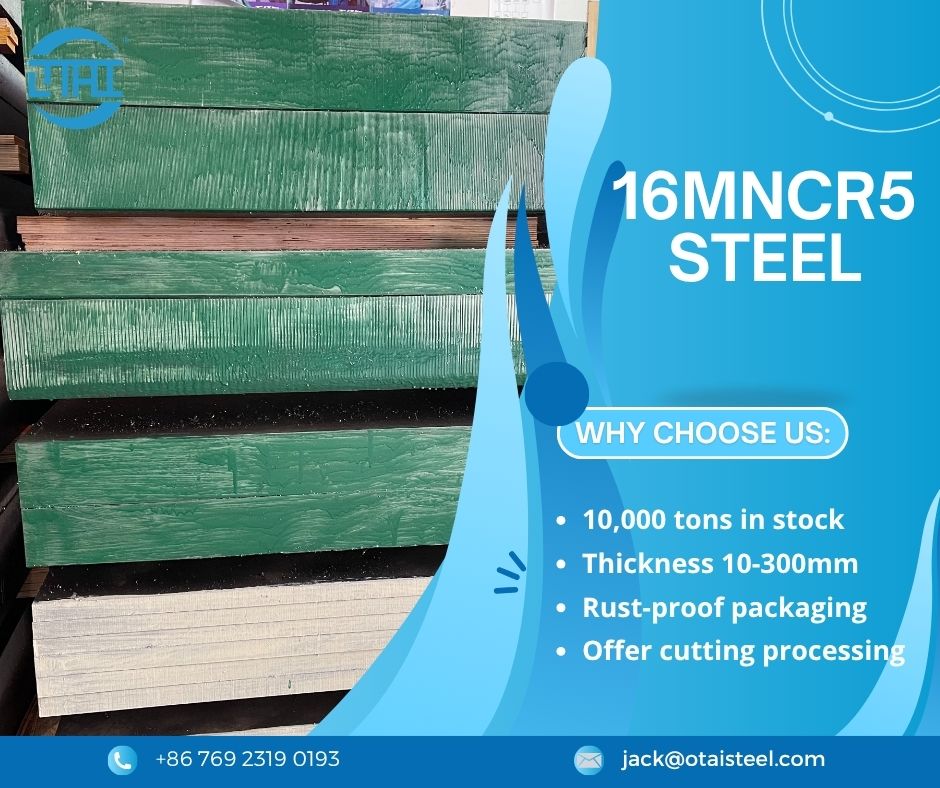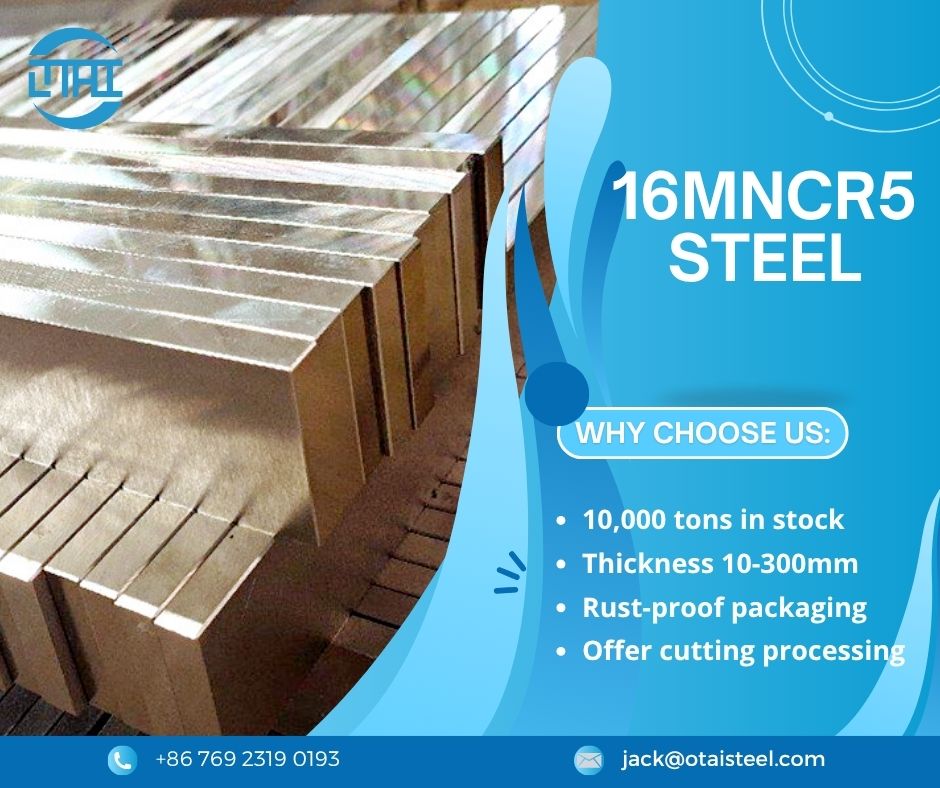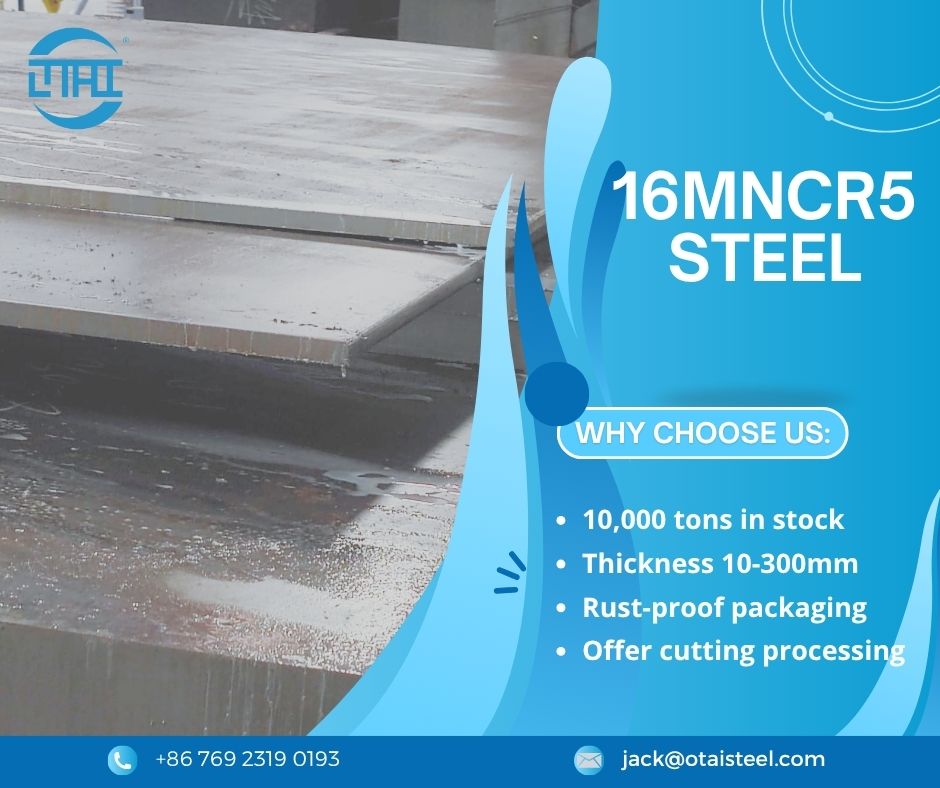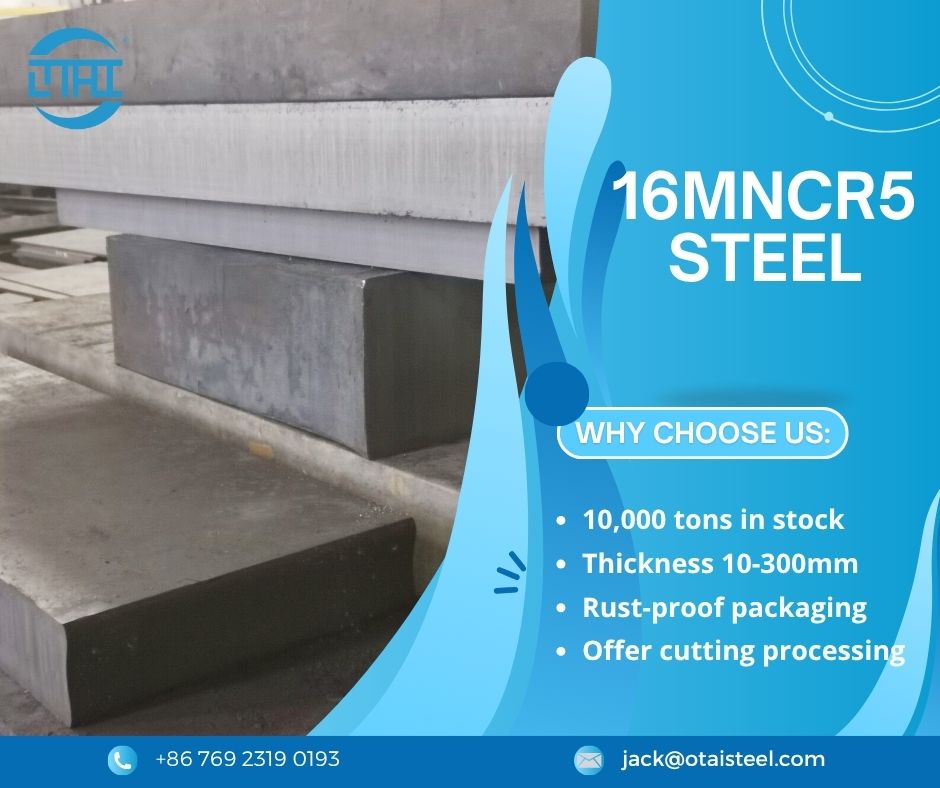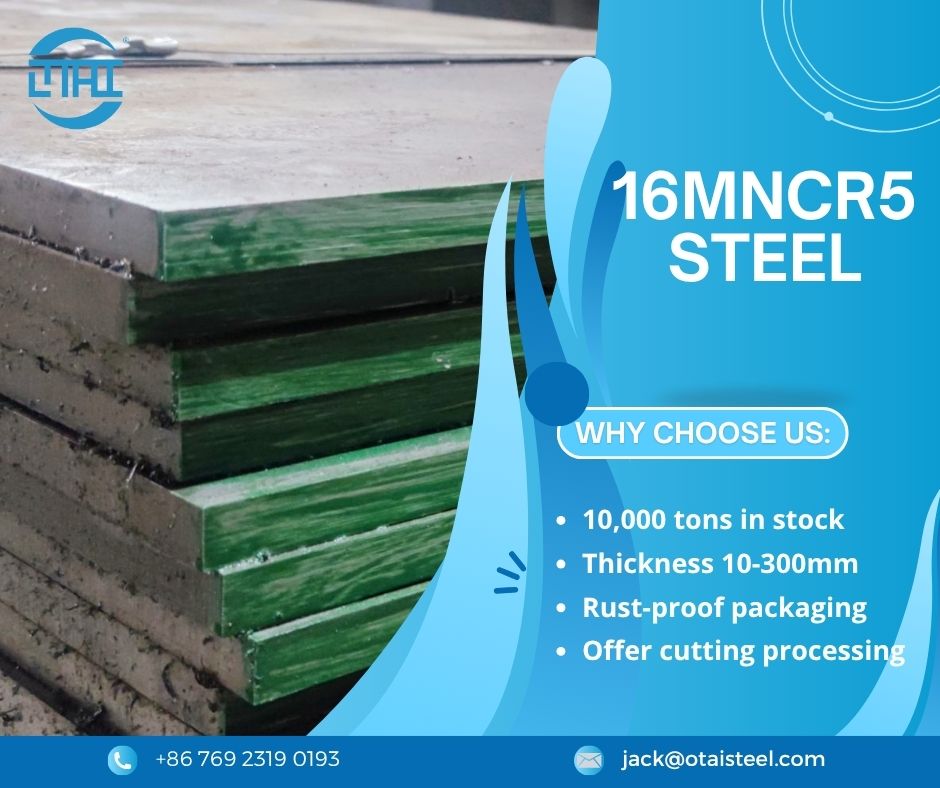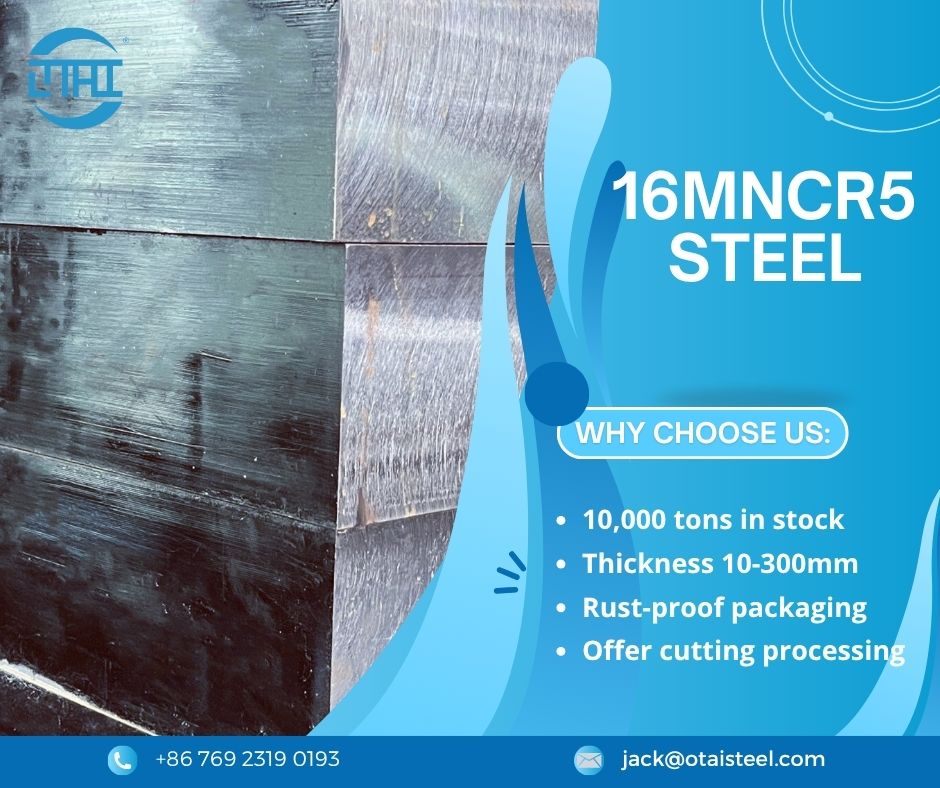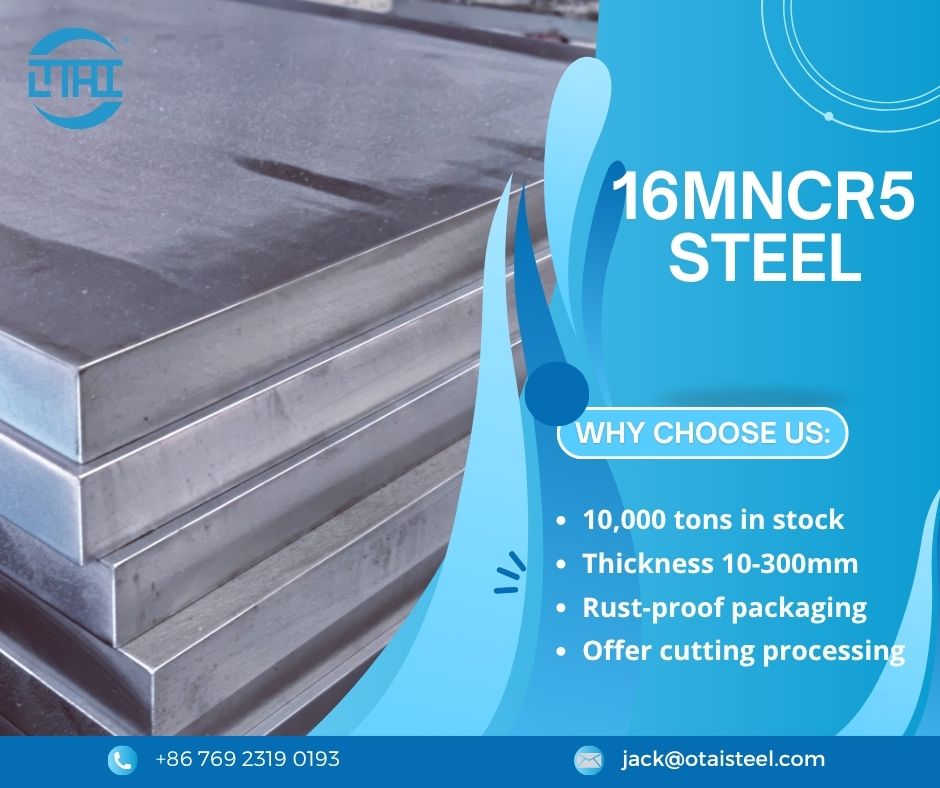
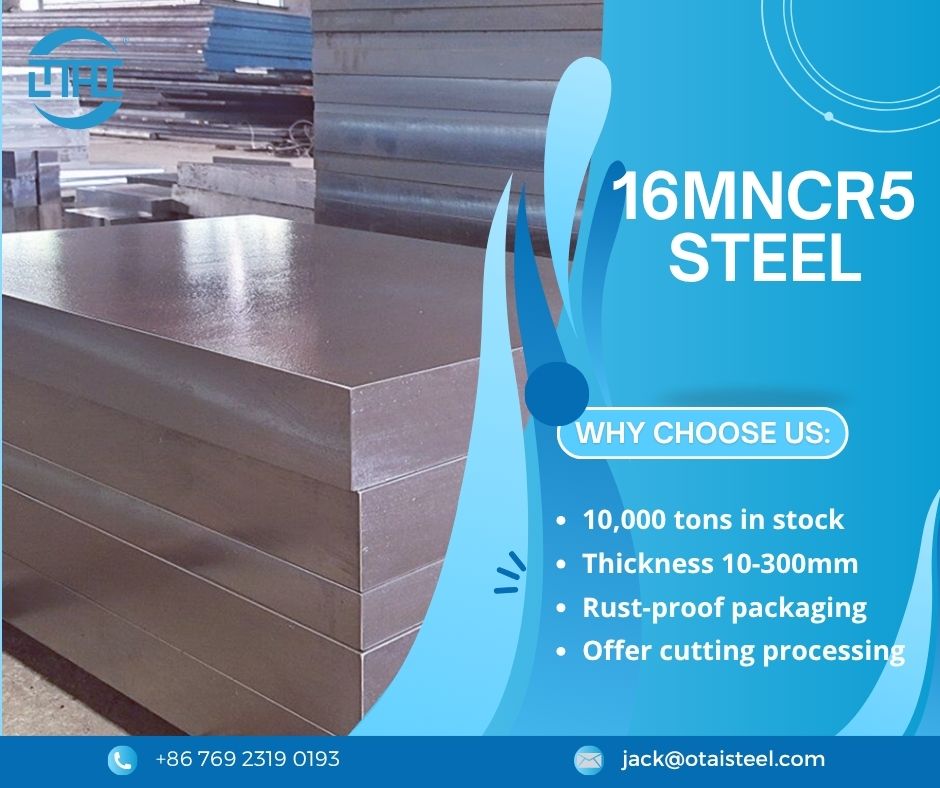
 Is 16MnCr5 Steel Low Carbon Steel? A Comprehensive Analysis
When selecting materials for engineering and manufacturing, understanding the composition of the steel you’re working with is crucial. 16MnCr5 steel is a widely used alloy in various industries, but the question often arises: is 16MnCr5 steel a low carbon steel? In this article, we’ll dive into the composition of 16MnCr5 steel, its characteristics, and whether it fits into the low-carbon steel category.
🏗️ What is 16MnCr5 Steel?
16MnCr5 steel is a medium-carbon, low-alloy steel that contains elements such as manganese (Mn) and chromium (Cr), which contribute to its high strength and toughness. The “16” in its designation refers to the nominal carbon content (approximately 0.16%), while Mn and Cr are added to improve mechanical properties such as hardness, strength, and resistance to wear.
While it is categorized as medium-carbon steel, 16MnCr5 steel falls between low-carbon and high-carbon steel grades. The exact classification depends on the specific carbon content and alloying elements.
🔬 Carbon Content and Classification
Steel grades are typically classified into low-carbon, medium-carbon, and high-carbon steels based on their carbon content:
-
Low-carbon steel: Typically contains up to 0.30% carbon.
-
Medium-carbon steel: Contains between 0.30% to 0.60% carbon.
-
High-carbon steel: Contains more than 0.60% carbon.
16MnCr5 steel contains about 0.16% carbon, which technically places it on the lower end of the medium-carbon steel range. Therefore, while it is not strictly low-carbon steel, it does have relatively low carbon content compared to many other high-performance alloys.
🏋️♂️ Key Characteristics of 16MnCr5 Steel
Though 16MnCr5 steel is not considered a low-carbon steel, its low carbon content combined with alloying elements gives it unique mechanical properties. Let’s take a look at its key characteristics:
-
Strength: The medium-carbon content allows 16MnCr5 steel to provide a good balance between strength and toughness, making it suitable for applications like gears, shafts, and axles.
-
Hardness: With proper heat treatment, 16MnCr5 can be hardened to a significant degree, providing good wear resistance. It is often used in components that must endure high mechanical loads.
-
Toughness: The low carbon content helps maintain the toughness of 16MnCr5 steel, which is crucial for components that are exposed to fatigue or impact stresses.
-
Machinability: Compared to high-carbon steel, 16MnCr5 is easier to machine, making it favorable for manufacturing processes.
🔧 Applications of 16MnCr5 Steel
Thanks to its combination of properties, 16MnCr5 steel is ideal for several applications in industries that require materials with excellent wear resistance, toughness, and strength. Some common applications include:
-
Gears and Shafts: 16MnCr5 steel is frequently used in gears, shafts, and bearings in automotive and machinery applications, where its hardness and strength are crucial.
-
Automotive Components: It is widely used for parts such as cylinder heads, crankshafts, and connecting rods, which are subjected to heavy mechanical loads and require a material that can withstand both stress and wear.
-
Aerospace: In the aerospace industry, 16MnCr5 steel is used for components that need to maintain toughness and strength at high pressures and temperatures.
-
Construction Equipment: The steel is also found in construction machinery, hydraulic equipment, and drill pipes, where resistance to wear and impact is essential.
🔍 16MnCr5 vs. Low-Carbon Steel
While 16MnCr5 steel is often compared to low-carbon steel, there are significant differences between the two. Let’s break down the comparison:
| Property | 16MnCr5 Steel | Low-Carbon Steel |
|---|---|---|
| Carbon Content | ~0.16% | Up to 0.30% |
| Tensile Strength | High (around 600-900 MPa) | Moderate (around 400-550 MPa) |
| Hardness | High with heat treatment | Low to medium |
| Machinability | Good, though harder than low-carbon steel | Very good |
| Applications | Gears, shafts, automotive parts | General engineering, light-duty applications |
Low-carbon steel tends to be softer, more ductile, and more easily machinable, but it doesn’t offer the same level of strength and wear resistance as 16MnCr5 steel. On the other hand, 16MnCr5 strikes a better balance between strength, hardness, and toughness for more demanding applications.
⚙️ Heat Treatment and Microstructure of 16MnCr5 Steel
Like most medium-carbon steels, the mechanical properties of 16MnCr5 steel can be enhanced through heat treatment. Some common treatments for 16MnCr5 steel include:
-
Carburizing: A heat treatment process where carbon is diffused into the surface of the steel, increasing its surface hardness while maintaining a tough core.
-
Tempering: After quenching (rapid cooling), tempering is used to relieve internal stresses and adjust the hardness and toughness to desired levels.
-
Normalizing: Normalizing refines the grain structure, which enhances the steel’s strength and toughness.
These treatments influence the microstructure of 16MnCr5 steel, resulting in a material that can be customized for specific applications, balancing hardness, toughness, and resilience.
🏆 Why Choose Otai Special Steel for Your 16MnCr5 Steel Needs?
At Otai Special Steel, we provide high-quality 16MnCr5 steel products tailored to meet your needs. Whether you require gears, shafts, or bearings, we ensure that our materials are of the highest standard for your application. Our expertise in heat treatments like carburizing and tempering guarantees that you get the optimal performance from your steel products.
Advantages of Choosing Otai Special Steel:
-
Premium Quality: We source only the highest quality 16MnCr5 steel and ensure it meets all required specifications.
-
Customized Heat Treatments: We offer advanced heat treatment services to optimize the steel’s properties for your specific needs.
-
Fast Delivery: With our extensive inventory, we guarantee quick turnaround times for your projects.
-
Competitive Pricing: Our steel products offer great value without compromising on quality.
❓ Frequently Asked Questions (FAQ)
Q1: Is 16MnCr5 steel considered low-carbon steel?
-
A1: No, 16MnCr5 steel is a medium-carbon steel, with a carbon content of around 0.16%. It is lower in carbon than high-carbon steels but higher than low-carbon steels.
Q2: Can 16MnCr5 steel be heat treated?
-
A2: Yes, 16MnCr5 steel can be heat treated with processes like carburizing, tempering, and normalizing to enhance its hardness, strength, and toughness.
Q3: What are the main applications of 16MnCr5 steel?
-
A3: 16MnCr5 steel is used in applications such as gears, shafts, automotive components, and aerospace parts, where high strength and wear resistance are required.