 16MnCr5 Corrosion Resistance: Understanding its Durability in Harsh Environments
16MnCr5 steel is a widely used medium-carbon alloy steel, recognized for its strength, toughness, and wear resistance. It finds application in demanding industries like automotive, aerospace, and heavy machinery. One of the critical factors influencing its performance in various environments is its corrosion resistance. While 16MnCr5 steel is not a stainless steel, it still offers a reasonable level of corrosion resistance, making it suitable for applications where moderate exposure to corrosive elements is expected.
In this article, we will explore the corrosion resistance of 16MnCr5 steel, how it performs in different environments, and ways to enhance its resistance to corrosion.
🏗️ What is 16MnCr5 Steel?
16MnCr5 steel is an alloy that includes manganese (Mn) and chromium (Cr), which are critical for enhancing the strength, toughness, and wear resistance of the material. The steel’s composition typically includes:
-
Carbon (C): 0.14% – 0.20%
-
Manganese (Mn): 0.60% – 0.90%
-
Chromium (Cr): 0.80% – 1.10%
-
Silicon (Si): 0.15% – 0.35%
-
Phosphorus (P): ≤ 0.025%
-
Sulfur (S): ≤ 0.025%
This chemical composition makes 16MnCr5 steel ideal for parts that need to withstand high mechanical stress, such as gears, shafts, and bearings. However, while chromium helps improve its resistance to corrosion, 16MnCr5 is not completely immune to it. Understanding how 16MnCr5 steel performs in corrosive environments is essential when choosing this material for specific applications.
🔧 Corrosion Resistance of 16MnCr5 Steel
The corrosion resistance of 16MnCr5 steel is moderate compared to stainless steel. While it resists mild corrosion to some extent due to the presence of chromium, it is susceptible to rusting and corrosion when exposed to aggressive conditions, such as saltwater, acidic environments, or high humidity.
1. Chromium’s Role in Corrosion Resistance
-
The chromium content in 16MnCr5 steel (0.80% – 1.10%) plays a significant role in its corrosion resistance. Chromium forms a thin, protective oxide layer on the surface of the steel, which acts as a barrier against corrosive elements. However, this layer is thin and can break down under harsh conditions, such as exposure to chlorides or acidic substances. While 16MnCr5 steel offers better corrosion resistance than low-carbon steels, it does not compare to stainless steel alloys, which have much higher chromium content (typically 10% or more) and offer superior corrosion resistance.
2. Manganese and Silicon Contributions
-
Manganese and silicon contribute to the strength and toughness of 16MnCr5 steel, but they do not significantly improve its corrosion resistance. Manganese helps the steel resist cracking and improve hardenability, while silicon acts as a deoxidizer during steelmaking, but neither element provides additional corrosion protection.
3. Environmental Impact on Corrosion
-
16MnCr5 steel can experience rusting when exposed to moisture, oxygen, and contaminants like salts or acids. The level of corrosion depends on the environment. For instance, components exposed to saltwater, such as those in marine or coastal environments, are at a higher risk of pitting and rust formation. In more neutral environments, 16MnCr5 steel offers moderate resistance to surface corrosion but may require additional protection in harsh conditions.
🔨 Improving the Corrosion Resistance of 16MnCr5 Steel
Although 16MnCr5 steel offers reasonable corrosion resistance for many applications, there are ways to enhance its ability to withstand corrosive environments.
1. Surface Coatings
-
Surface coatings are one of the most effective ways to protect 16MnCr5 steel from corrosion. Options like galvanizing, chrome plating, or phosphate coatings can provide an additional layer of protection against corrosion. These coatings act as barriers to moisture and chemicals, preventing the steel from rusting and degrading over time.
2. Heat Treatment
-
Heat treatment methods such as carburizing can improve the surface properties of 16MnCr5 steel, making it harder and more resistant to wear. However, heat treatment does not significantly improve corrosion resistance. Combining heat treatment with surface coatings may offer better results in corrosive environments.
3. Stainless Steel Cladding
-
For applications in highly corrosive environments, engineers may choose to use 16MnCr5 steel in conjunction with stainless steel cladding. The cladding provides an outer layer of stainless steel, which offers superior corrosion resistance, while the inner core retains the strength and toughness of 16MnCr5.
4. Environmental Control
-
Limiting the exposure of 16MnCr5 steel to harsh environments can also help reduce its rate of corrosion. In applications where the material is exposed to high humidity, salt or acidic substances, ensuring proper storage and maintenance can extend the life of the material and maintain its integrity.
🏗️ Applications of 16MnCr5 Steel
Despite its moderate corrosion resistance, 16MnCr5 steel excels in applications where strength, wear resistance, and fatigue resistance are more important than corrosion resistance. Some common applications of 16MnCr5 steel include:
1. Automotive Industry
-
16MnCr5 steel is often used for gears, axles, crankshafts, and suspension components in vehicles. These parts must endure high mechanical stress, and 16MnCr5 steel provides the necessary strength and toughness.
2. Industrial Machinery
-
16MnCr5 steel is used for shafts, bearings, and pulleys in industrial machinery. The steel’s toughness and wear resistance make it ideal for heavy-duty components exposed to continuous friction and mechanical stress.
3. Heavy Equipment
-
In heavy equipment used in construction and mining, 16MnCr5 steel is used for gears and crankshafts that require high strength and fatigue resistance.
4. Gears and Shafts
-
The steel’s combination of hardness and fatigue strength makes it ideal for gears and shafts exposed to high loads and constant friction.
📊 Comparison of 16MnCr5 Steel with Other Materials
To highlight how 16MnCr5 steel compares with other materials in terms of corrosion resistance and key properties, here’s a quick comparison:
| Material | Carbon (C) | Manganese (Mn) | Chromium (Cr) | Corrosion Resistance | Applications |
|---|---|---|---|---|---|
| 16MnCr5 Steel | 0.14% – 0.20% | 0.60% – 0.90% | 0.80% – 1.10% | Moderate | Automotive parts, gears, shafts, industrial machinery |
| AISI 1045 Steel | 0.45% | 0.60% – 0.90% | – | Low | General engineering, shafts |
| AISI 4340 Steel | 0.38% – 0.43% | 0.60% – 0.80% | 0.70% – 0.90% | Moderate | Aerospace, heavy machinery |
| EN 19 Steel | 0.38% – 0.43% | 0.60% – 0.90% | 0.80% – 1.10% | Moderate | Heavy-duty machinery, automotive components |
| AISI 4130 Steel | 0.28% – 0.33% | 0.60% – 0.90% | 0.80% – 1.10% | Low to Moderate | Aerospace, military, automotive |
🏆 Why Choose Otai Special Steel for Your 16MnCr5 Steel Needs?
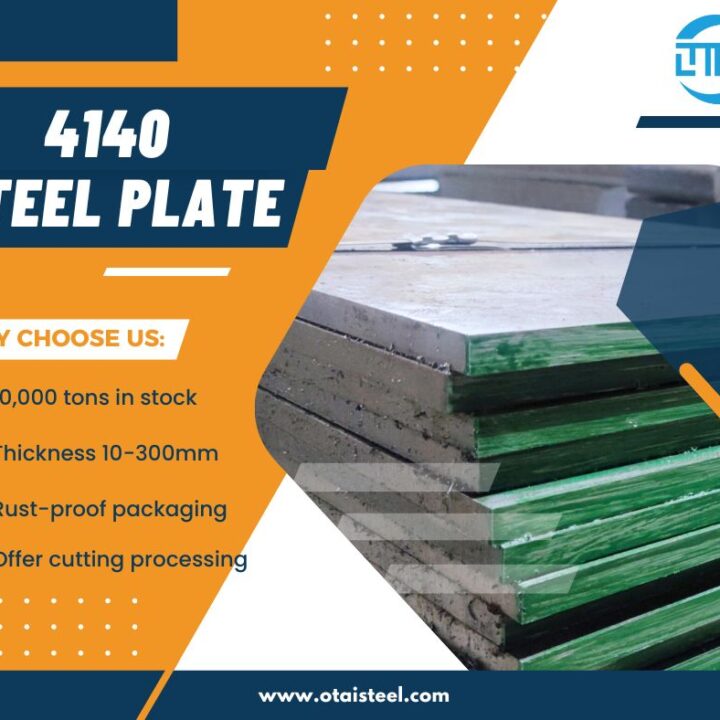
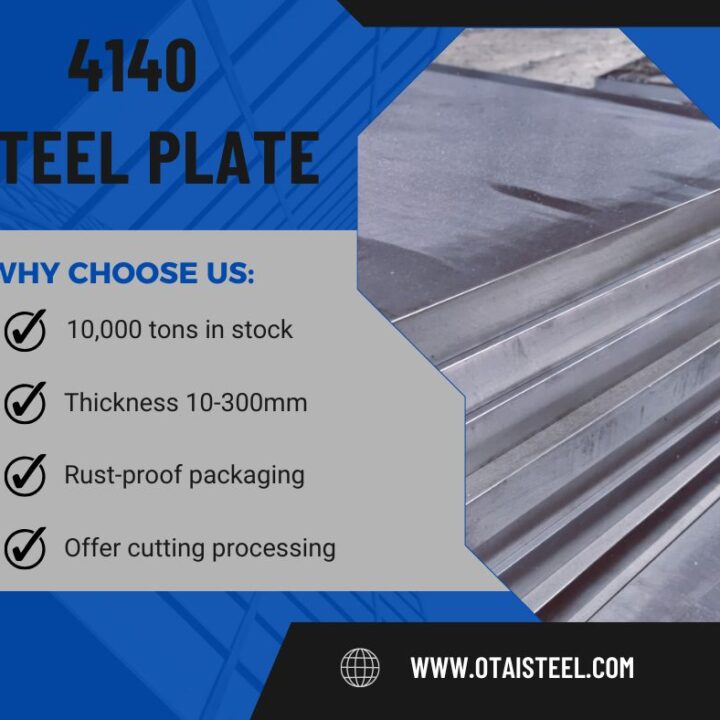
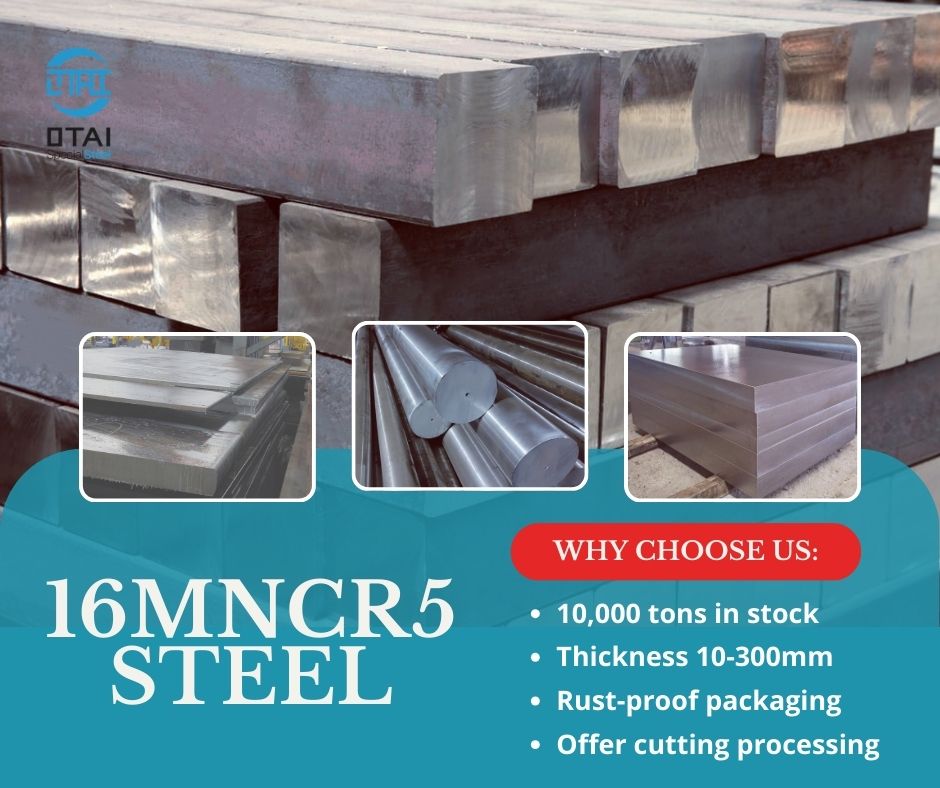
At Otai Special Steel, we provide high-quality 16MnCr5 steel that meets international standards for strength, toughness, and wear resistance. We also offer custom cutting, heat treatment, and packaging services to meet your specific requirements. If you need enhanced corrosion resistance, we can apply surface coatings or recommend other treatments to improve performance in corrosive environments.
Advantages of Working with Otai Special Steel:
-
Top-Quality Materials: We provide 16MnCr5 steel that meets the highest industry standards for strength, wear resistance, and toughness.
-
Customization: We offer custom cutting, heat treatment, and machining to meet your exact specifications.
-
Competitive Pricing: We offer high-performance steel at competitive prices, ensuring excellent value.
-
Fast Delivery: With a vast inventory, we guarantee fast and reliable delivery to meet your project deadlines.
❓ Frequently Asked Questions (FAQ)
Q1: Is 16MnCr5 steel resistant to corrosion?
-
A1: 16MnCr5 steel offers moderate corrosion resistance due to its chromium content. However, it is susceptible to corrosion in harsh environments, such as saltwater or acidic conditions. Additional surface treatments can improve its resistance.
Q2: How can I improve the corrosion resistance of 16MnCr5 steel?
-
A2: Surface coatings such as galvanizing, chrome plating, or phosphate coatings can significantly enhance the corrosion resistance of 16MnCr5 steel.
Q3: What applications benefit from 16MnCr5 steel’s corrosion resistance?
-
A3: 16MnCr5 steel is suitable for automotive components, industrial machinery, and gears that need to withstand moderate exposure to corrosion. However, it is better suited for environments where corrosion is not a primary concern.