 How the Chemical Composition Affects 16MnCr5 Steel Properties
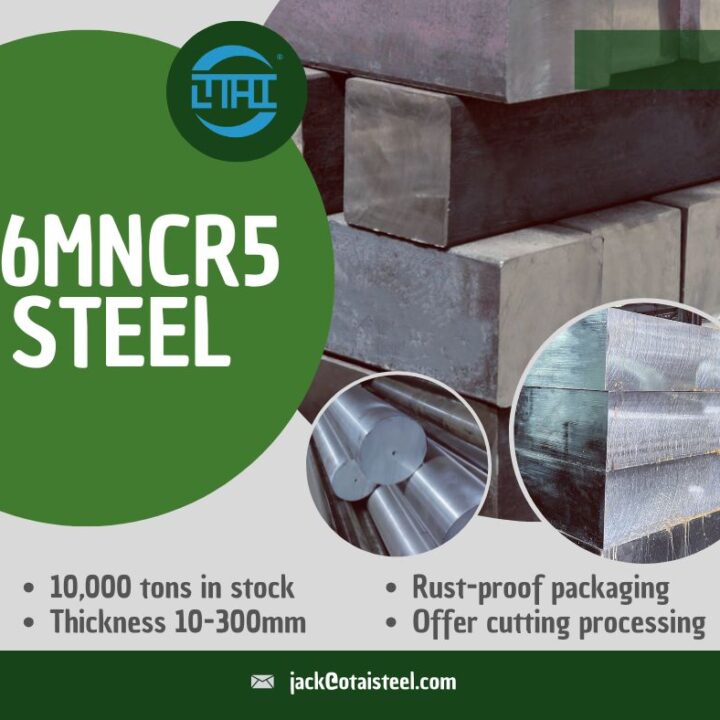
16MnCr5 steel is a versatile alloy used in industries such as automotive, aerospace, and heavy machinery. Known for its excellent balance of strength, toughness, and wear resistance, 16MnCr5 steel is the material of choice for components like gears, shafts, and crankshafts. The steel’s performance directly depends on its chemical composition, which determines key properties such as hardness, fatigue resistance, and machinability.
In this article, we will explore the chemical composition of 16MnCr5 steel, discuss how each alloying element affects the steel’s properties, and explain why this steel grade is suitable for demanding applications.
🏗️ What is 16MnCr5 Steel?
16MnCr5 is a medium-carbon, low-alloy steel that contains manganese (Mn) and chromium (Cr) as key alloying elements. The number “16” in the name refers to the carbon content of approximately 0.16%, while MnCr indicates the presence of manganese and chromium. These alloying elements enhance the steel’s hardness, strength, and wear resistance.
The typical chemical composition of 16MnCr5 steel includes:
-
Carbon (C): 0.14% – 0.20%
-
Manganese (Mn): 0.60% – 0.90%
-
Chromium (Cr): 0.80% – 1.10%
-
Silicon (Si): 0.15% – 0.35%
-
Phosphorus (P): ≤ 0.025%
-
Sulfur (S): ≤ 0.025%
These elements work together to give 16MnCr5 steel a balance of strength, ductility, and resistance to wear, making it suitable for applications that demand durability and high performance.
🔧 How the Chemical Composition Affects 16MnCr5 Steel Properties
The chemical composition of 16MnCr5 steel directly influences its mechanical properties. Each alloying element plays a role in determining the steel’s strength, toughness, hardness, and resistance to wear.
1. Carbon (C)
-
Carbon is crucial in determining a steel’s hardness and strength. With a carbon content ranging from 0.14% to 0.20%, 16MnCr5 steel achieves a good balance between strength and ductility. The presence of carbon allows 16MnCr5 to be hardened through heat treatment methods such as tempering and quenching, while maintaining sufficient toughness and fatigue resistance.
2. Manganese (Mn)
-
Manganese enhances hardness, strength, and toughness in 16MnCr5 steel. It also acts as a deoxidizer, helping to remove impurities during the steelmaking process. The manganese content (0.60% – 0.90%) improves tensile strength and wear resistance, making the steel ideal for components like gears and shafts that face friction and mechanical stress. Additionally, manganese increases the hardenability of the steel, allowing it to maintain its strength during heat treatment.
3. Chromium (Cr)
-
Chromium plays an important role in improving hardness and wear resistance in 16MnCr5 steel. With a chromium content of 0.80% to 1.10%, it helps enhance the material’s fatigue strength and allows the steel to endure mechanical loads. Chromium also improves the steel’s ability to resist corrosion and contributes to hardenability, which is important for applications where parts undergo significant wear, such as gears and axles.
4. Silicon (Si)
-
Silicon (0.15% – 0.35%) acts as a deoxidizer during the steelmaking process. It helps to increase the steel’s strength and hardness while contributing to its toughness. Silicon improves the resistance to fracture and makes the material more resistant to deformation under high stress.
5. Phosphorus (P) and Sulfur (S)
-
Phosphorus and sulfur are considered impurities in most steels because they can negatively affect the ductility and toughness of the material. Both elements are kept to low levels in 16MnCr5 steel (≤ 0.025%) to ensure that the material maintains its desirable mechanical properties. Excess phosphorus and sulfur can cause brittleness, making the steel more prone to cracking under stress.
🔨 Why Choose 16MnCr5 Steel for High-Performance Applications?
Thanks to its well-balanced chemical composition, 16MnCr5 steel performs exceptionally well in various high-performance applications. The steel’s combination of strength, toughness, and resistance to wear makes it ideal for components subjected to mechanical loads and harsh conditions.
1. High Wear Resistance
-
The presence of chromium, manganese, and carbon in 16MnCr5 steel improves its wear resistance. This makes it suitable for applications where components, such as gears, shafts, and bearings, experience constant friction and mechanical wear.
2. Fatigue Strength
-
The manganese and chromium content in 16MnCr5 steel increases its fatigue strength, which allows it to withstand repeated loading and unloading cycles without cracking or failing. This property is particularly important in automotive components like crankshafts, axles, and suspension components.
3. Hardenability
-
16MnCr5 steel exhibits excellent hardenability due to the combined effects of manganese and chromium. This property allows the material to undergo heat treatment and form a hard surface layer that resists wear, while keeping the core tough and ductile to absorb shocks.
4. Good Toughness
-
Despite its high hardness and strength, 16MnCr5 steel maintains good toughness, especially when subjected to the appropriate heat treatment. This ensures that the material can absorb impacts and resist cracking in dynamic loading applications.
📊 Comparison of 16MnCr5 Steel with Other Materials
To better understand how 16MnCr5 steel compares with other materials, here is a comparison of chemical composition and key properties:
| Material | Carbon (C) | Manganese (Mn) | Chromium (Cr) | Hardness (HRC) | Applications |
|---|---|---|---|---|---|
| 16MnCr5 Steel | 0.14% – 0.20% | 0.60% – 0.90% | 0.80% – 1.10% | 55–62 | Automotive gears, shafts, industrial machinery |
| AISI 1045 Steel | 0.45% | 0.60% – 0.90% | – | 30–50 | General engineering, shafts |
| AISI 4340 Steel | 0.38% – 0.43% | 0.60% – 0.80% | 0.70% – 0.90% | 35–55 | Aerospace, heavy machinery |
| EN 19 Steel | 0.38% – 0.43% | 0.60% – 0.90% | 0.80% – 1.10% | 40–60 | Heavy-duty machinery, automotive components |
| AISI 4130 Steel | 0.28% – 0.33% | 0.60% – 0.90% | 0.80% – 1.10% | 28–50 | Aerospace, military, automotive |
🏆 Why Choose Otai Special Steel for Your 16MnCr5 Steel Needs?
At Otai Special Steel, we provide high-quality 16MnCr5 steel that meets international standards for strength, toughness, and wear resistance. We offer custom cutting, heat treatment, and packaging services to ensure the material meets your project’s specific needs.
Advantages of Working with Otai Special Steel:
-
Premium Materials: We offer 16MnCr5 steel that meets the highest industry standards for strength, wear resistance, and toughness.
-
Customization: We provide custom cutting, heat treatment, and machining to suit your exact specifications.
-
Competitive Pricing: We deliver high-performance steel at competitive prices, providing excellent value.
-
Fast Delivery: With our extensive inventory, we guarantee fast, reliable delivery to meet your deadlines.
❓ Frequently Asked Questions (FAQ)
Q1: What is 16MnCr5 steel used for?
-
A1: 16MnCr5 steel is used in automotive parts, gears, shafts, and industrial machinery due to its high strength, wear resistance, and fatigue resistance.
Q2: How does the chemical composition of 16MnCr5 steel affect its properties?
-
A2: The manganese, chromium, and carbon content give 16MnCr5 steel its high wear resistance, toughness, and hardenability, making it ideal for high-performance components.
Q3: Is 16MnCr5 steel suitable for high-stress applications?
-
A3: Yes, 16MnCr5 steel is well-suited for high-stress applications due to its fatigue strength, hardness, and toughness.