 16MnCr5 Weldability: Key Considerations and Best Practices
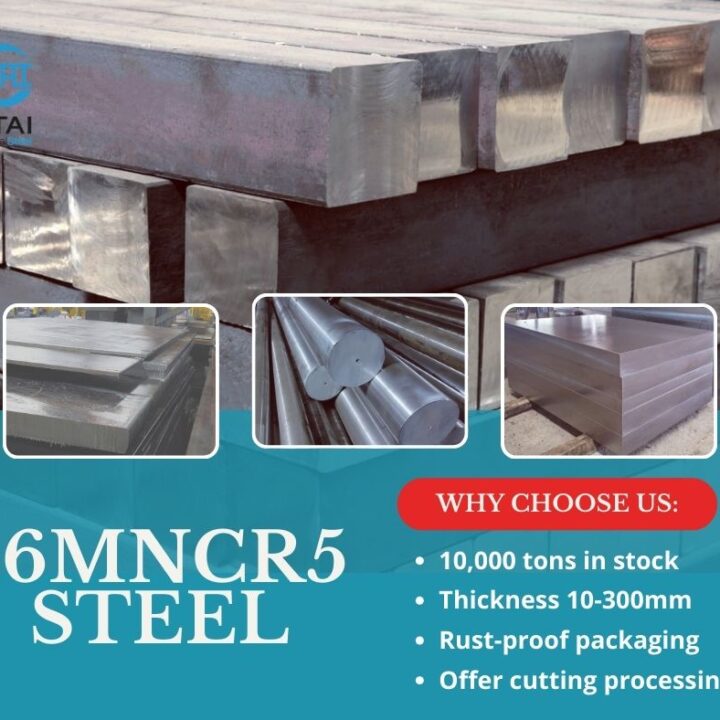
16MnCr5 steel is a medium-carbon, low-alloy steel commonly used in industries such as automotive, machinery, and manufacturing. Known for its high strength, toughness, and wear resistance, 16MnCr5 is an excellent choice for producing components like gears, shafts, and crankshafts. However, welding 16MnCr5 steel presents certain challenges due to its carbon content and alloying elements.
In this article, we will explore the weldability of 16MnCr5 steel, factors that affect its ability to be welded, and best practices for achieving high-quality welds.
🏗️ What is Weldability?
Weldability refers to a material’s ability to form a strong, durable weld without defects like cracking, distortion, or weakening of the welded joint. Materials with high weldability produce reliable welds with fewer issues. On the other hand, materials with low weldability may face challenges such as cracking, poor fusion, or distortion during the welding process.
For 16MnCr5 steel, weldability is important, as improper welding can lead to weak joints or damage to the material’s properties, especially in critical components that undergo mechanical stress.
🔧 Weldability of 16MnCr5 Steel
16MnCr5 steel offers a good combination of strength and toughness, but its weldability can be influenced by several factors:
1. Carbon Content
-
16MnCr5 has a medium carbon content (around 0.14-0.19%), which improves its strength and wear resistance but can lead to cracking during welding. High-carbon steels are more prone to hardening and brittleness at the weld zone, especially when the cooling rate is too fast.
2. Manganese and Chromium Content
-
The addition of manganese and chromium enhances 16MnCr5’s strength and wear resistance, but it also increases the material’s susceptibility to heat-affected zone (HAZ) cracking. These alloying elements may raise the welding temperature, so controlling the welding parameters becomes even more critical.
3. Heat-Affected Zone (HAZ)
-
The HAZ is the area surrounding the weld that undergoes thermal changes. In 16MnCr5, the HAZ can become brittle, which increases the likelihood of cracking and distortion. Welding experts need to manage the heat input carefully to minimize these risks.
4. Preheating
-
To reduce the risk of cracking, it’s recommended to preheat 16MnCr5 steel before welding. Preheating helps reduce thermal gradients and lowers the chances of thermal shock, which can lead to cracks in the weld area.
🔨 Best Practices for Welding 16MnCr5 Steel
To achieve high-quality welds on 16MnCr5 steel, follow these key practices:
1. Preheating the Steel
-
Preheat the 16MnCr5 steel to a temperature range of 150°C to 250°C (302°F to 482°F) before welding. Preheating helps prevent the formation of thermal cracks in the heat-affected zone (HAZ) and ensures a more uniform cooling process.
2. Select the Right Filler Material
-
Use filler materials that match 16MnCr5’s chemical composition to avoid creating weak or brittle joints. Low-alloy steel filler rods or wires with similar manganese and chromium content will improve the quality of the weld and reduce the risk of defects.
3. Control Welding Parameters
-
Control key welding parameters such as welding speed, current, and voltage to avoid overheating the material. Excessive heat can cause distortion and undesirable changes in the HAZ. Maintaining consistent welding speed and current ensures the weld’s integrity.
4. Post-Weld Heat Treatment (PWHT)
-
After welding, consider post-weld heat treatment (PWHT) to relieve internal stresses, improve the toughness of the weld, and prevent hydrogen-induced cracking. Typically, this involves heating the welded joint to a temperature between 500°C and 600°C (932°F to 1,112°F) and cooling it slowly. PWHT helps restore the mechanical properties of the material and ensures a strong, reliable weld.
5. Controlled Cooling
-
Avoid rapid cooling after welding, as it can lead to cracking in 16MnCr5 steel. Controlled cooling through gradual air cooling or using a cooling blanket allows for a more uniform temperature drop, reducing stress on the weld and preventing cracks.
🏭 Applications of Welded 16MnCr5 Steel
When welded properly, 16MnCr5 steel finds use in various critical applications across industries that require high-strength components. Some common applications of welded 16MnCr5 include:
1. Automotive Industry
-
16MnCr5 steel is used in gears, shafts, and crankshafts for automotive applications. These parts often require welding to join different sections, and 16MnCr5 ensures strong, durable welds that maintain the overall performance of the components.
2. Industrial Machinery
-
In industrial machinery, 16MnCr5 steel is used for bearings, gears, and shafts that undergo welding. The welded joints must withstand heavy mechanical stresses, and 16MnCr5 steel provides the strength and toughness needed to keep machinery operating reliably.
3. Heavy Equipment
-
16MnCr5 steel is essential for axles, hydraulic parts, and gears in heavy equipment applications. These parts experience high levels of wear and stress, making welded joints critical for ensuring their durability and performance.
4. Tooling and Dies
-
16MnCr5 steel is also used for dies and tools that require welding for repairs or modifications. Proper welding ensures these tools remain functional and maintain their wear resistance and strength throughout their service life.
📊 Comparison of 16MnCr5 Weldability with Other Steels
| Property | 16MnCr5 Steel | Other Low-Alloy Steels |
|---|---|---|
| Weldability | Moderate to Good | Moderate |
| Preheat Temperature | 150°C to 250°C | 100°C to 200°C |
| Post-Weld Heat Treatment | Recommended for Stress Relief | Common for Alloy Steels |
| Risk of Cracking | Moderate in High Carbon Zones | Moderate |
| Filler Material | Low-Alloy Steel Filler | Matching Filler Material |
🏆 Why Choose Otai Special Steel for Your 16MnCr5 Welding Needs?
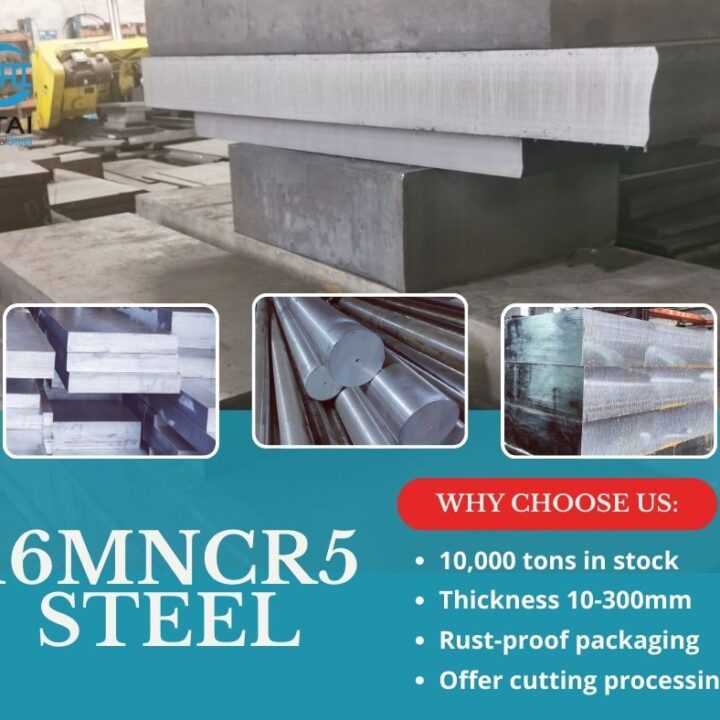
At Otai Special Steel, we provide premium 16MnCr5 steel that undergoes rigorous quality control and heat treatment to ensure its weldability and performance in demanding applications. We offer custom cutting, heat treatment, and welding consultation services to help you achieve optimal results.
Advantages of Working with Otai Special Steel:
-
High-Quality Materials: Our 16MnCr5 steel meets the highest standards for weldability, strength, and toughness.
-
Customization: We provide custom cutting, welding, and heat treatment services tailored to your specific needs.
-
Competitive Pricing: We offer high-performance steel at competitive prices, ensuring excellent value for your projects.
-
Fast Delivery: With a large inventory, we guarantee fast and reliable delivery to meet your deadlines.
❓ Frequently Asked Questions (FAQ)
Q1: What is the typical preheat temperature for 16MnCr5 steel?
-
A1: Preheating 16MnCr5 steel to 150°C-250°C (302°F to 482°F) before welding reduces the risk of cracking and helps ensure a smoother weld.
Q2: How do I improve the weldability of 16MnCr5 steel?
-
A2: Use the right filler material, maintain proper welding parameters, and apply post-weld heat treatment to enhance weldability and prevent cracking.
Q3: Can 16MnCr5 steel be welded in critical applications?
-
A3: Yes, with proper preheating, filler selection, and heat treatment, 16MnCr5 steel provides durable, strong welds for automotive, industrial, and heavy equipment components.