 4140 Grade Steel Properties: Understanding Its Strength, Durability, and Applications
4140 grade steel is a versatile alloy widely used in industries that demand high performance, such as automotive, aerospace, and heavy machinery. This steel is known for its excellent strength, wear resistance, and toughness, making it a top choice for manufacturing components that need to withstand high stress, extreme temperatures, and abrasive environments. In this article, we will explore the properties of 4140 grade steel, how it performs in different applications, and why it’s a go-to material for high-demand projects.
🏗️ What is 4140 Grade Steel?
4140 grade steel is a medium-carbon alloy steel that contains chromium (Cr) and molybdenum (Mo) as its key alloying elements. These elements enhance the steel’s strength, hardness, wear resistance, and resilience. The name 4140 refers to its composition:
-
Carbon (C): 0.38% – 0.43%
-
Manganese (Mn): 0.75% – 1.00%
-
Chromium (Cr): 0.80% – 1.10%
-
Molybdenum (Mo): 0.15% – 0.25%
Engineers and manufacturers commonly use 4140 steel for applications that require high tensile strength, toughness, and wear resistance, such as gears, shafts, crankshafts, and machine parts exposed to high stresses and heavy loads.
🔧 Key Properties of 4140 Grade Steel
The mechanical properties of 4140 steel make it one of the most widely used alloy steels. Below are the key properties of 4140 steel:
1. Tensile Strength
-
Tensile strength refers to the steel’s ability to resist forces that try to pull it apart. 4140 steel has a tensile strength that typically ranges from 655 to 1,000 MPa, allowing it to resist high levels of stress and making it ideal for demanding applications in automotive and aerospace industries.
2. Yield Strength
-
Yield strength is the point where the material starts to deform plastically. For 4140 steel, the yield strength typically ranges from 415 MPa to 650 MPa. This ensures that components made from 4140 steel can endure heavy loads without permanent deformation.
3. Hardness
-
4140 steel exhibits high hardness and typically ranges from 28 to 50 HRC (Rockwell C scale). Heat treatments such as quenching and tempering increase the hardness of 4140 steel, making it highly resistant to wear and abrasion. Components subjected to friction, such as bearings and tools, benefit from this property.
4. Impact Toughness
-
Impact toughness measures how well the material absorbs energy during a sudden impact. 4140 steel offers excellent impact toughness, which helps it resist breaking or fracturing under shock loads. This makes 4140 steel an ideal material for automotive parts, machinery components, and industrial equipment that frequently experience sudden stresses.
5. Ductility
-
Ductility refers to the ability of the material to stretch or bend without breaking. 4140 steel has moderate ductility, which is useful for components such as automotive suspension systems and machinery parts that need to absorb shock and stress without cracking.
6. Fatigue Resistance
-
Fatigue strength is the ability of 4140 steel to withstand repeated loading and unloading cycles without failure. Its excellent fatigue resistance makes it suitable for parts that experience continuous cyclic stresses over time, such as gears and shafts in engine systems.
7. Weldability
-
4140 steel can be welded, but proper preheating and post-weld heat treatment are necessary to avoid cracks. Although 4140 steel is more challenging to weld than lower-carbon steels, it remains a reliable choice for fabricated structures and industrial machinery.
🔨 How Heat Treatment Affects 4140 Steel
The mechanical properties of 4140 grade steel can change significantly with various heat treatment processes. Below are some common treatments that affect the performance of 4140 steel:
1. Quenching and Tempering
-
Quenching involves heating 4140 steel to a high temperature and rapidly cooling it in oil or water. This process forms martensite, a very hard phase that increases the steel’s strength. After quenching, tempering reheats the steel to a lower temperature to relieve internal stresses and improve toughness and ductility.
2. Carburizing
-
In carburizing, 4140 steel absorbs additional carbon on the surface, creating a hard outer layer while maintaining a ductile core. This process enhances the wear resistance of 4140 steel, making it ideal for components such as gears, sprockets, and shafts that experience high friction.
3. Normalizing
-
Normalizing involves heating 4140 steel to a temperature above its critical range and then allowing it to cool in air. This process improves the grain structure, resulting in better toughness and resilience of the steel.
🏗️ Applications of 4140 Grade Steel
The superior mechanical properties of 4140 steel make it suitable for a wide range of industrial applications. Some of the common uses include:
1. Automotive Components
-
4140 steel is frequently used in automotive components such as crankshafts, gears, axles, and suspension parts. These parts must withstand high levels of mechanical stress and perform reliably in harsh conditions.
2. Industrial Machinery
-
4140 steel is used in industrial machinery such as bearings, shafts, cylinders, and pumps. Its high strength, wear resistance, and fatigue resistance make it ideal for equipment that operates under continuous use.
3. Oil and Gas Industry
-
Components like drill pipes, valves, and flanges used in the oil and gas industry rely on 4140 steel due to its excellent performance under high pressure and extreme environments.
4. Aerospace Components
-
4140 steel is used in aerospace components, including landing gear, actuators, and drive shafts, where strength and toughness are critical at high operating pressures and temperatures.
5. Tooling and Dies
-
4140 steel is a popular choice for tooling and dies due to its high hardness and wear resistance, which ensures that tools last longer even under heavy use.
📊 Comparison of 4140 Steel with Other Alloys
To understand how 4140 steel compares to other common alloys, here is a comparison of tensile strength and hardness:
| Material | Tensile Strength (MPa) | Hardness (HRC) | Applications |
|---|---|---|---|
| 4140 Steel | 655–1,000 | 28–50 | Automotive, industrial machinery, tools |
| 1045 Steel | 600–800 | 18–28 | General engineering, shafts |
| 4340 Steel | 1,000–1,200 | 40–60 | Aerospace, military, heavy machinery |
| 8620 Steel | 600–850 | 20–30 | Gears, automotive components |
| AISI 52100 | 1,000–1,200 | 60–65 | Bearings, high-performance components |
🏆 Why Choose Otai Special Steel for Your 4140 Steel Needs?
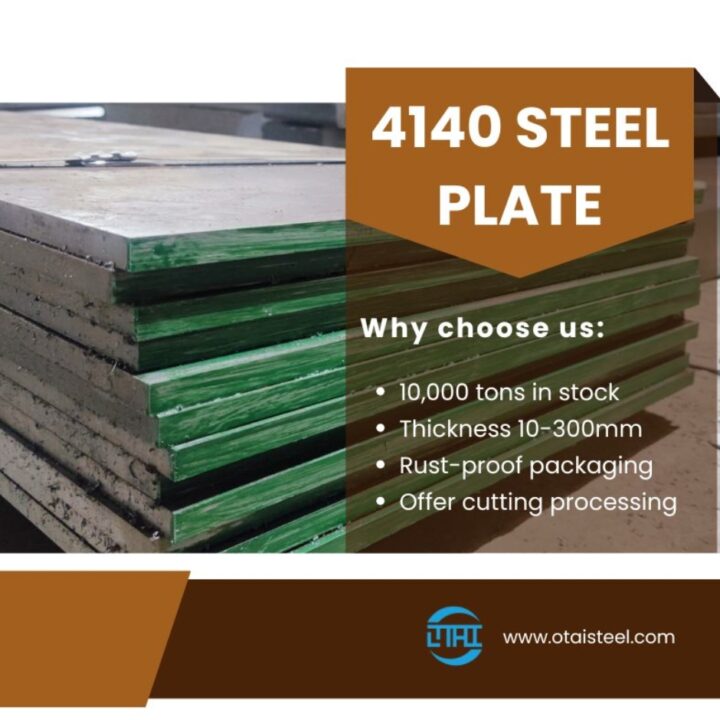
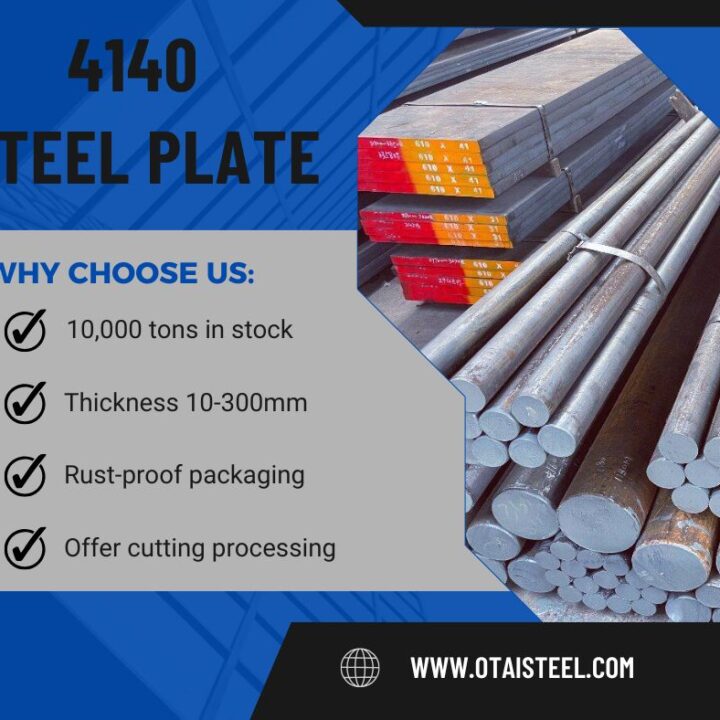
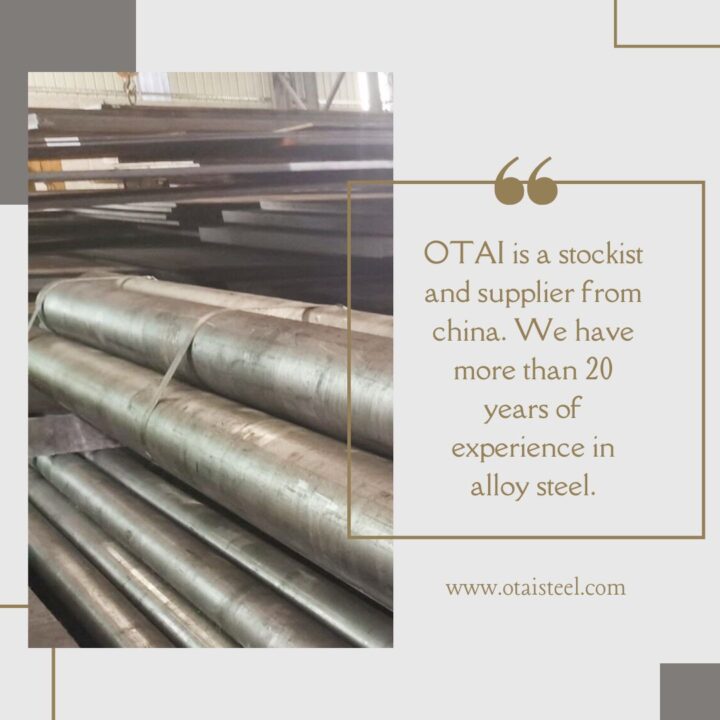
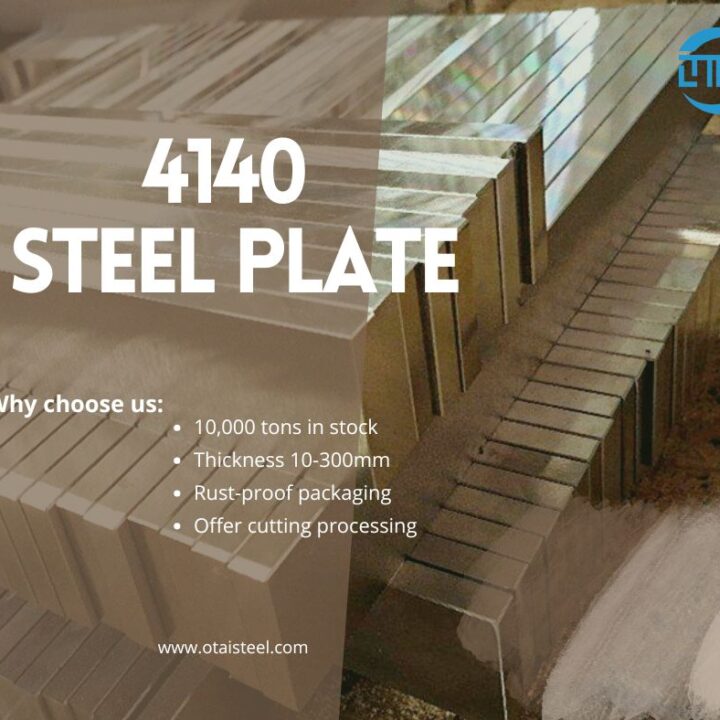
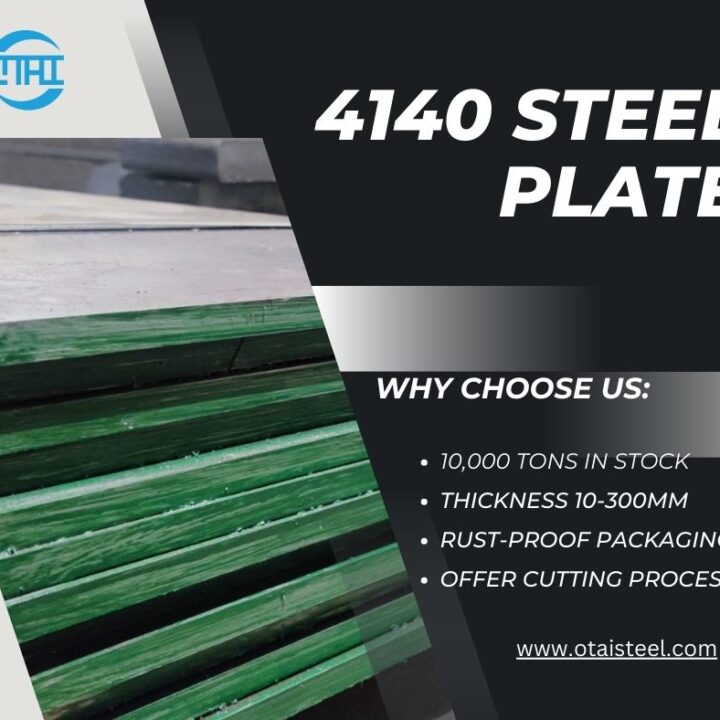
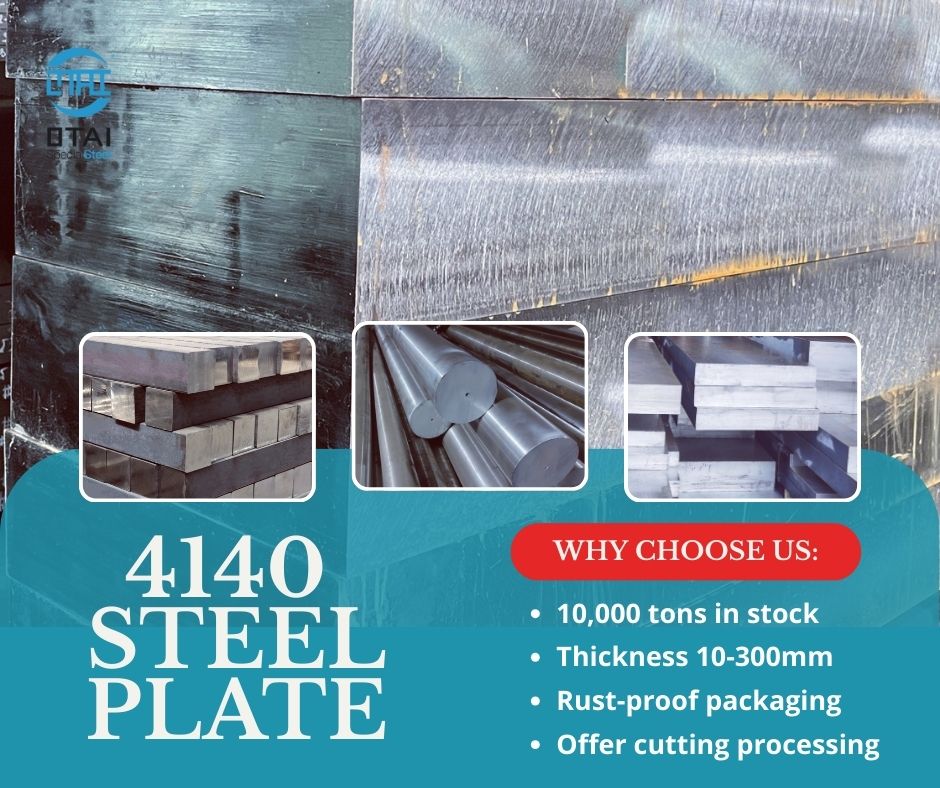
At Otai Special Steel, we specialize in providing high-quality 4140 steel that meets the highest international standards. Our steel products undergo precision cutting, heat treatments, and packaging services to ensure they perform optimally for your project.
Advantages of Working with Otai Special Steel:
-
Premium Materials: We ensure that our 4140 steel meets the highest quality standards for strength, durability, and performance.
-
Custom Solutions: We provide custom cutting, heat treatment, and machining to meet your exact specifications.
-
Competitive Pricing: We offer high-performance steel at competitive rates, providing excellent value without compromising on quality.
-
Fast Delivery: With our large inventory, we ensure quick and reliable delivery for all your steel needs.
❓ Frequently Asked Questions (FAQ)
Q1: What is the typical tensile strength of 4140 steel?
-
A1: The tensile strength of 4140 steel typically ranges from 655–1,000 MPa, depending on the heat treatment.
Q2: Can 4140 steel be used for high-temperature applications?
-
A2: Yes, 4140 steel can withstand moderate to high temperatures, making it suitable for industries like automotive, aerospace, and oil and gas.
Q3: How does heat treatment affect the hardness of 4140 steel?
-
A3: Heat treatments such as quenching and tempering can significantly increase the hardness of 4140 steel, typically ranging from 28 to 50 HRC depending on the treatment process.