 4140 Hot Rolled Steel Properties: Performance, Strength, and Real Industrial Applications
When buyers search for 4140 hot rolled steel properties, they usually want clear answers to three practical questions:
-
What mechanical performance can I expect?
-
How does hot rolled 4140 behave before and after heat treatment?
-
Is it suitable for shafts, gears, structural parts, or heavy equipment components?
Hot rolled 4140 remains one of the most widely used alloy steels in machinery manufacturing because it combines good strength, excellent toughness, and strong hardenability at a competitive cost. In this article, we explain the real performance characteristics of hot rolled 4140 from a customer-focused engineering perspective.
🔍 What Is 4140 Hot Rolled Steel?
4140 is a chromium-molybdenum alloy steel. When manufacturers produce it in the hot rolled condition, they roll the steel at high temperature and allow it to cool in air.
Hot rolled 4140 typically features:
-
Good machinability in annealed or normalized condition
-
Uniform internal structure
-
Cost efficiency compared to cold finished steel
-
Strong response to quenching and tempering
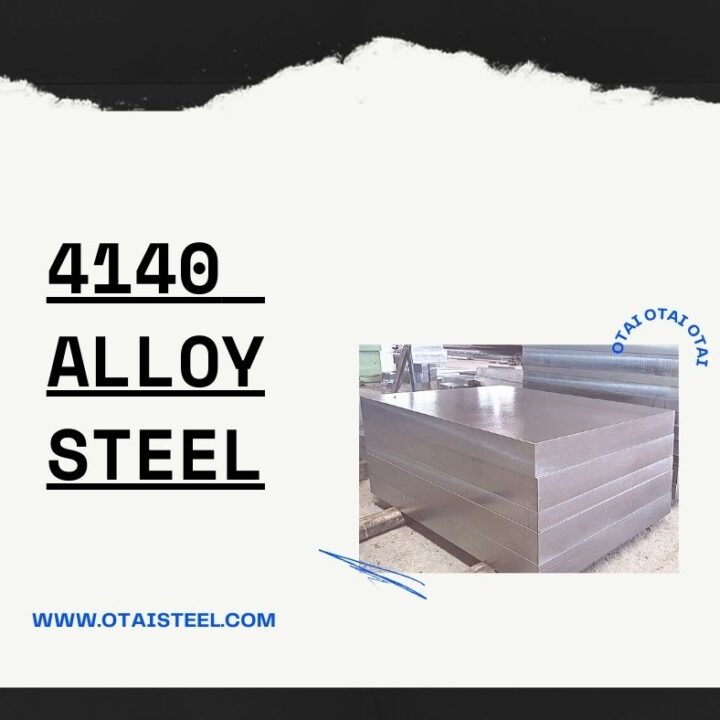
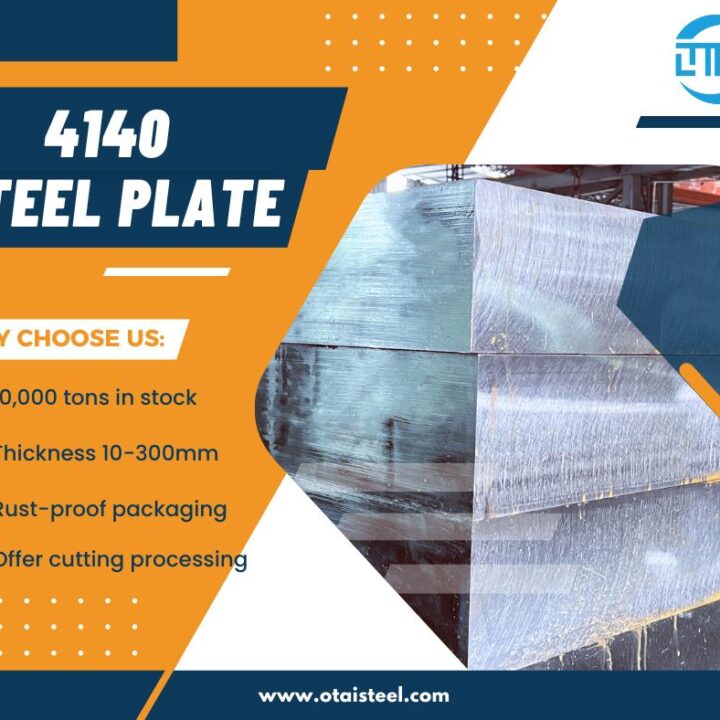
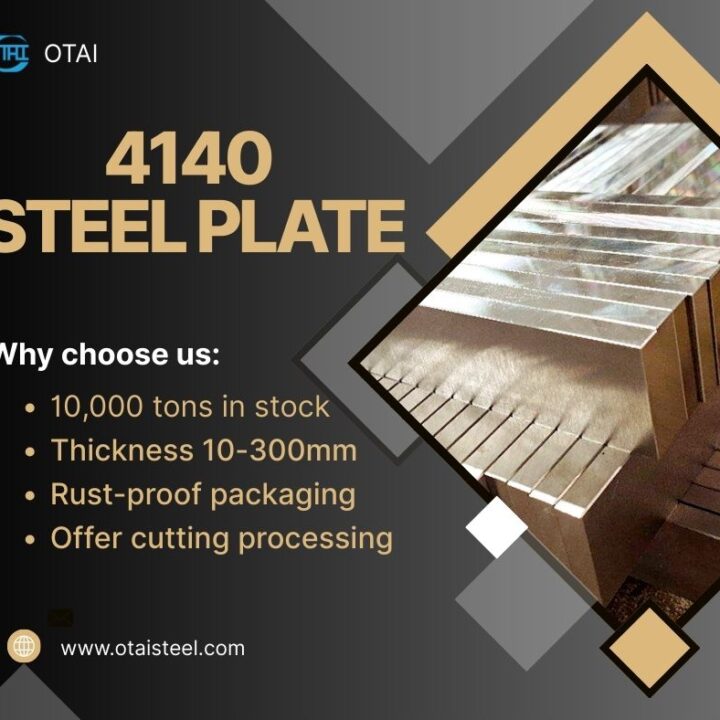
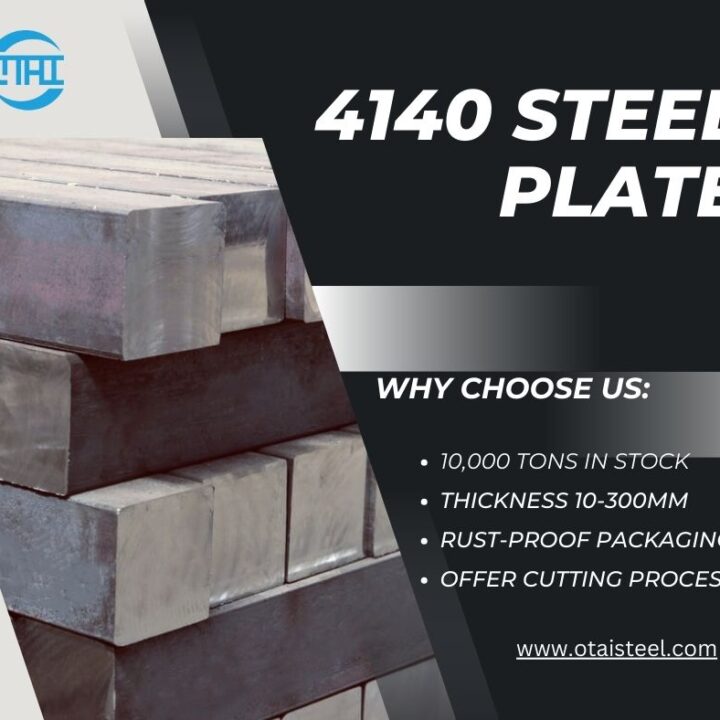
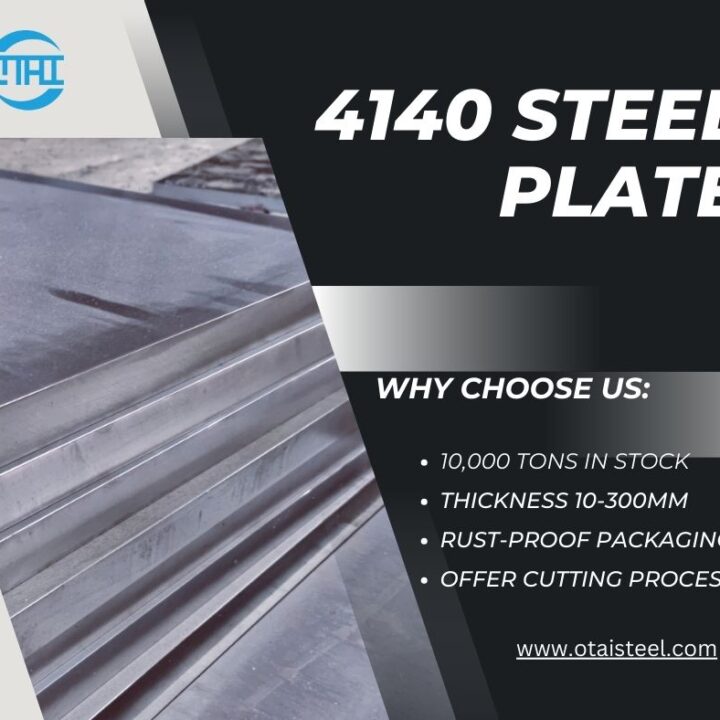
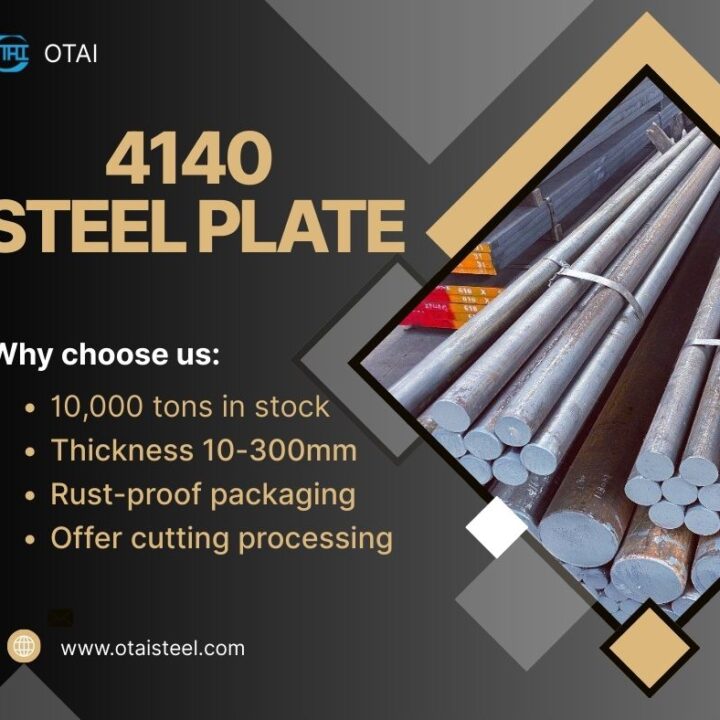
Many customers purchase hot rolled 4140 as round bars, plates, or flat stock before final heat treatment.
📊 4140 Hot Rolled Steel Chemical Composition
The performance of 4140 hot rolled steel properties starts with alloy design.
| Element | Typical Range (%) |
|---|---|
| Carbon (C) | 0.38 – 0.43 |
| Manganese (Mn) | 0.75 – 1.00 |
| Chromium (Cr) | 0.80 – 1.10 |
| Molybdenum (Mo) | 0.15 – 0.25 |
| Silicon (Si) | 0.15 – 0.35 |
Carbon provides strength.
Chromium improves hardenability and wear resistance.
Molybdenum increases toughness and high-temperature strength.
This balanced composition explains why 4140 works well in heavy-duty applications.
📈 Mechanical Properties of 4140 Hot Rolled Steel (Annealed / Normalized)
Before quenching and tempering, hot rolled 4140 typically shows the following properties:
| Property | Typical Value |
|---|---|
| Tensile Strength | 850 – 1000 MPa |
| Yield Strength | 655 – 850 MPa |
| Elongation | 20 – 25% |
| Hardness | 170 – 220 HB |
| Modulus of Elasticity | ~205 GPa |
In this condition, the steel offers:
-
Good machinability
-
Stable structure
-
Moderate strength
-
Excellent preparation state for heat treatment
Many customers machine components first, then apply Q&T treatment.
🔥 4140 Hot Rolled Steel Properties After Quenching & Tempering
Hot rolled 4140 transforms significantly after heat treatment.
| Condition | Hardness | Tensile Strength | Yield Strength |
|---|---|---|---|
| Q&T 28–32 HRC | ~30 HRC | 900–1050 MPa | ~850 MPa |
| Q&T 32–36 HRC | ~34 HRC | 1000–1200 MPa | 900–1000 MPa |
After Q&T, 4140 hot rolled steel properties include:
-
High fatigue resistance
-
Improved wear resistance
-
Strong load-bearing capacity
-
Excellent toughness compared to plain carbon steel
This flexibility makes 4140 suitable for demanding mechanical components.
🏗️ Common Applications of 4140 Hot Rolled Steel
Because of its balanced strength and toughness, hot rolled 4140 appears in many industries.
Typical Uses:
-
Transmission shafts
-
Gear blanks
-
Hydraulic cylinder rods
-
Mold bases
-
Heavy equipment pins
-
Structural components under dynamic load
Manufacturers prefer 4140 when 1045 steel does not provide enough strength, but ultra-high alloy grades are unnecessary.
⚙️ Advantages of Hot Rolled 4140 Compared to Cold Finished
Some customers ask whether they should choose hot rolled or cold finished 4140.
Hot Rolled Advantages:
-
Lower cost
-
Better availability in large sizes
-
Less internal stress
-
Suitable for heavy machining
Cold Finished Advantages:
-
Tighter dimensional tolerance
-
Better surface finish
-
Improved straightness
For large structural components, hot rolled 4140 usually offers better value.
🌡️ Performance at Elevated Temperatures
4140 hot rolled steel maintains good strength at moderate temperatures.
| Temperature | Strength Retention |
|---|---|
| 200°C | Minor strength reduction |
| 400°C | Moderate reduction |
| 500°C+ | Significant reduction |
For high-temperature environments, proper tempering selection becomes critical.
🧰 Practical Selection Advice for Buyers
When evaluating 4140 hot rolled steel properties, consider:
-
Required final hardness
-
Whether machining occurs before heat treatment
-
Required impact resistance
-
Section thickness (affects hardenability)
-
Operating temperature
1)If stiffness matters, remember that the modulus (~205 GPa) stays consistent across conditions.
2)If strength matters, select proper Q&T hardness.
3)If wear resistance matters, increase hardness but maintain sufficient toughness.
🏅 Company Advantages – Otai Special Steel
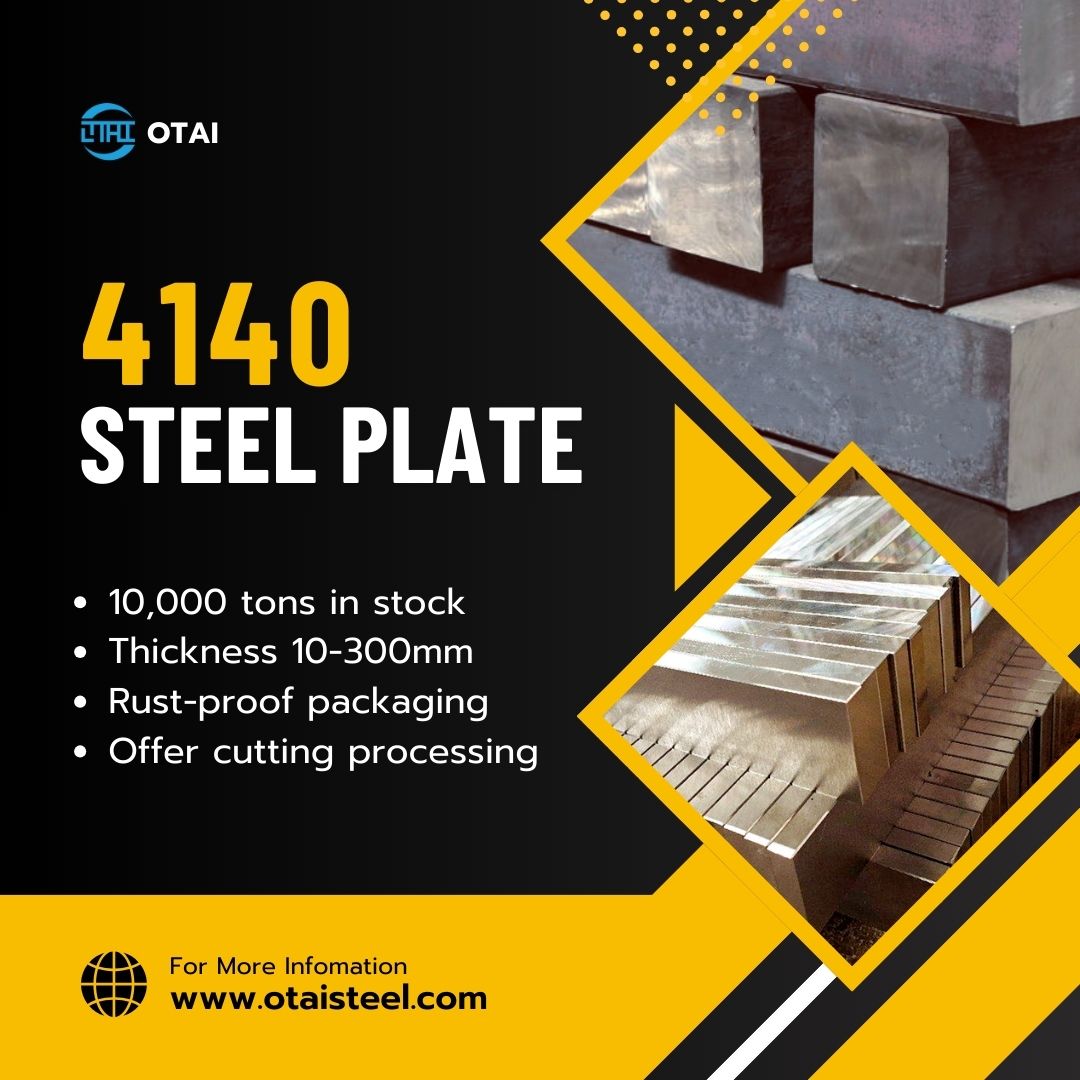
At Otai Special Steel, we supply high-quality hot rolled 4140 with reliable performance control.
We offer:
-
Large stock from 6 mm to 300 mm thickness
-
Over 10,000 tons annual inventory
-
Customized cutting services
-
Heat treatment support (Q&T, annealing, normalizing)
-
Ultrasonic testing (UT)
-
Chemical composition testing
-
Third-party inspection (SGS available)
We support material suppliers, trading companies, and end users worldwide with stable quality and competitive pricing.
❓ FAQ – 4140 Hot Rolled Steel Properties
Q1: Is hot rolled 4140 strong enough without heat treatment?
Yes, for moderate structural use. However, Q&T significantly improves strength.
Q2: Does hot rolling affect mechanical performance negatively?
No. Properly controlled hot rolling produces uniform internal structure.
Q3: Can hot rolled 4140 replace 1045 steel?
Yes. 4140 provides higher strength and better fatigue resistance.
Q4: What hardness can I expect in hot rolled condition?
Typically 170–220 HB before heat treatment.
Q5: Can Otai supply prehardened 4140?
Yes. We provide prehardened and fully Q&T material based on customer requirements.