 4140 Steel Coefficient of Friction: What It Means for Wear Resistance
The coefficient of friction is a critical factor to consider when evaluating the performance of materials in applications involving sliding contact or movement. For 4140 steel, a widely used alloy steel, understanding its coefficient of friction is essential in assessing its wear resistance, efficiency, and longevity in various industrial applications. In this article, we’ll explore the coefficient of friction of 4140 steel, how it impacts performance, and why it is crucial for industries that rely on high-stress, high-wear conditions.
🌟 What Is the Coefficient of Friction?
The coefficient of friction (COF) is a measure of how much force is required to move one surface over another relative to the normal force pressing the two surfaces together. The COF helps determine how much wear, heat, and energy is generated during the interaction between two surfaces in motion.
The coefficient of friction is typically represented by two types:
-
Static Coefficient of Friction (μs): The force needed to start moving an object at rest.
-
Kinetic Coefficient of Friction (μk): The force required to keep an object in motion once it has already started moving.
Both types of friction are important in industrial applications where sliding, rotation, and impact occur, such as in gears, bearings, and shafts.
🔧 The Coefficient of Friction for 4140 Steel
For 4140 steel, the coefficient of friction typically ranges from 0.3 to 0.5 under dry conditions. However, this can vary depending on several factors:
-
Surface finish: A rougher surface increases friction, while a polished surface can reduce it.
-
Lubrication: The presence of lubrication (oil, grease, etc.) can significantly reduce friction, making 4140 steel more efficient in applications like gears and shafts.
-
Contact pressure: Higher pressure can lead to higher friction, which can increase wear on the steel.
-
Temperature: High temperatures may alter the surface properties of the steel, affecting the coefficient of friction.
1. Static vs. Kinetic Friction
The static coefficient of friction for 4140 steel is typically higher than the kinetic coefficient. This is because it takes more force to initiate motion between two stationary surfaces than to keep them moving once they have started. As 4140 steel is used in applications involving both static and dynamic conditions, understanding these two types of friction is crucial to designing systems that minimize energy loss and wear.
🌍 Factors Influencing the Coefficient of Friction for 4140 Steel
While the standard coefficient of friction for 4140 steel provides a baseline, several external factors can influence its performance in real-world applications:
| Factor | Effect on Coefficient of Friction |
|---|---|
| Surface Finish | A smoother surface finish reduces friction and wear. |
| Lubrication | Oil, grease, or other lubricants reduce friction and heat. |
| Temperature | Higher temperatures can lower the COF but may cause thermal expansion. |
| Contact Pressure | Higher pressure can increase friction and wear on the material. |
| Speed of Movement | High-speed motion typically reduces friction due to less time for surface interaction. |
For instance, when 4140 steel is used in gears or shafts that operate under high pressure and low speed, lubrication becomes essential to reduce friction and heat buildup. Conversely, in high-speed applications, such as automotive components or bearings, a smoother surface finish and the proper lubricant selection are key to maintaining efficiency.
🏗️ Applications of 4140 Steel and the Importance of Friction
The coefficient of friction plays a significant role in determining the wear and performance of 4140 steel in various industrial applications. Here are a few examples:
| Industry | Applications | Role of Friction |
|---|---|---|
| Automotive | Axles, gears, brake components | Lower friction reduces wear and improves efficiency in moving parts. |
| Aerospace | Landing gear, actuators, high-stress components | Minimizing friction enhances the longevity and safety of aerospace parts. |
| Heavy Machinery | Hydraulic cylinders, gears, machine tools | Proper friction management reduces wear and improves machine life. |
| Oil and Gas | Drill rods, downhole tools | Reducing friction in harsh environments prolongs tool life and performance. |
1. Automotive Industry
In the automotive industry, 4140 steel is used in gears, axles, and brake components. The coefficient of friction directly impacts the wear and longevity of these components. Lubrication and surface treatment (such as coating or polishing) are used to reduce friction and improve fuel efficiency by minimizing energy loss.
2. Aerospace Industry
In the aerospace industry, where components like landing gear and actuators are subjected to extreme forces, controlling the coefficient of friction is essential. Lower friction in these components enhances performance, reduces heat buildup, and extends the life of critical aerospace parts.
3. Heavy Machinery
For heavy machinery used in gears, hydraulic systems, and machine tools, friction management ensures smoother operation, reduces heat generation, and prevents premature wear. Choosing the right surface finish, coating, and lubrication reduces friction, making these machines more durable and energy-efficient.
4. Oil and Gas Industry
In the oil and gas industry, drill rods and downhole tools encounter high pressures and abrasive conditions. The coefficient of friction plays a major role in minimizing wear and ensuring that these tools operate efficiently for extended periods, even in challenging environments.
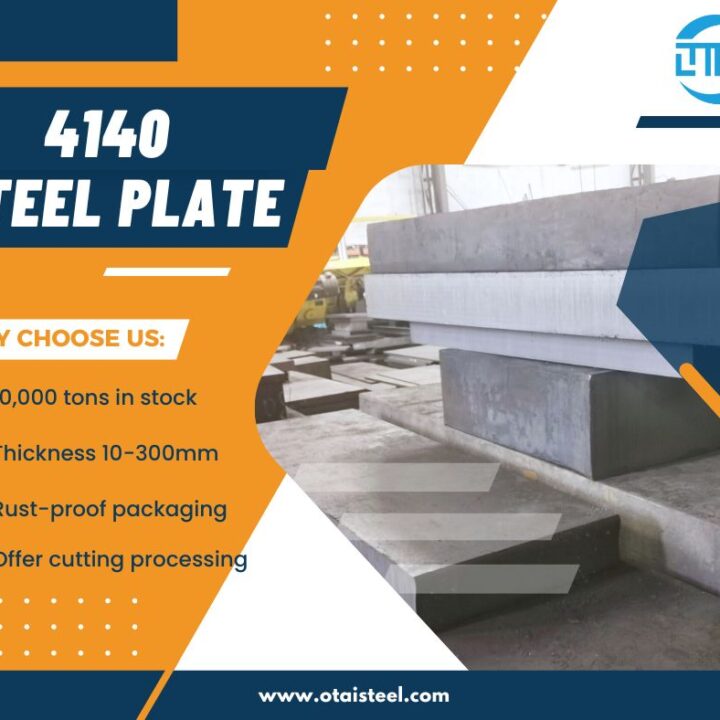
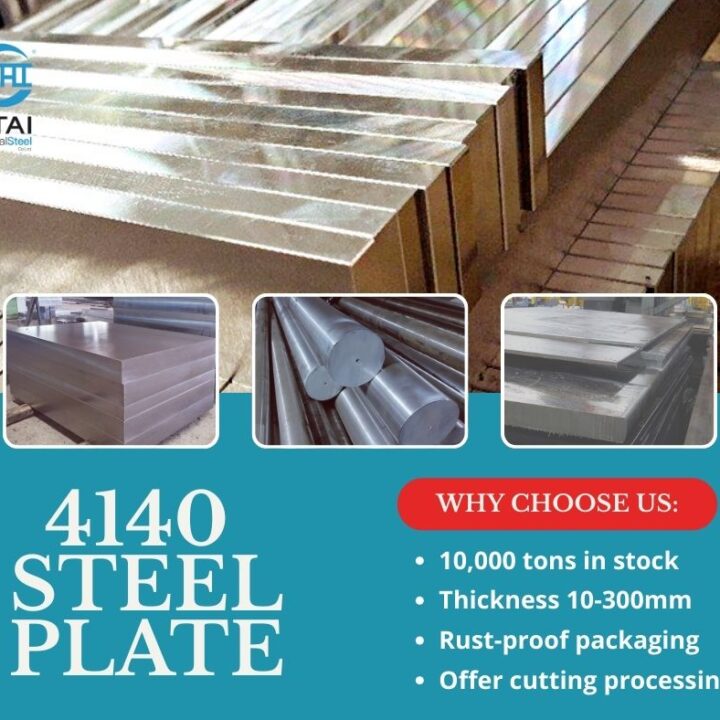
🏆 Why Choose Otai Special Steel for Your 4140 Steel Needs?
Otai Special Steel offers high-quality 4140 steel with several key advantages:
-
Large Inventory: With over 10,000 tons of steel in stock, we ensure timely delivery and availability for your specific requirements.
-
Customization: We provide cutting, heat treatment, and surface finish services to meet your specific needs, optimizing friction and wear resistance.
-
Quality Assurance: Each batch of 4140 steel undergoes rigorous quality control, ensuring it meets your performance standards for friction and wear resistance.
-
Global Expertise: With years of experience in providing high-performance steel, we offer expert advice and support for your industrial applications.
❓ FAQ: Common Questions About 4140 Steel and Coefficient of Friction
Q1: How does the coefficient of friction affect the wear of 4140 steel?
A1: The coefficient of friction directly impacts the rate of wear on 4140 steel. High friction leads to increased wear and heat generation, which can shorten the life of components like gears, shafts, and bearings. Reducing friction with lubrication or surface treatments helps minimize wear and improve the efficiency of moving parts.
Q2: Can the coefficient of friction of 4140 steel be adjusted?
A2: Yes, the coefficient of friction of 4140 steel can be adjusted through surface treatments, coatings, or by applying lubrication. For example, applying a smooth coating or using oil/grease can significantly reduce friction in moving components.
Q3: Is 4140 steel suitable for high-friction applications?
A3: Yes, 4140 steel is suitable for high-friction applications, but managing friction is essential. In high-friction environments, 4140 steel should be paired with appropriate lubrication and surface treatments to minimize wear and prevent damage.