 4140 Steel Elongation: What You Need to Know About Ductility and Performance
When it comes to materials like 4140 steel, one of the critical properties that engineers and manufacturers consider is elongation. Elongation refers to the ability of a material to stretch or elongate before it breaks. For 4140 steel, this property plays a significant role in determining its performance in various applications. In this article, we will explore what 4140 steel elongation is, how it affects the material’s overall properties, and why it is important in industrial applications.
🌟 What is Elongation in Steel?
Elongation is a measure of a material’s ability to undergo plastic deformation (stretching) before failure under tensile stress. It is expressed as a percentage and calculated based on the increase in length divided by the original length of the material before it breaks. The higher the elongation, the more ductile (stretchable) the material is, meaning it can absorb more strain before fracturing.
For steel like 4140 steel, elongation is an essential indicator of how the material behaves under stress and how well it can resist cracking or breaking during use.
🔧 Mechanical Properties of 4140 Steel and How Elongation Fits In
4140 steel is an alloy steel that contains chromium, molybdenum, and carbon, making it strong, tough, and highly resistant to wear. While the material is known for its toughness, elongation is another important factor that affects its performance.
Key mechanical properties of 4140 steel include:
| Property | Value |
|---|---|
| Yield Strength | 600–900 MPa |
| Tensile Strength | 850–1000 MPa |
| Elongation | 20%–30% (depending on heat treatment) |
| Hardness (HRC) | 28–35 HRC |
| Impact Toughness | High resistance to impact and fatigue |
| Fatigue Strength | Excellent fatigue resistance |
1. Yield Strength and Elongation
Yield strength is the point at which 4140 steel begins to deform permanently under stress. Elongation comes into play because it helps 4140 steel absorb stress and undergo plastic deformation before it fractures. This means that, while 4140 steel is strong, it can also tolerate a degree of stretching without breaking, offering more flexibility in high-stress applications.
2. Tensile Strength and Elongation
The tensile strength of 4140 steel refers to the maximum stress the material can endure without breaking. As the material is stretched during testing, it elongates before reaching this point. The higher the elongation, the more the material can stretch under load, making it useful for applications that experience fluctuating forces or impacts.
3. Toughness and Elongation
Elongation also impacts the toughness of 4140 steel. Toughness refers to the ability of a material to absorb energy before fracturing. The higher the elongation, the more energy the material can absorb before it fails, making 4140 steel suitable for high-impact and high-stress environments.
🏗️ Applications of 4140 Steel and the Role of Elongation
The elongation of 4140 steel plays a crucial role in how it performs in different applications, especially where flexibility and impact resistance are required. Here are some key applications where 4140 steel‘s elongation contributes to its effectiveness:
| Industry | Applications | Role of Elongation |
|---|---|---|
| Automotive | Axles, gears, suspension components | Elongation helps absorb shock and stress in moving parts. |
| Aerospace | Landing gear, structural components | Elongation enhances resistance to fatigue and impact during flight. |
| Oil and Gas | Drill rods, downhole tools | Elongation ensures tools can handle high-pressure environments. |
| Heavy Machinery | Machine parts, industrial components | Elongation contributes to toughness in heavy-load operations. |
1. Automotive Industry
In the automotive industry, 4140 steel is often used in axles, gears, and suspension components. These parts experience continuous loading and unloading. The elongation of 4140 steel allows these components to absorb shocks and stresses without cracking, ensuring they last longer and perform better under pressure.
2. Aerospace Industry
For the aerospace industry, 4140 steel is commonly used in landing gear and structural components. These parts must withstand the rigors of flight, including extreme forces and impacts. The elongation of 4140 steel ensures that it can absorb the stresses encountered during takeoff, landing, and flight without failing.
3. Oil and Gas Industry
In the oil and gas industry, 4140 steel is used for drill rods and downhole tools that face extreme pressure and abrasive conditions. Elongation helps these tools maintain their integrity under fluctuating pressures and forces, reducing the risk of failure in high-stress environments.
4. Heavy Machinery
For heavy machinery, 4140 steel is used in machine parts and industrial components that are subject to heavy loads. The elongation of 4140 steel ensures that these components can handle constant, fluctuating forces without cracking or breaking, improving their durability in demanding applications.
🏆 Why Choose Otai Special Steel for 4140 Steel?
Otai Special Steel offers high-quality 4140 steel with several advantages:
-
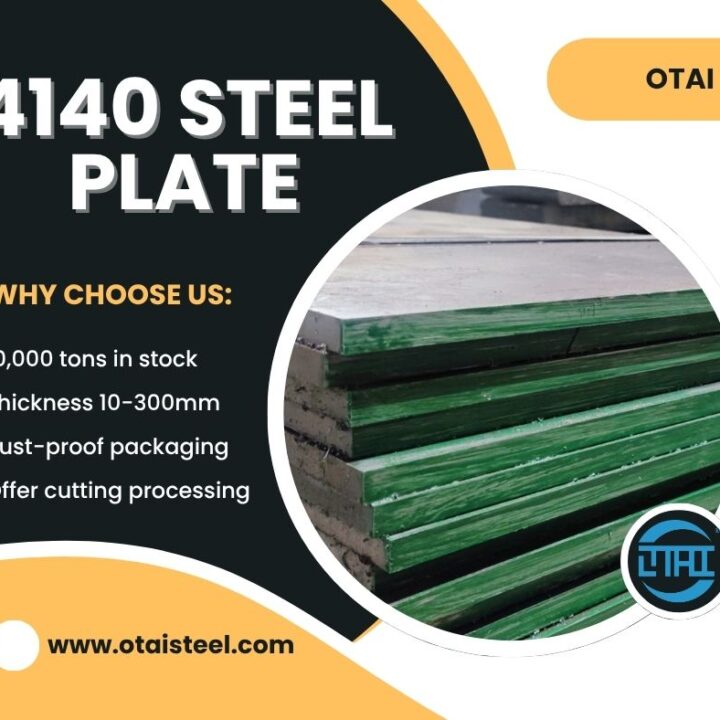
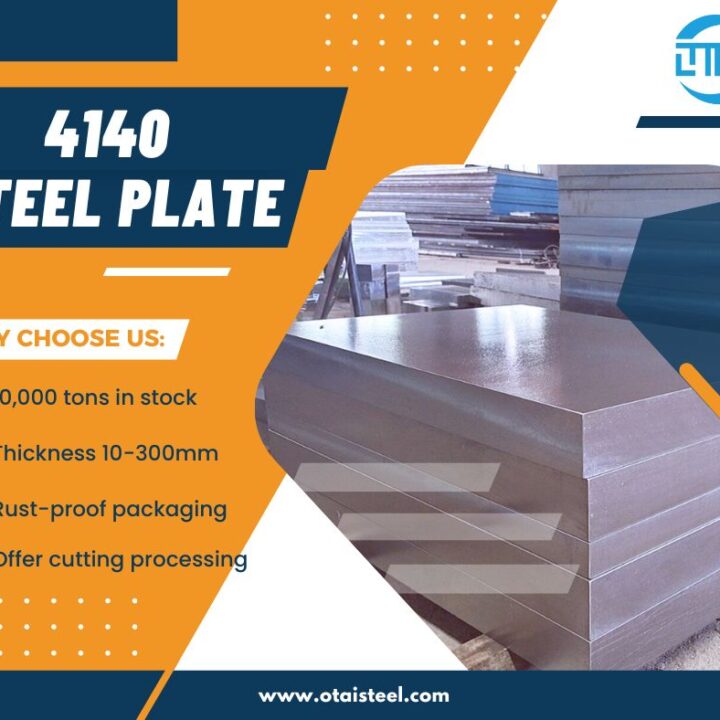
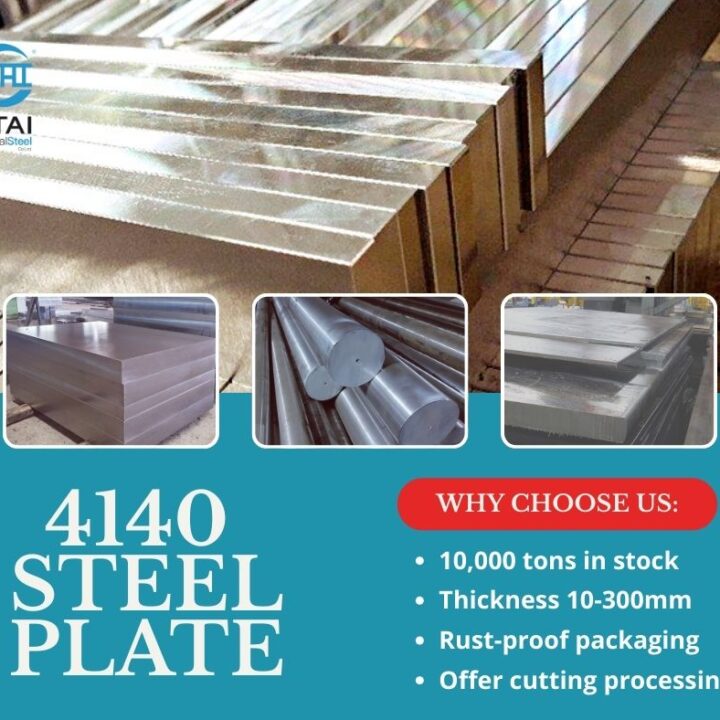
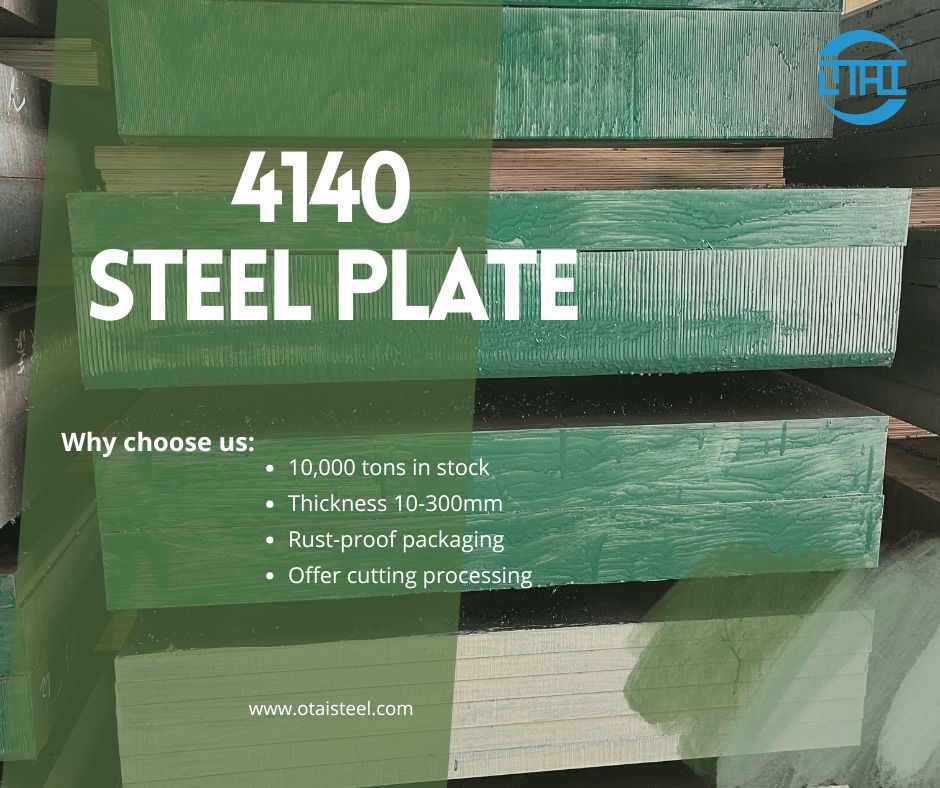
Large Inventory: With over 10,000 tons of steel in stock, we ensure fast delivery for your specific needs.
-
Customization: We provide cutting, heat treatment, and packaging services to meet your exact requirements.
-
Quality Assurance: Each batch of 4140 steel undergoes stringent quality control, including chemical composition analysis, hardness testing, and ultrasonic testing to ensure top performance.
-
Global Expertise: With years of experience in the steel industry, we provide reliable and durable materials to clients worldwide.
❓ FAQ: Common Questions About 4140 Steel Elongation
Q1: How does the elongation of 4140 steel compare to other steels?
A1: 4140 steel has a relatively moderate elongation of 20% to 30%, depending on the heat treatment. This allows it to absorb considerable stress and strain before breaking, which is crucial for high-load applications. In comparison, steels with higher carbon content may have lower elongation, making them more brittle.
Q2: How does heat treatment affect the elongation of 4140 steel?
A2: Heat treatment, such as quenching and tempering, can impact the elongation of 4140 steel. Typically, heat-treated 4140 steel will have a slightly reduced elongation due to increased hardness, but it will also experience improved strength and wear resistance. The balance between hardness and elongation is crucial for different applications.
Q3: Is 4140 steel suitable for applications requiring high elongation?
A3: Yes, 4140 steel is suitable for applications that require moderate to high elongation, such as automotive parts, aerospace components, and machinery parts. It strikes a good balance between strength, elongation, and toughness, making it versatile for many demanding environments.