 4140 Steel Thermal Expansion: Understanding the Impact on Performance
4140 steel is a highly versatile and widely used alloy, known for its balance of strength, toughness, and wear resistance. But what happens when this steel is subjected to temperature changes? The key factor here is thermal expansion, which plays a significant role in how the steel behaves under heat.
In this article, we’ll dive into the basics of 4140 steel thermal expansion, how it impacts various applications, and what you need to know to avoid potential problems when working with this material.
🌡️ What Is Thermal Expansion?
Thermal expansion refers to the way a material changes in size or volume as it experiences changes in temperature. When metal heats up, its atoms vibrate more intensely, causing the material to expand. Conversely, as the temperature drops, the material contracts.
For metals like 4140 steel, this property is crucial to understand because it affects everything from machining to the steel’s performance in extreme environments, such as automotive, aerospace, and manufacturing industries.
🔥 4140 Steel Thermal Expansion Coefficient
The thermal expansion coefficient of a material is a measure of how much it expands or contracts per unit of temperature change. For 4140 steel, the coefficient typically ranges from 11.5 to 12.5 µm/m°C.
Here’s what that means in practical terms:
-
11.5 to 12.5 µm/m°C means that for every 1°C change in temperature, a 1-meter long piece of 4140 steel will change in length by 11.5 to 12.5 micrometers. This value can be affected by the specific heat treatment and composition of the steel.
This coefficient might seem small, but when dealing with large components, the changes in length or volume can be significant, especially at elevated temperatures.
🏗️ How Thermal Expansion Affects 4140 Steel Applications
Understanding the thermal expansion of 4140 steel is critical for applications where precise tolerances and dimensions are crucial. Below are some key areas where thermal expansion plays a role:
-
Machining and Fabrication
-
4140 steel can undergo dimensional changes during heat treatment processes like quenching and tempering. The changes in size must be accounted for when designing parts or conducting operations to prevent unwanted warping or distortion.
-
For example, when machining 4140 steel, the steel may expand due to the heat generated during cutting, drilling, or grinding. This requires precise temperature control during the machining process.
-
-
High-Temperature Environments
-
In industries like aerospace and automotive, 4140 steel components are often exposed to extreme temperatures. The thermal expansion of the steel must be considered in these applications, especially in parts like gears, shafts, and engine components.
-
If the thermal expansion is not adequately managed, the material may experience excessive stresses, leading to failure, cracking, or distortion under load.
-
-
Welding and Joining
-
During welding, 4140 steel experiences localized heat, which causes it to expand. If the expansion isn’t controlled, it can lead to warping or misalignment of welded parts. Preheating the material before welding can help mitigate these issues.
-
The thermal expansion during welding can also influence the final mechanical properties of the weld, so it’s crucial to monitor and control the heat input.
-
-
Stress Relief
-
4140 steel components can experience residual stresses after heat treatment or welding due to thermal expansion. These stresses can impact the material’s performance. A stress-relief process, which involves heating the material to a specific temperature and allowing it to cool slowly, can reduce these stresses.
-
🧠 Key Considerations for Managing Thermal Expansion in 4140 Steel
To ensure 4140 steel performs optimally in high-temperature environments and critical applications, here are some important considerations:
-
Preheating: In welding and heat treatment, preheating 4140 steel can reduce the impact of thermal expansion and minimize cracking or warping during cooling.
-
Temperature Control: For parts exposed to high temperatures, controlling the rate of heating and cooling is essential. Sudden temperature changes can lead to thermal shock, resulting in cracks or dimensional changes.
-
Component Design: When designing components made from 4140 steel, engineers must account for potential dimensional changes due to thermal expansion. Allowances for these changes should be built into the design, especially in parts subjected to thermal cycling or high heat.
-
Post-Weld Heat Treatment (PWHT): After welding, 4140 steel can be heat-treated to reduce residual stresses induced by the welding process. Proper PWHT ensures dimensional stability and prevents distortion due to thermal expansion.
📊 Thermal Expansion of 4140 Steel vs Other Steels
Let’s compare the thermal expansion coefficient of 4140 steel to that of other common materials:
| Material | Thermal Expansion Coefficient (µm/m°C) |
|---|---|
| 4140 Steel | 11.5 – 12.5 |
| Stainless Steel | 16.0 – 17.0 |
| Mild Steel | 12.0 – 14.0 |
| Aluminum | 22.0 – 24.0 |
As you can see, 4140 steel has a lower thermal expansion coefficient compared to aluminum and stainless steel. This makes it more stable under temperature fluctuations, which is an advantage in applications that require high strength and dimensional stability.
🔧 Managing Thermal Expansion for Optimal Performance
To manage thermal expansion effectively, consider the following practices:
-
Temperature-controlled environments: If the application involves high heat, ensure that temperature fluctuations are controlled to prevent unwanted expansion and contraction.
-
Material selection: If thermal expansion is a critical factor, choosing materials with lower coefficients, such as 4140 steel, can help improve dimensional stability in extreme conditions.
-
Design adjustments: Incorporate expansion allowances in your designs to accommodate for the inevitable changes in size due to temperature variations.
🎯 Why Choose 4140 Steel?
With its excellent balance of strength, toughness, and wear resistance, 4140 steel is a go-to choice for many demanding industries, including automotive, aerospace, energy, and machinery. Understanding its thermal expansion properties is essential for ensuring that components made from 4140 steel perform reliably under various conditions.
Company Advantages:
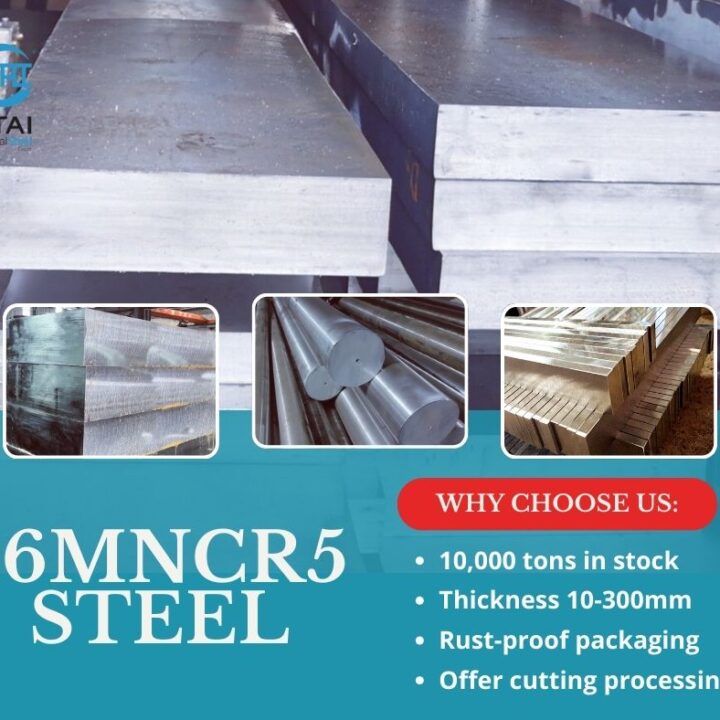
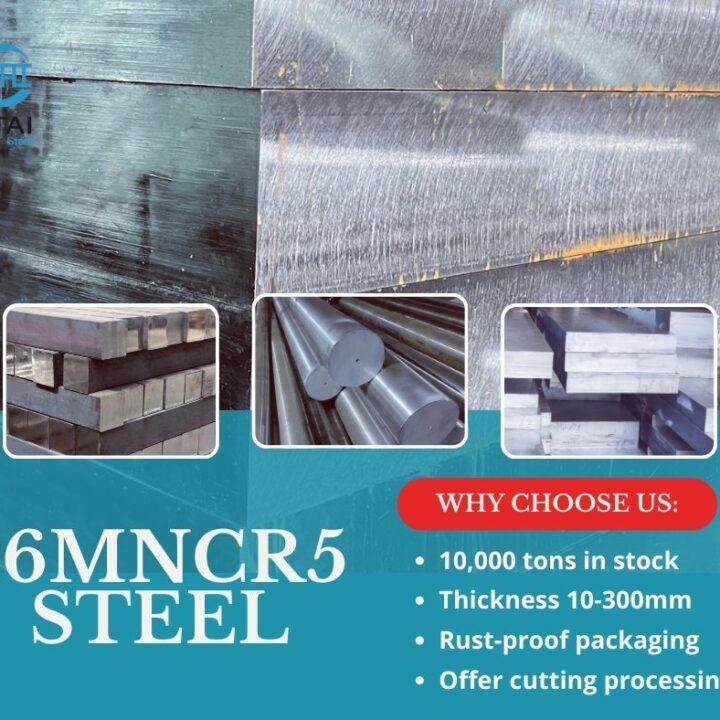
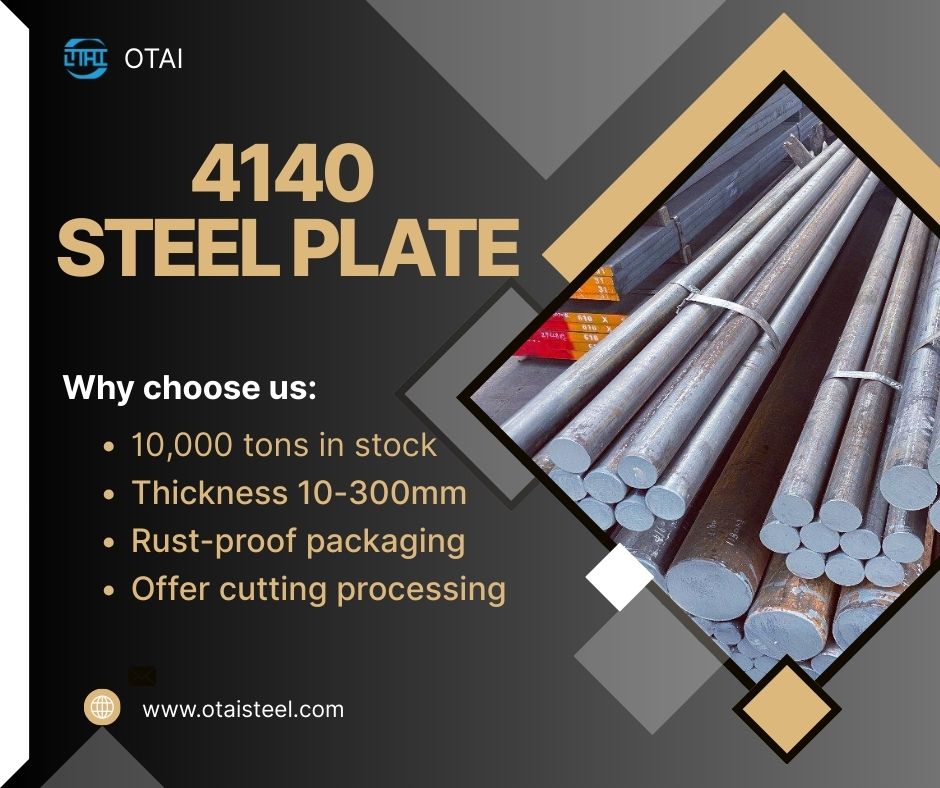
- 10,000+ tons of 4140 steel in stock (6mm–300mm thickness)
- Precision cutting and customized dimensions for your needs
- Heat treatment services: annealed, normalized, Q&T, nitriding
- Comprehensive testing: chemical, mechanical, and hardness testing
- Global shipping: we deliver to over 50 countries with SGS/BV inspection available
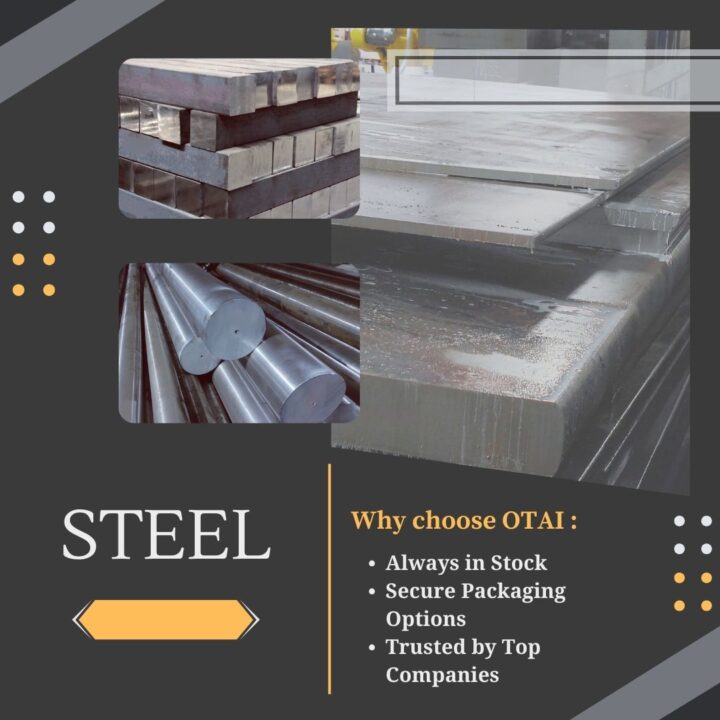
- Trusted by leading companies: Thyssenkrupp, Borealis, Schlumberger
FAQs – 4140 Steel Thermal Expansion
Q1: How does thermal expansion affect 4140 steel?
A1: Thermal expansion affects the dimensions of 4140 steel when exposed to temperature changes. It expands with heat and contracts when cooled, which can impact the performance of parts if not accounted for.
Q2: Is 4140 steel sensitive to high temperatures?
A2: 4140 steel can perform well at high temperatures, but thermal expansion must be controlled in applications where precise dimensions are critical.
Q3: How can I control thermal expansion in 4140 steel during welding?
A3: Preheating the material before welding and controlling the heat input can reduce the impact of thermal expansion, minimizing warping and cracking.
Q4: What is the thermal expansion coefficient of 4140 steel?
A4: The thermal expansion coefficient of 4140 steel typically ranges from 11.5 to 12.5 µm/m°C.
Q5: Can I avoid thermal expansion issues when machining 4140 steel?
A5: Yes, controlling temperature during machining and using proper techniques can minimize issues related to thermal expansion.