 4140 Steel vs 8620 Steel: Which One is Right for Your Project?
When it comes to alloy steels for demanding engineering applications, 4140 steel and 8620 steel are two heavy hitters. Both exhibit renowned strength, toughness, and versatility, yet their differing chemical compositions, heat-treatment responses, and wear-resistance levels can swing the balance toward one or the other, depending on what you need.
In this guide, we’ll dive deep into the differences between 4140 steel and 8620 steel, compare their mechanical properties, and help you choose the right one for your application.
🌟 Overview of 4140 and 8620 Steel
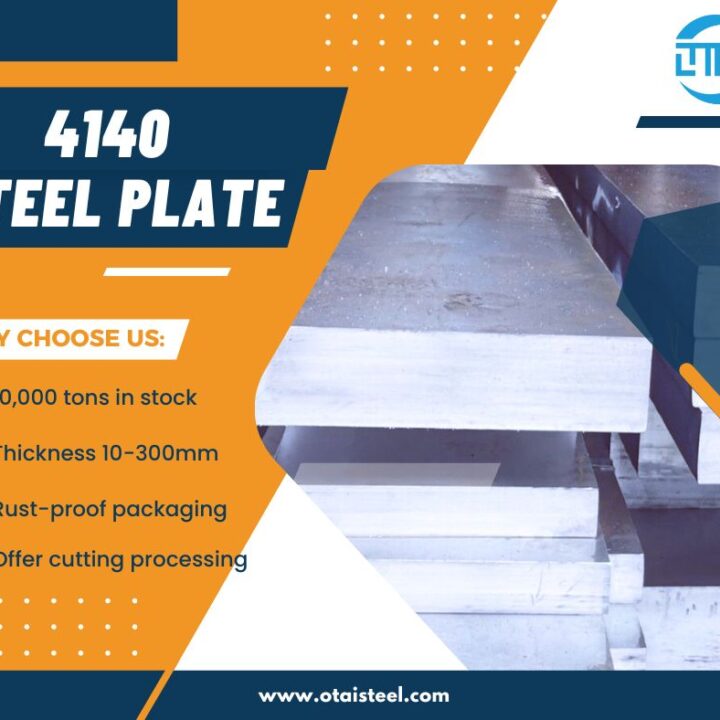
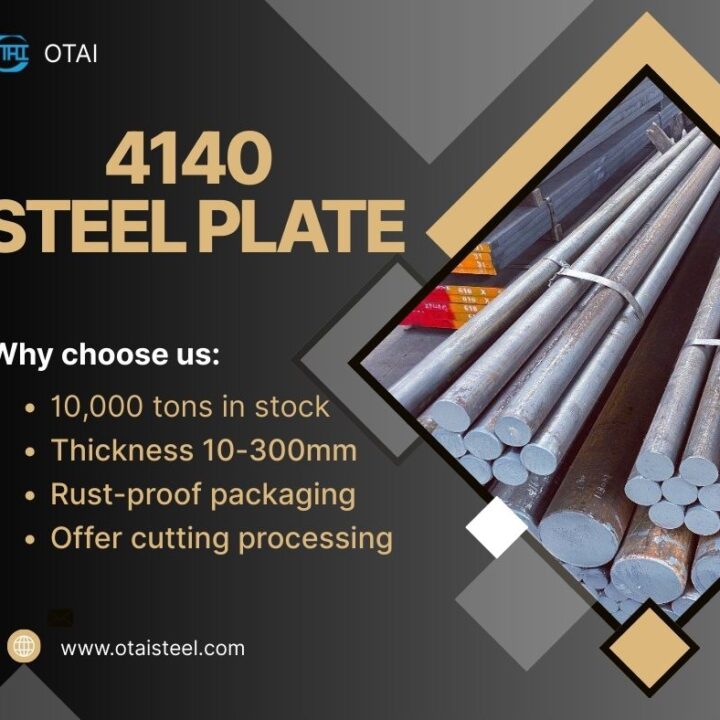
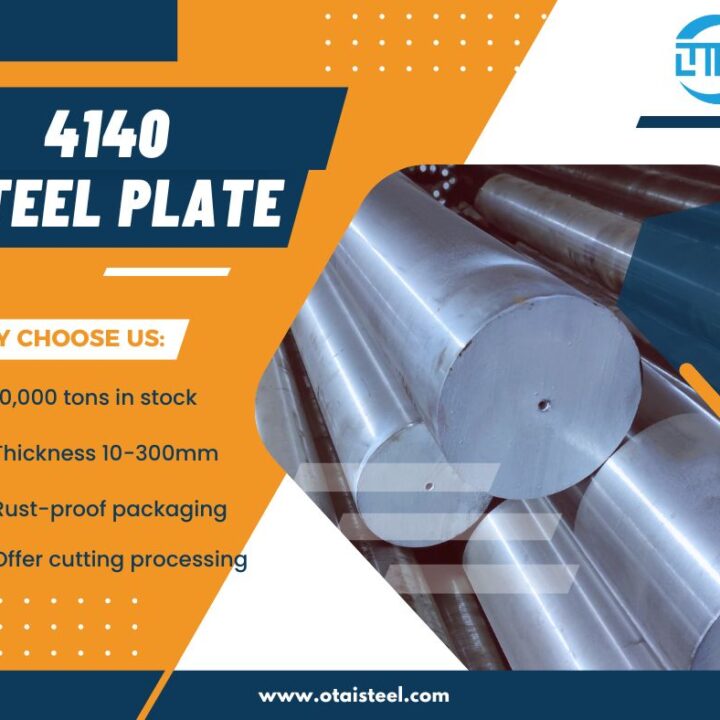
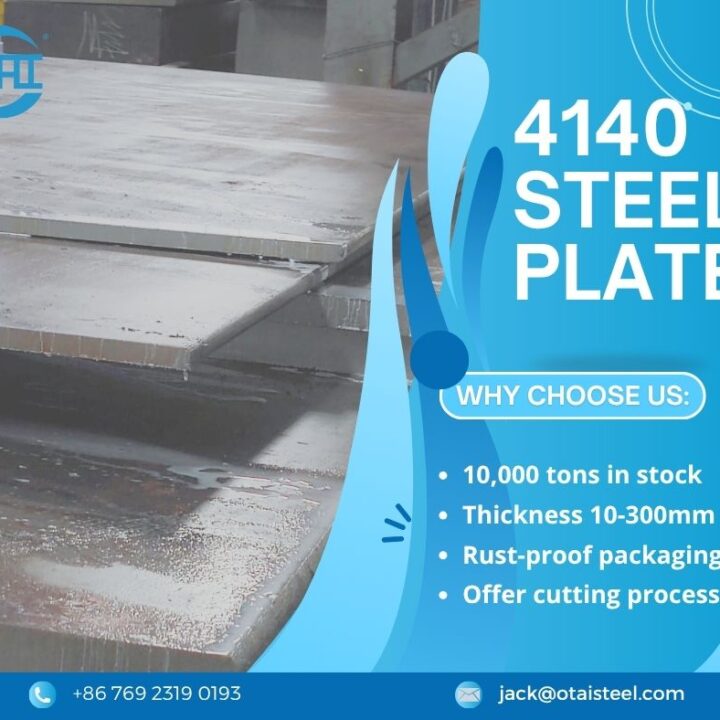
4140 steel is a chromium-molybdenum alloy steel with a medium carbon content, which gives it excellent strength, toughness, and wear resistance after heat treatment. It’s commonly used for shafts, gears, bolts, and structural components requiring high fatigue resistance.
8620 steel, on the other hand, is a low-carbon nickel-chromium-molybdenum alloy steel primarily known for its case hardening capabilities. The low carbon core maintains toughness, while the carburized outer layer achieves high surface hardness for wear resistance. This makes it a top choice for gears, camshafts, and other components subject to surface wear but needing a ductile core.
🧪 Chemical Composition Comparison
| Element | 4140 Steel (%) | 8620 Steel (%) |
|---|---|---|
| Carbon (C) | 0.38–0.43 | 0.18–0.23 |
| Chromium (Cr) | 0.80–1.10 | 0.40–0.60 |
| Molybdenum (Mo) | 0.15–0.25 | 0.15–0.25 |
| Nickel (Ni) | — | 0.40–0.70 |
| Manganese (Mn) | 0.75–1.00 | 0.70–0.90 |
| Silicon (Si) | 0.15–0.35 | 0.15–0.35 |
💡 The higher carbon content in 4140 steel allows for greater hardness and strength after heat treatment, while 8620’s lower carbon content makes it more suitable for carburizing processes.
⚙️ Mechanical Properties After Heat Treatment
| Property | 4140 Steel (Quenched & Tempered) | 8620 Steel (Carburized) |
|---|---|---|
| Tensile Strength (MPa) | 850–1000 | Core: 550–700 / Case: 1000–1200 |
| Yield Strength (MPa) | 655–850 | Core: 400–500 / Case: 850–1000 |
| Rockwell Hardness (HRC) | 28–40 | Core: 20–30 / Case: 55–62 |
| Elongation (%) | 18–25 | 20–30 |
| Impact Toughness (J) | High | Very High (core toughness) |
🔍 Key Differences Between 4140 and 8620 Steel
-
Carbon Content & Hardenability
-
4140 has medium carbon content, making it through-hardenable.
-
8620 has low carbon content, so it’s usually case hardened.
-
-
Wear Resistance
-
4140 provides good wear resistance throughout the section.
-
8620 excels in surface wear resistance after carburizing but keeps a tough core.
-
-
Applications
-
4140 steel for heavy-duty shafts and high-stress parts requiring uniform hardness.
-
8620 steel for gears and components where a hard outer shell and tough core are beneficial.
-
-
Machinability
-
Both have good machinability in annealed condition, but 4140 steel machining requires more rigid setups when hardened.
-
-
Heat Treatment Options
-
4140 responds well to quenching and tempering.
-
8620 is usually carburized and then quenched.
-
🏭 4140 Steel vs 8620 Steel: Typical Applications
4140 Steel Uses:
-
Power transmission shafts
-
Bolts and studs
-
Tool holders
-
Hydraulic components
8620 Steel Uses:
-
Automotive gears and shafts
-
Camshafts
-
Bushings and pins
-
Aerospace gear systems
📊 Selection Guide
| Factor | Choose 4140 Steel if… | Choose 8620 Steel if… |
|---|---|---|
| Hardness Throughout | You need consistent hardness in all areas. | Only surface hardness is required. |
| Wear Resistance | You need wear resistance in the whole part. | Surface wear resistance is most important. |
| Toughness | High toughness with strength is needed. | A tough core with a hard surface is essential. |
| Heat Treatment | Quenching & tempering is the main process. | Carburizing is preferred for your application. |
💡 Expert Tip
If your part will face impact loads and surface wear, 8620 might be better due to its tough core and hard case. But for uniform strength and load-bearing capacity, 4140 is often the safer choice.
🌏 Company Advantages – Why Choose Otai Special Steel?
-
Extensive Inventory: Over 10,000 tons of alloy steel in stock, including multiple sizes of 4140 and 8620.
-
Value-Added Services: Precision cutting, heat treatment, ultrasonic testing, and packaging solutions.
-
Quality Assurance: Chemical composition verification, UT testing, and third-party inspection (SGS).
-
Global Experience: Trusted supplier to top companies such as Thyssenkrupp, Borealis, and Schlumberger.
-
Competitive Pricing: Cost-effective solutions without compromising quality.
❓ FAQ
Q1: Can 8620 steel be used without carburizing?
A1: Yes, but without carburizing it won’t achieve its signature surface hardness, so it’s less wear-resistant.
Q2: Is 4140 steel more expensive than 8620?
A2: Typically yes, because of its higher alloy content and performance characteristics.
Q3: Which one is better for gears?
A3: 8620 is preferred for gears due to its hard surface and tough core after carburizing.
Q4: Does 4140 steel require preheating before welding?
A4: Yes, preheating is recommended to reduce the risk of cracking.