 4140 Steel vs Stainless Steel: Which One Is Better for Your Application?
When selecting materials for demanding applications, one of the most common questions is: Should I choose 4140 steel or stainless steel? Both materials are widely used in industries requiring strength, durability, and performance, but they have distinct properties that make them suitable for different applications. In this article, we will compare 4140 steel with stainless steel, analyzing their key differences, advantages, and suitable applications.
🌟 What Is 4140 Steel?
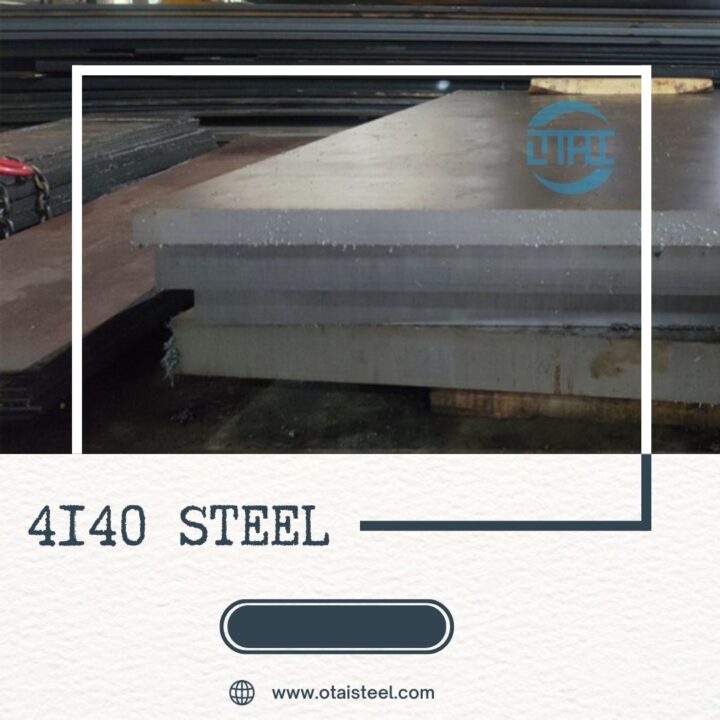
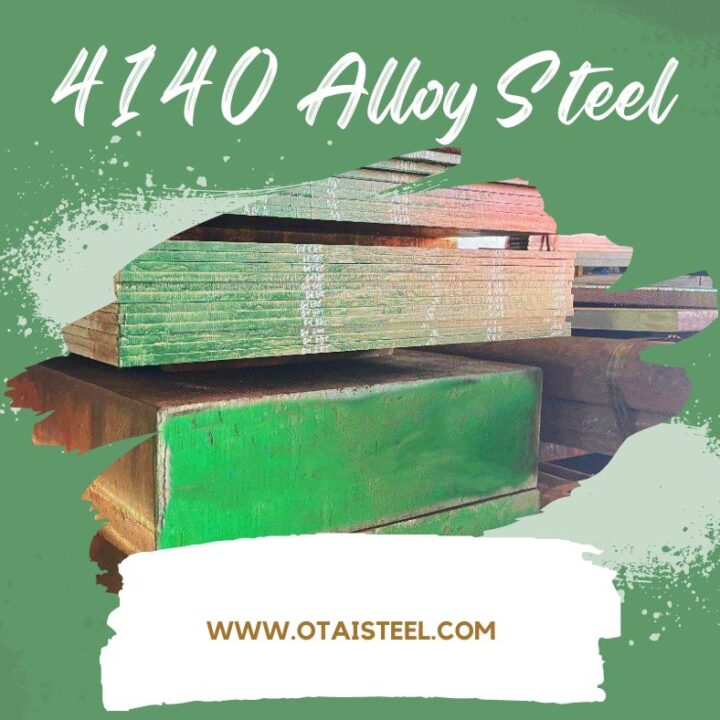
4140 steel is a versatile alloy steel known for its high strength, toughness, and wear resistance. It contains chromium, molybdenum, and carbon, which give it the ability to perform in high-stress, high-fatigue environments. The 4140 steel is commonly used in applications such as gears, shafts, axles, and machinery parts, where its ability to resist deformation and withstand wear is crucial.
The alloying elements in 4140 steel improve its hardenability and strength, making it ideal for applications that require high mechanical properties.
🌟 What Is Stainless Steel?
Stainless steel, on the other hand, is a steel alloy known for its corrosion resistance and excellent durability. It contains at least 10.5% chromium, which forms a passive oxide layer on the surface, protecting the steel from rust and corrosion. Stainless steel comes in various grades, with 304 and 316 being the most common, and it is used extensively in industries such as food processing, pharmaceuticals, medical equipment, and construction.
Unlike 4140 steel, which is primarily used for strength and toughness, stainless steel is highly valued for its resistance to corrosion and its ability to maintain its appearance and integrity in harsh environments.
🔧 Key Differences Between 4140 Steel and Stainless Steel
| Property | 4140 Steel | Stainless Steel |
|---|---|---|
| Composition | Carbon, Chromium, Molybdenum | Chromium, Nickel, Iron |
| Corrosion Resistance | Moderate (Requires coating or treatment) | High (Naturally corrosion-resistant) |
| Strength | High (Good tensile and yield strength) | Moderate to High (Varies by grade) |
| Hardness | High (Through heat treatment) | Moderate (Higher grades are harder) |
| Toughness | High (Good resistance to impact) | Moderate (Toughness varies by grade) |
| Applications | Gears, shafts, automotive, machinery | Food processing, medical, construction |
| Cost | More affordable | Generally more expensive |
1. Composition and Alloying Elements
-
4140 steel contains chromium and molybdenum, which increase its hardenability and wear resistance, making it ideal for high-stress mechanical applications.
-
Stainless steel, with a higher content of chromium (usually over 10%), provides superior corrosion resistance, but this may come at the expense of some strength, depending on the specific grade used.
2. Corrosion Resistance
-
Stainless steel is known for its excellent corrosion resistance, making it suitable for use in environments exposed to moisture, chemicals, or extreme temperatures.
-
4140 steel, while durable, requires additional protective coatings (such as plating, galvanizing, or painting) to resist corrosion in environments where moisture or chemicals are present.
3. Strength and Hardness
-
4140 steel offers superior strength and hardness, particularly after heat treatment. It excels in high-stress applications like gears and axles, where resistance to deformation is required.
-
Stainless steel provides moderate to high strength, but its hardness varies depending on the grade. It is often chosen for corrosion-resistant components where strength is less critical than the need for protection against rust.
4. Toughness and Impact Resistance
-
4140 steel is known for its toughness, meaning it can absorb high impact and resist cracking. This makes it an excellent choice for parts that undergo frequent stress or mechanical shocks.
-
Stainless steel, while still tough, tends to have less impact resistance than 4140 steel, making it less suitable for applications requiring extreme toughness.
🏗️ Applications of 4140 Steel vs Stainless Steel
4140 Steel Applications:
-
Automotive Components: Axles, gears, crankshafts, and other high-strength components.
-
Aerospace: Landing gear and structural components exposed to mechanical stress.
-
Heavy Machinery: Machine parts, tooling, and industrial machinery where wear resistance and toughness are crucial.
-
Oil and Gas: Drill rods, downhole tools, and valves in high-pressure, high-stress environments.
Stainless Steel Applications:
-
Food Processing: Food-grade equipment, storage tanks, and processing machinery where corrosion resistance is essential.
-
Medical: Surgical instruments, implants, and medical devices that require both durability and resistance to infection.
-
Construction: Structural components, fasteners, and architectural elements that need to maintain their appearance and integrity in exposed environments.
-
Marine: Boat fittings, marine hardware, and pipes exposed to seawater conditions.
🏆 Why Choose Otai Special Steel for 4140 Steel?
Otai Special Steel provides top-quality 4140 steel, with several advantages:
-
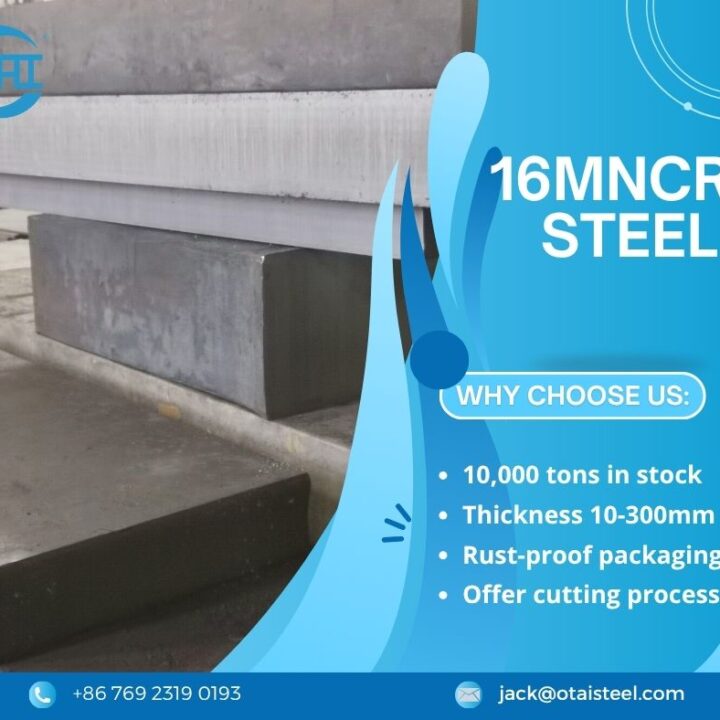
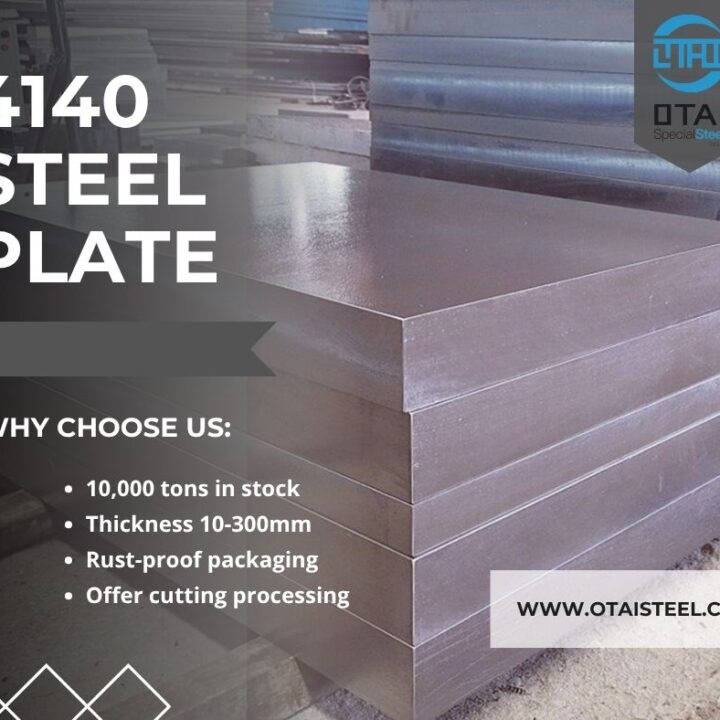
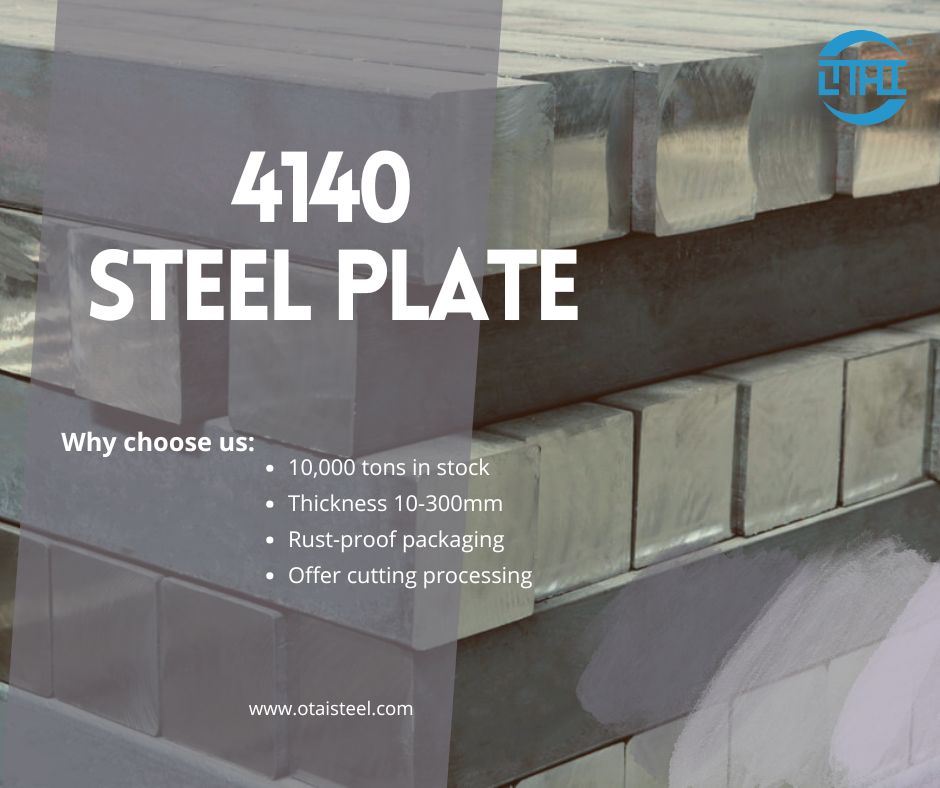
Large Inventory: With over 10,000 tons of steel in stock, we ensure fast delivery and availability for your needs.
-
Customization: We offer services like cutting, heat treatment, and packaging to meet your specific requirements for 4140 steel.
-
Quality Assurance: Every batch of 4140 steel undergoes stringent quality control, including chemical composition analysis, hardness testing, and ultrasonic testing to ensure top performance.
-
Global Expertise: With years of experience in the steel industry, we provide reliable, durable steel products to clients worldwide.
❓ FAQ: Common Questions About 4140 Steel vs Stainless Steel
Q1: Which is stronger, 4140 steel or stainless steel?
A1: 4140 steel generally offers higher tensile strength, making it ideal for high-load applications like gears, shafts, and machinery parts. Stainless steel offers moderate strength and is primarily chosen for its corrosion resistance rather than its strength.
Q2: Can 4140 steel be used in a corrosive environment?
A2: While 4140 steel has good strength and wear resistance, it requires additional coatings (such as galvanizing or plating) to protect it from corrosion. Stainless steel, with its naturally high corrosion resistance, is a better choice for environments exposed to moisture or chemicals.
Q3: When should I choose 4140 steel over stainless steel?
A3: Choose 4140 steel when you need a material that offers high strength, wear resistance, and toughness, especially in automotive, aerospace, and heavy machinery applications. If corrosion resistance is a top priority, such as in food processing, medical, or marine applications, stainless steel is the better choice.