 4140 Steel Wear: Understanding Wear Resistance
4140 steel is a highly versatile alloy steel known for its strength, toughness, and wear resistance. Its wear resistance makes it a popular choice in various industries that require materials that can withstand abrasion, friction, and wear over extended periods. In this article, we will explore the concept of 4140 steel wear, its wear resistance properties, how it performs in different applications, and why it is a top choice for industries that demand durability.
🌟 What is Wear Resistance in 4140 Steel?
Wear resistance refers to the ability of a material to resist damage or degradation caused by friction or contact with other materials. For steel, this property is crucial in applications where components are subjected to constant movement or interaction with other surfaces, leading to the loss of material due to abrasion or friction.
4140 steel is specifically designed to offer high wear resistance. Thanks to its alloying elements like chromium and molybdenum, 4140 steel can endure harsh working conditions and resist wear, making it ideal for parts that need to withstand constant friction without degrading quickly.
🔧 Mechanical Properties of 4140 Steel That Influence Wear Resistance
Several mechanical properties of 4140 steel contribute to its wear resistance, including its hardness, toughness, and strength. Below is a breakdown of key properties that influence wear performance:
| Property | Value |
|---|---|
| Hardness (HRC) | 28–35 HRC (depending on heat treatment) |
| Tensile Strength | 850–1000 MPa |
| Yield Strength | 600–900 MPa |
| Impact Toughness | High resistance to impact and fatigue |
| Fatigue Strength | Excellent fatigue resistance |
1. Hardness
The hardness of 4140 steel plays a crucial role in its wear resistance. Heat treatment processes like quenching and tempering can increase the steel’s hardness, making it more resistant to surface wear. Harder steels tend to perform better in applications where abrasion is a concern, such as in gears and machinery parts.
2. Tensile Strength
4140 steel offers excellent tensile strength, making it capable of withstanding high loads without deformation. This contributes to its ability to maintain shape and integrity even in high-stress, wear-prone environments.
3. Toughness
Toughness allows 4140 steel to absorb energy and resist cracking or failure under impact. This is important for components that endure not only wear but also shock or impact, like axles, crankshafts, and gears.
4. Fatigue Strength
The fatigue strength of 4140 steel ensures that it can endure repeated stress without failing. This is especially useful in rotating machinery or parts that experience cyclic loading, as it prevents premature wear and cracking.
🏗️ Applications of 4140 Steel and Its Wear Resistance
The wear resistance of 4140 steel makes it an excellent choice for various industrial applications where components face friction, abrasion, or high impact. Below are some common applications where 4140 steel’s wear resistance plays a crucial role:
| Industry | Applications | Reason for Use |
|---|---|---|
| Automotive | Gears, axles, suspension components | Resistance to abrasion, impact, and fatigue |
| Mining and Construction | Drilling rods, crushers, heavy machinery parts | Wear resistance in harsh, abrasive environments |
| Oil and Gas | Drill bits, downhole tools, valves | Durability and wear resistance under high-pressure conditions |
| Heavy Machinery | Machine parts, industrial components | Wear resistance to extend component life |
1. Automotive Industry
In the automotive industry, 4140 steel is used in gears, axles, and suspension components. These parts experience constant friction, pressure, and impact. Thanks to its excellent wear resistance, 4140 steel ensures these components perform optimally without premature failure, extending their lifespan.
2. Mining and Construction
The mining and construction industries often require materials that can withstand harsh, abrasive conditions. 4140 steel is used in components such as drilling rods, crushers, and heavy machinery parts. Its wear resistance helps ensure that these parts maintain their performance in demanding environments where high abrasion is a constant concern.
3. Oil and Gas Industry
In the oil and gas industry, 4140 steel is commonly used for drill bits, downhole tools, and valves. These components face extremely high pressure and abrasive conditions deep underground. The wear resistance of 4140 steel ensures that these tools maintain their functionality over time, reducing the need for frequent replacements and enhancing overall operational efficiency.
4. Heavy Machinery
For heavy machinery, 4140 steel is used in machine parts and industrial components that face continuous wear from friction and impact. Components like shafts and gears benefit from the steel’s ability to resist surface degradation, improving the overall durability and performance of machinery.
🏆 Why Choose Otai Special Steel for 4140 Steel?
Otai Special Steel offers high-quality 4140 steel with several benefits:
-
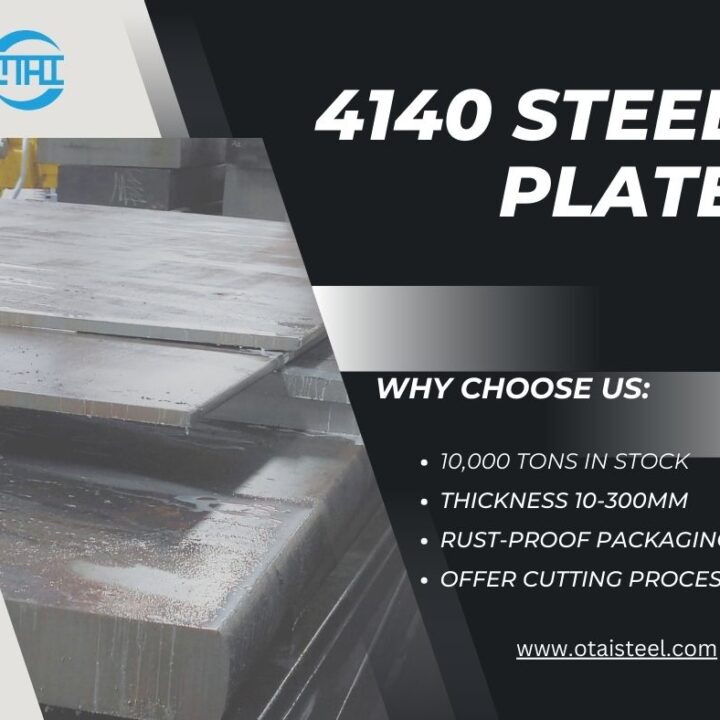
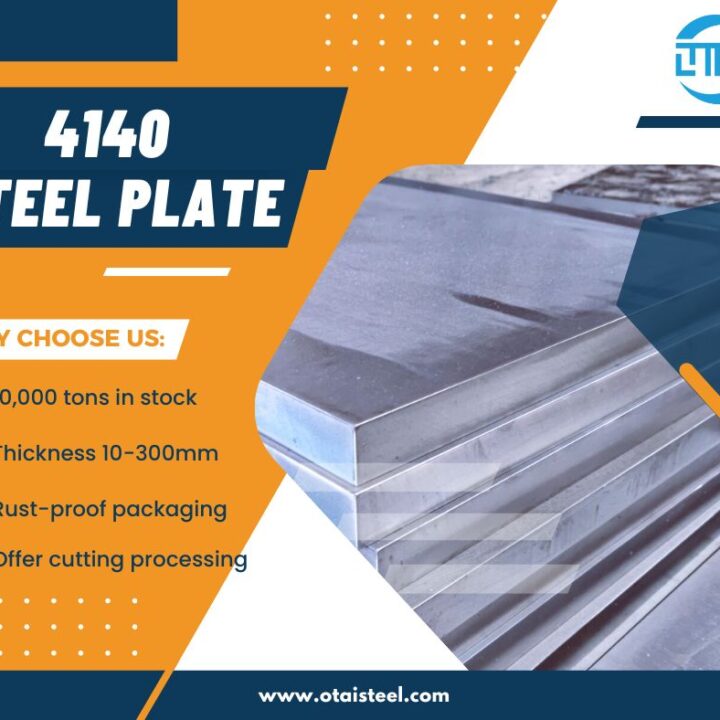
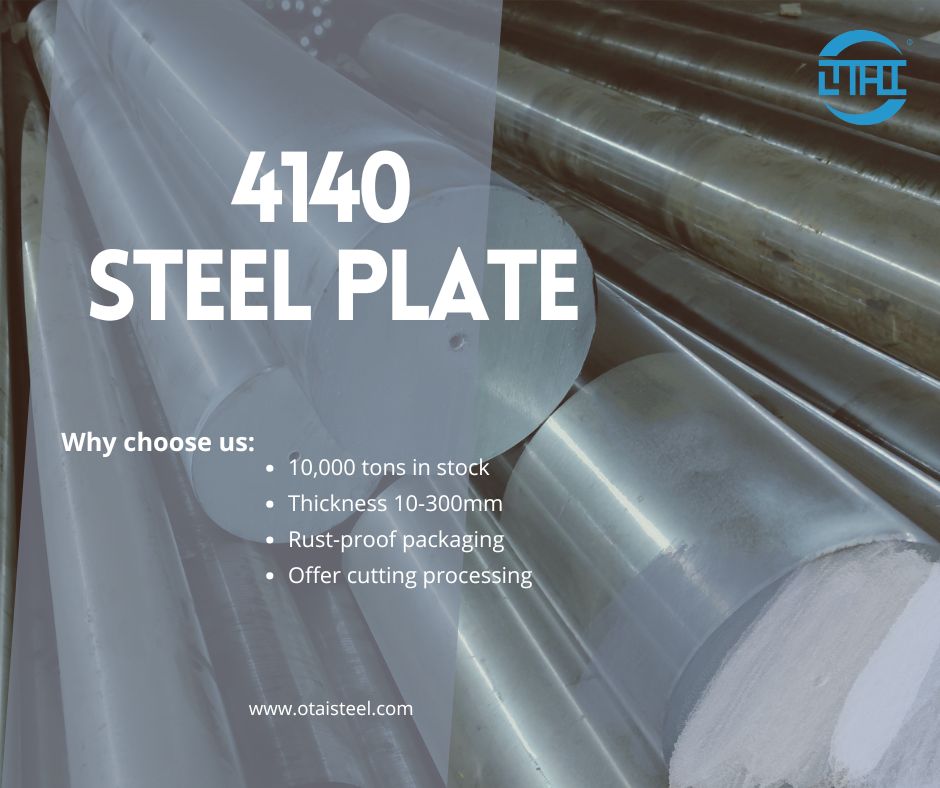
Large Inventory: With over 10,000 tons of steel in stock, we ensure fast delivery for your specific needs.
-
Customization: We provide cutting, heat treatment, and packaging services to meet your exact requirements.
-
Quality Assurance: Each batch of 4140 steel undergoes strict quality control, including chemical composition analysis, hardness testing, and ultrasonic testing to guarantee high-quality performance.
-
Global Experience: With years of expertise in the steel industry, we provide reliable and durable materials to clients worldwide.
❓ FAQ: Common Questions About 4140 Steel Wear Resistance
Q1: How does the wear resistance of 4140 steel compare to other materials?
A1: 4140 steel offers superior wear resistance compared to many other medium-carbon steels due to its alloying elements like chromium and molybdenum. These elements improve the steel’s hardness and durability, making it more resistant to wear, abrasion, and fatigue.
Q2: Can the wear resistance of 4140 steel be enhanced?
A2: Yes, the wear resistance of 4140 steel can be further enhanced through heat treatments like quenching and tempering. These processes increase the hardness of the steel, making it even more resistant to wear and abrasion in demanding applications.
Q3: Is 4140 steel suitable for components exposed to both wear and impact?
A3: Yes, 4140 steel is highly suitable for applications where components face both wear and impact. Its excellent toughness and hardness make it ideal for parts like gears, crankshafts, and suspension components, which require resistance to both surface degradation and mechanical shock.