 4140 vs Grade 8: A Comparison of Strength and Applications
When selecting materials for high-stress applications, 4140 steel and Grade 8 bolts often come up. Although used for different purposes, both materials offer superior strength and reliability in demanding environments. This article compares 4140 steel and Grade 8 bolts, highlighting their properties, advantages, and suitable applications.
🔍 What is 4140 Steel?
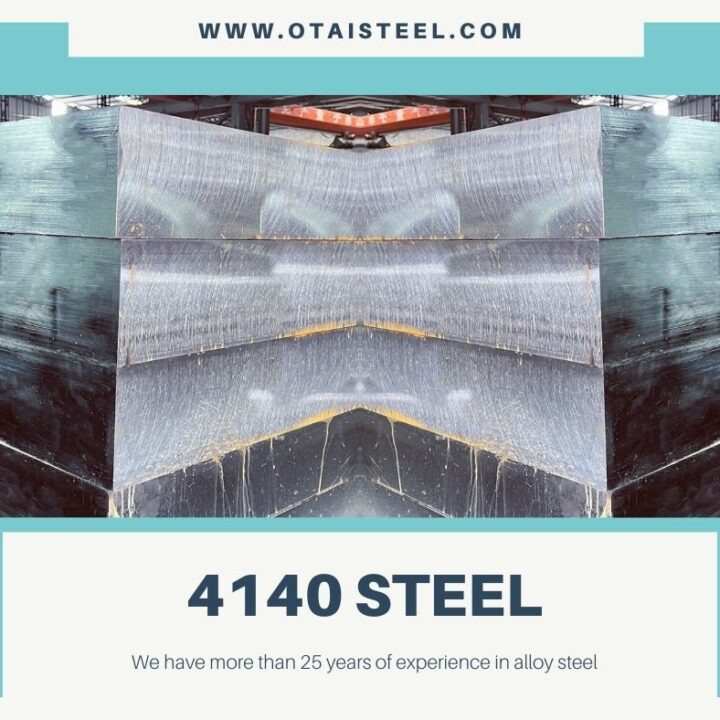
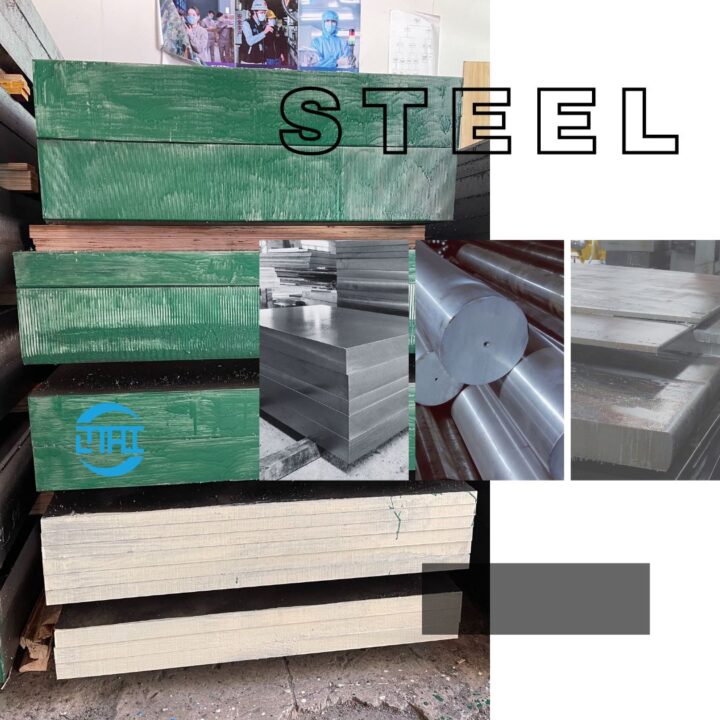
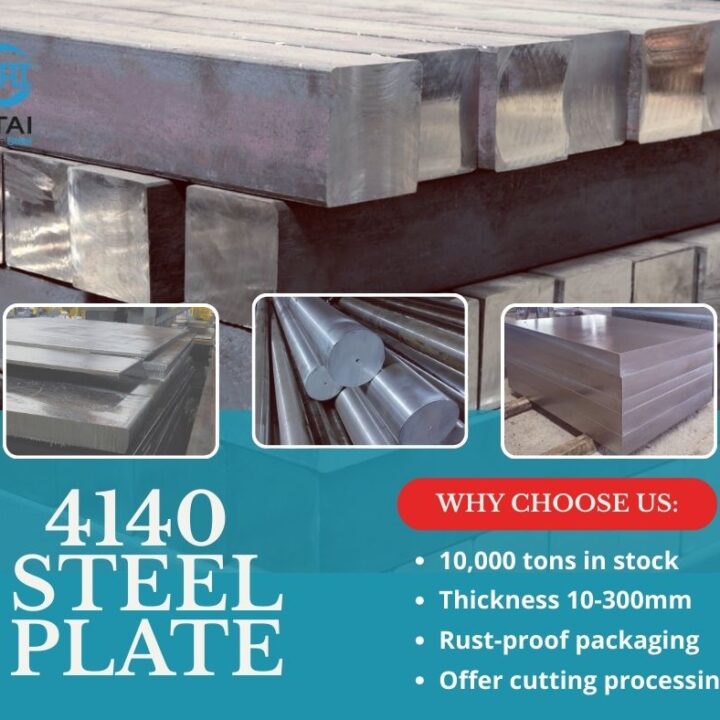
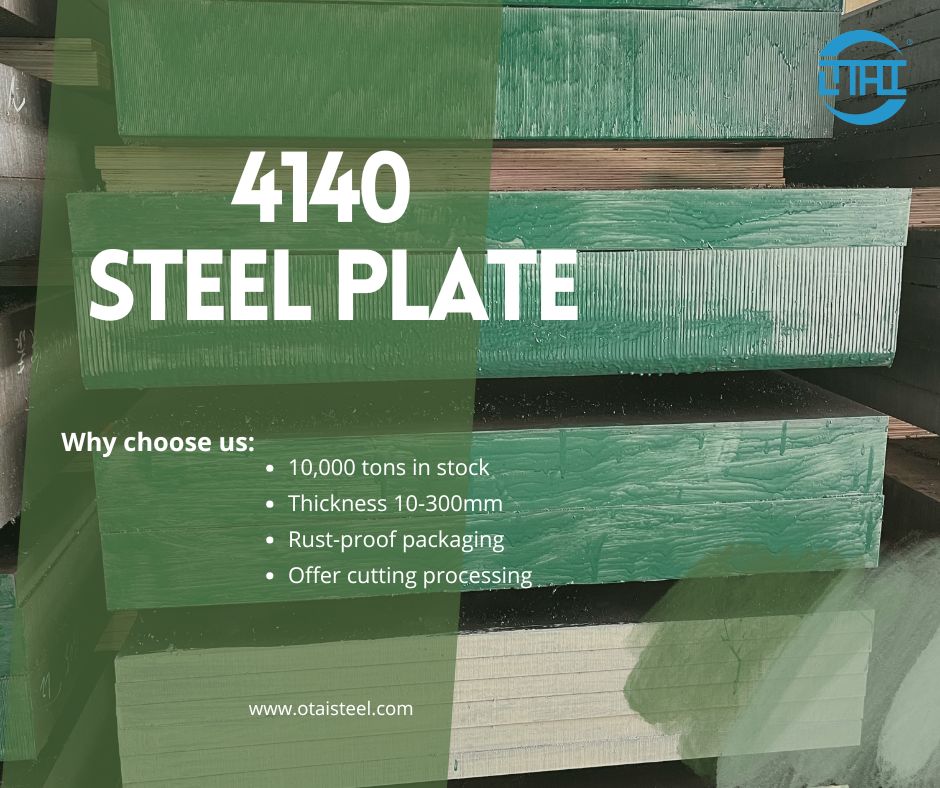
4140 steel is a versatile chromium-molybdenum alloy steel commonly used in industries that demand high strength, toughness, and wear resistance. Its composition includes carbon (0.38% to 0.43%), chromium (0.80% to 1.10%), and molybdenum (0.15% to 0.25%), which gives the material excellent mechanical properties. 4140 steel comes in various forms, such as plates, bars, rods, and tubes, and is used in applications like gears, shafts, and crankshafts.
🏗️ What is Grade 8?
Grade 8 refers to a high-strength bolt made from medium-carbon steel. The steel undergoes heat treatment to improve its tensile strength and mechanical properties. Grade 8 bolts are essential in applications requiring high strength, such as in automotive, construction, and industrial machinery. They feature a tensile strength of over 150,000 PSI and are marked with six radial lines to indicate their strength rating.
🧬 Key Properties Comparison: 4140 Steel vs Grade 8
1. Strength and Hardness
-
4140 Steel: 4140 steel offers a tensile strength between 95,000 PSI and 110,000 PSI. It is designed to handle high stress, providing high hardness and toughness. After heat treatment, 4140 steel can achieve a Rockwell hardness of 28-32 HRC.
-
Grade 8 Bolts: Grade 8 bolts have a tensile strength of 150,000 PSI, significantly stronger than standard bolts. Their hardness ranges between 33-39 HRC, making them suitable for high-stress applications like automotive and construction.
| Property | 4140 Steel | Grade 8 Bolt |
|---|---|---|
| Tensile Strength | 95,000 – 110,000 PSI | 150,000 PSI |
| Hardness | 28-32 HRC | 33-39 HRC |
| Applications | Gears, shafts, crankshafts | Automotive, heavy machinery |
2. Durability and Wear Resistance
-
4140 Steel: With its chromium and molybdenum content, 4140 steel offers excellent wear resistance. It can withstand abrasion, fatigue, and extreme mechanical stress, making it ideal for components exposed to constant friction and impact.
-
Grade 8 Bolts: Grade 8 bolts are highly durable and perform well in high-stress environments. However, they generally lack the same wear resistance as 4140 steel. They can maintain their strength over time if installed correctly but are more prone to fatigue under repeated stress.
3. Toughness and Impact Resistance
-
4140 Steel: Known for its toughness, 4140 steel can absorb impacts and resist cracking under dynamic loads. It is ideal for parts that experience sudden shocks, such as tooling and heavy-duty industrial components.
-
Grade 8 Bolts: Grade 8 bolts also exhibit impact resistance, but they are more susceptible to fatigue failure if exposed to repeated shock loads. While they perform well in static or continuous loading, they may not be the best choice for components subject to extreme impact forces.
4. Machinability and Fabrication
-
4140 Steel: 4140 steel is relatively machinable in the annealed state, although its hardness can make it challenging to process when hardened. With the right equipment, it can be easily machined into custom components for various applications.
-
Grade 8 Bolts: Grade 8 bolts are usually pre-formed and require no machining in most cases. However, they need proper torqueing during installation to reach their full strength.
🏅 Applications: 4140 Steel vs Grade 8
Applications of 4140 Steel
-
Automotive: Ideal for crankshafts, gears, and suspension parts.
-
Aerospace: Used for landing gear, aircraft parts, and engine components.
-
Tool Making: Suitable for dies, molds, and cutting tools.
-
Oil and Gas: Common in valves, drill rods, and couplings.
-
Heavy Equipment: Used for machine parts, excavators, and presses.
Applications of Grade 8 Bolts
-
Automotive: Common in engine components, suspension systems, and brake systems.
-
Construction: Used for structural components in bridges, highways, and cranes.
-
Industrial Machinery: Critical for presses, heavy-duty equipment, and machines.
-
Agriculture: Found in tractors, harvesters, and other high-strength machinery.
⚙️ Why Choose 4140 Steel or Grade 8 Bolts?
Deciding between 4140 steel and Grade 8 bolts depends on the specific requirements of your project. Here’s a guide on when to use each material:
| Factor | Choose 4140 Steel | Choose Grade 8 Bolts |
|---|---|---|
| High Wear Resistance | For components that face friction or wear. | For high-strength fastening applications. |
| Strength & Toughness | For components that experience heavy-duty mechanical stress. | For fastening where high tensile strength is essential. |
| Machining Flexibility | For custom parts that require machining. | For parts that require no additional machining. |
🌍 Why Choose Otai Special Steel for 4140 Steel?
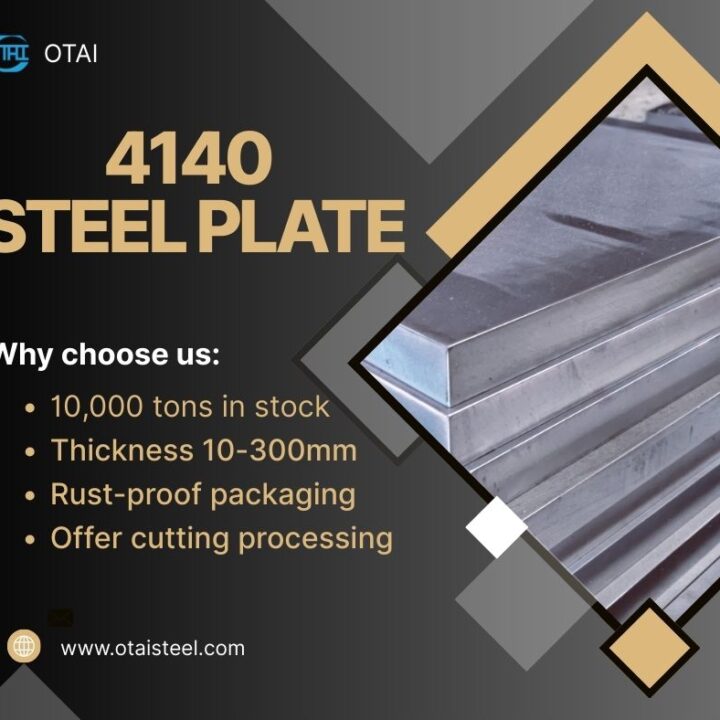
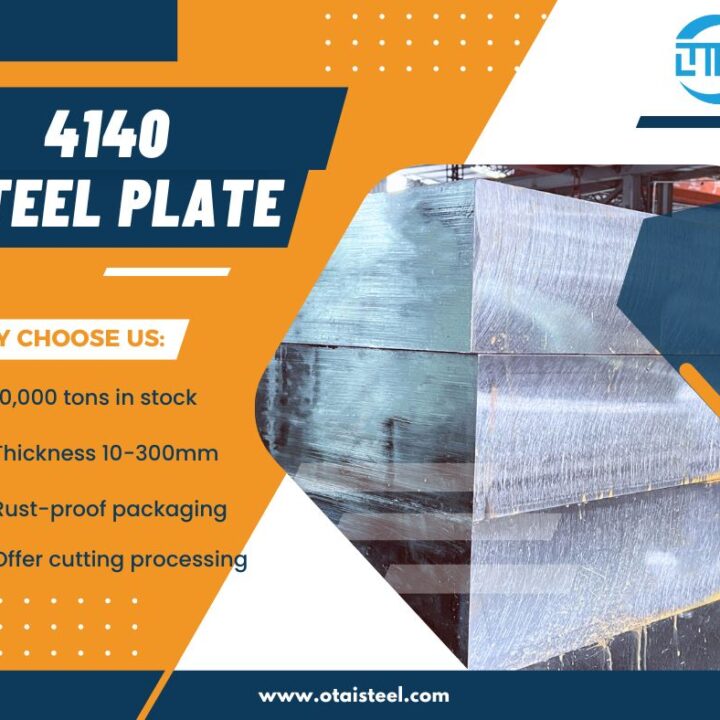
At Otai Special Steel, we supply top-quality 4140 steel products, including plates, bars, and rods. We offer customized cutting, heat treatment, and packaging services to meet your exact specifications, along with global shipping for timely delivery. Here’s why you should choose us:
| Benefit | Details |
|---|---|
| Large Inventory | We maintain a large stock of 4140 steel and other alloys to meet your material needs. |
| Customized Solutions | We provide customized cutting and heat treatment services tailored to your project. |
| Global Delivery | We offer worldwide shipping to ensure fast and reliable delivery. |
| Quality Assurance | Our 4140 steel undergoes rigorous testing for quality assurance, meeting all industry standards. |
❓ FAQ: Frequently Asked Questions About 4140 Steel and Grade 8 Bolts
Q1: Can I use 4140 steel for the same applications as Grade 8 bolts?
A1: 4140 steel and Grade 8 bolts serve different purposes. 4140 steel is ideal for manufacturing structural components, while Grade 8 bolts are used for securing parts in high-stress environments.
Q2: Which is more cost-effective: 4140 steel or Grade 8 bolts?
A2: The choice depends on your application. Grade 8 bolts are generally more cost-effective for fastening. However, if your project requires high-strength components, 4140 steel may be the better option.
Q3: What are the advantages of using 4140 steel over Grade 8 bolts in heavy machinery?
A3: 4140 steel offers superior toughness, abrasion resistance, and strength, making it ideal for parts that endure extreme mechanical stress. Grade 8 bolts are better for fastening but may not perform as well in high-wear or high-stress applications.