 4340 vs 4140 Steel: Which one is suitable for you?
When selecting the right steel for industrial applications, 4340 and 4140 steel are two common choices that often come up. Both of these are alloy steels and share some similarities, but they differ significantly in terms of their composition, properties, and best uses. In this article, we will explore the key differences and similarities between 4340 steel and 4140 steel, including their mechanical properties, heat treatment processes, and typical applications.
🔍 What is 4340 Steel?
4340 steel is a nickel-chromium-molybdenum alloy steel. It’s known for its high strength, toughness, and hardenability. With a relatively high nickel content, 4340 steel exhibits excellent resistance to fatigue and is highly suited for high-stress applications.
The typical chemical composition of 4340 steel is:
-
Carbon (C): 0.38-0.43% (provides strength and hardness)
-
Nickel (Ni): 1.65-2.00% (enhances toughness and resistance to fatigue)
-
Chromium (Cr): 0.70-0.90% (improves hardness and wear resistance)
-
Molybdenum (Mo): 0.20-0.30% (enhances hardenability and strength)
-
Manganese (Mn): 0.60-0.90% (improves tensile strength)
🧪 What is 4140 Steel?
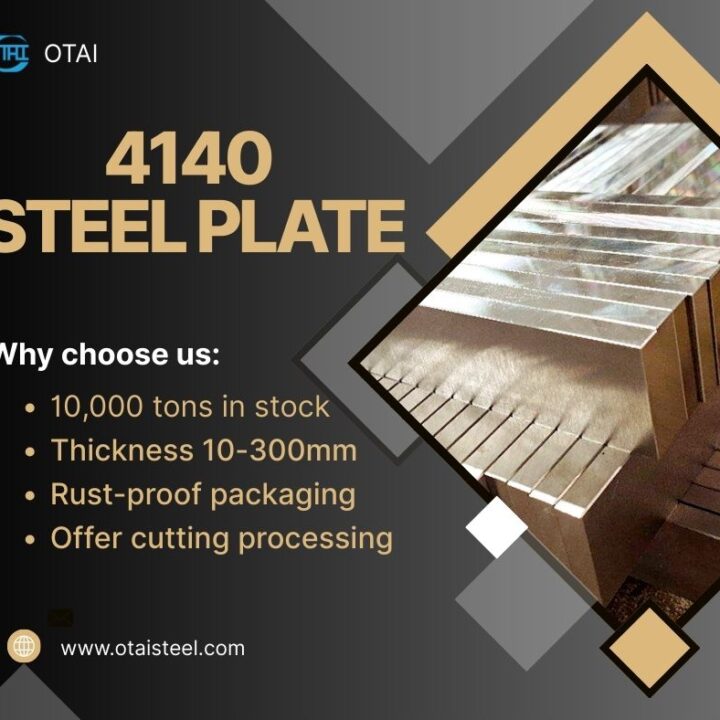
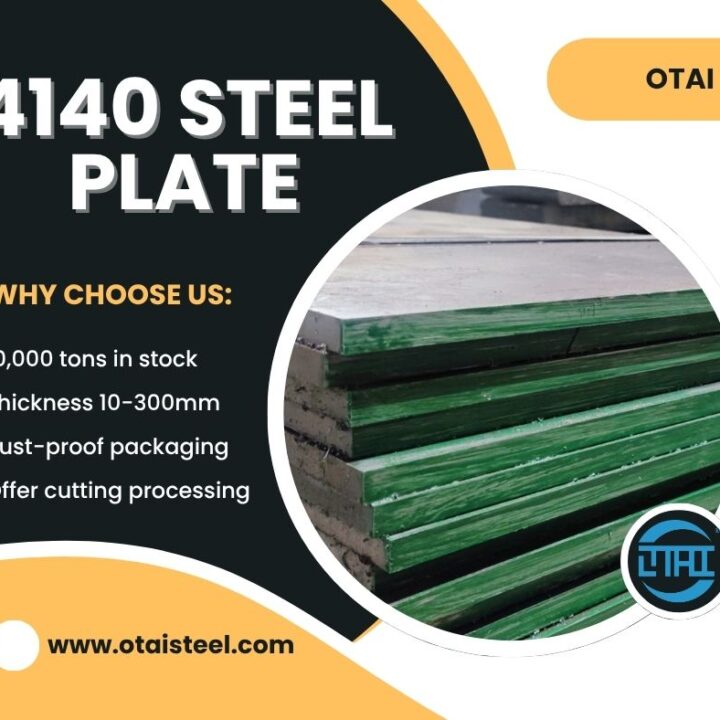
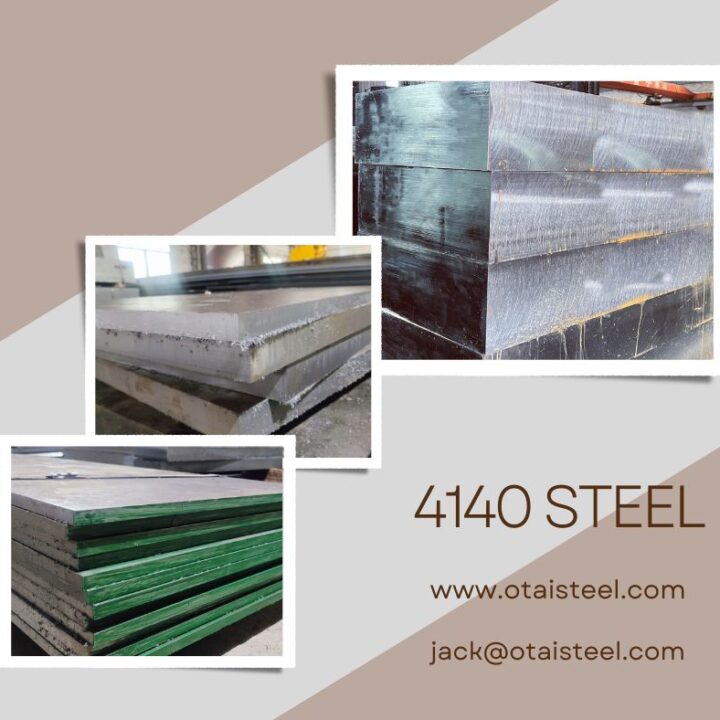
4140 steel is a chromium-molybdenum alloy steel, and it is one of the most widely used steels in the world. It is often selected for its high strength, toughness, and hardness when treated properly. 4140 steel is versatile, and it can be used in applications ranging from automotive to military.
The chemical composition of 4140 steel typically includes:
-
Carbon (C): 0.40-0.50% (adds strength and hardness)
-
Chromium (Cr): 0.80-1.10% (increases wear resistance and hardness)
-
Molybdenum (Mo): 0.15-0.25% (improves hardenability)
-
Manganese (Mn): 0.60-0.90% (enhances tensile strength)
🧰 Key Property Comparison
When comparing 4340 steel and 4140 steel, it’s essential to examine their mechanical properties to determine which steel is better suited for specific applications.
| Property | 4340 Steel | 4140 Steel |
|---|---|---|
| Tensile Strength | 930-1,100 MPa | 655-850 MPa |
| Yield Strength | 635 MPa | 415 MPa |
| Hardness (as rolled) | 190-220 HB | 197-235 HB |
| Hardness (heat treated) | 48-52 HRC | 50-55 HRC |
| Impact Toughness | Excellent | Good |
| Machinability | Good | Good |
Key Differences in Properties:
-
Tensile Strength: 4340 steel offers a higher tensile strength (930-1,100 MPa) compared to 4140 steel (655-850 MPa). This means that 4340 steel is more resistant to being pulled apart under stress.
-
Yield Strength: The yield strength of 4340 steel is higher (635 MPa) than that of 4140 steel (415 MPa), indicating better resistance to permanent deformation in high-stress conditions.
-
Hardness: After heat treatment, 4340 steel can reach up to 48-52 HRC, while 4140 steel can reach 50-55 HRC. Both steels can be hardened to a significant degree, but 4140 may have a slightly higher hardness.
-
Impact Toughness: 4340 steel excels in impact toughness, making it better suited for high-stress, shock-loading applications. On the other hand, 4140 steel performs well but may not match 4340’s resistance to sudden impacts.
-
Machinability: Both steels are easy to machine, though 4340 steel may be slightly more difficult due to its higher strength.
🛠️ Heat Treatment Comparison
Both 4340 and 4140 steel benefit from heat treatment, but they require different processes and have varying levels of hardness and hardenability after treatment.
-
4340 Steel Heat Treatment:
-
Quenching and tempering at the appropriate temperatures can increase 4340 steel’s hardness to 48-52 HRC, making it ideal for applications requiring high strength and fatigue resistance.
-
4340 steel is also highly resistant to thermal cracking and can perform well in extreme conditions.
-
-
4140 Steel Heat Treatment:
-
After quenching and tempering, 4140 steel can reach a hardness level of 50-55 HRC. This makes it a great option for parts that need to be wear-resistant while still maintaining strength.
-
4140 is a more economical choice for heat-treated parts than 4340, but it does not perform quite as well under extreme loads or temperatures.
-
🏭 Applications of 4340 Steel
4340 steel is preferred for applications requiring high strength, impact resistance, and fatigue resistance. Some of its common uses include:
-
Aerospace components (e.g., landing gear, aircraft parts)
-
High-performance automotive components (e.g., crankshafts, differential gears)
-
Oil and gas drilling equipment
-
Heavy machinery parts and tooling
-
Military applications (e.g., gun parts, tank components)
🏋️♂️ Applications of 4140 Steel
4140 steel is more commonly used in applications requiring high strength, toughness, and wear resistance but not the extreme fatigue resistance offered by 4340 steel. Typical applications include:
-
Automotive parts (e.g., axles, gears, crankshafts)
-
Heavy machinery components (e.g., shafts, spindles, valves)
-
Tooling for manufacturing processes
-
Structural components for construction and heavy equipment
⚖️ Comparison Summary
| Property | 4340 Steel | 4140 Steel |
|---|---|---|
| Cost | Higher | Lower |
| Tensile Strength | Higher | Moderate |
| Yield Strength | Higher | Moderate |
| Hardness (as rolled) | Softer | Harder |
| Impact Toughness | Excellent | Good |
| Applications | High-stress, aerospace, military | Heavy machinery, automotive |
🧳 Why Choose Otai Special Steel?
At Otai Special Steel, we provide a wide range of high-quality steels, including 4340 and 4140, and offer the following advantages:
-
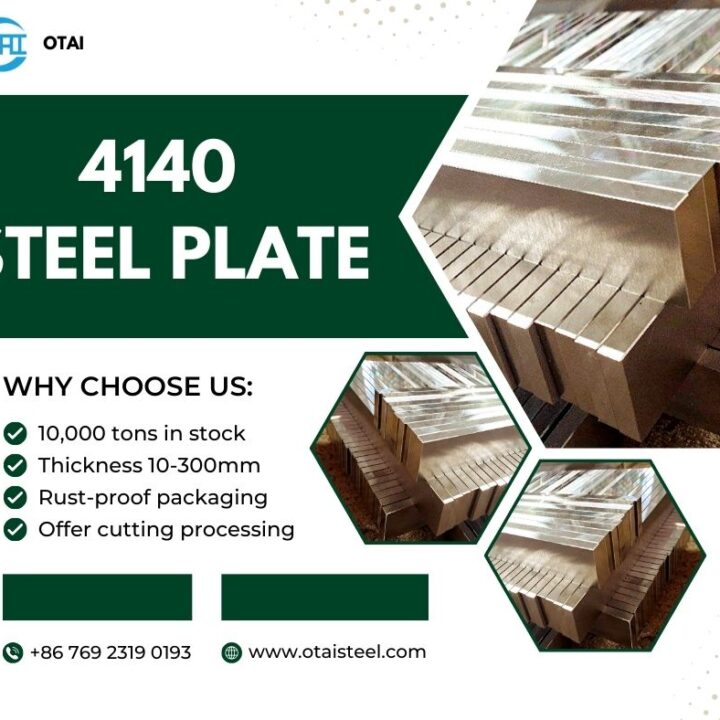
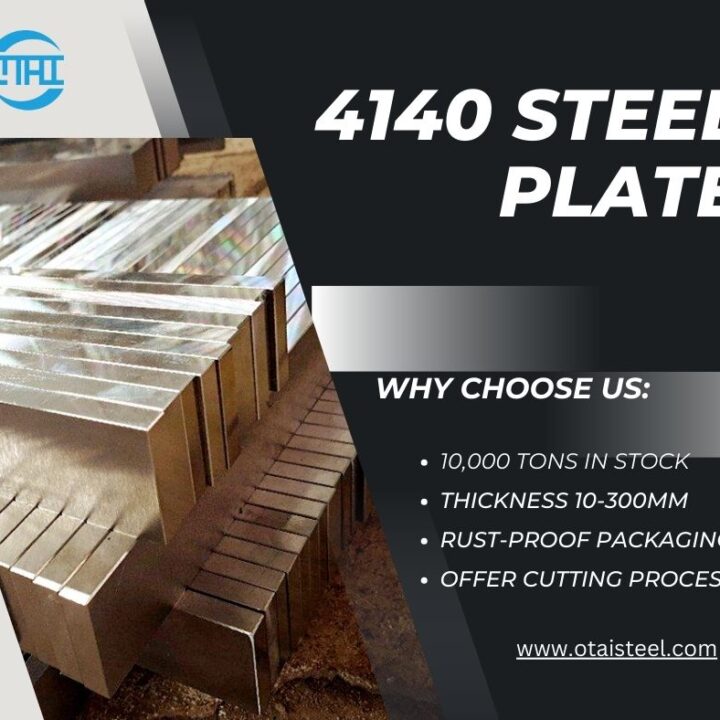
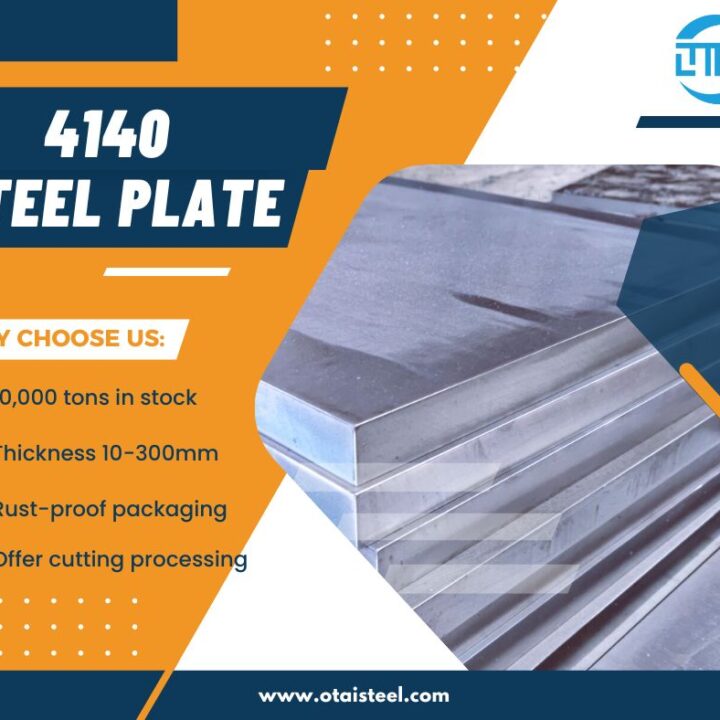
Extensive Inventory: With over 10,000 tons of steel available year-round, we ensure that we meet your material needs efficiently.
-
Custom Solutions: We provide cutting, heat treatment, and packaging tailored to your specific requirements.
-
Rigorous Testing: We offer ultrasonic testing (UT), chemical composition analysis, and third-party inspections to ensure top-quality steel that meets international standards.
-
Global Reach: Serving major industries worldwide, we are a trusted partner for companies in aerospace, automotive, oil and gas, and heavy machinery sectors.
❓ Frequently Asked Questions (FAQ)
Q1: What’s the main difference between 4340 steel and 4140 steel?
A1: 4340 steel is an alloy steel with added nickel, giving it superior toughness and fatigue resistance, making it ideal for aerospace and high-stress applications. 4140 steel, on the other hand, is more affordable and commonly used in machinery and automotive parts.
Q2: Can both 4340 and 4140 be heat-treated?
A2: Yes, both can undergo quenching and tempering. However, 4340 steel typically achieves better fatigue resistance and higher strength due to its alloying elements, particularly nickel.
Q3: Is 4340 steel better for aerospace applications than 4140 steel?
A3: Yes, 4340 steel is preferred in aerospace because of its superior toughness, strength, and fatigue resistance, which are essential for parts like landing gears and aircraft structural components.
Q4: How do I choose between 4340 and 4140 for my project?
A4: If you need high strength, fatigue resistance, and toughness in a demanding environment like aerospace or heavy machinery, 4340 is the better choice. However, for machinery parts, automotive components, and applications requiring good strength at an affordable price, 4140 might be more suitable.