 52100 Steel vs 4140: A Comprehensive Comparison
When it comes to alloy steels, both 52100 steel and 4140 steel are popular choices for manufacturing high-performance components. These two steels are used in a wide range of industries, including automotive, aerospace, and tooling, but their properties and ideal applications vary. This article compares 52100 steel and 4140 steel, highlighting their differences and helping you choose the best steel for your specific needs.
🔍 What is 52100 Steel?
52100 steel is a high-carbon chromium alloy steel, typically used for manufacturing bearings and other high-stress components. Its primary characteristic is its excellent hardness, wear resistance, and fatigue strength. Often referred to as a “bearing steel,” it is primarily designed for applications where components experience high contact pressure and need to maintain excellent dimensional stability.
-
Chemical Composition of 52100 Steel:
-
Carbon (C): 0.95–1.10%
-
Chromium (Cr): 1.30–1.60%
-
Manganese (Mn): 0.30–0.60%
-
Silicon (Si): 0.15–0.35%
-
Phosphorus (P): ≤ 0.025%
-
Sulfur (S): ≤ 0.025%
-
🔍 What is 4140 Steel?
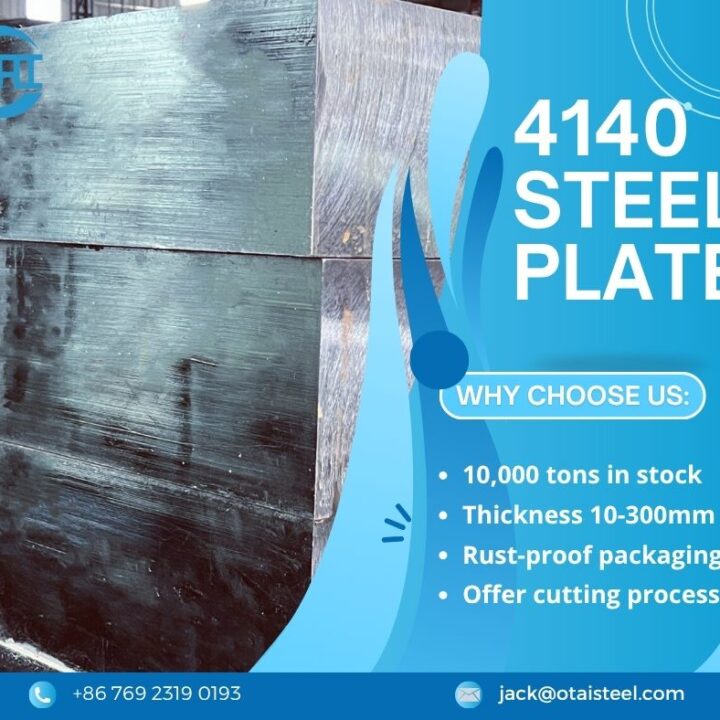
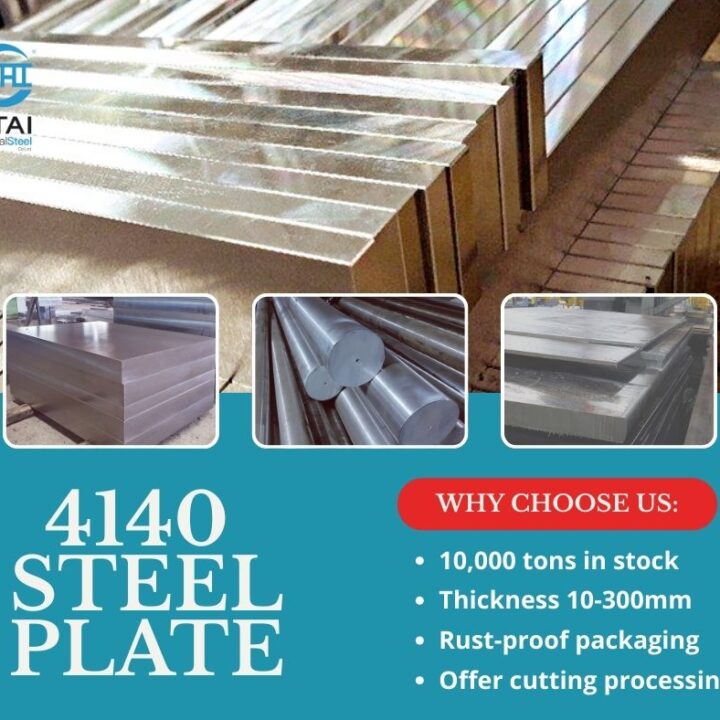
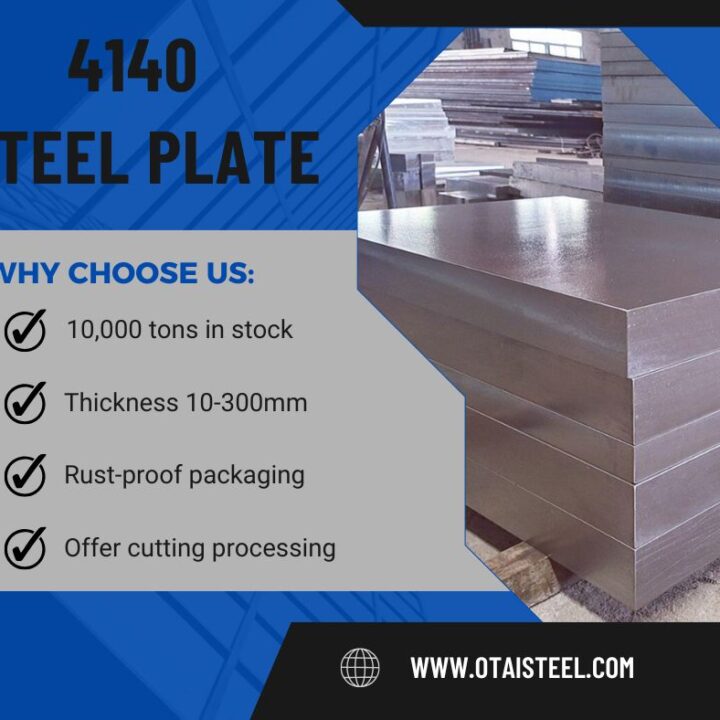
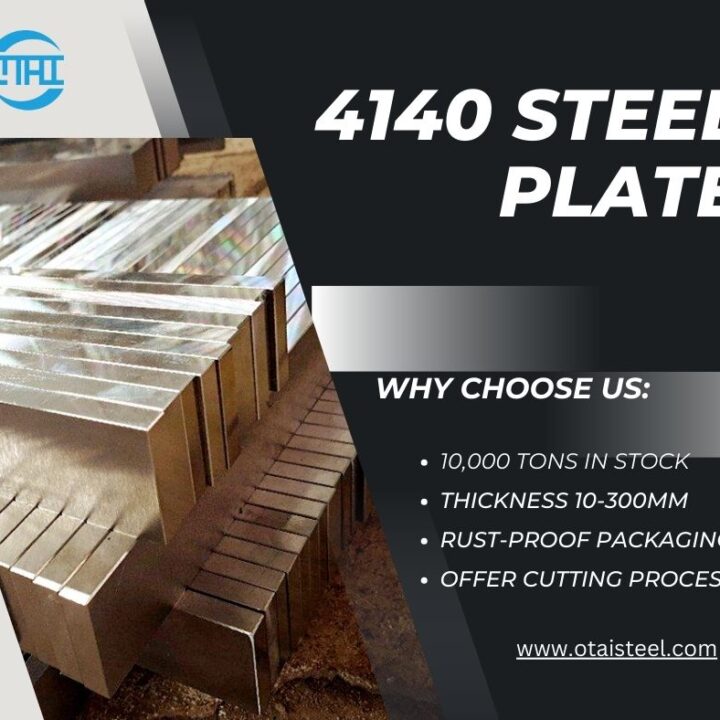
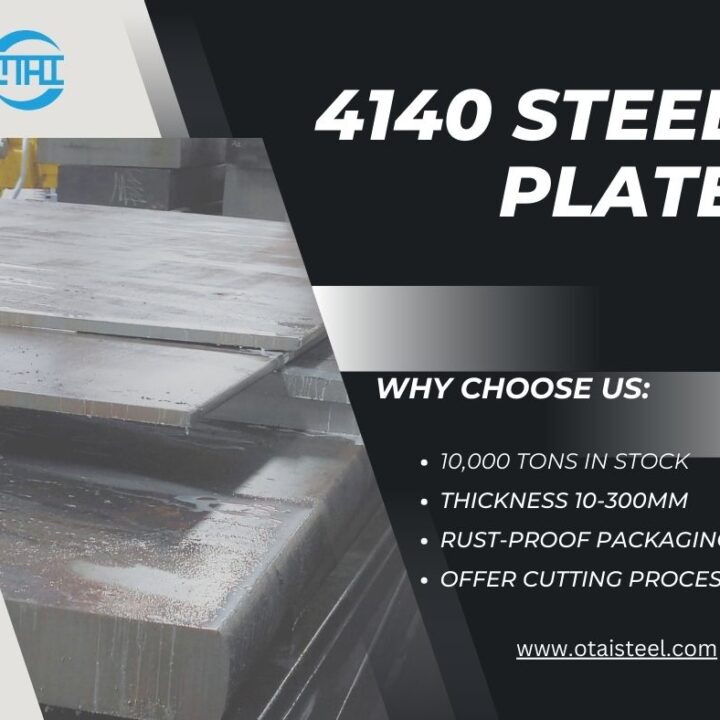
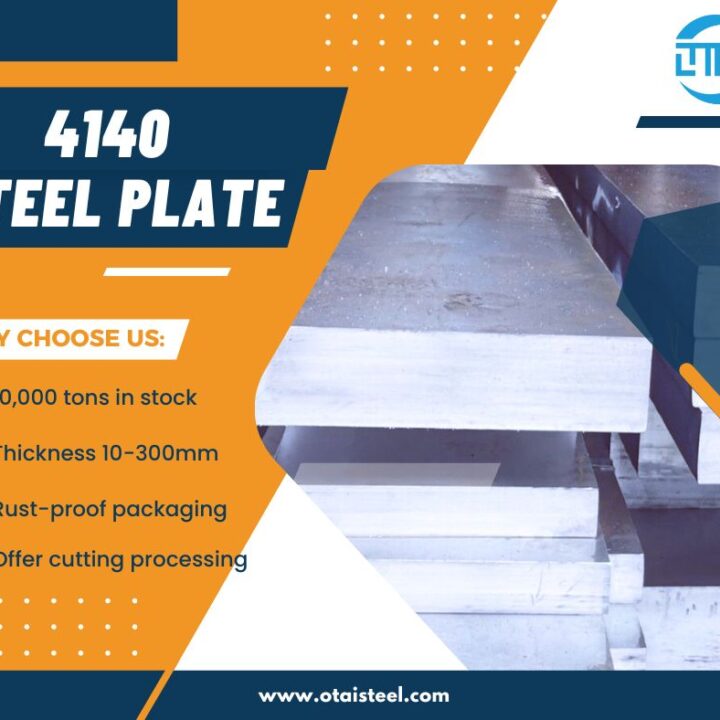
4140 steel is a medium-carbon chromium-molybdenum alloy steel that provides a good balance of strength, toughness, and wear resistance. Known for its versatility, 4140 steel is used in a wide variety of industries, including automotive, aerospace, and oil and gas. This alloy is ideal for parts that need to withstand heavy loads, high stress, and abrasion.
-
Chemical Composition of 4140 Steel:
-
Carbon (C): 0.38–0.43%
-
Manganese (Mn): 0.60–0.90%
-
Chromium (Cr): 0.80–1.10%
-
Molybdenum (Mo): 0.15–0.25%
-
Silicon (Si): 0.20–0.35%
-
🧪 Mechanical Properties: 52100 Steel vs 4140 Steel
Both 52100 and 4140 steels offer excellent mechanical properties, but their performance differs based on specific alloying elements and applications.
Tensile Strength
-
52100 Steel: Offers a tensile strength of about 1500–2000 MPa when heat treated, making it an ideal choice for high-stress components like bearings.
-
4140 Steel: Offers a tensile strength of approximately 1000–1200 MPa, which is suitable for medium-strength applications like shafts, gears, and tooling.
Yield Strength
-
52100 Steel: Exhibits a yield strength of around 1200–1500 MPa, making it well-suited for high-performance applications where high resistance to deformation is needed.
-
4140 Steel: Typically has a yield strength between 650–850 MPa, offering sufficient strength for parts subjected to moderate loads and stress.
Hardness
-
52100 Steel: Can achieve a hardness of 60–64 HRC after heat treatment, making it highly suitable for wear-resistant applications like bearings and rolling elements.
-
4140 Steel: Achieves a hardness of around 50–55 HRC after heat treatment, which is sufficient for general industrial applications but lower than 52100 in terms of hardness.
Fatigue Strength
-
52100 Steel: Known for its excellent fatigue strength, it is widely used in components that undergo repetitive loading cycles, such as ball bearings and rollers.
-
4140 Steel: Offers good fatigue strength but is generally not as high as 52100 steel, making it less suitable for heavy-load or high-cycle applications like bearings.
🧰 Applications: 52100 Steel vs 4140 Steel
52100 Steel Applications:
-
Bearings: Ideal for ball bearings, roller bearings, and needle bearings due to its excellent hardness and fatigue resistance.
-
Tooling: Used in dies, cutting tools, and wear-resistant components.
-
Aerospace: Often found in high-performance gears and rotor shafts due to its high strength and fatigue resistance.
-
Automotive: Used for components like camshafts and crankshafts, which experience high contact stresses.
4140 Steel Applications:
-
Automotive Components: Used in crankshafts, axles, gears, and suspension parts that require medium strength, good toughness, and abrasion resistance.
-
Aerospace: Used in aircraft landing gears, brackets, and structural parts that require high tensile strength and resistance to fatigue.
-
Oil & Gas: Commonly used for drilling rods, pipe fittings, and valves due to its good strength-to-weight ratio and impact toughness.
-
Industrial Equipment: Used for hydraulic cylinders, tooling, and machinery parts that demand high strength and resistance to wear.
⚖️ 52100 Steel vs 4140 Steel: Which is the Best Choice?
The decision between 52100 steel and 4140 steel depends on the specific requirements of your project. Here’s a quick comparison to help you choose the right one:
-
Choose 52100 Steel if your project demands:
-
High hardness and wear resistance.
-
Excellent fatigue strength for bearings and high-performance tools.
-
Ability to withstand repetitive loading cycles.
-
-
Choose 4140 Steel if your project requires:
-
Medium carbon content for strength, toughness, and machinability.
-
Ideal for applications like gears, shafts, and tooling that experience moderate stress.
-
A more cost-effective option for general industrial use.
-
🏆 Why Choose Otai Special Steel?
At Otai Special Steel, we supply 52100 steel and 4140 steel with excellent mechanical properties, durability, and performance. We offer a wide range of steel products tailored to meet your specific industry needs, including automotive, aerospace, and oil & gas. With services like custom cutting, heat treatment, and third-party inspections, we ensure top-quality materials for your next project.
❓ Frequently Asked Questions (FAQ)
Q1: Can I use 52100 steel for automotive components like crankshafts?
A1: Yes, 52100 steel is commonly used for high-performance automotive components, including crankshafts, due to its excellent hardness and fatigue resistance.
Q2: Is 4140 steel more cost-effective than 52100 steel?
A2: Yes, 4140 steel is typically more affordable compared to 52100 steel, making it a better choice for applications that require strength and toughness without the need for extreme hardness.
Q3: Can 52100 steel be used for tooling applications?
A3: Yes, 52100 steel is commonly used for cutting tools and wear-resistant tooling due to its high hardness and fatigue resistance.