 7075 Aluminum vs 4140 Steel: A Detailed Comparison
When selecting materials for high-performance applications in industries such as aerospace, automotive, and tooling, it’s crucial to understand the properties and strengths of different metals. Two materials that often come up in such discussions are 7075 aluminum and 4140 steel. Both have exceptional mechanical properties, but their specific advantages make them more suitable for different applications. In this article, we’ll compare 7075 aluminum and 4140 steel, examining their properties, uses, and performance in real-world conditions.
🔍 What is 7075 Aluminum?
7075 aluminum is one of the strongest aluminum alloys, known for its high strength-to-weight ratio, excellent fatigue resistance, and outstanding machinability. It’s primarily used in industries where strength and lightweight characteristics are critical. Common applications include aerospace, military, and high-performance sporting equipment.
-
Chemical Composition of 7075 Aluminum:
-
Aluminum (Al): Balance
-
Zinc (Zn): 5.1–6.1%
-
Magnesium (Mg): 2.1–2.9%
-
Copper (Cu): 1.2–2.0%
-
Chromium (Cr): 0.18–0.28%
-
Others (Iron, Silicon, Manganese, etc.): Trace amounts
-
🔍 What is 4140 Steel?
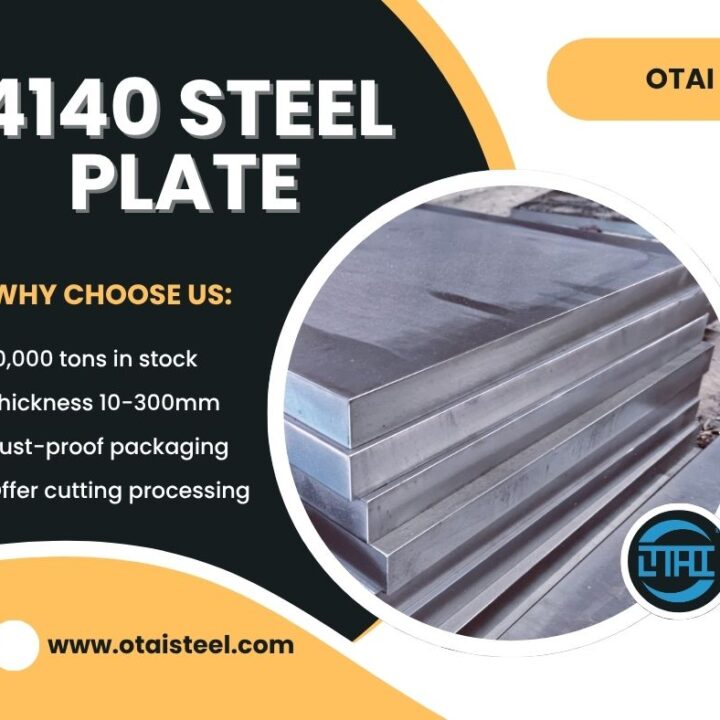
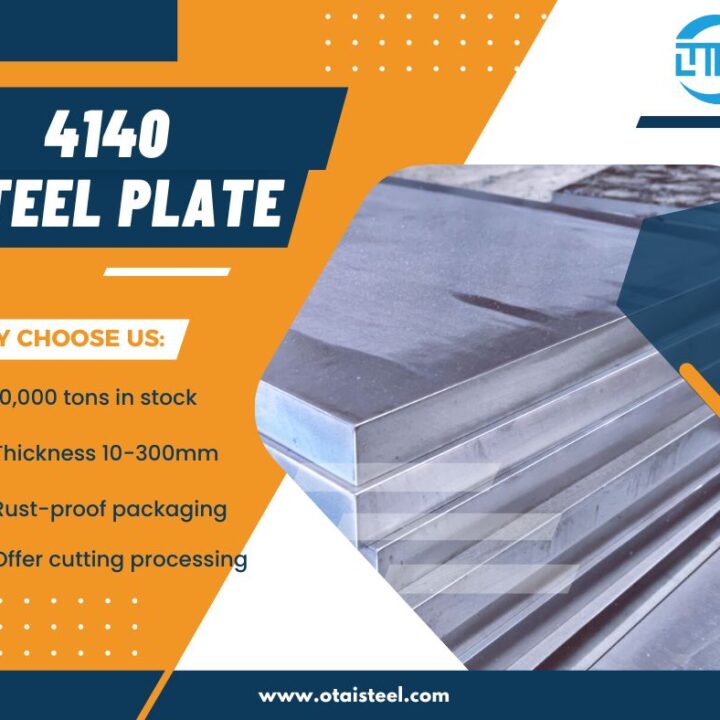
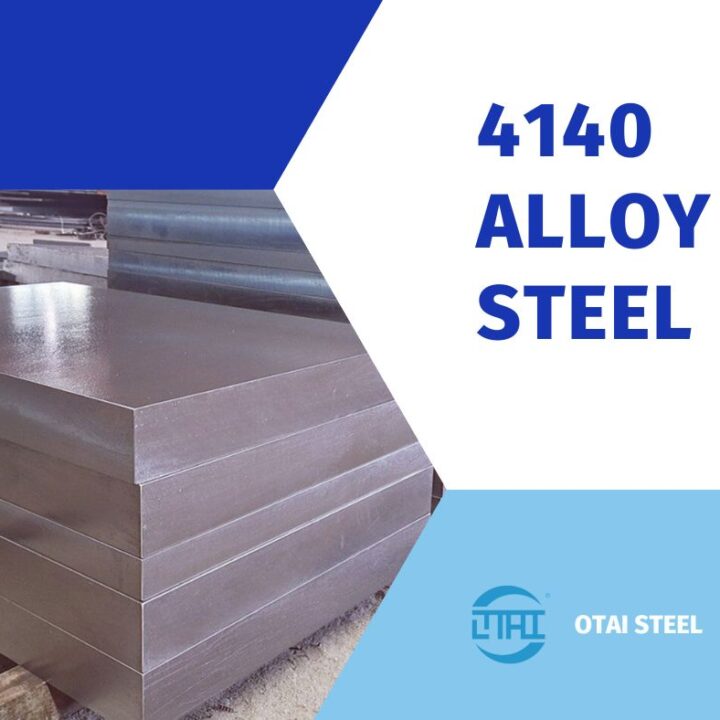
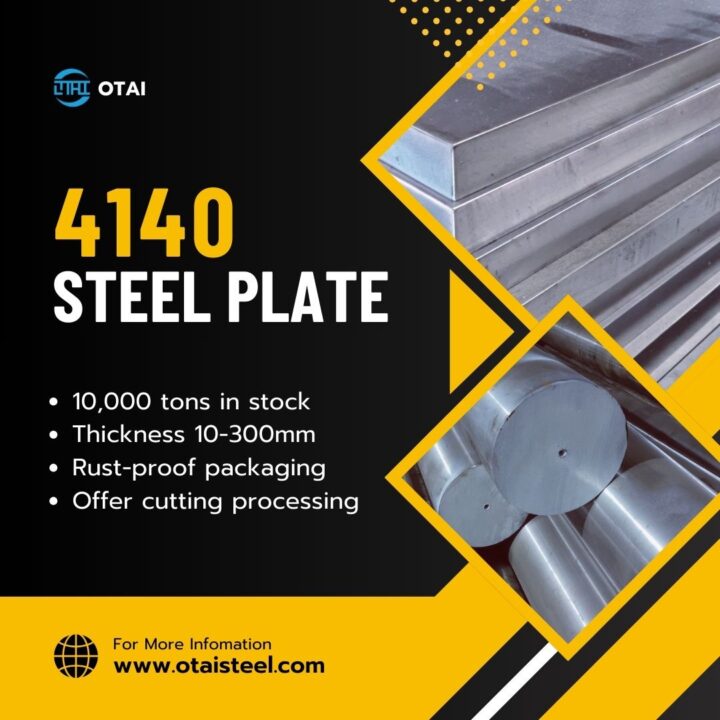
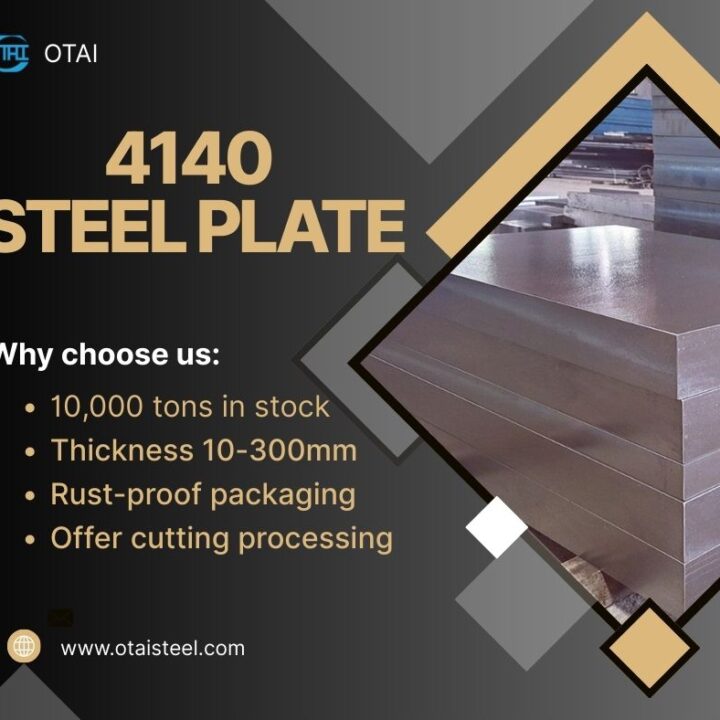
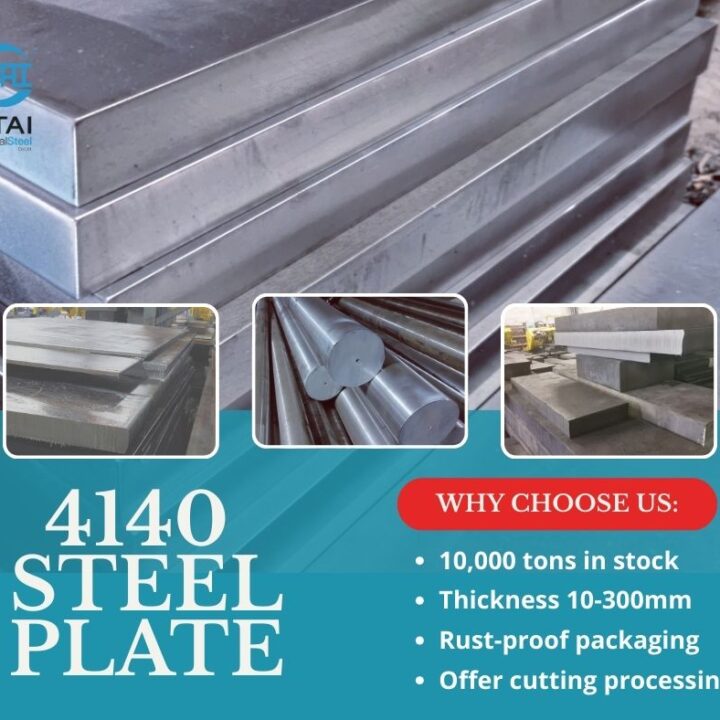
4140 steel is a chromium-molybdenum alloy steel, also known as a tool steel. It offers an excellent balance of strength, toughness, and wear resistance. Widely used in industries such as automotive, aerospace, and construction, 4140 steel is ideal for high-stress, high-temperature applications that require superior impact resistance and fatigue strength.
-
Chemical Composition of 4140 Steel:
-
Carbon (C): 0.38–0.43%
-
Manganese (Mn): 0.60–0.90%
-
Chromium (Cr): 0.80–1.10%
-
Molybdenum (Mo): 0.15–0.25%
-
Silicon (Si): 0.20–0.35%
-
🧪 Mechanical Properties: 7075 Aluminum vs 4140 Steel
While both 7075 aluminum and 4140 steel have excellent mechanical properties, their strengths lie in different areas due to the distinct characteristics of each material.
Tensile Strength
-
7075 Aluminum: Has a tensile strength of approximately 570 MPa in the annealed condition, and can reach up to 700–750 MPa after heat treatment. While not as strong as some steels, it offers an excellent strength-to-weight ratio.
-
4140 Steel: Offers a tensile strength of approximately 1000–1200 MPa in its normalized condition, making it a much stronger material compared to 7075 aluminum in terms of raw tensile strength.
Yield Strength
-
7075 Aluminum: The yield strength of 7075 aluminum ranges from 500 MPa (annealed) to 635 MPa (heat treated), providing a solid foundation for applications requiring good strength while maintaining lightweight properties.
-
4140 Steel: The yield strength of 4140 steel is between 650 MPa and 850 MPa, making it more suitable for applications requiring higher levels of resistance to deformation under load.
Hardness
-
7075 Aluminum: The hardness of 7075 aluminum is relatively high, typically around 150 HB in the T6 heat-treated condition, making it resistant to wear and scratching but not as hard as some steels.
-
4140 Steel: After heat treatment, 4140 steel can achieve a hardness of 50–55 HRC, making it significantly harder and more resistant to abrasion than 7075 aluminum.
Fatigue Strength
-
7075 Aluminum: Exhibits excellent fatigue resistance, which is why it is widely used in aerospace and military applications. Its resistance to cyclic loading makes it ideal for aircraft structures and rotating parts.
-
4140 Steel: 4140 steel also offers good fatigue strength, especially when heat treated. However, its fatigue resistance is generally lower than that of 7075 aluminum, which is better suited for high-cycle applications like aircraft landing gears.
🧰 Applications: 7075 Aluminum vs 4140 Steel
7075 Aluminum Applications:
-
Aerospace: Used for aircraft structures, landing gear, and airframes due to its high strength-to-weight ratio and fatigue resistance.
-
Military: Common in weapons, gun parts, and missile components where strength and low weight are crucial.
-
Sports Equipment: Often used in bicycle frames, fishing rods, and ski poles because it combines strength with lightness.
-
Marine: Used for boat hulls, marine hardware, and structural components exposed to harsh environmental conditions.
4140 Steel Applications:
-
Automotive: Used in the production of crankshafts, axles, gears, and suspension components requiring high strength and wear resistance.
-
Aerospace: Employed in aircraft landing gear components, brackets, and turbine shafts where toughness and resistance to fatigue are critical.
-
Oil and Gas: Used for drill pipes, valves, and wellhead equipment due to its resilience and resistance to corrosion under high pressure.
-
Industrial Tools: Ideal for tooling, hydraulic cylinders, and machinery parts exposed to abrasive wear and high impact.
⚖️ 7075 Aluminum vs 4140 Steel: Which Material Should You Choose?
Choose 7075 Aluminum if:
-
You need a lightweight material with excellent strength-to-weight ratio.
-
Your application involves cyclic loading, fatigue, or vibration resistance.
-
Weight reduction is a top priority (e.g., for aircraft, military or sporting equipment).
Choose 4140 Steel if:
-
You need higher tensile strength, hardness, and resistance to wear.
-
Your application involves components under heavy loads and high-stress environments.
-
Machinability and cost-effectiveness are more important than weight (e.g., for automotive or industrial tools).
🏆 Why Choose Otai Special Steel?
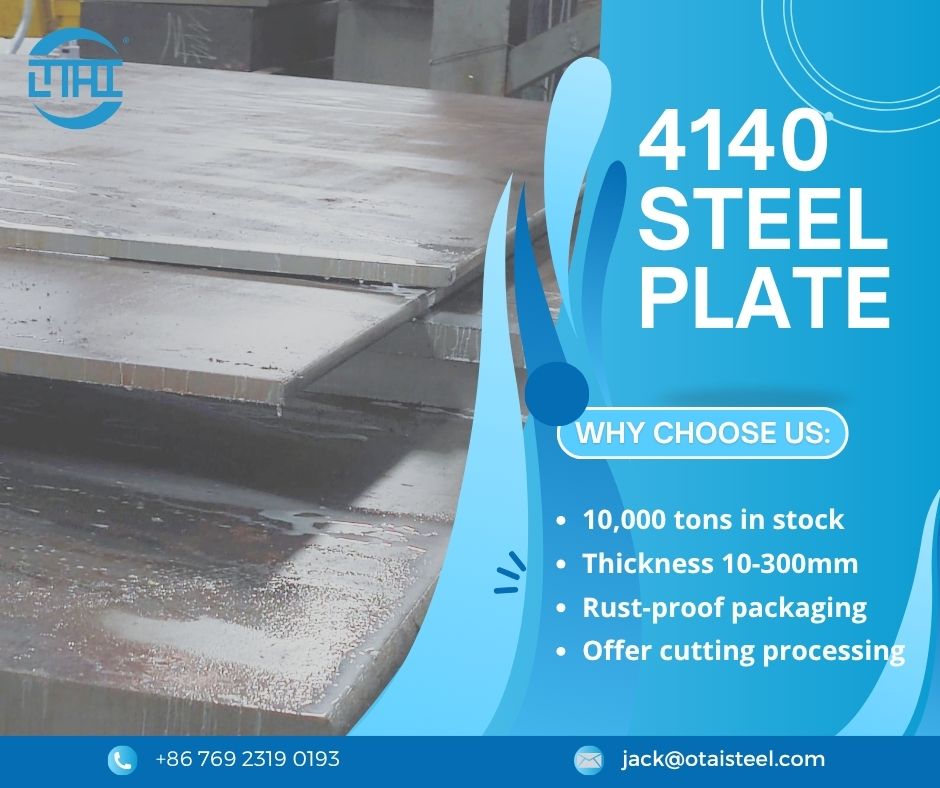
At Otai Special Steel, we provide high-quality 4140 steel and 7075 aluminum for a wide range of applications. We specialize in delivering custom-cut steel and aluminum plates, heat treatment services, and third-party inspections to ensure the highest quality and performance. Whether you’re working on a high-performance aerospace project or a heavy-duty automotive part, our team is ready to provide the materials and services that meet your specific needs.
❓ Frequently Asked Questions (FAQ)
Q1: Can I use 7075 aluminum for high-strength applications like aircraft landing gear?
A1: Yes, 7075 aluminum is widely used in aircraft landing gear and other aerospace components due to its excellent fatigue resistance and high strength-to-weight ratio.
Q2: Is 4140 steel better than 7075 aluminum for high-wear applications?
A2: Yes, 4140 steel is typically a better choice for abrasive wear and high-stress applications due to its superior hardness and resistance to impact.
Q3: Which material is more cost-effective, 7075 aluminum or 4140 steel?
A3: 4140 steel is generally more cost-effective than 7075 aluminum, making it a better option for industrial applications that do not require the lightweight properties of aluminum.