 Alloy 4140 Composition: The Perfect Blend for Strength and Toughness
Alloy 4140 is a widely used chromium-molybdenum alloy steel known for its excellent strength, toughness, and wear resistance. Its chemical composition plays a significant role in determining its performance, making it an ideal choice for a variety of demanding applications, including automotive, construction, aerospace, and tool making. In this article, we will explore the composition of 4140 alloy steel, why each component is important, and how these elements contribute to its overall properties.
🧪 What is Alloy 4140?
Alloy 4140 is a medium-carbon alloy steel containing chromium (Cr) and molybdenum (Mo) as its primary alloying elements. This combination provides excellent hardness, strength, and toughness, making it suitable for applications that require high performance under stress and extreme conditions. It is commonly found in gears, shafts, crankshafts, machine parts, and aerospace components.
The composition of 4140 alloy steel can vary slightly depending on the manufacturer and specific requirements, but it generally follows the basic guidelines established by standards such as AISI, SAE, and ASTM.
🧬 Chemical Composition of Alloy 4140
Here’s a breakdown of the primary elements in the composition of alloy 4140:
| Element | Content (%) |
|---|---|
| Carbon (C) | 0.38 – 0.43 |
| Chromium (Cr) | 0.80 – 1.10 |
| Molybdenum (Mo) | 0.15 – 0.25 |
| Manganese (Mn) | 0.60 – 0.90 |
| Silicon (Si) | 0.20 – 0.35 |
| Phosphorus (P) | 0.035 max |
| Sulfur (S) | 0.040 max |
| Iron (Fe) | Balance |
🔬 Key Elements in 4140 Alloy Steel Composition
Let’s dive deeper into the role each element plays in the 4140 alloy steel composition:
1. Carbon (C) – The Strength Provider
The carbon content in 4140 alloy ranges between 0.38% and 0.43%, making it a medium-carbon steel. Carbon is the primary element that influences the hardness and strength of the steel. Higher carbon content increases the hardness and tensile strength of the material. In 4140, the carbon provides a good balance between strength, ductility, and toughness, making it ideal for structural and high-stress applications.
-
Effect on Properties: Increased carbon content increases hardness and wear resistance but may reduce ductility.
2. Chromium (Cr) – The Toughness Enhancer
Chromium is a key alloying element in 4140 steel, typically present in the range of 0.80% to 1.10%. It improves the hardness, corrosion resistance, and toughness of the steel. Chromium also increases wear resistance, making 4140 alloy steel ideal for components exposed to high mechanical stress and abrasion.
-
Effect on Properties: Chromium adds resistance to wear and corrosion, making 4140 steel durable in harsh environments.
3. Molybdenum (Mo) – The Heat Resistance Contributor
Molybdenum is another important alloying element in 4140, with a typical content between 0.15% and 0.25%. It increases the steel’s ability to withstand high temperatures without losing its hardness. It also enhances the steel’s hardening depth and improves its strength and resistance to creep under high-stress conditions.
-
Effect on Properties: Molybdenum improves high-temperature performance, toughness, and resistance to wear.
4. Manganese (Mn) – The Hardenability Enhancer
Manganese is commonly present in 4140 steel in the range of 0.60% to 0.90%. It is an essential element that improves hardenability, meaning it helps the steel achieve uniform hardness throughout after heat treatment. It also plays a role in improving the strength and toughness of the steel.
-
Effect on Properties: Manganese boosts hardness, strength, and toughness, while also enhancing the hardenability of the steel.
5. Silicon (Si) – The Deoxidizer and Strengthener
Silicon is present in small quantities in 4140 steel, typically between 0.20% and 0.35%. It is used mainly as a deoxidizer during steel production to remove oxygen and prevent the formation of unwanted inclusions. Additionally, it helps to increase the strength and elasticity of the steel.
-
Effect on Properties: Silicon increases strength and elasticity, as well as helps remove oxygen during steelmaking.
6. Phosphorus (P) and Sulfur (S) – The Unwanted Impurities
Phosphorus and sulfur are considered impurities in steel that can negatively affect its properties. These elements are kept at low levels in 4140 alloy steel (phosphorus at 0.035% max and sulfur at 0.040% max) to avoid brittleness and reduce weldability. Excessive amounts of these elements can lead to poor toughness and fatigue resistance.
-
Effect on Properties: Phosphorus and sulfur reduce toughness, weldability, and fatigue resistance.
7. Iron (Fe) – The Base Element
Iron is the main constituent of 4140 alloy steel, and it makes up the majority of the composition. It gives the steel its overall formability and strength, acting as the base material to which other elements are added for specific enhancements.
-
Effect on Properties: Iron forms the foundation of 4140 steel, providing strength and formability.
🏗️ Applications of 4140 Alloy Steel
Thanks to its unique composition, 4140 alloy steel is used in a wide variety of high-performance applications. Here are some of its most common uses:
-
Automotive Industry: Manufacturing of gears, shafts, crankshafts, and suspension parts that require high strength and toughness.
-
Oil & Gas: Components such as drill rods, couplings, and valves that endure harsh environments and extreme stress.
-
Construction: Used in the fabrication of structural components, machine parts, and tools that require high durability.
-
Aerospace: Components like engine parts and landing gear that require strength, resilience, and temperature resistance.
-
Tool Making: Dies, molds, and cutting tools benefit from the wear resistance and strength of 4140 alloy steel.
⚙️ Why Choose Otai Special Steel for Your 4140 Alloy Steel Needs?
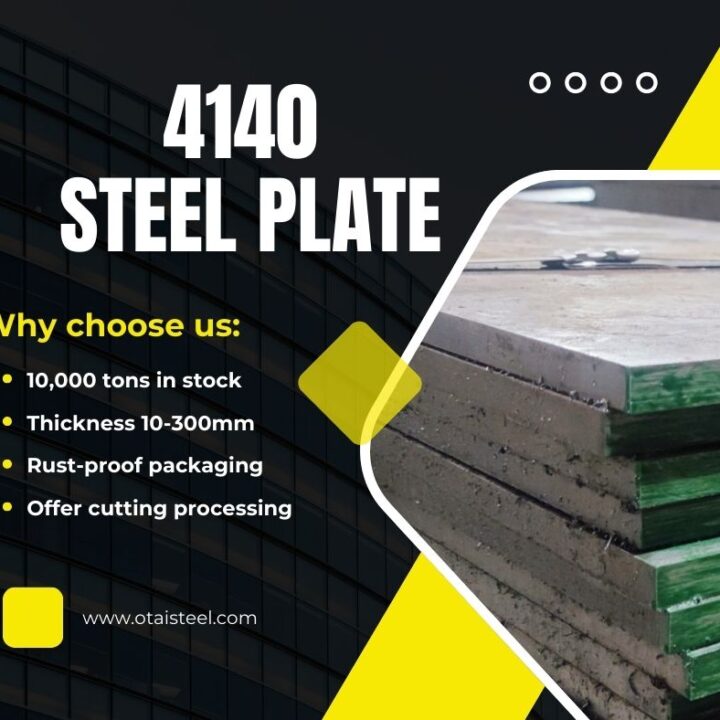
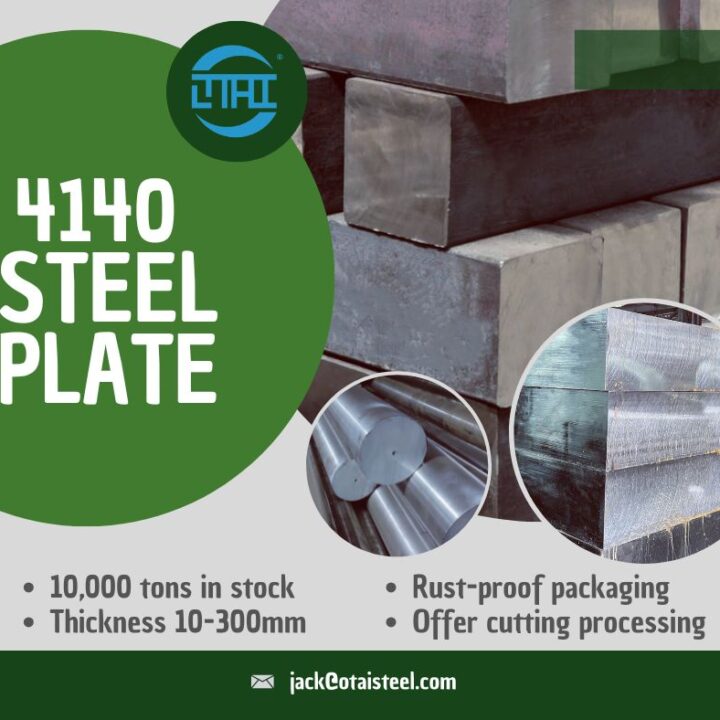
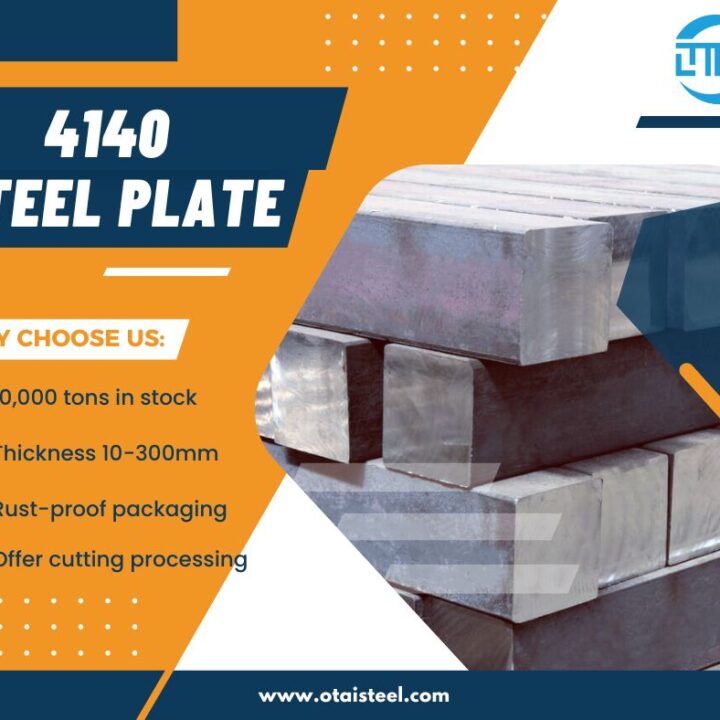
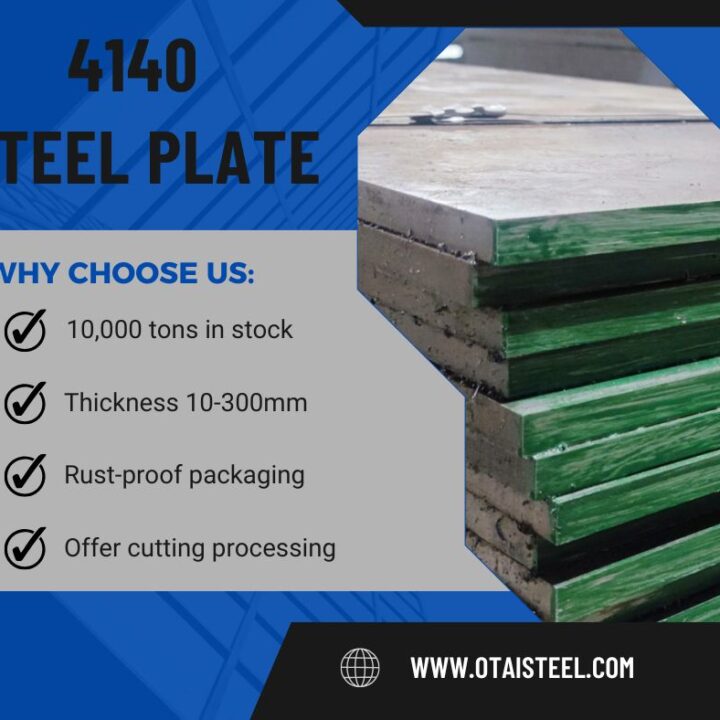
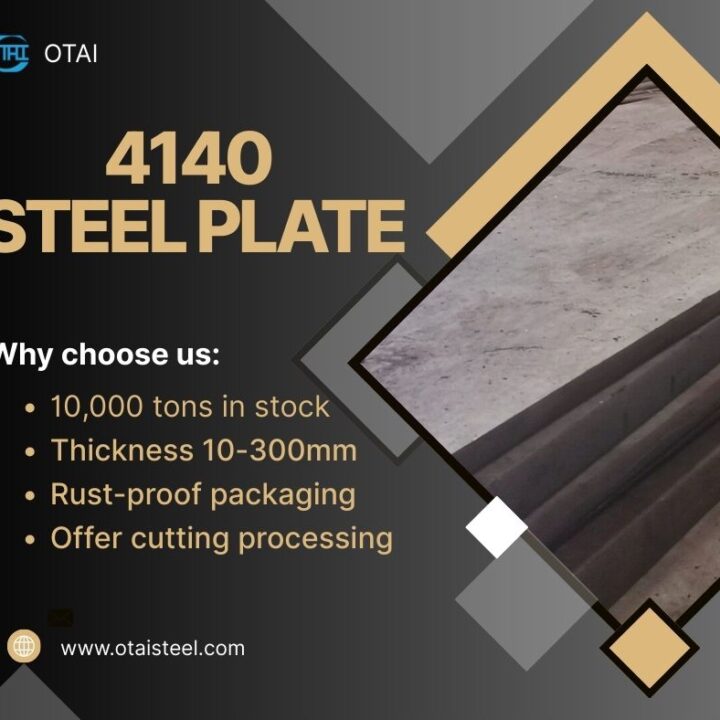
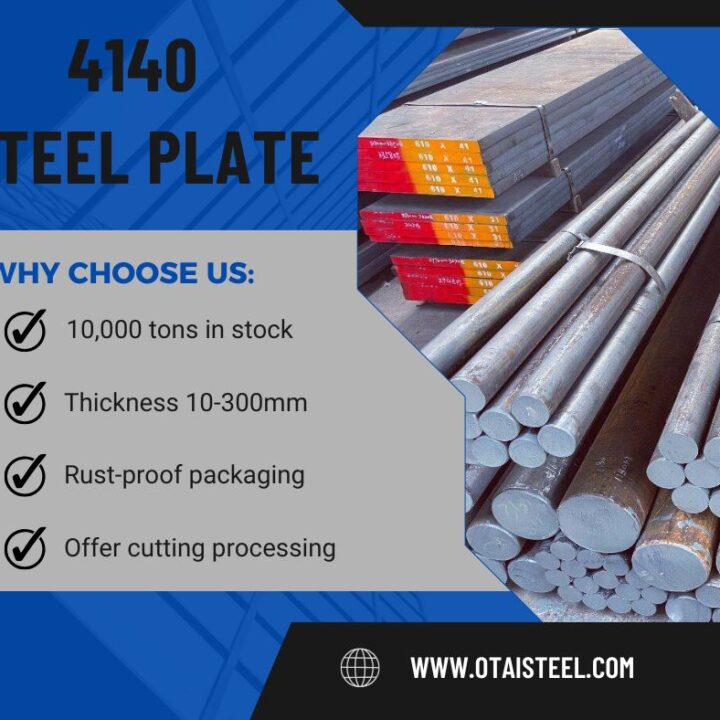
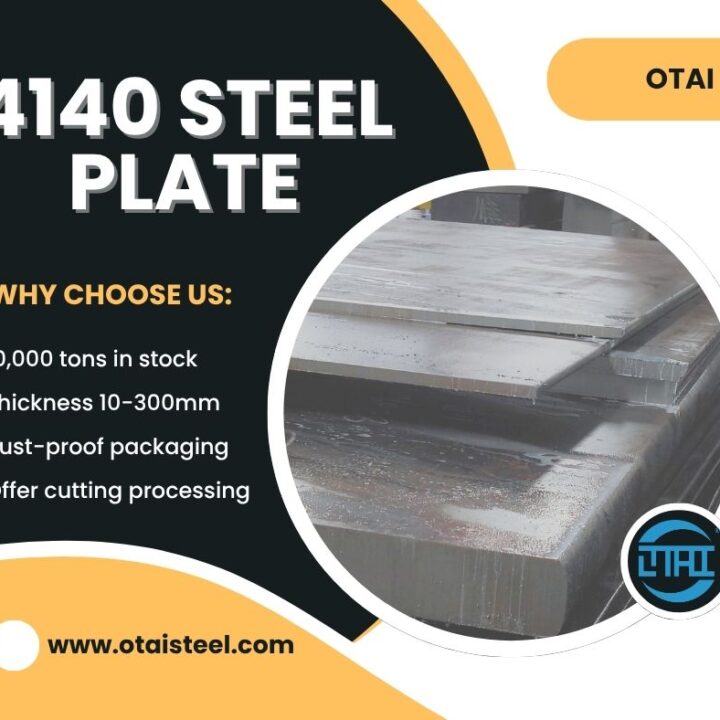
At Otai Special Steel, we offer top-quality 4140 alloy steel with various value-added services, including cutting, heat treatment, and global shipping. Whether you’re looking for 4140 alloy steel plate, bar stock, or customized parts, we can supply materials that meet your exact specifications. Here’s why you should choose us:
| Benefit | Details |
|---|---|
| Extensive Inventory | We carry a large selection of 4140 alloy steel in various sizes and forms to suit your project needs. |
| Customized Solutions | We offer customized cutting, heat treatment, and packaging to meet your exact specifications. |
| Global Shipping | We provide global delivery for all 4140 alloy steel orders, ensuring timely service regardless of location. |
| Quality Assurance | Our 4140 alloy steel is tested for quality and conforms to the highest standards in the industry. |
❓ FAQ: Frequently Asked Questions About 4140 Alloy Steel Composition
Q1: What is the main alloying element in 4140 steel?
A1: The primary alloying elements in 4140 steel are chromium (Cr) and molybdenum (Mo). These elements provide the steel with enhanced strength, toughness, and wear resistance.
Q2: How does carbon content affect the properties of 4140 steel?
A2: The carbon content in 4140 steel (ranging from 0.38% to 0.43%) gives the material its hardness and strength. Higher carbon content results in increased hardness, but it can reduce ductility.
Q3: Is 4140 steel heat-treatable?
A3: Yes, 4140 steel can be heat treated to achieve higher hardness and strength, making it highly customizable for various applications.