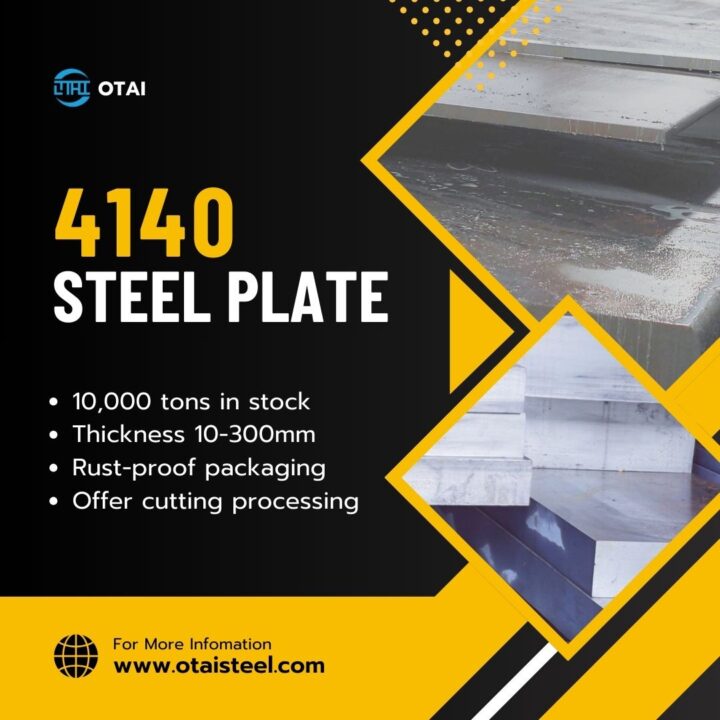
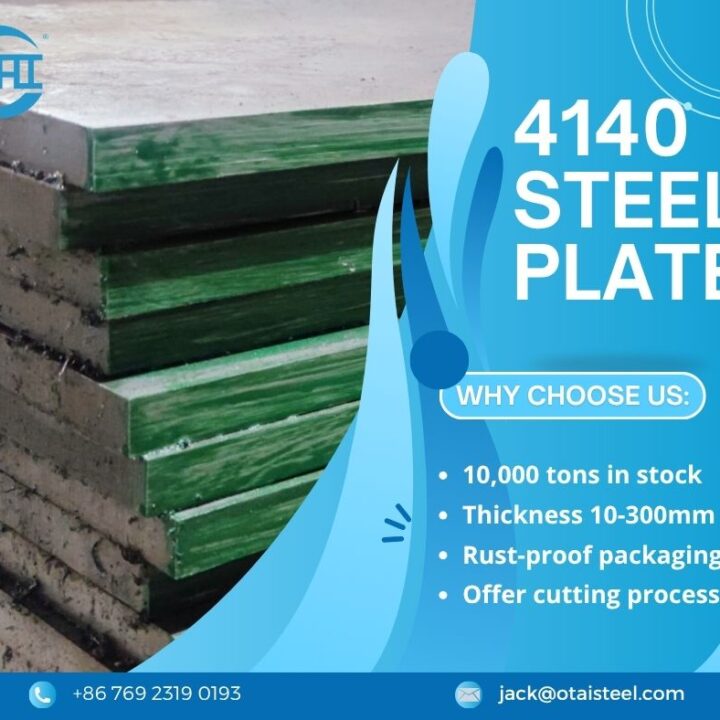
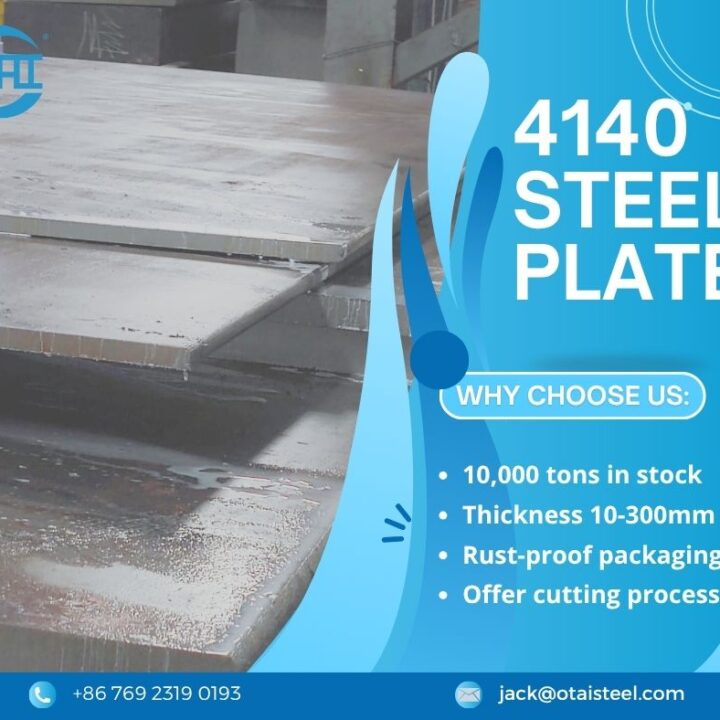
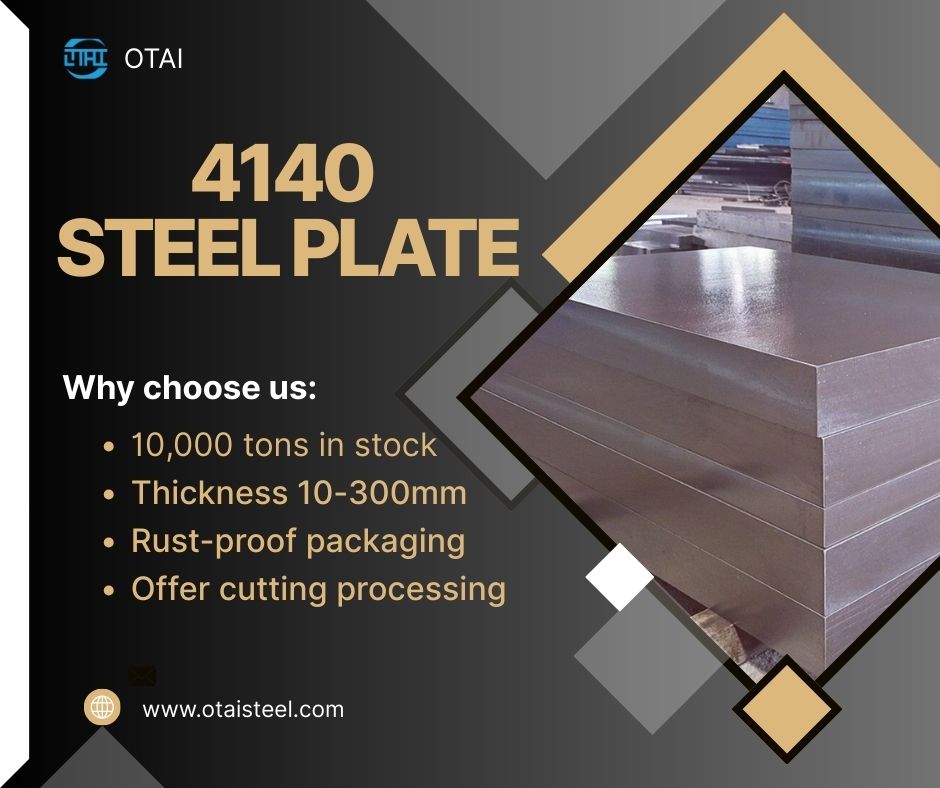
 ASTM 4140 Steel Properties: Why choose it for Industrial Applications
ASTM 4140 steel is a low-alloy steel that offers a versatile balance of strength, toughness, and wear resistance, making it one of the most popular materials in industries such as automotive, aerospace, oil and gas, and heavy machinery. Understanding the properties of ASTM 4140 steel is crucial for selecting the right material for your projects. In this article, we will delve into the key properties of ASTM 4140 steel, how its mechanical characteristics benefit various applications, and why it remains a top choice for demanding industries.
🌟 What is ASTM 4140 Steel?
ASTM 4140 steel is part of the AISI 4140 series, which is a low-alloy steel containing chromium, molybdenum, and carbon as its main alloying elements. This composition provides the steel with excellent toughness, strength, and resistance to wear. ASTM 4140 is often heat-treated to improve its mechanical properties, making it suitable for a wide range of industrial applications.
The ASTM standard refers to the specification for 4140 steel that defines its chemical composition, mechanical properties, and heat treatment processes. ASTM 4140 steel is commonly used in applications that require a combination of strength, toughness, and fatigue resistance.
🔧 Key Properties of ASTM 4140 Steel
Here are the key mechanical properties of ASTM 4140 steel, which make it an ideal material for heavy-duty applications:
1. Tensile Strength
Tensile strength is the maximum stress a material can withstand before breaking. ASTM 4140 steel has a high tensile strength range of 850 MPa to 1000 MPa when heat-treated. This makes it ideal for components that need to resist stretching or breaking under load.
-
Normalized Condition: ASTM 4140 offers tensile strength in the range of 620 MPa to 850 MPa.
-
Quenched and Tempered Condition: In this heat-treated condition, tensile strength can reach up to 1000 MPa, providing superior strength for demanding applications.
2. Yield Strength
The yield strength of ASTM 4140 steel is the stress level at which the material starts to deform plastically. It typically ranges from 600 MPa to 900 MPa, depending on the heat treatment process.
-
Normalized 4140: Yield strength ranges from 450 MPa to 600 MPa.
-
Quenched and Tempered 4140: Yield strength increases to 670 MPa to 900 MPa, offering better performance under high-stress conditions.
3. Hardness
Hardness measures a material’s resistance to indentation and scratching. ASTM 4140 steel has high hardness values, which can be enhanced through heat treatment:
-
Normalized Condition: Hardness typically falls between 22 to 30 HRC (Rockwell C scale).
-
Quenched and Tempered Condition: Hardness can increase to 28 to 35 HRC, providing enhanced wear resistance for parts exposed to friction and abrasion.
4. Impact Toughness
Impact toughness measures a material’s ability to absorb energy before fracturing. ASTM 4140 steel has good impact toughness, which allows it to withstand sudden loads or shocks without failing. This is especially important for parts that experience dynamic stresses, such as gears or shafts.
-
Normalized 4140: It has good impact toughness, typically ranging from 40 to 60 J at room temperature.
-
Quenched and Tempered 4140: The impact toughness can be excellent, offering superior resistance to shocks.
5. Ductility
Ductility refers to a material’s ability to deform before fracture, which is crucial for components subjected to tensile or bending stresses. ASTM 4140 steel has good ductility, which means it can stretch or bend to some extent without breaking.
-
Normalized 4140: Exhibits higher ductility, which makes it easier to machine and form.
-
Quenched and Tempered 4140: Though it becomes harder and stronger, ductility is somewhat reduced compared to the normalized version.
🏗️ Applications of ASTM 4140 Steel
Due to its high strength, toughness, and wear resistance, ASTM 4140 steel is widely used in several demanding industries. Below are some common applications where 4140 steel is essential:
| Industry | Applications | Reason for Use |
|---|---|---|
| Automotive | Gears, Shafts, Crankshafts, Suspension Components | High strength, wear resistance, and fatigue resistance |
| Aerospace | Aircraft Structural Parts, Landing Gear | Durability under high stress, impact toughness |
| Oil and Gas | Drill Pipes, Downhole Tools | Wear resistance, high strength, resistance to fatigue |
| Heavy Machinery | Gearboxes, Machine Frames, Crankshafts | Durability under heavy loads and high mechanical stresses |
1. Automotive Industry
In the automotive industry, ASTM 4140 steel is commonly used for components that require high strength and resistance to wear, such as gears, crankshafts, and suspension parts. The material’s excellent fatigue resistance and ability to withstand high impact make it a perfect choice for high-performance vehicles.
2. Aerospace Industry
In aerospace, ASTM 4140 steel is used for critical structural components, including landing gear and other high-stress parts. Its ability to absorb shock and maintain strength under extreme conditions is vital for maintaining the integrity of aircraft during takeoff, landing, and in-flight operations.
3. Oil and Gas Industry
The oil and gas industry relies on ASTM 4140 steel for applications such as drill pipes and downhole tools, where materials are subjected to extreme pressure and wear. 4140 steel’s toughness, resistance to fatigue, and wear resistance make it ideal for these harsh environments.
4. Heavy Machinery
In heavy machinery, parts such as gears, crankshafts, and machine frames benefit from the exceptional strength and durability of ASTM 4140 steel. Its ability to endure heavy mechanical stresses makes it ideal for machinery used in construction, mining, and other heavy-duty industries.
🏆 Why Choose Otai Special Steel for ASTM 4140 Steel?
Otai Special Steel is a leading supplier of ASTM 4140 steel with the following advantages:
-
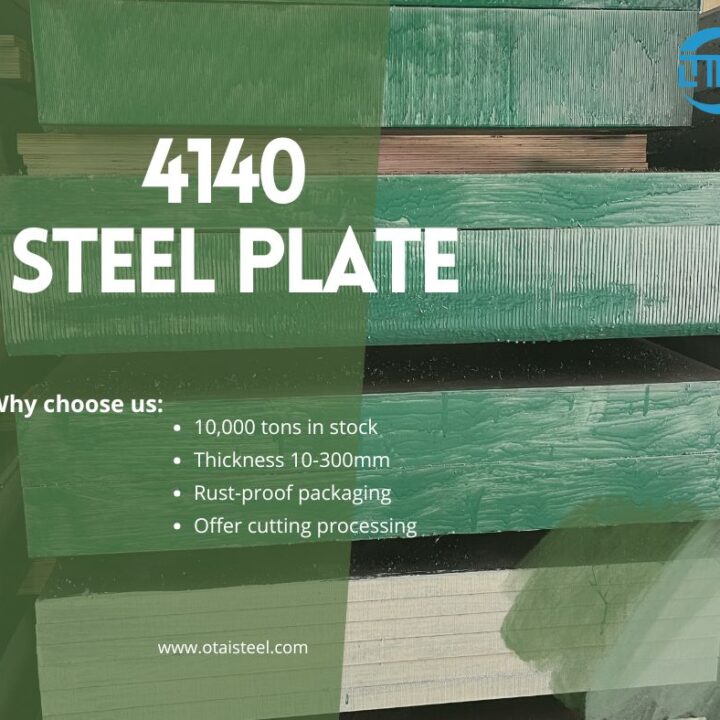
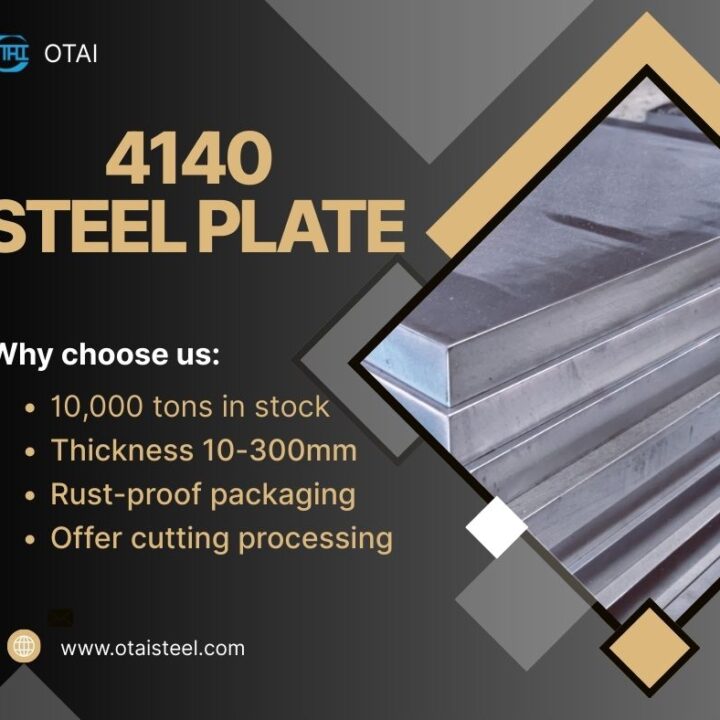
Extensive Inventory: We maintain a large inventory of over 10,000 tons of steel available year-round, ensuring that we can fulfill orders quickly and reliably.
-
Customization: We offer tailored services including cutting, heat treatment, and packaging, so you get exactly what you need for your specific applications.
-
Quality Assurance: Every batch of ASTM 4140 steel undergoes stringent quality control processes, including chemical composition testing and ultrasonic inspection, ensuring that it meets international standards.
-
Global Supply: With years of experience serving top international clients, we have the capacity to deliver high-quality ASTM 4140 steel to companies around the world.
❓ FAQ: Common Questions About ASTM 4140 Steel
Q1: What is the difference between ASTM 4140 steel and other alloy steels?
A1: ASTM 4140 steel contains chromium and molybdenum, which provide it with excellent wear resistance, hardness, and toughness. Compared to other alloy steels, 4140 steel offers a better combination of these properties, making it suitable for high-stress applications.
Q2: Can ASTM 4140 steel be welded?
A2: Yes, ASTM 4140 steel can be welded, but it is important to preheat the material before welding and to perform post-weld heat treatment to avoid cracking and distortion, especially when using the quenched and tempered version.
Q3: How does heat treatment affect the mechanical properties of ASTM 4140 steel?
A3: Heat treatment significantly improves the strength, hardness, and fatigue resistance of ASTM 4140 steel. In the quenched and tempered condition, it has higher tensile strength, yield strength, and hardness compared to the normalized or annealed versions.