 ASTM specification for 4140 steel: Understanding Standards and Requirements
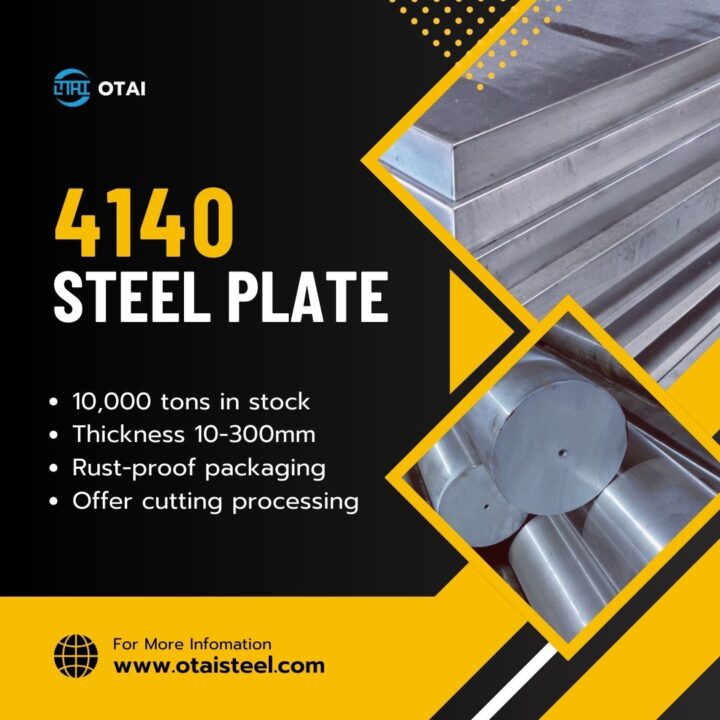
4140 steel is a widely used alloy in various industries, known for its excellent combination of strength, toughness, and wear resistance. It is commonly used in automotive, aerospace, and industrial applications for components such as gears, shafts, and crankshafts. When selecting 4140 steel for a specific application, it’s crucial to ensure that it meets the necessary standards for quality and performance. The ASTM (American Society for Testing and Materials) provides specifications that define the mechanical and chemical properties of 4140 steel, ensuring consistency and reliability.
In this article, we will dive into the ASTM specification for 4140 steel, explain its key features, and highlight why it’s important for engineers and manufacturers to adhere to these standards.
🏗️ What is ASTM?
The ASTM International, formerly known as the American Society for Testing and Materials, is an international organization that develops and publishes technical standards for a wide range of materials, products, systems, and services. ASTM standards are used globally to ensure that materials meet specific performance requirements and quality criteria.
For 4140 steel, the most common ASTM specification is A29/A29M, which outlines the requirements for various alloy steels used in general industrial applications. Other related ASTM specifications, such as A519 (for seamless mechanical tubing) and A572 (for high-strength low-alloy structural steels), may also apply depending on the intended use.
🔧 Key Features of ASTM A29/A29M for 4140 Steel
The ASTM A29/A29M specification for 4140 steel includes guidelines for the chemical composition, mechanical properties, and heat treatment of the material. Below are the key features that this standard covers:
1. Chemical Composition of 4140 Steel
The chemical composition of 4140 steel is one of the primary factors that define its mechanical properties. The ASTM specification for 4140 steel outlines the following typical chemical composition:
-
Carbon (C): 0.38% – 0.43%
-
Manganese (Mn): 0.60% – 0.90%
-
Chromium (Cr): 0.80% – 1.10%
-
Molybdenum (Mo): 0.15% – 0.25%
-
Silicon (Si): 0.20% – 0.35%
-
Phosphorus (P): ≤ 0.035%
-
Sulfur (S): ≤ 0.035%
These alloying elements work together to provide 4140 steel with its excellent strength, hardness, toughness, and wear resistance. Chromium and molybdenum enhance the steel’s hardenability and fatigue resistance, while manganese improves the material’s strength and ductility.
2. Mechanical Properties of 4140 Steel
The ASTM A29/A29M specification for 4140 steel defines specific mechanical properties that the material must meet. These properties ensure that 4140 steel can perform reliably in high-stress applications.
Typical mechanical properties of 4140 steel (depending on heat treatment) include:
-
Tensile Strength: 95 – 130 ksi (655 – 895 MPa)
-
Yield Strength: 60 – 80 ksi (415 – 550 MPa)
-
Elongation: 20% (min)
-
Hardness: 28 – 32 HRC (in the quenched and tempered condition)
These properties make 4140 steel suitable for applications requiring strength, impact resistance, and fatigue resistance, such as gears, crankshafts, and axles.
3. Heat Treatment and Hardening
The ASTM A29/A29M standard specifies that 4140 steel can be quenched and tempered to achieve the desired mechanical properties. The heat treatment process typically involves:
-
Heating the steel to a temperature range of 1600°F to 1650°F (871°C to 899°C).
-
Quenching it in oil, water, or polymer solution to cool rapidly and form a hard martensitic structure.
-
Tempering the steel at a lower temperature (usually between 400°F to 1200°F or 204°C to 649°C) to relieve stresses and achieve the desired hardness and toughness balance.
This treatment process is essential for improving the fatigue strength and resistance to wear of 4140 steel.
🔨 Why ASTM Specifications for 4140 Steel Matter
Adhering to ASTM specifications ensures that 4140 steel meets industry standards for quality, performance, and consistency. Some reasons why the ASTM spec for 4140 steel is important include:
1. Ensures Consistency
-
By following the ASTM A29/A29M specification, manufacturers can produce 4140 steel with consistent chemical composition and mechanical properties, ensuring the material performs reliably in its intended applications.
2. Quality Assurance
-
ASTM standards include detailed guidelines for testing and inspecting the material to ensure it meets the required specifications. This helps prevent defects and ensures the steel’s performance under high-stress conditions.
3. Global Acceptance
-
ASTM standards are widely recognized and accepted around the world. Adhering to these specifications makes 4140 steel compatible with international engineering and manufacturing requirements.
4. Design Flexibility
-
Knowing the chemical composition and mechanical properties of 4140 steel allows engineers to design components that will perform reliably in specific applications. The material’s versatility makes it ideal for various uses, from automotive components to aerospace parts.
📊 Comparison of 4140 Steel with Other Alloy Steels
To better understand how 4140 steel compares to other alloy steels in terms of mechanical properties and chemical composition, here’s a comparison:
| Material | Carbon (C) | Manganese (Mn) | Chromium (Cr) | Molybdenum (Mo) | Applications |
|---|---|---|---|---|---|
| 4140 Steel | 0.38% – 0.43% | 0.60% – 0.90% | 0.80% – 1.10% | 0.15% – 0.25% | Automotive parts, gears, shafts, machinery |
| AISI 1045 Steel | 0.45% | 0.60% – 0.90% | – | – | General engineering, shafts |
| AISI 4145 Steel | 0.40% – 0.48% | 0.70% – 0.90% | 0.80% – 1.10% | 0.15% – 0.25% | Oil and gas, drilling components |
| AISI 4340 Steel | 0.38% – 0.43% | 0.60% – 0.80% | 0.70% – 0.90% | 0.15% – 0.25% | Aerospace, heavy machinery, automotive |
| AISI 4130 Steel | 0.28% – 0.33% | 0.60% – 0.90% | 0.80% – 1.10% | 0.15% – 0.25% | Aerospace, military, automotive |
As shown in the table, 4140 steel offers a well-balanced combination of strength and toughness, making it a popular choice for a wide range of applications, including automotive, machinery, and aerospace industries.
🏆 Why Choose Otai Special Steel for Your 4140 Steel Needs?
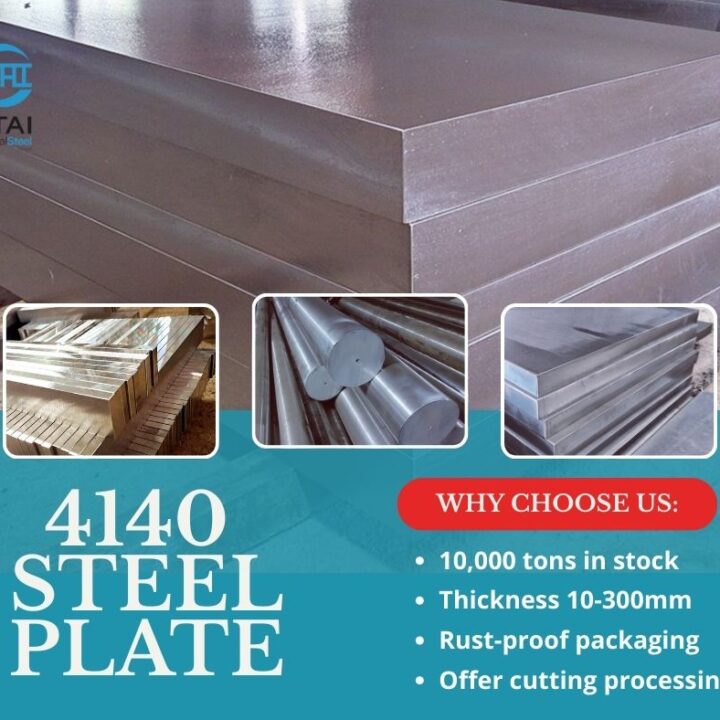
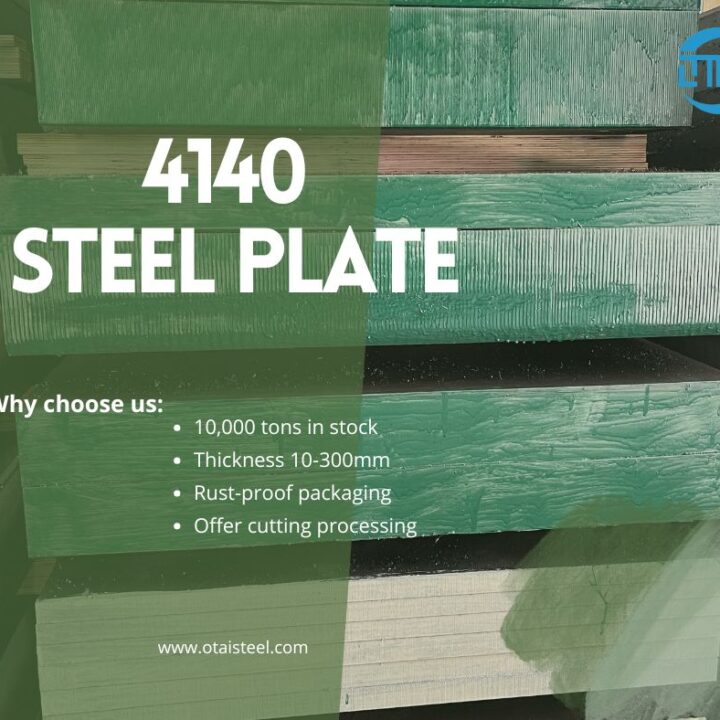
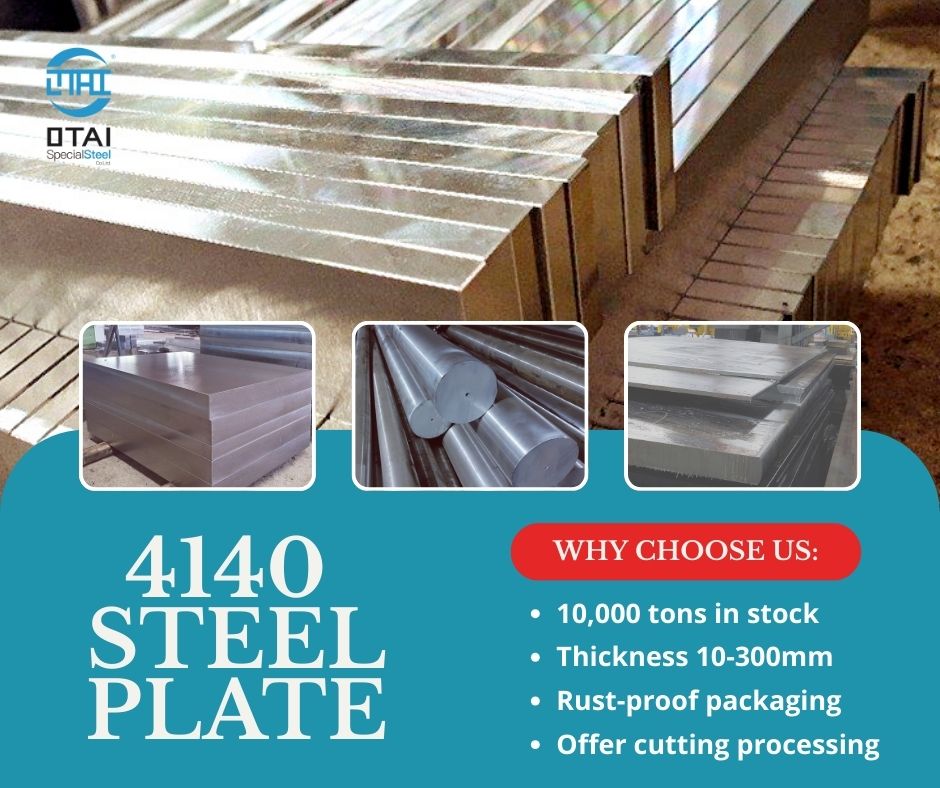
At Otai Special Steel, we offer high-quality 4140 steel that meets the ASTM A29/A29M specification, ensuring top-tier performance in your applications. We provide custom cutting, heat treatment, and packaging services to ensure that the material fits your exact needs.
Advantages of Working with Otai Special Steel:
-
Premium Materials: We provide 4140 steel that meets ASTM A29/A29M standards for strength, toughness, and wear resistance.
-
Customization: We offer custom cutting, heat treatment, and machining to meet your specific requirements.
-
Competitive Pricing: We offer high-performance steel at competitive prices, ensuring excellent value.
-
Fast Delivery: With our extensive inventory, we ensure fast and reliable delivery to meet your deadlines.
❓ Frequently Asked Questions (FAQ)
Q1: What is the ASTM specification for 4140 steel?
-
A1: The most common ASTM specification for 4140 steel is A29/A29M, which outlines the material’s chemical composition, mechanical properties, and heat treatment requirements.
Q2: Why is the ASTM A29/A29M specification important for 4140 steel?
-
A2: The ASTM A29/A29M specification ensures that 4140 steel meets consistent quality standards for strength, hardness, fatigue resistance, and wear resistance, making it suitable for high-performance applications.
Q3: How does 4140 steel compare to other alloy steels?
-
A3: 4140 steel offers a good balance of strength, toughness, and wear resistance, making it ideal for a variety of industrial and automotive applications. It performs similarly to other alloys like AISI 4340 and AISI 4130, but with slightly different mechanical properties.