 Brazing 4140 Steel: Techniques, Benefits, and Considerations
Brazing is a widely used metal-joining process where a filler material joins two or more pieces of metal. It is commonly employed in industries like automotive, aerospace, and heavy machinery. 4140 steel, known for its strength, toughness, and wear resistance, is often used in high-performance applications. While 4140 steel is typically welded or heat-treated for structural purposes, brazing provides a valuable alternative when welding isn’t the best option.
In this article, we will discuss how to braze 4140 steel, the different brazing techniques, and the important factors to consider for successful brazing.
🏗️ What is Brazing?
Brazing is a metal-joining process in which a filler metal melts above 450°C (840°F) but remains below the melting point of the base materials. Unlike welding, where the base materials melt, brazing keeps the base materials solid and melts only the filler metal. Typically, the filler metal is a non-ferrous alloy like silver, copper, or aluminum, chosen based on the base materials and the desired joint properties.
In brazing, the process involves cleaning the surfaces to be joined, applying flux to prevent oxidation, heating the workpieces, and introducing the filler metal. The filler metal then flows into the joint through capillary action. Once the joint cools, it forms a strong and reliable bond with good mechanical properties.
🔧 Why Brazing 4140 Steel?
4140 steel is known for its high tensile strength, impact resistance, and fatigue resistance. However, brazing can offer unique advantages in certain applications:
1. Minimizing Distortion
-
Welding can cause significant heat distortion in 4140 steel. The high temperatures involved often lead to warping and cracking. Brazing, however, operates at lower temperatures, reducing the risk of distortion. It’s an ideal solution for joining thin-walled or precision parts without altering their shape.
2. Joining Dissimilar Materials
-
Brazing allows for the joining of 4140 steel with other metals like copper or brass. This is beneficial in applications that require combining different materials, such as adding corrosion resistance or electrical conductivity to 4140 steel components.
3. Maintaining Material Properties
-
When 4140 steel is welded, it may lose some of its hardness and strength due to the high temperatures. Brazing operates at lower temperatures, ensuring that the mechanical properties of 4140 steel remain intact. This makes brazing a preferred choice when preserving the material’s strength is critical.
4. Precision and Strength
-
Brazed joints can be precise, filling small gaps and offering strength without the need for excessive heat. For applications requiring tight tolerances, brazing ensures a strong and reliable joint that maintains the performance of 4140 steel.
🔨 Brazing Methods for 4140 Steel
Several brazing techniques are available for joining 4140 steel, and the best method depends on the application and production requirements. The main methods include torch brazing, furnace brazing, and induction brazing.
1. Torch Brazing
-
Torch brazing uses a hand-held torch to heat the workpieces and apply the filler metal. This method works well for small-scale applications or repairs, especially when the precision of the joint is not as critical. Torch brazing is often used for quick fixes or joining small parts on-site.
2. Furnace Brazing
-
In furnace brazing, the workpieces heat in a controlled furnace atmosphere. This method offers precise temperature control and is ideal for large-scale production. It is commonly used in industries such as automotive and aerospace for 4140 steel components, providing uniform brazing and strong joints.
3. Induction Brazing
-
Induction brazing uses electromagnetic fields to heat the workpieces, allowing for precise control over the temperature. This method is fast and efficient, making it suitable for high-precision, high-volume production. Induction brazing is ideal for industries requiring quick, consistent results.
4. Vacuum Brazing
-
Vacuum brazing takes place in a vacuum environment, preventing oxidation and contamination during the process. This method is especially useful in high-performance applications, such as aerospace, where cleanliness and joint integrity are essential.
🔍 Key Considerations When Brazing 4140 Steel
Successful brazing of 4140 steel requires careful attention to several important factors:
1. Surface Preparation
-
Clean the surfaces thoroughly to ensure strong bonding. Oxides, oil, and grease can interfere with the brazing process and weaken the joint. Use abrasive cleaning or chemical methods to remove any contaminants from the surfaces before brazing.
2. Filler Metal Selection
-
Choose the right filler metal based on the base materials and the intended application. For 4140 steel, common filler metals include copper alloys, silver alloys, and nickel-based alloys. The filler metal must have a lower melting point than 4140 steel and should bond well with the steel.
3. Flux Application
-
Flux is essential for preventing oxidation during brazing and aiding the capillary action of the filler metal. It cleans the metal surfaces and helps the filler flow into the joint. Ensure you choose the right type of flux based on the filler metal and base material.
4. Heat Control
-
4140 steel is heat-sensitive, and excessive heat can compromise its hardness and strength. Control the temperature carefully during the brazing process to avoid damaging the material. Uniform heating and gradual temperature increases will help maintain the steel’s mechanical properties.
📊 Brazing vs Welding for 4140 Steel: A Comparison
To understand the advantages of brazing over welding for 4140 steel, here’s a quick comparison of both methods:
| Aspect | Brazing | Welding |
|---|---|---|
| Heat Affected Zone | Small, minimal effect on base material | Larger, can reduce hardness and strength of steel |
| Strength | Good, depending on filler material | Very strong, especially for thick sections |
| Surface Preparation | Requires cleaning and flux application | Requires cleaning and proper joint fit |
| Distortion | Low distortion | Higher distortion due to high heat |
| Application | Ideal for joining dissimilar metals and thin materials | Best for thicker sections and high-strength joints |
| Cost | Generally lower cost | Higher cost, especially for thick materials |
🏆 Why Choose Otai Special Steel for Your 4140 Steel Brazing Needs?
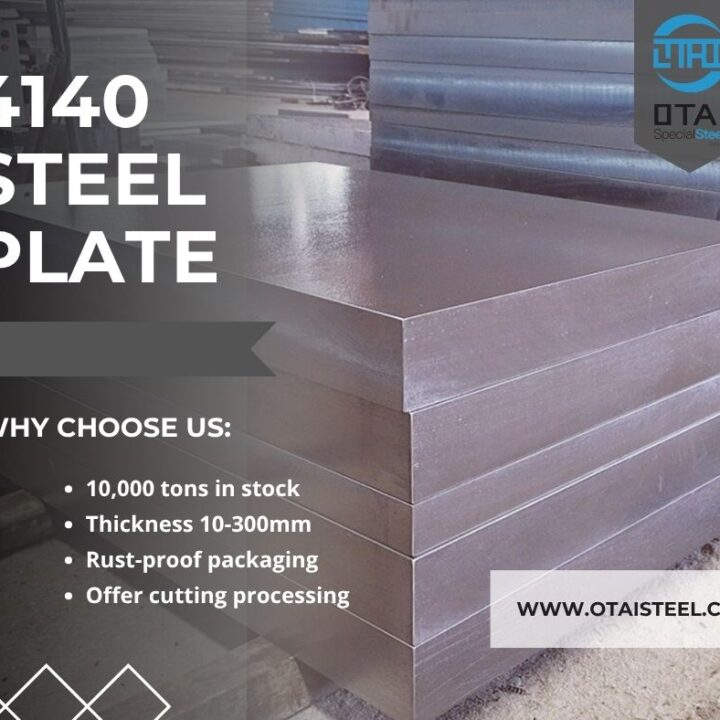
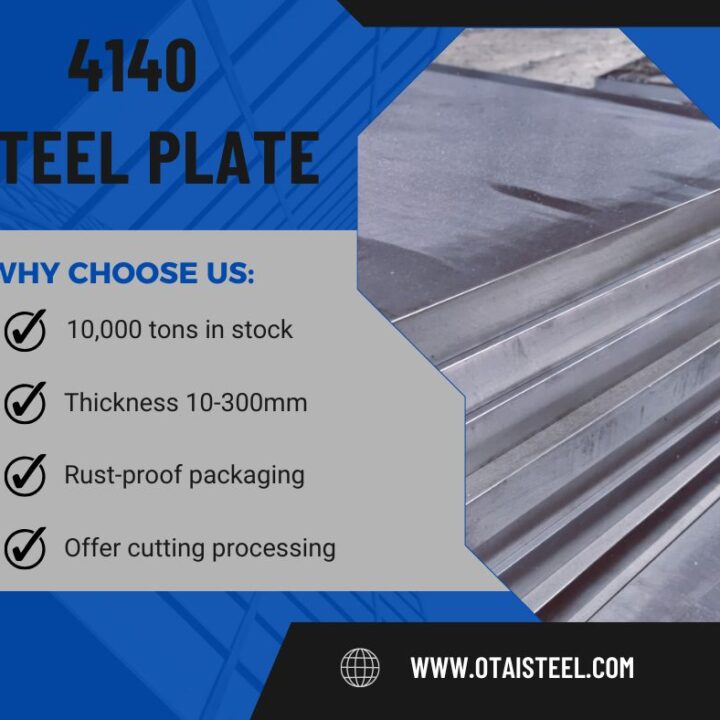
At Otai Special Steel, we offer high-quality 4140 steel that meets international standards for strength, toughness, and wear resistance. We provide custom cutting, heat treatment, and packaging services to ensure that our 4140 steel meets your exact specifications.
Advantages of Working with Otai Special Steel:
-
Premium Materials: Our 4140 steel meets the highest industry standards for strength, wear resistance, and toughness.
-
Customization: We offer custom cutting, heat treatment, and machining to meet your exact needs.
-
Competitive Pricing: We provide high-performance steel at competitive prices.
-
Fast Delivery: With our extensive inventory, we guarantee fast and reliable delivery to meet your deadlines.
❓ Frequently Asked Questions (FAQ)
Q1: Can 4140 steel be brazed successfully?
-
A1: Yes, 4140 steel can be brazed successfully when proper surface preparation, filler metal selection, and heat control are applied.
Q2: What is the best brazing method for 4140 steel?
-
A2: The best brazing method depends on the scale of the application. Furnace brazing and induction brazing work well for large-scale, high-precision applications involving 4140 steel.
Q3: Does brazing affect the hardness of 4140 steel?
-
A3: Brazing operates at lower temperatures than welding, which preserves the hardness and strength of 4140 steel. However, it’s important to control the heat to avoid overheating the material.