 Is 4140 Steel Good for Axes? The Real Scoop on Strength and Durability
If you’re into axe making, outdoor tools, or just curious about steel types, you might wonder: Is 4140 steel good for axes? 🤔 This question pops up a lot among blacksmiths, DIY enthusiasts, and professionals alike.
So, let’s cut right to it! We’ll explore 4140 steel for axe heads, its toughness, heat treatment options, and how it stacks up against other steels for axe durability. Ready? Let’s chop into the details! 🔥
🪓 What Is 4140 Steel and Why Does It Matter for Axes?
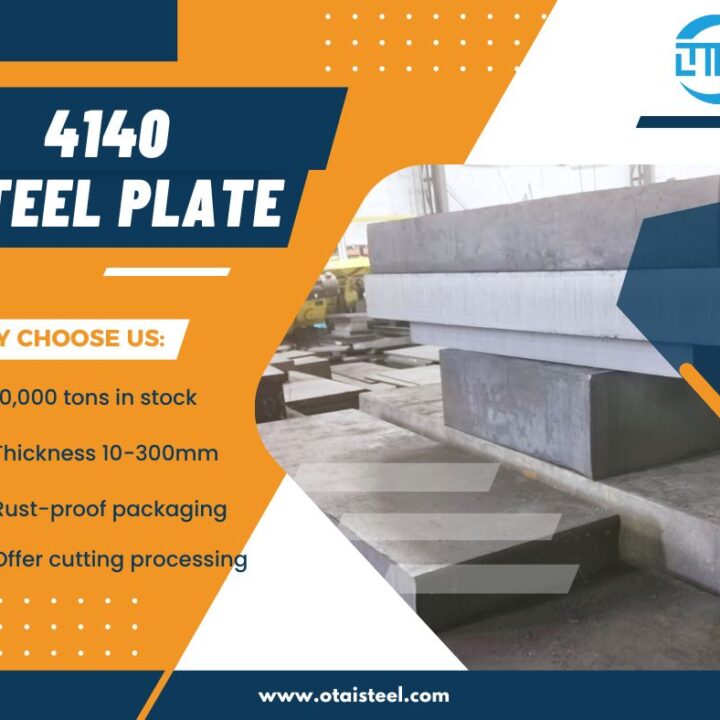
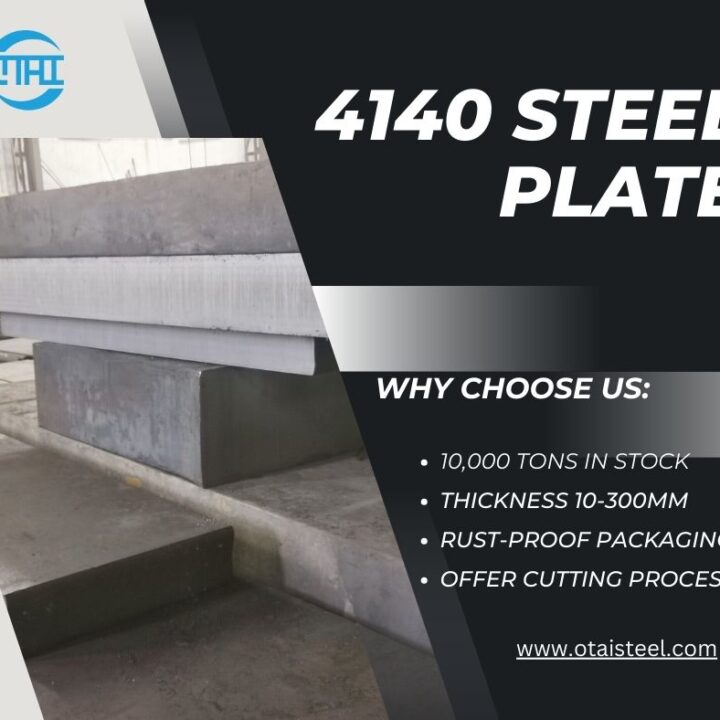
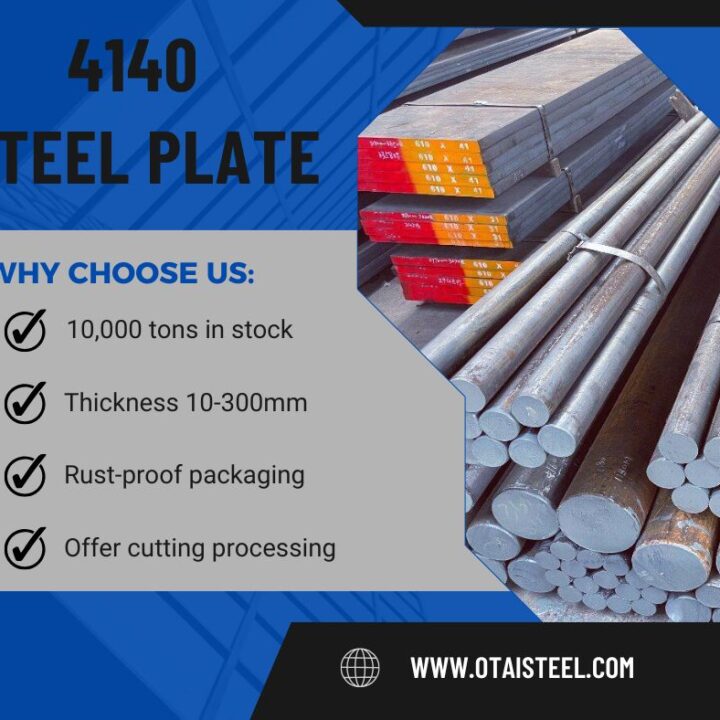
4140 steel is a chromium-molybdenum alloy steel prized for its excellent strength, toughness, and wear resistance. This makes it popular in many industries—from automotive shafts to heavy-duty tools.
For axes, these properties mean that a 4140 steel axe head can handle high impact, resist deformation, and hold an edge well. But is it the best choice? Let’s see.
💪 Toughness and Strength: 4140 Steel for Axe Blades
When chopping wood or other materials, your axe blade needs to withstand:
-
Impact shocks (from swinging and hitting hard surfaces)
-
Wear and abrasion (edge getting dull from use)
-
Flexing forces (so it doesn’t snap or crack)
4140 steel toughness is one of its strongest points. Thanks to the chromium and molybdenum content, it offers a nice balance between hardness and ductility. That means the axe head can absorb shocks without cracking, and the edge can stay sharp longer.
Compared to softer steels like 1045 or simple carbon steels, 4140 is definitely tougher and more durable for high-stress applications like axes.
🔥 Heat Treatment: The Secret to Unlocking 4140 Steel’s Axe Potential
4140 steel’s performance really shines after proper heat treatment. The usual process is quench and temper, which hardens the steel while keeping enough toughness to prevent brittleness.
Here’s what happens:
-
Quenching rapidly cools the heated steel to lock in hardness.
-
Tempering reheats the steel at a lower temperature to reduce brittleness but keep strength.
For axe heads, heat treating 4140 to about 28-32 HRC hardness is ideal. This gives the axe a sharp, durable edge without making it too brittle to handle impact.
⚔️ 4140 Steel vs Other Common Axe Steels
Is 4140 better than other steels typically used for axes? Here’s a quick comparison:
| Steel Type | Hardness (HRC) | Toughness | Edge Retention | Ease of Heat Treatment | Cost |
|---|---|---|---|---|---|
| 4140 | 28-32 | High | Good | Moderate | Moderate |
| 1055 Carbon | 50-55 | Moderate | Good | Easy | Low |
| 1095 Carbon | 55-60 | Lower (brittle) | Excellent | Easy | Low |
| 5160 Spring | 50-55 | Very High | Good | Moderate | Moderate |
What does this mean?
-
4140 is tougher and more impact-resistant than high carbon steels like 1095 but less hard—so it won’t hold an edge quite as long.
-
If you want maximum edge retention, 1095 might be better, but it can chip if misused.
-
For overall durability and toughness (especially for heavy chopping), 4140 and 5160 are solid choices.
🌳 Real-World Uses: Where 4140 Axes Shine
4140 steel axes are favored for:
-
Heavy-duty chopping tools where toughness matters more than razor-sharp edges
-
Utility axes that must resist cracks and bends in rough outdoor conditions
-
Custom or forged axe heads where machinability and heat treatment flexibility come in handy
One of our clients in the forestry industry switched from standard carbon steel axes to 4140 steel and reported a significant drop in edge chipping and longer tool life.
🛠️ Tips for Working With 4140 Steel When Making Axes
If you’re making or buying a 4140 steel axe head, keep these in mind:
-
Always heat treat properly: Quenching and tempering are musts. Avoid untreated 4140 for axe blades.
-
Respect minimum bend radius if shaping—4140 is tougher but can crack if bent cold incorrectly.
-
Consider nitriding or black oxide finishes for better corrosion resistance and surface hardness.
-
Sharpen at recommended angles (around 25-30°) to balance durability and cutting performance.
🏭 Why Otai Steel Is Your Go-To Source for 4140 Steel Axes and Components
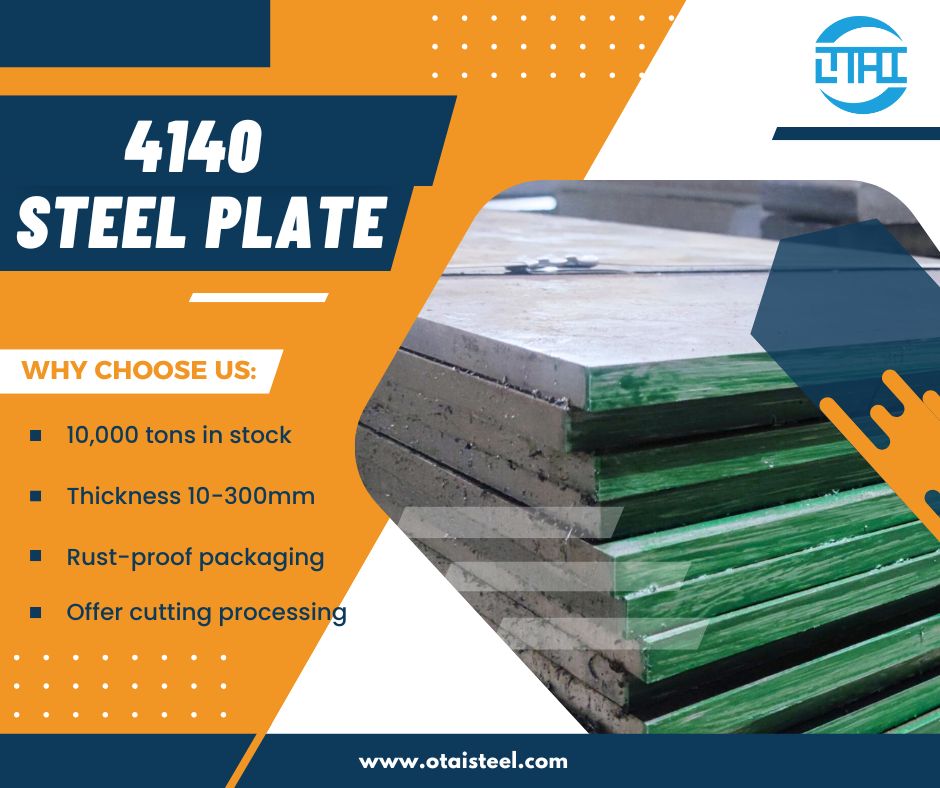
- Stock of 4140 alloy steel from 6mm to 300mm thickness, cut-to-size to fit your axe design
- Custom heat treatment options including quench & temper and nitriding
- Precision cutting and machining support for axe head fabrication
- Full chemical and mechanical testing to ensure quality and consistency
- Trusted by global leaders like Thyssenkrupp, Borealis, and Schlumberger
- Fast worldwide shipping and reliable customer service
Ready to source top-quality 4140 steel for axe making? Contact us!
📧 jack@otaisteel.com
📱 WhatsApp: +8676923190193
❓ FAQs – Is 4140 Steel Good for Axes?
Q1: Can 4140 steel hold a sharp edge for an axe?
A: Yes, when properly heat treated to 28-32 HRC, it balances edge retention and toughness.
Q2: Is 4140 steel better than 1045 or 1055 for axes?
A: It’s tougher and more impact resistant than 1045/1055, but those may hold sharper edges longer.
Q3: Can I use 4140 steel without heat treatment?
A: Not recommended. Untreated 4140 is too soft for axes.
Q4: Does 4140 steel resist cracking under heavy use?
A: Yes, it has excellent toughness and fatigue resistance.
Q5: Can Otai supply 4140 steel cut to custom axe shapes?
A: Absolutely! We offer precision cutting, heat treatment, and machining services.
If you want a tough, reliable axe that can take the beating of serious chopping, 4140 steel is a smart choice. Just make sure it’s heat treated right, and it’ll be your trusted companion for years.