 Is 4140 Steel on the Expensive Side?
4140 steel is a versatile alloy steel that combines excellent strength, toughness, and wear resistance, making it a popular choice for a wide range of industrial applications. However, as with any material, the cost of 4140 steel is an important consideration for manufacturers and engineers when selecting the right material for a given project.
In this article, we’ll explore the factors that influence the cost of 4140 steel, discuss whether it is considered expensive, and weigh its value in terms of performance and durability.
🧪 What is 4140 Steel?
4140 steel is a chromium-molybdenum alloy steel that is widely used for applications requiring a combination of high strength, wear resistance, and toughness. It contains:
-
0.40% Carbon
-
0.90% – 1.10% Chromium
-
0.15% – 0.25% Molybdenum
These alloying elements provide the steel with enhanced hardenability and resistance to wear, making it suitable for demanding industrial applications like gears, axles, crankshafts, machine tools, and heavy equipment components.
However, the cost of 4140 steel can vary based on several factors, including its composition, processing, and market conditions.
💰 What Determines the Cost of 4140 Steel?
The cost of 4140 steel depends on several factors, including the raw material price, the manufacturing process, and the supplier’s location. Below are some of the key factors that influence the price of 4140 steel:
1. Raw Material Costs
The cost of the raw materials used to manufacture 4140 steel—such as chromium, molybdenum, and carbon—directly impacts its final price. Since chromium and molybdenum are higher-value alloying elements, this adds to the cost of the material. Fluctuations in the prices of these raw materials due to global market conditions can affect the overall price of 4140 steel.
2. Heat Treatment and Processing
4140 steel can undergo various heat treatments, such as carburizing, quenching, and tempering, to achieve the desired mechanical properties. These additional processing steps add to the overall cost of the material, as they require specialized equipment and labor. The more complex the heat treatment process, the higher the cost of the final product.
For example:
-
Pre-hardened 4140 steel will generally be less expensive than steel that has been carburized and quenched, as the latter requires more extensive processing.
3. Steel Supplier and Location
Different suppliers and locations can also affect the price of 4140 steel. Global supply chain fluctuations, transportation costs, and regional demand for specific types of steel can cause price variations. 4140 steel purchased from a supplier with a highly efficient production system or bulk purchasing options may come at a lower cost compared to other suppliers.
4. Form of Steel
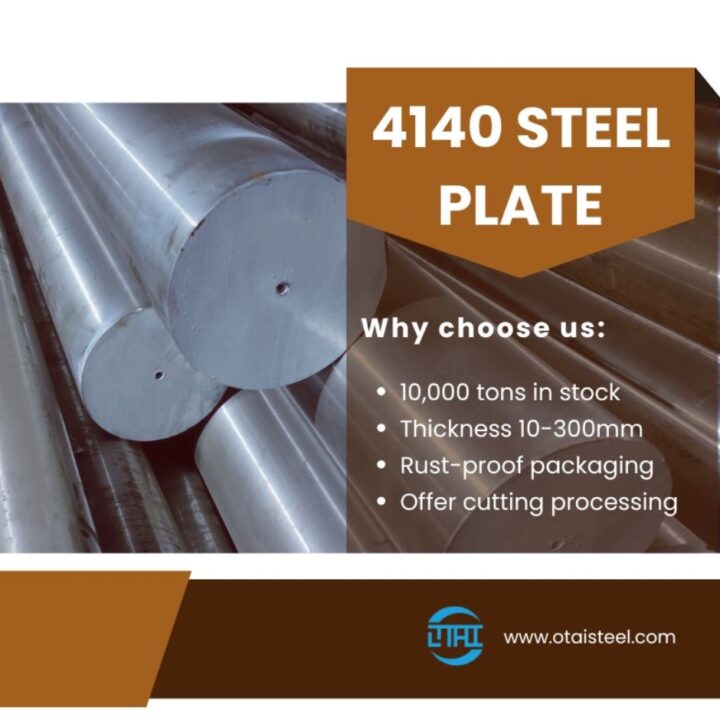
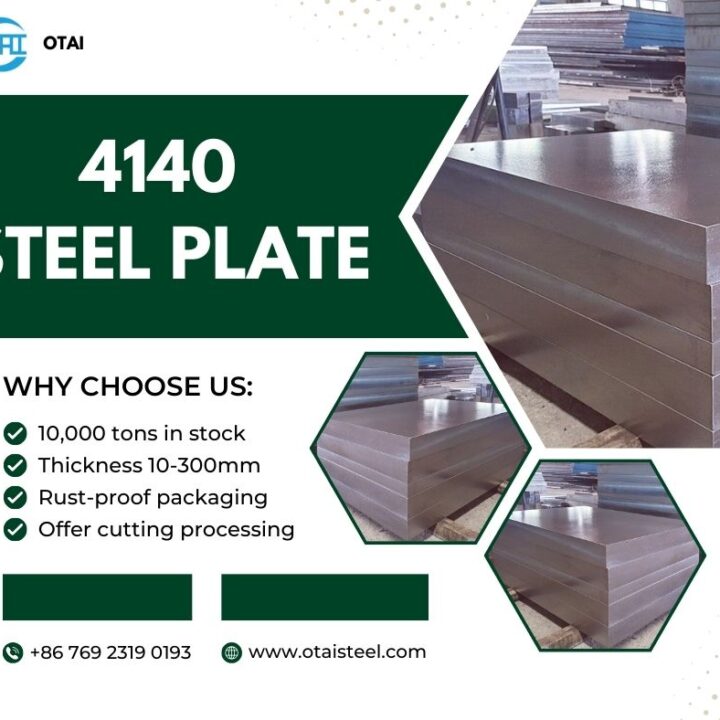
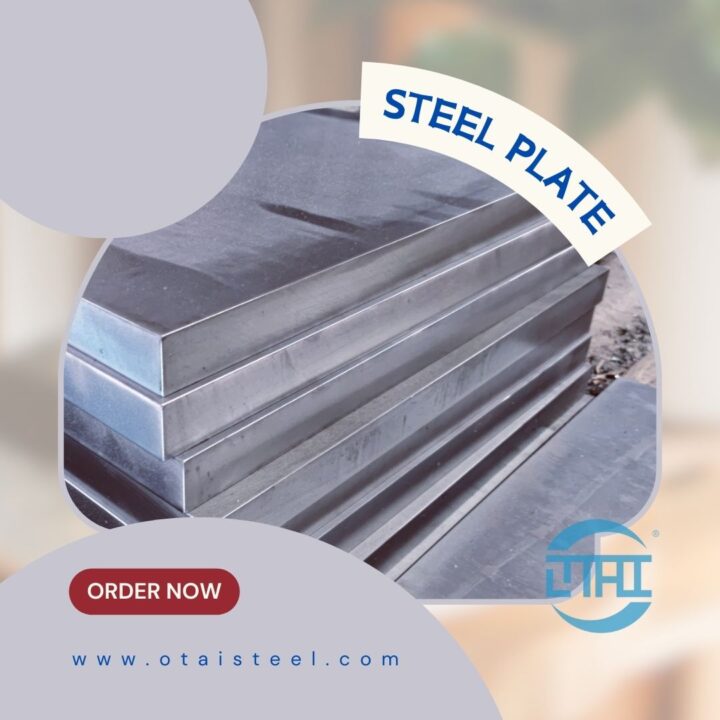
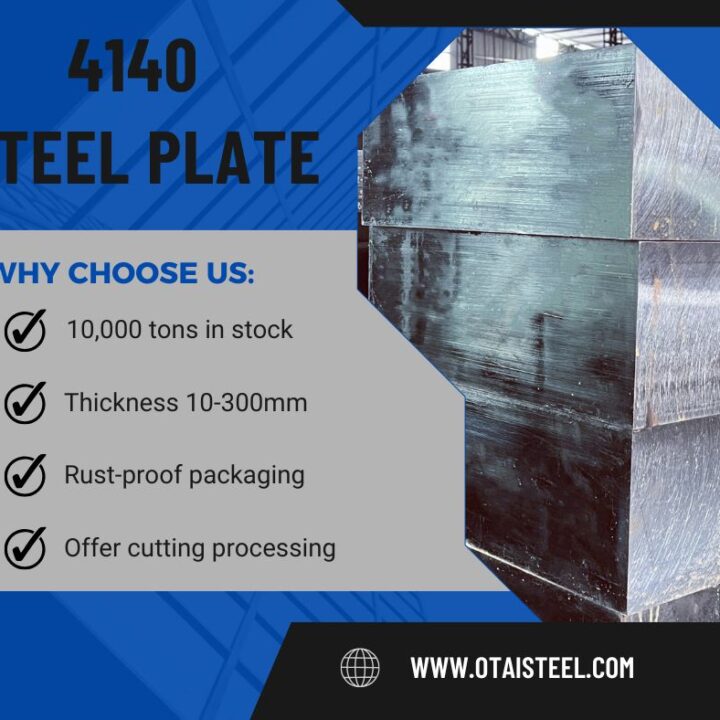
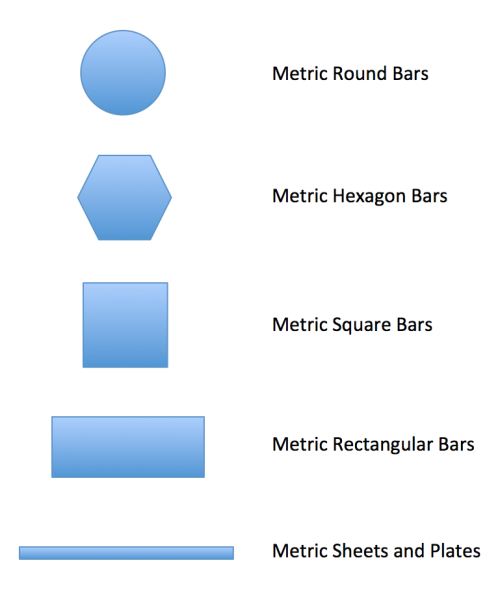
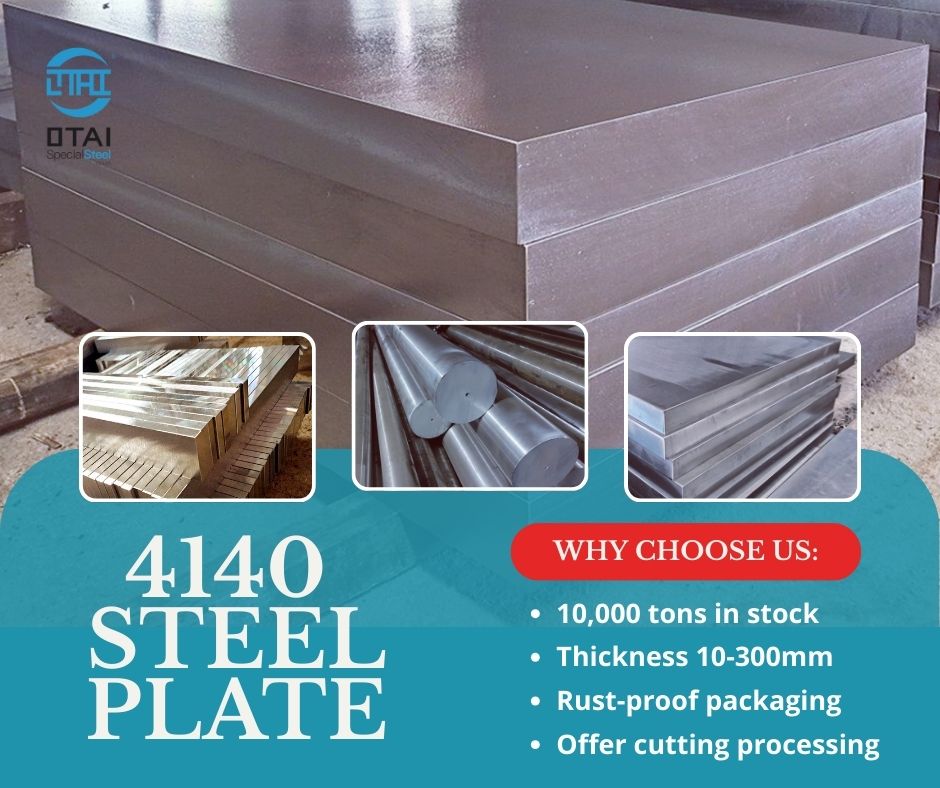
The form in which 4140 steel is purchased also influences the cost. For instance, 4140 steel plate, round bars, and flat stock are commonly available in various thicknesses and sizes. Custom sizes, precision machining, and surface treatments can increase the cost.
🔍 Is 4140 Steel Expensive?
When compared to standard carbon steels, 4140 steel can be considered more expensive due to the additional alloying elements, heat treatment processes, and the enhanced properties it offers. However, its high performance and durability often justify the higher cost, especially for applications that require strength, toughness, and resistance to wear.
In many industrial sectors, the cost of 4140 steel is outweighed by its ability to withstand extreme conditions and perform over time. It is cost-effective in the long run due to the durability of the parts made from it, reducing the need for frequent replacements or repairs.
For example, while 4140 steel may cost more upfront than mild steel, it provides superior performance in high-stress applications, offering better fatigue resistance, abrasion resistance, and strength. This means fewer failures and longer lifespans for parts made from 4140 steel, resulting in reduced maintenance costs and downtime.
🏗️ How Does 4140 Steel Compare to Other Steels?
To better understand whether 4140 steel is expensive, let’s compare it to other commonly used materials.
| Steel Grade | Composition | Typical Applications | Price Comparison | Hardness |
|---|---|---|---|---|
| 4140 Steel | Chromium, Molybdenum | Gears, Shafts, Crankshafts | Higher than mild steel, lower than specialty steels | 28 – 32 HRC (Pre-hardened) |
| 1045 Steel | Carbon steel (0.45% Carbon) | General purpose machinery parts | Less expensive than 4140 | 19 – 22 HRC |
| 4340 Steel | High Nickel-Chromium | Aerospace, High-stress components | More expensive than 4140 | 45 – 50 HRC (after heat treatment) |
| Mild Steel | Low Carbon (0.05% – 0.25%) | General applications | Less expensive than 4140 | 120 – 150 HB |
As shown in the table, 4140 steel falls in the middle in terms of price. It is more expensive than mild steel and 1045 steel, but less expensive than 4340 steel, which is used in highly specialized, high-stress applications.
While 4140 steel might seem pricey compared to low-carbon steels, it is a cost-effective solution for parts that require high performance and durability. In industries where performance and reliability are critical, the cost of 4140 steel often provides a better value over time.
💡 Is 4140 Steel Worth the Investment?
Ultimately, whether 4140 steel is considered “expensive” depends on the context. If your application requires components that will undergo high stress, fatigue, or wear, investing in 4140 steel makes sense. The benefits of its strength, wear resistance, and toughness can help reduce long-term costs by extending the life of parts, reducing failures, and minimizing maintenance needs.
For less demanding applications, 4140 steel may not be necessary, and more affordable materials like 1045 steel or mild steel may be more appropriate.
🏅 Company Advantages – Otai Special Steel
At Otai Special Steel, we provide high-quality 4140 steel that meets a wide range of performance requirements. We offer custom cutting, heat treatment, and precision machining services to ensure your project’s needs are met with the highest standards.
Why Choose Otai Special Steel?
-
Cost-Effective: We offer competitive prices for 4140 steel, ensuring the best value for your investment.
-
High-Quality Materials: We guarantee consistent quality in every piece of 4140 steel.
-
Expert Services: We provide custom cutting, heat treatment, and engineering support to meet your specific requirements.
-
Fast Delivery: Our large inventory ensures timely delivery of materials.
❓ Frequently Asked Questions (FAQ)
Q1: Is 4140 steel more expensive than mild steel?
A1: Yes, 4140 steel is more expensive than mild steel because it contains alloying elements like chromium and molybdenum, which improve its strength, wear resistance, and toughness.
Q2: What factors affect the cost of 4140 steel?
A2: The cost of 4140 steel is influenced by factors like raw material prices, heat treatment processes, supplier location, and steel form (plate, bar, etc.).
Q3: Why should I choose 4140 steel over cheaper materials?
A3: Choosing 4140 steel is an investment in durability and performance. It offers better strength, wear resistance, and toughness for high-stress applications, making it more cost-effective in the long run despite the higher initial cost.