 Nitriding 4140 Steel: What to Expect
When you’re working with 4140 steel, you’re already using one of the most trusted alloy steels for strength and toughness. But if your parts face continuous wear, frequent friction, or fatigue loading, the real magic comes with one process:
👉 Nitriding.
It’s the go-to heat treatment to create ultra-hard surfaces without sacrificing the toughness of your core material. But how does it actually work for 4140? What nitriding method is best? And when should you consider it over other treatments?
Let’s break it all down with practical insight, real data, and a touch of steel shop wisdom. 🔍
🧬 What Is Nitriding and Why It Works So Well on 4140
Nitriding is a low-temperature thermochemical heat treatment. Nitrogen is introduced to the surface of the steel, where it reacts with alloying elements (like chromium, molybdenum, and vanadium) to form hard nitrides.
✅ The result:
-
Super-hard surface layer (up to 70 HRC)
-
Outstanding wear and fatigue resistance
-
No distortion, since there’s no phase transformation like in quenching
For 4140 steel, which already contains the right alloying elements, nitriding is an ideal surface treatment.
🔬 How Nitriding Changes 4140 Steel
| Property | Before Nitriding (Q&T) | After Nitriding |
|---|---|---|
| Surface Hardness | HRC 28–32 | HRC 60–70 |
| Core Hardness | HRC 28–32 | Unchanged |
| Wear Resistance | Moderate | Excellent |
| Fatigue Resistance | Good | Greatly Improved |
| Case Depth | N/A | 0.3–0.7 mm typical |
| Machinability (Post-Treat) | High | Difficult (after) |
| Distortion Risk | Medium (Q&T) | Very Low (nitriding) |
👉 Important Note: Nitriding doesn’t soften or harden the core. That’s why pre-hardening (Q&T) is strongly recommended before nitriding 4140 steel.
🧪 Surface Microstructure: What’s Actually Happening?
When nitriding 4140 steel, the outermost layer forms compound and diffusion zones:
-
Compound Layer (White Layer)
-
10–30 μm thick
-
Very hard, but can be brittle
-
Excellent for wear protection
-
-
Diffusion Zone
-
Extends 0.3–0.7 mm
-
Gradual hardness drop-off
-
Crucial for supporting the surface and resisting fatigue
-
For critical parts, many clients request controlled nitriding to limit or remove the compound layer (via polishing or post-grind), balancing wear resistance with fatigue toughness.
⚙️ Common Nitriding Methods for 4140 Steel
| Method | Temp Range | Control | Hardness | Notes |
|---|---|---|---|---|
| Gas Nitriding 🌫️ | 500–530°C | Good | HRC 60–65 | Most common; cost-effective |
| Plasma Nitriding ⚡ | 450–550°C | Excellent | HRC 60–70 | Precise, low distortion, eco-friendly |
| Salt Bath Nitriding 🧪 | 540–590°C | Fair | HRC 58–64 | Fast, but messy and toxic |
🔍 At Otai, we most commonly process gas nitrided 4140 steel, but we can support plasma nitriding requests through partner facilities.
🏗️ Real-World Applications of Nitrided 4140
🔩 Shafts and Spindles
Rotating equipment that needs both toughness and wear protection.
🧰 Mold Cavities and Bases
Where galling, abrasion, and repeated cycling are issues.
🚜 Hydraulic Piston Rods
Exposed to dust, pressure, and sliding movement.
⚙️ Gears and Couplings
That require fatigue resistance and dimension control.
✈️ Aerospace and Racing
Where distortion is unacceptable, and stress cycles are endless.
🔧 Customer Story: Saving a Gear Manufacturer from Failure
One of our clients in Italy was producing large 4140 gear blanks for wind turbine gearboxes. They were facing premature wear at the tooth roots after just 2 months in operation.
👉 We recommended switching from Q&T only to Q&T + gas nitriding with a controlled 0.5mm case depth.
🔩 Outcome:
-
Wear life increased by over 400%
-
No distortion after nitriding
-
Surface hardness improved from HRC 30 → HRC 66
The client now uses nitriding as a standard step in all gear-related production.
📋 Tips for Best Nitriding Results
-
Always Q&T 4140 before nitriding
Nitriding builds on an already hardened base. Don’t skip this step! -
Machine before nitriding
After nitriding, surface becomes too hard to cut or drill. -
Polish the surface to Ra ≤ 1.6 µm for best case uniformity.
-
Avoid decarburized or scaled surfaces—clean metal is key.
🏭 Why Engineers Trust Otai for Nitriding-Ready 4140
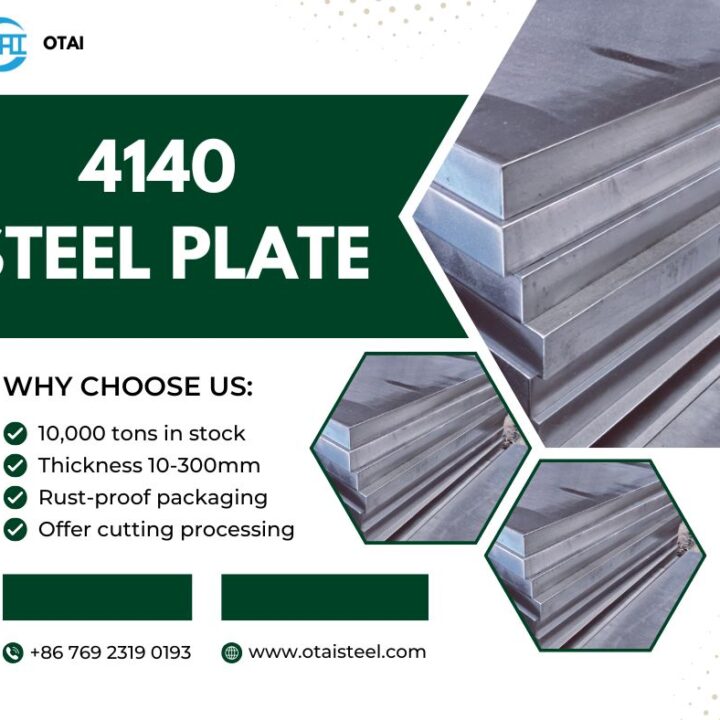
With 25+ years in the steel industry, Otai doesn’t just deliver steel—we deliver reliability. Whether you need raw bars, pre-cut blocks, or nitriding-ready blanks, we’ve got you covered:
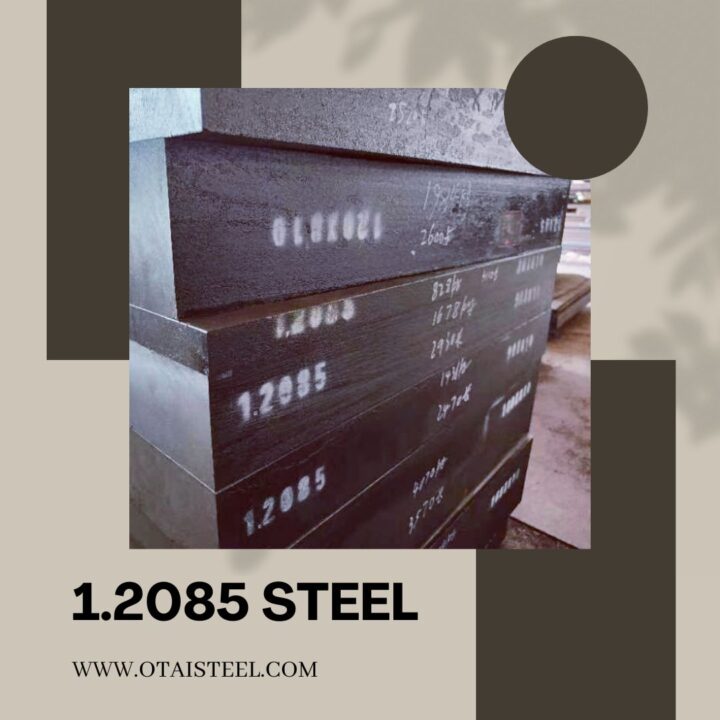
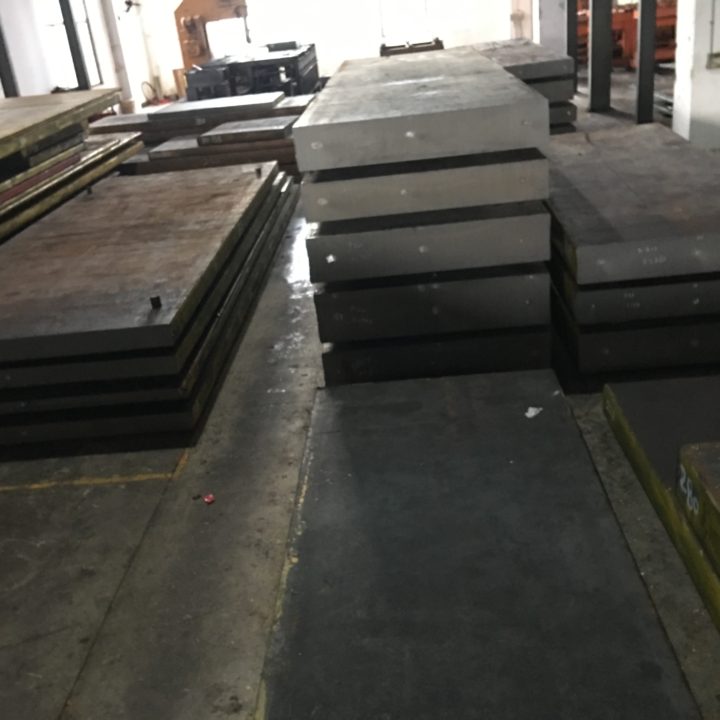
✅ 10,000+ tons of inventory, including 4140 Q&T and annealed
🧪 UT-tested, with full chemical and mechanical certificates
✂️ Custom cut-to-size service down to ±0.05 mm tolerance
🔥 In-house Q&T, partnered nitriding options available
📦 Rust-proof bundles and export-grade packaging
📋 Third-party inspection (SGS, BV) upon request
🌍 Customers in over 30+ countries—including Thyssenkrupp, Schlumberger, Borealis
📧 jack@otaisteel.com
📱 WhatsApp: +8676923190193
Send us your part drawings or specs—we’ll suggest the best nitriding solution for your needs!
❓ FAQs – Nitriding 4140 Steel
Q1: Do I need to heat treat 4140 before nitriding?
Yes. For optimal results, always Q&T to HRC 28–32 before nitriding.
Q2: How long does nitriding take?
6 to 90+ hours depending on case depth and method. Most standard parts take 20–40 hours.
Q3: Can I grind the nitrided surface?
Light grinding is possible—but avoid removing the hardened layer unless absolutely necessary.
Q4: What’s the best method: gas or plasma nitriding?
For most industrial parts, gas nitriding is cost-effective and reliable. Use plasma for ultra-precision needs.
Q5: Can you supply nitrided 4140 to my exact dimensions?
Yes! We offer full machining + nitriding service for made-to-spec blanks or shafts.