Skip to Content

Blog Archives

Why Choose 4140 Steel for Hammers?

Why Choose 4140 Steel for Hammers?Why Choose 4140 Steel for Hammers?

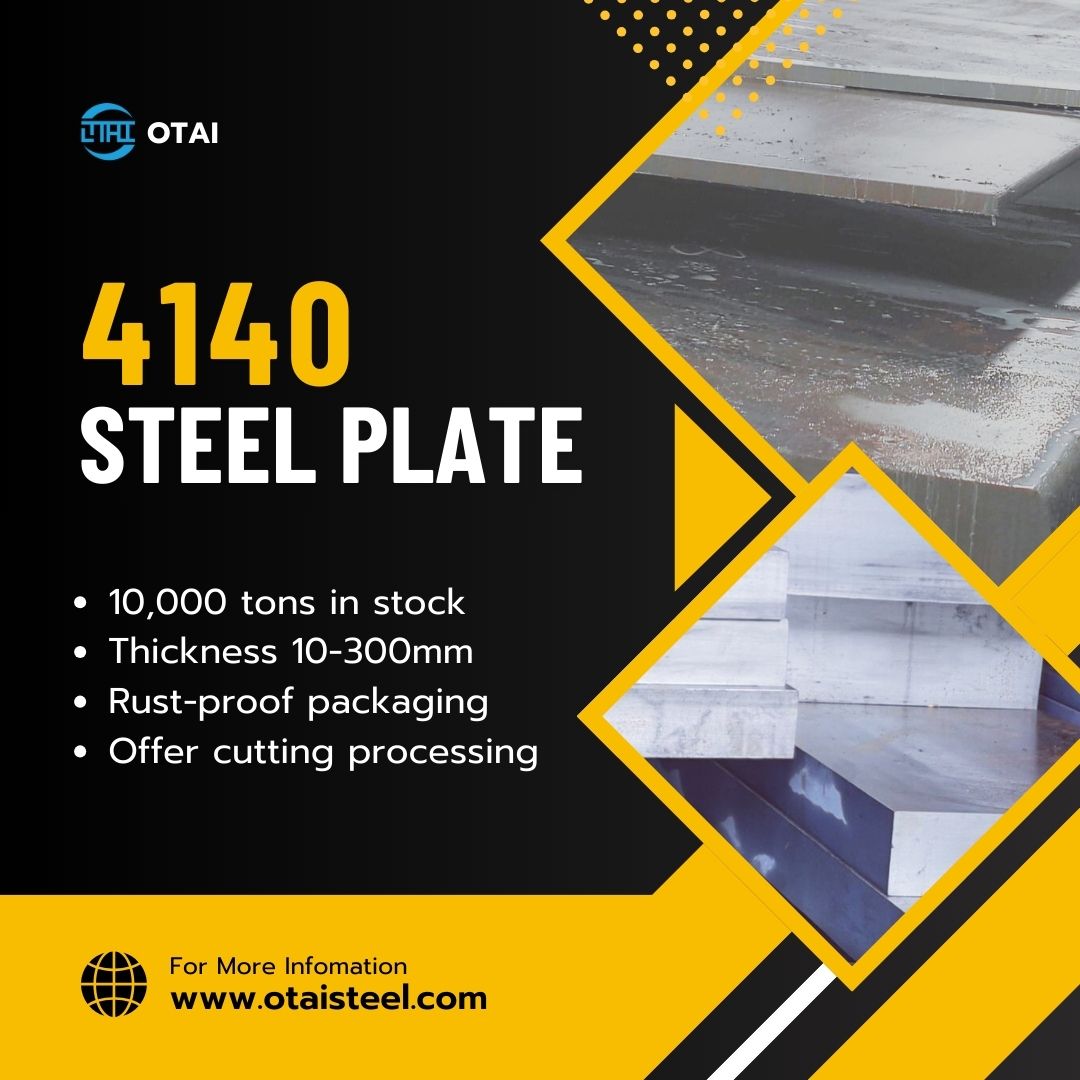
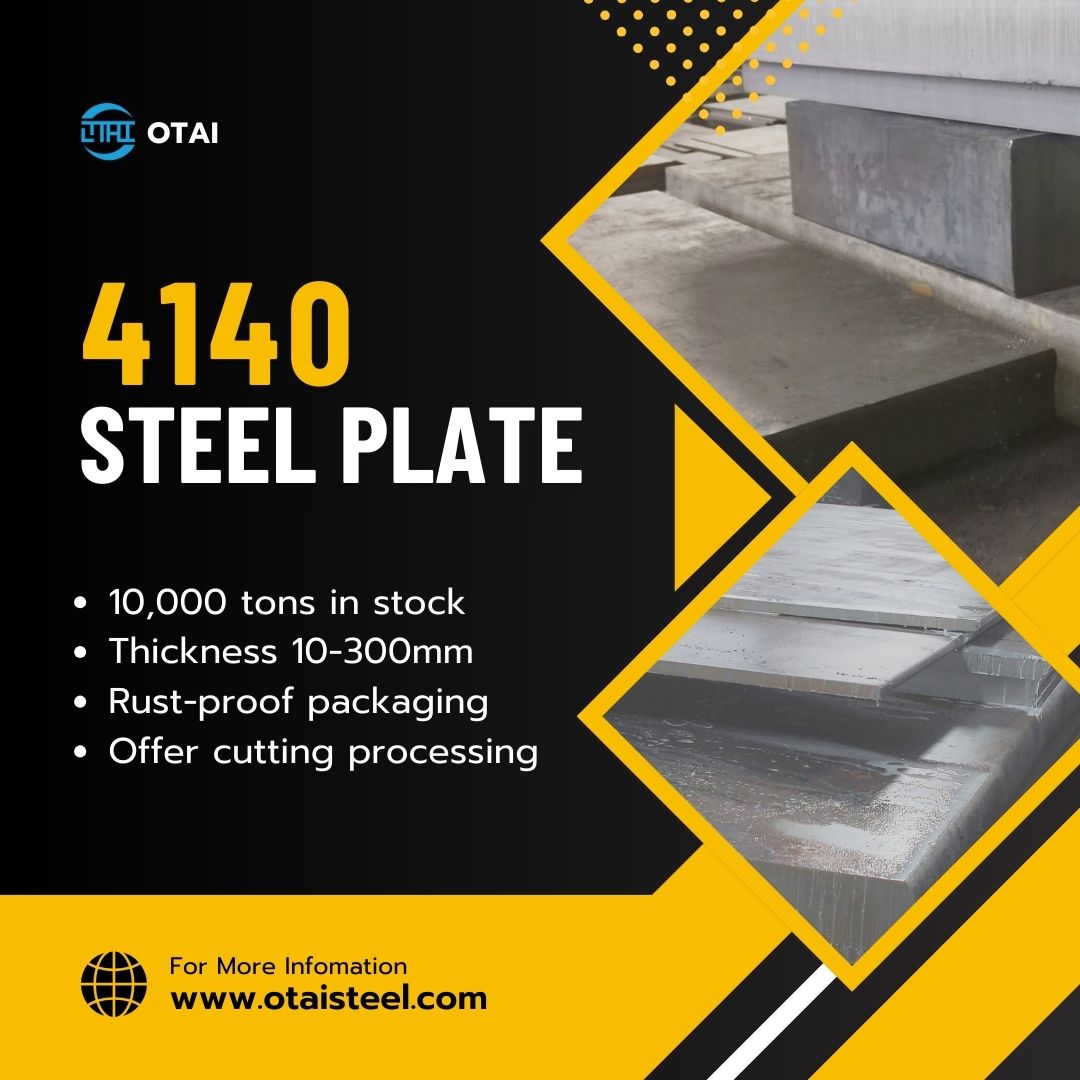
4140 steel is known for its strength, toughness, and versatility, making it a popular choice for manufacturing tools and components in a variety of industries. One area where 4140 steel excels is in the production of hammers. This alloy steel combines hardness, resilience, and shock resistance, which are essential properties for tools that endure heavy impact and repetitive use. In this article, we will explore why 4140 steel is the perfect material for hammers, its advantages, and how its properties enhance tool performance.


🏗️ Why Choose 4140 Steel for Hammers?

Hammers are some of the most critical tools used across industries like construction, manufacturing, automotive repair, and others. They face constant impacts, and the material must resist deformation, cracking, or excessive wear. 4140 steel meets these requirements thanks to its mechanical properties, including:

1. High Strength

  • 4140 steel provides high tensile strength, typically ranging from 850 MPa to 1000 MPa. This ensures the hammer can withstand substantial shock loads and high-impact forces without bending or breaking.

2. Hardness

  • 4140 steel maintains hardness levels between 28-32 HRC (Rockwell Hardness). This hardness gives 4140 steel hammers the ability to resist wear, dents, and scratches while maintaining their functional surface during heavy use.

3. Toughness

  • 4140 steel exhibits excellent toughness, allowing it to absorb impact energy without cracking. 4140 steel hammers are tough enough to handle repetitive strikes, ensuring durability and performance.

4. Impact Resistance

  • 4140 steel provides outstanding impact resistance, enabling hammers to endure continuous heavy blows without failing. This property makes it ideal for tools that face constant stress and heavy impact in industries such as construction and mining.

5. Machinability

  • Despite its high strength and hardness, 4140 steel offers good machinability. Manufacturers can easily machine 4140 steel into precise shapes and sizes, making it easy to craft hammers with tight tolerances.


🔨 How Does 4140 Steel Perform in Hammer Manufacturing?

When 4140 steel is used to produce hammers, its properties come together to create durable, high-performance tools that perform under heavy impact. Here’s how 4140 steel stands out in hammer manufacturing:

1. Heat Treatment

  • Heat treatment is a crucial step in hammer production. 4140 steel is typically hardened by heating it to 850°C to 900°C and then quenching it rapidly in water or oil. This process increases its tensile strength and hardness. After quenching, tempering the steel at lower temperatures improves its toughness and reduces brittleness, making it better suited for repetitive impact tasks.

2. Forging and Shaping

  • Forging 4140 steel aligns the grain structure to maximize strength and toughness. This process ensures that 4140 steel hammers will perform well under high-stress conditions, providing a tool that can withstand constant impacts without compromising on performance.

3. Durability

  • 4140 steel hammers are highly durable. Their excellent wear resistance and toughness ensure that the hammer will last much longer compared to hammers made from other materials. This durability translates into lower maintenance costs and longer service life in tough work environments.


🏭 Applications of 4140 Steel Hammers

Given its exceptional strength, toughness, and impact resistance, 4140 steel hammers are ideal for various demanding applications across multiple industries. Here are some of the primary applications:

1. Construction Industry

  • 4140 steel hammers are widely used in the construction industry for tasks such as driving nails, demolition, and structural work. The material’s resilience allows these hammers to endure frequent high-force impacts and maintain effectiveness for long periods.

2. Automotive Industry

  • In the automotive industry, 4140 steel hammers are used for tasks like auto repair and brake drum work. The steel’s toughness and impact resistance ensure that the hammer can handle high levels of force without breaking, even when used in heavy-duty tasks.

3. Mining and Heavy Equipment

  • 4140 steel hammers are also essential in mining and heavy equipment applications, where they are used for rock breaking and metal forming. The high impact resistance ensures that the hammer can withstand the intense forces generated during mining operations.

4. Metalworking and Tooling

  • 4140 steel hammers are commonly used in metalworking, where they are employed in forging and forming operations. Their ability to handle high-impact forces makes them ideal for blacksmithing, forging tools, and other metal forming applications.


📊 Comparison of 4140 Steel with Other Materials for Hammers

Property 4140 Steel Other Steel Grades
Tensile Strength 850-1000 MPa 700-800 MPa
Hardness 28-32 HRC 25-30 HRC
Impact Resistance High Moderate
Wear Resistance High Moderate
Machinability Good Good

🏆 Why Choose Otai Special Steel for Your 4140 Steel Hammers?

At Otai Special Steel, we provide premium 4140 steel tailored to meet the high demands of hammer manufacturing. We ensure that the steel undergoes rigorous heat treatment and quality control to guarantee maximum performance and durability in every tool we produce.

Advantages of Working with Otai Special Steel:

  • Premium Quality: Our 4140 steel offers exceptional strength, toughness, and impact resistance for your hammer applications.

  • Customization: We provide custom cutting, heat treatment, and machining services to meet your exact specifications.

  • Competitive Pricing: We offer high-performance steel at competitive prices, delivering excellent value for your projects.

  • Fast Delivery: With a large inventory, we guarantee fast and reliable delivery to meet your deadlines.


Frequently Asked Questions (FAQ)

Q1: What is the hardness of 4140 steel in hammers?

  • A1: The hardness of 4140 steel ranges from 28 HRC to 32 HRC, providing an optimal combination of toughness and wear resistance for hammers.

Q2: How does 4140 steel perform under high-impact stress?

  • A2: 4140 steel offers exceptional impact resistance, allowing hammers made from this material to withstand high-force impacts without failure or excessive wear.
0 0 Continue Reading →

Factors Affecting the Compressive Strength of 4140 Steel

Factors Affecting the Compressive Strength of 4140 Steel4140 steel is a widely used alloy steel known for its high tensile strength, toughness, and wear resistance. It is a popular choice in industries like automotive, aerospace, and machinery, especially for manufacturing gears, shafts, axles, and crankshafts. One of the key properties that make 4140 steel highly effective in these applications is its compressive strength, or its ability to withstand compressive forces before failing or deforming.

This article delves into the compressive strength of 4140 steel, factors that affect it, and its importance in various applications.


🏗️ What is Compressive Strength?

Compressive strength measures how much compression (squeezing or pushing) a material can withstand before it deforms or fails. It contrasts with tensile strength, which measures a material’s ability to resist stretching or pulling forces. Compressive strength becomes essential in applications where components are subject to pressing forces, such as in gears, pistons, and bearing housings.

For 4140 steel, compressive strength is determined by its chemical composition, heat treatment, and microstructure.


🔧 Factors Affecting the Compressive Strength of 4140 Steel

Several factors influence the compressive strength of 4140 steel. Understanding these factors helps in selecting the right material for various applications.

1. Material Composition

  • 4140 steel contains chromium (Cr) and molybdenum (Mo), which enhance the steel’s strength, hardness, and wear resistance. These alloying elements increase the steel’s ability to resist deformation under compressive loads.

2. Heat Treatment

  • Heat treatment is one of the most effective ways to improve the compressive strength of 4140 steel. Processes such as quenching and tempering refine the steel’s microstructure, increasing its tensile strength, hardness, and ultimately its compressive strength. Proper heat treatment ensures that the material performs better under compressive stress.

3. Microstructure

  • The microstructure of 4140 steel plays a significant role in its compressive strength. A fine-grain structure allows for better distribution of stress, improving the material’s strength under compressive forces. Heat treatments such as normalizing and hardening enhance the steel’s microstructure, ensuring superior mechanical properties.

4. Work Hardening

  • Work hardening, or strain hardening, occurs when 4140 steel experiences repeated compressive or tensile forces. This process increases the material’s compressive strength by making it harder and stronger with continued use.


🔨 Testing Compressive Strength of 4140 Steel

We test the compressive strength of 4140 steel by applying increasing compressive loads to a specimen until it deforms or fails. Here are two standard testing methods:

1. Direct Compression Test

  • In the direct compression test, a sample of 4140 steel is placed between two plates, and force is applied gradually. The test measures how much force the material can withstand before it experiences permanent deformation or failure.

2. Indentation Test

  • The indentation test involves pressing a hard material (such as a diamond) into the surface of 4140 steel. The depth of indentation indicates the material’s resistance to compression, allowing us to estimate its compressive strength.


🏭 Applications of 4140 Steel with High Compressive Strength

The compressive strength of 4140 material makes it ideal for various applications where parts are subjected to high compressive forces. Below are some critical applications that benefit from 4140 steel’s high compressive strength:

1. Automotive Components

  • 4140 steel is commonly used in gears, shafts, crankshafts, and axles in the automotive industry. These components experience significant compressive forces during operation. Compressive strength ensures that these parts can withstand high mechanical stress and wear, ensuring long-lasting performance.

2. Bearings and Bearing Housings

  • Bearings and bearing housings made from 4140 steel need to withstand compressive forces and shear stresses during their operation. Compressive strength is crucial for maintaining the integrity of these components and preventing failure due to excessive load.

3. Hydraulic Components

  • Components like hydraulic cylinders and pistons made from 4140 steel operate under high-pressure conditions. Compressive strength ensures that these parts can endure constant force and pressure while maintaining structural integrity.

4. Aerospace Components

  • Aerospace parts such as landing gears, actuators, and turbocharger shafts made from 4140 steel need to perform reliably under compressive stress. The high compressive strength of 4140 steel ensures that these components can withstand the forces they encounter during flight and operation.

5. Heavy Equipment

  • 16MnCr5 steel is also used in heavy machinery and construction equipment like axles, gears, and hydraulic components. These components are exposed to high compressive forces during operation, making 4140 steel’s compressive strength essential for durability.


📊 Comparison of Compressive Strength and Other Mechanical Properties of 4140 Steel

Property 4140 Steel (After Hardening) 4140 Steel (Before Hardening)
Compressive Strength High (depends on heat treatment) Moderate
Tensile Strength High (1500-1600 MPa) Moderate (900-1000 MPa)
Yield Strength High (1100-1400 MPa) Moderate
Hardness 50-60 HRC 20-30 HRC
Ductility Moderate High

🏆 Why Choose Otai Special Steel for Your 4140 Steel Needs?

At Otai Special Steel, we provide high-quality 4140 steel that is optimized for compressive strength, toughness, and wear resistance. We offer custom cutting, heat treatment, and packaging services to meet your exact requirements.

Advantages of Working with Otai Special Steel:

  • Premium Materials: Our 4140 steel undergoes precise heat treatments to ensure excellent compressive strength and performance in demanding applications.

  • Customization: We provide custom cutting, heat treatment, and machining services tailored to your specific project needs.

  • Competitive Pricing: We offer high-performance steel at competitive prices, ensuring great value for your projects.

  • Fast Delivery: With a large inventory, we guarantee fast and reliable delivery to meet your deadlines.


Frequently Asked Questions (FAQ)

Q1: What is the compressive strength of 4140 alloy?

  • A1: 4140 steel typically achieves a compressive strength of around 1500-1600 MPa when properly heat treated.

Q2: How does heat treatment affect 4140 steel’s compressive strength?

  • A2: Heat treatments like hardening and tempering increase 4140 steel’s compressive strength by refining its microstructure and improving its tensile strength.

Q3: Why is compressive strength important for 4140 steel in automotive and aerospace applications?

  • A3: Compressive strength ensures that 4140 steel components, such as gears and landing gears, can withstand high-pressure and load-bearing conditions without failure, ensuring durability and reliability.

0 0 Continue Reading →

4140 Steel Yield Strength Explained: How It Affects Real-World Load Performance

4140 Steel Yield Strength Explained: How It Affects Real-World Load Performance 🔩

When engineers talk about 4140 steel yield strength, they usually care about one practical question:
At what stress level will the part start to permanently deform?

Unlike tensile strength, yield strength defines the true working limit of a component. If a shaft, rod, or gear exceeds its yield point, it won’t return to its original shape—even if it doesn’t fracture. That’s why yield strength plays a critical role in structural safety, fatigue life, and long-term reliability.

This article explains 4140 steel yield strength in a practical, application-driven way.

🔍 What Does “Yield Strength” Mean for 4140 Steel?

Yield strength represents the stress at which 4140 steel transitions from elastic behavior to plastic deformation.

In real terms:

Below yield → the part springs back

Above yield → the part bends or stretches permanently

Designers often size components based on yield, not ultimate strength, especially for shafts, pins, and load-bearing parts.

⚙️ Typical Yield Strength of 4140 Steel by Condition

The yield strength of 4140 steel varies widely depending on heat treatment. This flexibility explains why so many industries rely on this alloy.

📊 Typical Yield Strength Ranges
Condition	Yield Strength (MPa)	Typical Use
Annealed	415 – 460	Machining, forming
Normalized	550 – 650	Structural components
Quenched & Tempered (Q&T)	850 – 1000	High-load shafts, gears
Prehardened (28–32 HRC)	~900	Tooling, flat stock

As strength increases, ductility decreases. Engineers choose the condition that best fits load + toughness + machinability.

🔥 How Heat Treatment Controls Yield Strength

4140 steel responds extremely well to heat treatment. By adjusting quenching and tempering temperatures, manufacturers can dial in yield strength precisely.

Key relationships:

Higher tempering temperature → lower yield, higher toughness

Lower tempering temperature → higher yield, lower ductility

This control allows 4140 steel to serve both structural and high-performance mechanical roles.

🏗️ Why Yield Strength Matters in Design

Using tensile strength alone often leads to over-stressed parts. Yield strength prevents that mistake.

Practical examples:

🔩 Shafts resist permanent bending under torque

⚙️ Gears maintain tooth geometry under load

🛠️ Pins and bolts avoid plastic deformation

🚜 Machinery parts survive repeated overload cycles

In many applications, designers apply a safety factor based on yield, not fracture.

🔄 Yield Strength vs Tensile Strength in 4140 Steel

4140 steel shows a clear separation between yield and tensile strength, especially after quenching and tempering.

Property	Typical Range (Q&T)
Yield Strength	850 – 1000 MPa
Tensile Strength	950 – 1150 MPa

This gap gives engineers a warning zone before failure, which improves operational safety.

🔧 Machining Considerations at Higher Yield Levels

As yield strength increases:

Cutting forces rise

Tool wear accelerates

Carbide tooling becomes essential

Many customers machine 4140 steel in the annealed or normalized state, then apply final heat treatment to reach the target yield strength.

This workflow controls cost and maintains dimensional accuracy.

🏅 Company Advantages – Otai Special Steel

At Otai Special Steel, we help customers select the right yield level, not just the right grade.

🔹 Large inventory of 4140 steel bars, plates, and flat stock

🔹 Prehardened and Q&T options available

🔹 Chemical analysis and ultrasonic testing (UT)

🔹 Heat-treatment coordination based on target yield

🔹 Trusted by global OEMs and industrial users

We focus on performance consistency under real loads.

❓ FAQ – 4140 Steel Yield Strength

Q1: What is the typical yield strength of 4140 steel?
It ranges from about 415 MPa (annealed) to over 900 MPa in quenched and tempered conditions.

Q2: Is higher yield strength always better?
No. Higher yield reduces ductility. Engineers must balance strength and toughness.

Q3: Does hardness directly equal yield strength?
Hardness correlates with yield strength, but heat treatment and microstructure also matter.

Q4: Can I specify yield strength when ordering 4140 steel?
Yes. You can specify heat treatment and mechanical property targets.

Q5: Does Otai help match yield strength to applications?
Yes. We regularly support customers with material selection and processing advice.4140 Steel Yield Strength Explained: How It Affects Real-World Load Performance

When engineers talk about 4140 steel yield strength, they usually care about one practical question:
At what stress level will the part start to permanently deform?

Unlike tensile strength, yield strength defines the true working limit of a component. If a shaft, rod, or gear exceeds its yield point, it won’t return to its original shape—even if it doesn’t fracture. That’s why yield strength plays a critical role in structural safety, fatigue life, and long-term reliability.

This article explains 4140 steel yield strength in a practical, application-driven way.


🔍 What Does “Yield Strength” Mean for 4140 Steel?

Yield strength represents the stress at which 4140 steel transitions from elastic behavior to plastic deformation.

In real terms:

  • Below yield → the part springs back

  • Above yield → the part bends or stretches permanently

Designers often size components based on yield, not ultimate strength, especially for shafts, pins, and load-bearing parts.


⚙️ Typical Yield Strength of 4140 Steel by Condition

The yield strength of 4140 steel varies widely depending on heat treatment. This flexibility explains why so many industries rely on this alloy.

📊 Typical Yield Strength Ranges

Condition Yield Strength (MPa) Typical Use
Annealed 415 – 460 Machining, forming
Normalized 550 – 650 Structural components
Quenched & Tempered (Q&T) 850 – 1000 High-load shafts, gears
Prehardened (28–32 HRC) ~900 Tooling, flat stock

As strength increases, ductility decreases. Engineers choose the condition that best fits load + toughness + machinability.


🔥 How Heat Treatment Controls Yield Strength

4140 steel responds extremely well to heat treatment. By adjusting quenching and tempering temperatures, manufacturers can dial in yield strength precisely.

Key relationships:

  • Higher tempering temperature → lower yield, higher toughness

  • Lower tempering temperature → higher yield, lower ductility

This control allows 4140 steel to serve both structural and high-performance mechanical roles.


🏗️ Why Yield Strength Matters in Design

Using tensile strength alone often leads to over-stressed parts. Yield strength prevents that mistake.

Practical examples:

  • 🔩 Shafts resist permanent bending under torque

  • ⚙️ Gears maintain tooth geometry under load

  • 🛠️ Pins and bolts avoid plastic deformation

  • 🚜 Machinery parts survive repeated overload cycles

In many applications, designers apply a safety factor based on yield, not fracture.


🔄 Yield Strength vs Tensile Strength in 4140 Steel

4140 steel shows a clear separation between yield and tensile strength, especially after quenching and tempering.

Property Typical Range (Q&T)
Yield Strength 850 – 1000 MPa
Tensile Strength 950 – 1150 MPa

This gap gives engineers a warning zone before failure, which improves operational safety.


🔧 Machining Considerations at Higher Yield Levels

As yield strength increases:

  • Cutting forces rise

  • Tool wear accelerates

  • Carbide tooling becomes essential

Many customers machine 4140 steel in the annealed or normalized state, then apply final heat treatment to reach the target yield strength.

This workflow controls cost and maintains dimensional accuracy.


🏅 Company Advantages – Otai Special Steel

At Otai Special Steel, we help customers select the right yield level, not just the right grade.

  • 🔹 Large inventory of 4140 steel bars, plates, and flat stock

  • 🔹 Prehardened and Q&T options available

  • 🔹 Chemical analysis and ultrasonic testing (UT)

  • 🔹 Heat-treatment coordination based on target yield

  • 🔹 Trusted by global OEMs and industrial users

We focus on performance consistency under real loads.


❓ FAQ

Q1: What is the typical yield strength of 4140 steel?
It ranges from about 415 MPa (annealed) to over 900 MPa in quenched and tempered conditions.

Q2: Is higher yield strength always better?
No. Higher yield reduces ductility. Engineers must balance strength and toughness.

Q3: Does hardness directly equal yield strength?
Hardness correlates with yield strength, but heat treatment and microstructure also matter.

Q4: Can I specify yield strength when ordering 4140 steel?
Yes. You can specify heat treatment and mechanical property targets.

Q5: Does Otai help match yield strength to applications?
Yes. We regularly support customers with material selection and processing advice.

0 0 Continue Reading →

Case Hardening 16MnCr5: The Key to High-Performance Parts in Demanding Environments

Case Hardening 16MnCr5: The Key to High-Performance Parts in Demanding Environments ⚙️

When engineers and manufacturers need materials that deliver high surface hardness and toughness simultaneously, case hardening of 16MnCr5 proves to be an effective solution. This steel, which is commonly used for components like gears, shafts, and bearing parts, benefits from the unique properties of carburizing, a heat treatment process that enhances its wear resistance while maintaining a ductile core.

This article explores the case hardening process of 16MnCr5, how it improves mechanical properties, and why it is a preferred choice in industries where surface durability and core toughness are critical.

🔍 What Is Case Hardening of 16MnCr5?

Case hardening refers to a heat treatment process where the surface of a steel component becomes much harder than its core. In the case of 16MnCr5, a low-carbon steel, carburizing is used to infuse carbon into the surface, followed by quenching and tempering to achieve the desired hardness profile.

The main advantage of case hardening is that the outer layer becomes very hard, while the core remains tough and resistant to fracture, making it ideal for components subjected to high surface wear but requiring impact resistance and fatigue strength in the core.

🧪 Chemical Composition of 16MnCr5 and How It Supports Case Hardening

Before discussing case hardening, it’s important to understand the basic chemistry of 16MnCr5, which influences how it responds to carburizing.

📊 Typical Chemical Composition of 16MnCr5
Element	Content (%)	Contribution to Case Hardening
Carbon (C)	0.14 – 0.19	Low carbon, ideal for carburizing
Manganese (Mn)	1.00 – 1.30	Improves hardenability and toughness
Chromium (Cr)	0.80 – 1.10	Enhances wear resistance and carburizing depth
Silicon (Si)	≤ 0.40	Helps maintain a strong matrix
Phosphorus (P)	≤ 0.025	Kept low to avoid brittleness
Sulfur (S)	≤ 0.035	Controlled for machinability

This composition provides 16MnCr5 with excellent carburizing response, allowing for a deep, uniform case with excellent hardness without compromising the core's toughness.

⚙️ Case Hardening Process of 16MnCr5: Step by Step

The process of case hardening 16MnCr5 involves several stages. Each step must be carefully controlled to achieve the right combination of surface hardness and core toughness.

🔥 Steps of the Case Hardening Process

Carburizing:
The component exposes itself to a carbon-rich environment at temperatures between 880–930 °C. Carbon atoms diffuse into the steel’s surface, raising the carbon content in the outer layer.

Soaking:
The steel stays at the carburizing temperature for a set time, ensuring enough carbon diffuses into the surface.

Quenching:
After carburizing, we rapidly cool the component, typically in oil or polymer, to lock in the high hardness in the surface layer.

Tempering:
The component then undergoes a lower temperature heat treatment to relieve internal stresses and improve the toughness of the core without affecting the surface hardness.

📊 Hardness and Case Depth of 16MnCr5 After Case Hardening

One of the key advantages of 16MnCr5 case hardening lies in its predictability and control of hardness and case depth.

📏 Typical Hardness Profile After Case Hardening
Layer	Hardness (HRC)	Typical Use
Surface (Case)	58 – 62 HRC	Wear resistance, fatigue resistance
Transition Layer	Gradual decrease	Supports the tough core
Core	28 – 35 HRC	Toughness, impact resistance

The case depth—the thickness of the hardened layer—typically ranges from 0.5 mm to 1.2 mm depending on the component size and carburizing time. This ensures the part can handle high wear while maintaining its structural integrity.

🏗️ Applications of Case Hardened 16MnCr5

Thanks to the unique balance of hard surface and tough core, 16MnCr5 case hardened steel is used in several demanding applications, especially in the automotive, industrial machinery, and aerospace sectors.

🏭 Common Applications:

Gears and pinions: High wear resistance for gear teeth.

Transmission shafts: Requires toughness inside, hardness outside.

Crankshafts: Surface must resist wear, while core must absorb shock.

Industrial machinery components: Bearings, cam followers, and other load-bearing parts.

Agricultural equipment: Parts that undergo constant abrasion, such as drive components.

In these applications, surface failure is unacceptable, and case hardening ensures that parts last longer in high-stress environments.

🔧 Machining Case Hardened 16MnCr5

16MnCr5 steel is typically machined before case hardening when it’s in its softer annealed state. After hardening, the material becomes much more challenging to machine due to its high surface hardness.

🧰 Tips for Machining:

Before Case Hardening: Machining is easier in the annealed state.

After Case Hardening: Use grinding, honing, or special cutting tools to finish hardened surfaces.

Post-Hardening Adjustments: Allow for some stock removal during machining to compensate for any minor distortions from the quenching process.

🏅 Company Advantages – Why Choose Otai Special Steel?

At Otai Special Steel, we provide 16MnCr5 steel with consistent quality and precise case hardening control.

Large Stock: A wide selection of 16MnCr5 steel plates, bars, and forgings.

Reliable Heat Treatment: Controlled carburizing and tempering processes for uniform surface hardness.

Custom Processing: Cutting, heat treatment, and machining services tailored to your needs.

Quality Control: UT testing, chemical analysis, and full traceability.

Global Reach: Trusted by automotive, machinery, and heavy equipment manufacturers.

We help you select the right material for each application—maximizing performance and cost-efficiency.

❓ FAQ – Case Hardening 16MnCr5

Q1: What is the case depth of 16MnCr5?
The typical case depth of 16MnCr5 is between 0.5 mm and 1.2 mm, depending on the application and heat treatment conditions.

Q2: Can I use 16MnCr5 for deep carburizing?
Yes, 16MnCr5 is ideal for deep carburizing applications, particularly for parts like gears and shafts.

Q3: How does case hardening affect the impact resistance of 16MnCr5?
While the surface becomes very hard, the core remains tough, maintaining high impact resistance and fatigue strength.

Q4: What industries use case-hardened 16MnCr5?
It is used across automotive, industrial, and aerospace industries for parts that need high wear resistance and core toughness.

Q5: Can Otai provide case-hardened 16MnCr5 to my specifications?
Yes, we can provide customized case hardening for your specific components, ensuring they meet your hardness and toughness requirements.Case Hardening 16MnCr5: The Key to High-Performance Parts in Demanding Environments

When engineers and manufacturers need materials that deliver high surface hardness and toughness simultaneously, case hardening of 16MnCr5 proves to be an effective solution. This steel, which is commonly used for components like gears, shafts, and bearing parts, benefits from the unique properties of carburizing, a heat treatment process that enhances its wear resistance while maintaining a ductile core.

This article explores the case hardening process of 16MnCr5, how it improves mechanical properties, and why it is a preferred choice in industries where surface durability and core toughness are critical.


🔍 What Is Case Hardening of 16MnCr5?

Case hardening refers to a heat treatment process where the surface of a steel component becomes much harder than its core. In the case of 16MnCr5, a low-carbon steel, carburizing is used to infuse carbon into the surface, followed by quenching and tempering to achieve the desired hardness profile.

The main advantage of case hardening is that the outer layer becomes very hard, while the core remains tough and resistant to fracture, making it ideal for components subjected to high surface wear but requiring impact resistance and fatigue strength in the core.


🧪 Chemical Composition of 16MnCr5 and How It Supports Case Hardening

Before discussing case hardening, it’s important to understand the basic chemistry of 16MnCr5, which influences how it responds to carburizing.

📊 Typical Chemical Composition of 16MnCr5

Element Content (%) Contribution to Case Hardening
Carbon (C) 0.14 – 0.19 Low carbon, ideal for carburizing
Manganese (Mn) 1.00 – 1.30 Improves hardenability and toughness
Chromium (Cr) 0.80 – 1.10 Enhances wear resistance and carburizing depth
Silicon (Si) ≤ 0.40 Helps maintain a strong matrix
Phosphorus (P) ≤ 0.025 Kept low to avoid brittleness
Sulfur (S) ≤ 0.035 Controlled for machinability

This composition provides 16MnCr5 with excellent carburizing response, allowing for a deep, uniform case with excellent hardness without compromising the core’s toughness.


⚙️ Case Hardening Process of 16MnCr5: Step by Step

The process of case hardening 16MnCr5 involves several stages. Each step must be carefully controlled to achieve the right combination of surface hardness and core toughness.

🔥 Steps of the Case Hardening Process

  1. Carburizing:
    The component exposes itself to a carbon-rich environment at temperatures between 880–930 °C. Carbon atoms diffuse into the steel’s surface, raising the carbon content in the outer layer.

  2. Soaking:
    The steel stays at the carburizing temperature for a set time, ensuring enough carbon diffuses into the surface.

  3. Quenching:
    After carburizing, we rapidly cool the component, typically in oil or polymer, to lock in the high hardness in the surface layer.

  4. Tempering:
    The component then undergoes a lower temperature heat treatment to relieve internal stresses and improve the toughness of the core without affecting the surface hardness.


📊 Hardness and Case Depth of 16MnCr5 After Case Hardening

One of the key advantages of 16MnCr5 case hardening lies in its predictability and control of hardness and case depth.

📏 Typical Hardness Profile After Case Hardening

Layer Hardness (HRC) Typical Use
Surface (Case) 58 – 62 HRC Wear resistance, fatigue resistance
Transition Layer Gradual decrease Supports the tough core
Core 28 – 35 HRC Toughness, impact resistance

The case depth—the thickness of the hardened layer—typically ranges from 0.5 mm to 1.2 mm depending on the component size and carburizing time. This ensures the part can handle high wear while maintaining its structural integrity.


🏗️ Applications of Case Hardened 16MnCr5

Thanks to the unique balance of hard surface and tough core, 16MnCr5 case hardened steel is used in several demanding applications, especially in the automotive, industrial machinery, and aerospace sectors.

🏭 Common Applications:

  • Gears and pinions: High wear resistance for gear teeth.

  • Transmission shafts: Requires toughness inside, hardness outside.

  • Crankshafts: Surface must resist wear, while core must absorb shock.

  • Industrial machinery components: Bearings, cam followers, and other load-bearing parts.

  • Agricultural equipment: Parts that undergo constant abrasion, such as drive components.

In these applications, surface failure is unacceptable, and case hardening ensures that parts last longer in high-stress environments.


🔧 Machining Case Hardened 16MnCr5

16MnCr5 steel is typically machined before case hardening when it’s in its softer annealed state. After hardening, the material becomes much more challenging to machine due to its high surface hardness.

🧰 Tips for Machining:

  • Before Case Hardening: Machining is easier in the annealed state.

  • After Case Hardening: Use grinding, honing, or special cutting tools to finish hardened surfaces.

  • Post-Hardening Adjustments: Allow for some stock removal during machining to compensate for any minor distortions from the quenching process.


🏅 Company Advantages – Why Choose Otai Special Steel?

At Otai Special Steel, we provide 16MnCr5 steel with consistent quality and precise case hardening control.

  • Large Stock: A wide selection of 16MnCr5 steel plates, bars, and forgings.

  • Reliable Heat Treatment: Controlled carburizing and tempering processes for uniform surface hardness.

  • Custom Processing: Cutting, heat treatment, and machining services tailored to your needs.

  • Quality Control: UT testing, chemical analysis, and full traceability.

  • Global Reach: Trusted by automotive, machinery, and heavy equipment manufacturers.

We help you select the right material for each application—maximizing performance and cost-efficiency.


❓ FAQ – Case Hardening 16MnCr5

Q1: What is the case depth of 16MnCr5?
The typical case depth of 16MnCr5 is between 0.5 mm and 1.2 mm, depending on the application and heat treatment conditions.

Q2: Can I use 16MnCr5 for deep carburizing?
Yes, 16MnCr5 is ideal for deep carburizing applications, particularly for parts like gears and shafts.

Q3: How does case hardening affect the impact resistance of 16MnCr5?
While the surface becomes very hard, the core remains tough, maintaining high impact resistance and fatigue strength.

Q4: What industries use case-hardened 16MnCr5?
It is used across automotive, industrial, and aerospace industries for parts that need high wear resistance and core toughness.

Q5: Can Otai provide case-hardened 16MnCr5 to my specifications?
Yes, we can provide customized case hardening for your specific components, ensuring they meet your hardness and toughness requirements.

0 0 Continue Reading →

Grade 4140 Steel: Properties, Applications, and How Buyers Use It Correctly

Grade 4140 Steel: Properties, Applications, and How Buyers Use It CorrectlyGrade 4140 Steel: Properties, Applications, and How Buyers Use It Correctly

When buyers and engineers talk about grade 4140 steel, they usually want one clear answer:
Is this grade strong enough, stable enough, and cost-effective enough for my application?

Grade 4140 steel belongs to the chromium-molybdenum alloy steel family. It offers a reliable balance of strength, toughness, machinability, and heat-treatment flexibility. That balance explains why manufacturers across automotive, machinery, oil & gas, and tooling industries rely on it year after year.

This article explains what grade 4140 steel really means in practice, how it performs, and how buyers choose it with confidence.


🔍 What Is Grade 4140 Steel?

Grade 4140 steel is a medium-carbon Cr-Mo alloy steel defined under AISI / SAE standards. The grade designation indicates its chemical structure and performance range rather than a single fixed property.

Manufacturers choose this grade when plain carbon steel cannot handle:

  • High mechanical loads
  • Repeated fatigue stress
  • Thick cross sections
  • Demanding heat treatment requirements

4140 steel performs consistently in both forged and machined components.


🧪 Chemical Composition of Grade 4140 Steel

The performance of grade 4140 steel starts with its controlled alloy chemistry.

Element Typical Content (%) Why It Matters
Carbon (C) 0.38 – 0.43 Provides strength and hardness potential
Chromium (Cr) 0.80 – 1.10 Improves wear and fatigue resistance
Molybdenum (Mo) 0.15 – 0.25 Enhances toughness and hardenability
Manganese (Mn) 0.75 – 1.00 Supports uniform strength
Silicon (Si) 0.15 – 0.35 Improves structural stability

This composition allows grade 4140 steel to respond well to quenching and tempering, even in thick sections.


⚙️ Mechanical Properties of Grade 4140 Steel

The mechanical behavior of grade 4140 steel depends on heat treatment. That flexibility gives engineers room to tailor performance.

📊 Typical Mechanical Property Range

Condition Tensile Strength (MPa) Yield Strength (MPa) Hardness
Annealed ~655 ~415 18–22 HRC
Normalized ~950 ~650 28–32 HRC
Quenched & Tempered 850–1100+ 650–900 28–45 HRC

Designers value this range because they can optimize strength without sacrificing toughness.


🔥 Heat Treatment Capability

Grade 4140 steel responds very predictably to heat treatment.

🔧 Common Heat Treatment Options

  • Quenching and tempering for structural strength
  • Stress relieving for dimensional stability
  • Surface hardening for wear resistance

Because of its chromium and molybdenum content, the steel achieves uniform hardness, even in large diameters and thick plates.


🏗️ Typical Applications of 4140 Steel

Industries select 4140 steel when parts must survive long-term mechanical stress.

🏭 Common Uses

  • Transmission and drive shafts
  • Gears and pinions
  • Hydraulic cylinder rods
  • Tool holders and fixtures
  • Oilfield components
  • Heavy-duty bolts and studs

In these applications, failure resistance matters more than extreme surface hardness.


🆚 Grade 4140 Steel vs Carbon Steel

Buyers often compare 4140 with carbon steel grades such as 1045.

Aspect Carbon Steel 4140 Steel
Strength Moderate High
Hardenability Limited Excellent
Section thickness Restricted Thick sections allowed
Fatigue resistance Lower Higher
Cost Lower Moderate

When parts grow thicker or loads increase, grade 4140 steel quickly becomes the safer choice.


🌍 International Equivalents of 4140 Steel

4140 steel fits into a global material family.

Standard Equivalent
EN 42CrMo4
DIN 1.7225
GB 42CrMo
JIS SCM440

These equivalents allow buyers to source internationally without redesigning components.


🧰 Machinability and Fabrication

In the annealed condition, 4140 steel machines smoothly with standard tooling. As hardness increases, carbide tools provide the best results.

Fabricators often choose pre-hardened 4140 when they want to reduce machining time after heat treatment.


🏅 Company Advantages – Why Buyers Choose Otai Special Steel

At Otai Special Steel, we supply grade 4140 alloy with consistency and traceability.

  • Over 10,000 tons of alloy steel in stock
  • Thickness range from 6 mm to 300 mm
  • Conditions: annealed, pre-hardened, quenched & tempered
  • UT testing and chemical analysis available
  • Long-term supplier to global industrial clients

We help buyers select the right condition—not just the right grade.


❓ FAQ

Q1: Is 4140 steel suitable for welding?
Yes, with proper preheating and post-weld stress relief.

Q2: Can 4140 replace carbon steel in shafts?
Yes. It offers better fatigue resistance and longer service life.

Q3: Does 4140 work for thick sections?
Yes. Its hardenability supports large diameters and thick plates.

Q4: Is steel4140 expensive?
It costs more than carbon steel but reduces failure risk and maintenance cost.


Jack Tan


📧 jack@otaisteel.com

📱 WhatsApp: +8676923190193

0 0 Continue Reading →

Factors Affecting the Endurance Limit of 4140 Steel

Factors Affecting the Endurance Limit of 4140 Steel4140 alloy steel delivers strength, toughness, and versatility, so automotive, aerospace, and heavy-machinery builders specify it for gears, shafts, and springs that face repeated stress. Knowing its endurance limit lets engineers predict how long the steel will survive cyclic loading before fatigue sets in.

In this article, we will explore the concept of the endurance limit, how it applies to 4140 steel, and why it matters in the design of components that undergo cyclic loads.


🏗️ What is the Endurance Limit?

The endurance limit, also known as the fatigue limit, refers to the maximum stress level that a material can endure for an infinite number of loading cycles without experiencing fatigue failure. Fatigue failure occurs when a material undergoes repeated loading and unloading cycles, which leads to the formation of microcracks. Over time, these cracks can grow and eventually cause the material to fracture, even if the applied stresses are well below the material’s ultimate tensile strength.

The endurance limit is a crucial factor in the design of components that will experience cyclic loading, such as gears, bearings, crankshafts, and axles. These components must be able to endure repeated stresses without failing, and the endurance limit helps engineers select materials that can provide long-lasting performance.


🔧 Endurance Limit of 4140 Steel

The endurance limit of 4140 steel depends on several factors, including its composition, heat treatment, and surface finish. Typically, 4140 alloy has an endurance limit of about 40% to 60% of its ultimate tensile strength. This means that, under ideal conditions, 4140 steel can withstand cyclic stresses up to 40% to 60% of its maximum tensile strength without experiencing fatigue failure.

Factors Affecting the Endurance Limit of 4140 Steel

The endurance limit of 4140 is influenced by several key factors:

  1. Heat Treatment:

    • 4140 steel can undergo various heat treatment processes such as tempering, quenching, and normalizing. These processes affect the material’s microstructure and, consequently, its fatigue resistance. Proper heat treatment can enhance the endurance limit by improving the material’s hardness and toughness.

  2. Surface Finish:

    • A smooth surface finish improves the endurance limit of 4140 steel, as surface defects like scratches or roughness can serve as initiation points for fatigue cracks. Polished or treated surfaces can significantly increase the fatigue life of 4140 steel components.

  3. Stress Concentrations:

    • The presence of stress concentrators such as notches, holes, or sharp corners can reduce the endurance limit of 4140 material. These features can cause localized stress intensification, leading to premature fatigue failure even at lower applied stresses.

  4. Temperature:

    • 4140 steel performs better at lower temperatures. At high temperatures, the endurance limit decreases, and the material becomes more prone to failure due to thermal fatigue. The endurance limit can also be affected by thermal cycling in applications where the material is subjected to alternating hot and cold conditions.


🔨 Endurance Limit and Fatigue Resistance in 4140 Steel

The endurance limit of 4140 steel is particularly important in applications where components are subjected to cyclic loading. These applications require materials that can resist fatigue over time without experiencing failure. Below are some key applications where the endurance limit of 4140 plays a critical role:

1. Automotive Components

  • 4140 steel is commonly used for automotive parts such as gears, axles, and crankshafts. These components undergo constant cyclic loads during operation, and the endurance limit determines how long they can perform without failure. The steel’s fatigue resistance ensures that the components can last throughout the lifetime of the vehicle, even under repetitive stresses.

2. Industrial Machinery

  • In industrial machinery, components like shafts, bearings, and gears experience frequent loading and unloading cycles. The endurance limit of 4140 steel ensures that these components remain durable and functional over time, even when exposed to harsh working conditions.

3. Heavy Equipment

  • 4140 steel is used in heavy equipment parts that are subjected to high loads and vibrations, such as crankshafts, gears, and hydraulic components. The endurance limit of 4140 steel helps ensure that these parts can withstand continuous stress without cracking or failing.

4. Oil and Gas Industry

  • Components in the oil and gas industry, such as drill shafts, wellheads, and valves, are exposed to cyclic loading due to operational stresses and vibrations. The endurance limit of 4140 steel ensures that these components can perform reliably in harsh environments for extended periods.


📊 Comparison of Endurance Limit in 4140 Steel and Other Materials

To better understand the endurance limit of 4140 steel, here is a comparison with other commonly used materials:

Material Ultimate Tensile Strength (MPa) Endurance Limit (MPa) Fatigue Life Applications
4140 Steel 650–900 250–540 High Automotive parts, gears, shafts, machinery
AISI 1045 Steel 600–800 240–480 Moderate General engineering, shafts
AISI 4340 Steel 850–1,100 340–660 Very High Aerospace, heavy machinery, automotive
Titanium 900–1,100 350–700 Very High Aerospace, medical implants, high-performance parts
Stainless Steel 500–1,200 200–600 High Medical devices, marine components, aerospace

As shown in the table, 4140 steel offers a moderate to high endurance limit when compared to other materials. Its ability to withstand cyclic loading makes it an excellent choice for applications where fatigue resistance is critical.


🏆 Why Choose Otai Special Steel for Your 4140 Steel Needs?

At Otai Special Steel, we offer high-quality 4140 steel that meets international standards for strength, fatigue resistance, and endurance limit. We provide custom cutting, heat treatment, and packaging services to ensure that our 4140 steel meets your specific application requirements.

Advantages of Working with Otai Special Steel:

  • Premium Materials: We offer 4140 steel that meets the highest industry standards for strength, toughness, and fatigue resistance.

  • Customization: We provide custom cutting, heat treatment, and machining to suit your exact specifications.

  • Competitive Pricing: We offer high-performance steel at competitive prices, ensuring excellent value.

  • Fast Delivery: With a vast inventory, we guarantee fast and reliable delivery to meet your project deadlines.


Frequently Asked Questions (FAQ)

Q1: What is the endurance limit of 4140 steel?

  • A1: The endurance limit of 4140 steel typically ranges from 250 MPa to 540 MPa, depending on factors like heat treatment and surface finish.

Q2: How does the endurance limit of 4140 steel affect its performance in cyclic loading applications?

  • A2: The endurance limit ensures that 4140 steel can withstand repeated loads without failure. It allows components made from 4140 steel, such as gears and shafts, to perform reliably under constant stress and vibration.

Q3: Can the endurance limit of 4140 steel be improved?

  • A3: Yes, the endurance limit of 4140 steel can be improved through proper heat treatment, surface hardening, and smooth surface finishes. These methods reduce the risk of fatigue cracking and increase the material’s overall fatigue resistance.

0 0 Continue Reading →

Passivating 4140 alloy Steel: Why Passivation is important for 4140 Steel?

Passivating 4140 alloy Steel: Why Passivation is important for 4140 Steel?Passivating 4140 alloy Steel: Why Passivation is important for 4140 Steel?

Passivation is a vital process for improving the corrosion resistance of 4140 steel, a versatile alloy used across many industries. 4140 steel offers exceptional strength, toughness, and wear resistance but is susceptible to corrosion under certain conditions. Passivation enhances the natural oxide layer on its surface, making it more resistant to rust and other forms of corrosion. In this article, we will explore how passivating 4140 steel works, its benefits, and why it is a critical treatment for this steel.


🛠️ What Is Passivation and Why Is It Important for 4140 Steel?

Passivation is a chemical process that creates a protective oxide layer on the surface of metals. For 4140 steel, this involves immersing it in an acid solution, such as nitric acid, to remove contaminants and strengthen the oxide layer. This process acts as a barrier, preventing moisture, oxygen, and other corrosive elements from attacking the steel underneath.

The passivation process helps 4140 steel by:

  1. Reducing corrosion: It significantly improves the steel’s resistance to rust and other corrosive elements.

  2. Enhancing durability: The process helps the steel resist wear, making it ideal for high-performance applications.

  3. Improving performance: Passivation makes 4140 steel more suitable for demanding environments that require high corrosion resistance.


⚙️ Passivation Process for 4140 Steel

To passivate 4140 steel, the following steps are typically involved:

  1. Cleaning: Begin by cleaning the steel to remove any oils, grease, or contaminants. This step ensures the acid can interact directly with the steel surface.

  2. Acid Treatment: Immerse 4140 steel in an acid bath, typically containing nitric acid. The acid removes free iron and other contaminants from the surface, which could promote corrosion.

  3. Rinsing and Drying: After the acid treatment, rinse the steel thoroughly in water to remove any remaining acid. Dry the steel immediately to prevent moisture from causing new corrosion.

  4. Oxide Formation: The treatment leaves a thin, inert oxide layer on the surface, improving the steel’s resistance to corrosion.


💪 Benefits of Passivating 4140 Steel

Passivating 4140 steel provides several key benefits that enhance its performance and longevity:

1. Improved Corrosion Resistance

  • Passivation dramatically enhances 4140 steel’s resistance to rust and corrosion, particularly in environments with high moisture or chemical exposure.

2. Extended Service Life

  • Passivated 4140 steel lasts longer and performs better than untreated steel. The protective layer shields the material from harsh conditions, helping parts stay functional for extended periods.

3. Better Wear Resistance

  • Passivation improves the wear resistance of 4140 steel, making it ideal for applications that involve high friction or abrasive environments.

4. Aesthetic Improvement

  • The passivation process also improves the appearance of 4140 steel, offering a more uniform and attractive surface.


🏗️ Applications of Passivated 4140 Steel

Passivated 4140 steel is suitable for numerous applications where durability, corrosion resistance, and strength are crucial. Some of the most common applications include:

1. Automotive Components

  • Passivated 4140 steel is perfect for axles, gears, and shafts that must endure high stresses while resisting corrosion, especially in automotive systems.

2. Oil and Gas Industry

  • In the oil and gas sector, passivated 4140 steel serves in parts like drill pipes, valves, and flanges, which face exposure to harsh fluids and high pressure.

3. Aerospace Components

  • 4140 steel is used for critical aerospace components like landing gear and actuators. Passivating ensures these parts maintain structural integrity under extreme conditions.

4. Industrial Machinery

  • The steel is widely used in industrial applications such as pumps, bearings, and rollers, where resistance to wear and corrosion is essential for long-term function.


📊 Comparing Passivated 4140 Steel to Other Materials

Here’s a comparison between 4140 steel and other materials in terms of corrosion resistance and wear resistance:

Material Corrosion Resistance Wear Resistance Typical Applications
4140 Steel (Passivated) High High Automotive, aerospace, oil and gas
Stainless Steel 304 Very High Medium Food processing, medical equipment
Carbon Steel (A36) Low Low Construction, general engineering
Alloy Steel (4340) Medium Very High Aerospace, military, heavy machinery
AISI 52100 Very High Very High Bearings, high-performance mechanical parts

As seen in the table, passivated 4140 steel offers a balanced mix of corrosion and wear resistance, making it ideal for heavy-duty and critical applications.


🏆 Why Choose Otai Special Steel for Your 4140 Steel Needs?

At Otai Special Steel, we specialize in providing high-quality 4140 steel, including passivated options, to meet the needs of various industries. Our passivated 4140 steel is available in different shapes such as plates, bars, and rods and can be customized to your specifications.

Advantages of Working with Otai Special Steel:

  • Premium Materials: We ensure that our 4140 steel meets the highest standards of quality, strength, and performance.

  • Passivation Services: We offer specialized passivation treatments to enhance the performance of your 4140 steel products.

  • Competitive Pricing: Get excellent value with competitive pricing for high-quality steel.

  • Timely Delivery: Our extensive inventory and efficient logistics ensure that we meet your project deadlines without delay.


Frequently Asked Questions (FAQ)

Q1: What is the passivation process for 4140 steel?

  • A1: The passivation process for 4140 steel involves cleaning the steel, treating it with an acid solution, and then rinsing it to remove contaminants and strengthen its oxide layer for enhanced corrosion resistance.

Q2: Can passivated 4140 steel be used outdoors?

  • A2: Yes, passivated 4140 steel performs well in outdoor environments, especially in industries such as automotive, oil and gas, and construction, where it is exposed to moisture and corrosive elements.

Q3: Does passivation affect the hardness of 4140 steel?

  • A3: Passivation does not significantly affect the hardness of 4140 steel, but it improves its corrosion resistance and wear resistance, which enhances its overall performance.

0 0 Continue Reading →

16MnCr5 alloy steel Supplier: How to Source High-Quality Alloy Steel

16MnCr5 alloy steel Supplier: How to Source for High-Quality Alloy Steel16MnCr5 alloy steel Supplier: How to Source High-Quality Alloy Steel

When looking for 16MnCr5 steel, selecting the right supplier is crucial for ensuring top-quality materials for your manufacturing needs. 16MnCr5 steel is a popular medium-carbon alloy steel known for its excellent toughness, strength, and wear resistance, which makes it ideal for use in gears, shafts, and other mechanical components. In this article, we’ll explore the key factors to consider when choosing a 16MnCr5 supplier and how to ensure you receive the best material for your applications.


🔍 What is 16MnCr5 Steel?

16MnCr5 steel is a medium-carbon alloy steel with manganese and chromium as its primary alloying elements. These additions give the steel excellent mechanical properties, including wear resistance, strength, and toughness. It is commonly used in applications that require high load-bearing capacity and resistance to wear, such as in the automotive industry, machinery production, and tooling.

  • Manganese (Mn) enhances the hardness and toughness of the steel.

  • Chromium (Cr) provides corrosion resistance and wear resistance, ensuring the steel can perform well in demanding environments.


🛠️ Applications of 16MnCr5 Steel

Due to its excellent mechanical properties, 16MnCr5 steel is widely used in industries that require materials with high strength and wear resistance. Some of the most common applications include:

Industry Common Applications
Automotive Gears, shafts, camshafts, crankshafts
Machinery Axles, bearings, machine components
Tooling and Dies Press dies, punches, molds

Whether you’re producing gears for vehicles or axles for heavy machinery, 16MnCr5 steel ensures durability and longevity in your products.


📊 Factors to Consider When Choosing a 16MnCr5 Supplier

Choosing the right supplier for 16MnCr5 steel is critical to ensure you’re getting high-quality materials that meet your needs. Here are the key factors to consider when making your decision:

1. Quality and Certification

Ensure that the supplier offers high-quality 16MnCr5 steel with proper certifications. Quality certifications like ISO 9001 or SGS are indicators that the supplier follows strict quality control processes. They should also provide detailed material test reports to verify the chemical composition, mechanical properties, and other critical specifications of the steel.

2. Material Specifications

Before purchasing, confirm that the supplier offers 16MnCr5 steel with the correct chemical composition and mechanical properties. The steel should meet the required hardness, strength, and wear resistance standards for your application. A reputable supplier will provide you with clear specifications and test reports for the material.

3. Customization and Processing

A good 16MnCr5 supplier will offer customization options like cutting, heat treatment, and machining services. If your project requires specific dimensions or special treatments, you need a supplier who can tailor the material to your needs. Services like cutting to size, heat treatment, or precision machining can save you time and cost in your production process.

4. Inventory and Availability

Check if the supplier maintains a large inventory of 16MnCr5 steel. Availability is important to ensure timely delivery and minimize delays in your production. A supplier with a robust inventory system and reliable supply chain will ensure that the material is readily available when you need it.

5. Competitive Pricing

Cost is always a factor when selecting a supplier, but quality should never be compromised for a lower price. 16MnCr5 steel can be priced differently based on factors like supply chain, quality, and services offered. A good supplier will offer competitive pricing while maintaining high standards of quality and service.


🏗️ Why Choose Otai Special Steel as Your 16MnCr5 Supplier?

At Otai Special Steel, we specialize in providing top-quality 16MnCr5 steel with a range of services to meet your specific needs. With years of experience in the industry, we have established ourselves as a trusted supplier of 16MnCr5 steel to clients across various sectors.

Company Advantages:

  • Premium Quality: We ensure that our 16MnCr5 steel meets the highest quality standards, verified through rigorous testing and certifications.

  • Custom Services: We offer custom cutting, heat treatment, and machining services to tailor the material to your specifications.

  • Fast Delivery: With our extensive inventory and reliable supply chain, we guarantee fast delivery to meet your production deadlines.

  • Competitive Pricing: We offer competitive prices without compromising on the quality of the steel, ensuring great value for our customers.


FAQ

Q1: What is the hardness of 16MnCr5 steel?

  • A1: 16MnCr5 steel typically achieves a Brinell hardness between 200–250 HB after normalizing and can reach up to 300 HB after quenching and tempering.

Q2: What are the main uses of 16MnCr5 steel?

  • A2: 16MnCr5 steel is commonly used in the automotive and machinery industries, specifically in gears, shafts, and bearings due to its excellent strength and wear resistance.

Q3: Can the hardness of 16MnCr5 steel be improved?

  • A3: Yes, 16MnCr5 steel can be hardened through processes like quenching and tempering to achieve higher hardness and improved wear resistance.

Q4: Does Otai Special Steel offer custom processing for 16MnCr5?

  • A4: Yes, we provide custom cutting, heat treatment, and machining services to meet your exact specifications for 16MnCr5 steel.

0 0 Continue Reading →

4140 alloy material sheet is a top choice for industrial applications

4140 alloy material sheet is a top choice for industrial applications4140 alloy material sheet combines strength, toughness, and wear resistance, making it a top choice for a wide range of industrial applications. Whether you work in automotive manufacturing, aerospace, oil and gas, or heavy machinery, 4140 steel provides the durability and performance required for demanding environments. In this article, we’ll explore the key properties of 4140 steel, its common applications, and why it’s a go-to material for critical projects.


🌟 What is 4140 Steel?

4140 steel belongs to the AISI 4140 family, a low-alloy, medium-carbon steel. It contains chromium, molybdenum, and carbon as its main alloying elements, contributing to its exceptional mechanical properties. Manufacturers often provide 4140 alloy Sheet in sheets, which simplifies its use for various applications requiring high strength and durability.

One significant benefit of 4140 steel is its ability to undergo heat treatment to achieve the desired balance between strength, hardness, and toughness. As a result, manufacturers offer 4140 steel in forms such as cold-rolled, hot-rolled, and quenched and tempered, allowing flexibility for diverse applications.


🔧 Key Properties of 4140 Steel

The mechanical properties of 4140 sheet steel make it ideal for high-performance applications that demand strength, wear resistance, and toughness. Below are the essential properties that define 4140 alloy material sheet:

1. Tensile Strength

Tensile strength measures how much stress a material can withstand before breaking. 4140 alloy Sheet steel offers high tensile strength, typically ranging from 850 MPa to 1000 MPa when heat-treated. This makes it perfect for applications requiring resistance to stretching or breaking under load.

2. Yield Strength

Yield strength refers to the level of stress at which a material starts to deform permanently. For 4140 sheet steel, yield strength typically ranges from 600 MPa to 900 MPa, depending on heat treatment. Consequently, 4140 sheet steel handles significant stress without permanent deformation, making it ideal for structural components.

3. Hardness

Hardness measures a material’s resistance to indentation, scratching, and wear. 4140 alloy Sheet is known for its high hardness, which can be modified through heat treatment. After quenching and tempering, 4140 sheet typically reaches a hardness of 28 to 35 HRC, providing outstanding wear resistance.

4. Impact Toughness

Impact toughness gauges how well a material can withstand sudden forces or shocks. 4140 sheet steel retains good impact toughness, even under high-stress conditions. This property is essential for parts exposed to severe impacts, such as gears, shafts, and machine components.

5. Ductility

Despite its strength and hardness, 4140 alloy Sheet offers moderate ductility, meaning it can deform before fracturing. This makes 4140 sheet steel suitable for forming, machining, and welding without cracking or breaking.


🏗️ Applications of 4140 Steel

Thanks to its strength, toughness, and wear resistance, 4140 sheet steel is widely used across various industries. Below are some typical applications of 4140 steel:

Industry Applications Reason for Use
Automotive Suspension components, gears, crankshafts High strength and wear resistance
Aerospace Aircraft structural components, landing gear Durability and fatigue resistance
Oil and Gas Drill pipes, valves, downhole tools Wear resistance, high strength
Heavy Machinery Gearboxes, machine frames, industrial equipment Durability under high mechanical loads

1. Automotive Industry

In the automotive industry, 4140 sheet steel is commonly used for parts such as gears, crankshafts, and suspension components. These components experience high mechanical stress and require resistance to wear, impact, and fatigue. Therefore, 4140 alloy Sheet proves ideal for automotive applications due to its high strength and toughness.

2. Aerospace Industry

The aerospace industry demands materials that can withstand extreme stress, temperature fluctuations, and fatigue. 4140 sheet steel is commonly used for critical aircraft structural components and landing gear. Its excellent resistance to impact and high strength make it essential for maintaining the safety and performance of aerospace applications.

3. Oil and Gas Industry

In the oil and gas sector, 4140 sheet steel is ideal for producing durable drill pipes, downhole tools, and valves. These components must endure extreme pressure and temperature variations. Due to its high tensile strength and wear resistance, 4140 alloy Sheet is perfectly suited for these challenging conditions.

4. Heavy Machinery

For heavy machinery, components like gearboxes, machine frames, and crankshafts must withstand heavy mechanical loads. 4140 sheet steel excels in these environments, offering long-lasting durability and reliability under high stress.


🏆 Why Choose Otai Special Steel for 4140 Steel?

Otai Special Steel provides top-quality 4140 sheet steel, offering several advantages:

  • Large Inventory: With over 10,000 tons of steel in stock, we ensure quick and reliable delivery for all your steel needs.

  • Customization: We offer cutting, heat treatment, and packaging services, allowing you to customize 4140 sheet steel to your specific requirements.

  • Quality Assurance: Every batch of 4140 alloy Sheet undergoes strict testing, including chemical composition analysis, ultrasonic testing, and hardness testing to meet industry standards.

  • Global Expertise: With years of experience, Otai Special Steel delivers high-quality materials to clients around the world.


FAQ: Common Questions About 4140 Steel

Q1: What is the difference between 4140 sheet steel and other 4140 forms?
A1: 4140 sheet steel is simply 4140 steel in sheet form. It offers the same high strength, toughness, and wear resistance, but in a sheet form that is easier to handle for flat or sheet applications.

Q2: Can 4140 sheet steel be welded?
A2: Yes, it can. However, preheating the material before welding and conducting post-weld heat treatment can help prevent cracking, especially in the quenched and tempered condition.

Q3: How does heat treatment affect 4140 sheet steel?
A3: Heat treatment enhances the mechanical properties of 4140 steel. After quenching and tempering, the steel exhibits higher tensile strength, hardness, and wear resistance, making it perfect for high-stress applications.

0 0 Continue Reading →

Benefits of Induction Hardening for 4140 Steel

Benefits of Induction Hardening for 4140 SteelBenefits of Induction Hardening for 4140 Steel

4140 steel is a versatile alloy steel widely used in various industries, including automotive, aerospace, and machinery. Known for its excellent strength, toughness, and hardness, 4140 steel undergoes several heat treatment processes to enhance its properties. One of the most common processes used to improve the surface hardness of 4140 steel is induction hardening.

In this article, we’ll explore what induction hardening is, how it works with 4140 steel, and the benefits it brings to industrial applications.


🧪 What is Induction Hardening?

Induction hardening heats targeted areas of a steel part instantly with electromagnetic induction, then quenches the hot zone to forge a hard martensitic shell. The shell out-hardens the core, armoring the surface with superior wear, fatigue, and impact resistance.
Manufacturers choose induction hardening for shafts, gears, bearings, and crankshafts that must survive heavy stress, abrasion, and cyclic loading while keeping a tough, shock-absorbing core.

🏗️ How Does Induction Hardening Work with 4140 Steel?

4140 steel is a low-alloy, medium-carbon steel that contains chromium, molybdenum, and manganese. These elements enhance its hardenability, making it an ideal candidate for induction hardening. When subjected to this process, 4140 steel can achieve a hard surface with a tough core.

Steps in the Induction Hardening Process for 4140 Steel:

  1. Preheating: The part is first preheated to a specific temperature to reduce thermal stress during the induction process. This step helps avoid distortion and ensures more uniform heating.

  2. Induction Heating: A high-frequency induction coil is placed around the area to be hardened. The coil generates an electromagnetic field, which induces a current in the 4140 steel, causing it to heat up rapidly. The heating is highly localized, allowing precise control over which areas of the part are hardened.

  3. Quenching: Once the desired temperature is reached (typically between 850-950°C for 4140 steel), the heated part is quickly quenched in water, oil, or polymer solutions. The rapid cooling causes the steel to undergo a phase transformation, forming a martensitic structure that is hard and wear-resistant.

  4. Tempering (Optional): In some cases, the part may undergo tempering after hardening. This step involves reheating the part to a lower temperature (around 200-300°C) to relieve internal stresses and reduce brittleness while maintaining the hardness.


🏅 Benefits of Induction Hardening for 4140 Steel

Induction hardening provides several advantages to 4140 steel, particularly for parts that require high surface hardness while maintaining strength and toughness in the core. Some of the key benefits include:

✔️ Improved Surface Hardness

The primary benefit of induction hardening is the significant increase in surface hardness. 4140 steel can achieve hardness levels of 50-60 HRC on the surface, making it highly resistant to abrasion and wear.

✔️ Increased Wear Resistance

The hard martensitic surface produced by induction hardening significantly improves wear resistance, which is crucial for components subjected to friction, such as gears and shafts. This wear resistance extends the lifespan of the parts and reduces maintenance costs.

✔️ Enhanced Fatigue Strength

Induction hardening improves the fatigue strength of 4140 steel by creating a hard surface that resists deformation under cyclic loads. This makes induction-hardened 4140 steel ideal for parts like crankshafts, axles, and pins that undergo repeated loading and unloading cycles.

✔️ Localized Hardening

Unlike conventional heat treatment methods, induction hardening allows for localized hardening. This means you can harden specific areas of the part, such as shafts or gears, while keeping the core relatively soft and tough. This combination of a hard surface and tough core makes 4140 steel suitable for high-performance applications.

✔️ Minimal Distortion

Because induction hardening involves rapid and localized heating, it causes minimal distortion compared to other heat treatment processes. This makes it an ideal choice for precision components where maintaining the part’s shape is crucial.


🏗️ Applications of Induction-Hardened 4140 Steel

Induction-hardened 4140 steel is used in a wide variety of industries, thanks to its superior wear resistance, strength, and fatigue resistance. Some common applications include:

Application Reason for Using Induction-Hardened 4140 Steel
Gears High wear resistance and strength for components subjected to friction and stress.
Shafts Tough core and hard surface for improved fatigue strength and wear resistance.
Crankshafts Excellent fatigue resistance to handle dynamic and repetitive loads.
Bearings Hard, wear-resistant surface that ensures long operational life in high-stress applications.
Pins and Bushings Wear resistance and reduced maintenance due to hard surface.

These applications demonstrate the versatility of induction-hardened 4140 steel across a range of industries where durability and performance are key.


📊 Hardness Comparison of Induction-Hardened 4140 Steel vs Other Steels

To better understand how 4140 steel compares to other materials, here’s a table showing the hardness levels of induction-hardened steel grades:

Steel Grade Heat Treatment Surface Hardness (HRC) Applications
4140 Induction Hardened 50-60 HRC Gears, shafts, crankshafts, bearings
AISI 8620 Induction Hardened 50-55 HRC Automotive components, gears, shafts
AISI 1045 Induction Hardened 45-55 HRC General machinery parts, shafts
AISI 4145 Induction Hardened 55-60 HRC High-performance components, aerospace

As shown, 4140 steel provides excellent hardness after induction hardening, making it suitable for high-stress, high-wear applications.


🏅 Why Choose Otai Special Steel for Induction-Hardened 4140 Steel?

At Otai Special Steel, we provide high-quality 4140 steel that undergoes precise induction hardening to meet your application needs. Here’s why you should choose us:

Feature Details
Premium Quality We offer 4140 steel with excellent hardness and durability.
Customized Services We provide cutting, heat treatment, and machining services to meet your specifications.
Global Delivery We ensure timely worldwide delivery to support your projects.
Competitive Pricing Get cost-effective solutions without compromising on quality.

We guarantee that your induction-hardened 4140 steel will meet your specific requirements for strength, hardness, and durability.


FAQ: Frequently Asked Questions

Q1: What is the typical surface hardness of 4140 steel after induction hardening?
A1: The surface hardness of induction-hardened 4140 steel typically ranges between 50-60 HRC, making it highly resistant to wear and abrasion.

Q2: Can induction hardening be applied to other steel grades?
A2: Induction hardening treats many steel grades, yet 4140’s alloy chemistry and high hardenability let it respond best, delivering superior case hardness and core toughness.

Q3: What are the main benefits of using induction hardening over other heat treatments?
A3: Induction hardening offers localized heating, minimal distortion, and the ability to achieve high surface hardness without compromising the toughness of the core, making it ideal for high-performance parts.

0 0 Continue Reading →