16MnCr5 Annealing Temperature: Complete Guide for Industrial Applications
When engineers and material buyers need a steel that balances strength, toughness, and machinability, 16MnCr5 often becomes the material of choice. Proper annealing of 16MnCr5 steel ensures uniform properties, reduces internal stress, and facilitates machining and further heat treatments.
🔎 Understanding 16MnCr5 Steel
16MnCr5 is a low-alloy steel known for its combination of toughness, wear resistance, and hardenability. Its alloy composition, which includes manganese and chromium, allows it to perform reliably in high-stress conditions. Engineers choose this steel for applications like gears, shafts, axles, and other mechanical components.
🔍 What Is 16MnCr5 Annealing?
Annealing is a heat treatment process in which 16MnCr5 steel is heated to a controlled temperature, held for a specified time, and then cooled slowly. This process:
-
Reduces internal stresses
-
Increases ductility
-
Improves machinability
-
Homogenizes the microstructure
Annealing prepares 16MnCr5 for subsequent processes such as quenching, tempering, or carburization.
🧪 Chemical Composition of 16MnCr5
The properties of 16MnCr5 depend on its carefully balanced alloy composition. Typical chemical makeup:
| Element | Content (%) | Role in Properties |
|---|---|---|
| Carbon (C) | 0.14 – 0.19 | Ensures surface hardenability |
| Manganese (Mn) | 0.50 – 0.80 | Enhances toughness and strength |
| Chromium (Cr) | 1.00 – 1.30 | Increases hardness and wear resistance |
| Silicon (Si) | 0.15 – 0.35 | Improves microstructure stability |
| Sulfur & Phosphorus (S, P) | ≤0.035 | Controlled impurities for machinability |
This chemical balance allows annealed 16MnCr5 to maintain a ferrite-perlite microstructure, ideal for critical mechanical applications.
⚡ Recommended Annealing Temperature
The 16MnCr5 annealing temperature typically ranges from 820 °C to 860 °C, followed by slow cooling in a furnace or air. Exact parameters depend on component size and required ductility.
| Part Size | Annealing Temperature (°C) | Holding Time |
|---|---|---|
| Small (≤50 mm) | 820 – 840 | 1–2 hours |
| Medium (50–150 mm) | 830 – 850 | 2–3 hours |
| Large (>150 mm) | 840 – 860 | 3–4 hours |
Following this range ensures uniform microstructure, reduced residual stress, and minimal deformation during cooling.
⚙️ Mechanical Properties of Annealed 16MnCr5
Annealing directly affects mechanical properties, making the steel easier to machine and prepare for hardening. Typical properties in the annealed state:
| Property | Value |
|---|---|
| Tensile Strength | ~550 – 650 MPa |
| Yield Strength | ~350 – 450 MPa |
| Elongation | ~16 – 20% |
| Hardness (HB) | 180 – 220 |
These values allow engineers to design components with predictable performance and consistent machining behavior.
🏗️ Applications of 16MnCr5 Annealed Steel
Industries select annealed 16MnCr5 due to its excellent combination of ductility and hardenability:
-
Automotive → Drive shafts, gears, axles, and crankshafts
-
Aerospace → Landing gear, engine components, and high-stress shafts
-
Industrial Machinery → Hydraulic rods, tool supports, and precision shafts
-
Tooling & Molds → Pre-machined components for subsequent surface hardening
-
Construction Equipment → Heavy-duty parts requiring machining flexibility
The annealed condition enables easier shaping and drilling before subsequent treatments like quenching, carburization, or nitriding.
🔧 Machinability and Post-Annealing Treatment
Annealed 16MnCr5 machines easily with standard carbon or carbide tools. After annealing:
-
Hardening and tempering can produce a surface hardness up to 55 HRC
-
Case hardening allows a tough core with a wear-resistant surface
-
Nitriding improves surface durability without affecting core toughness
Engineers rely on the annealed state to balance machinability and mechanical performance.
📏 Sizes and Forms Available
16MnCr5 steel comes in a variety of forms suitable for industrial applications:
| Form | Typical Sizes | Notes |
|---|---|---|
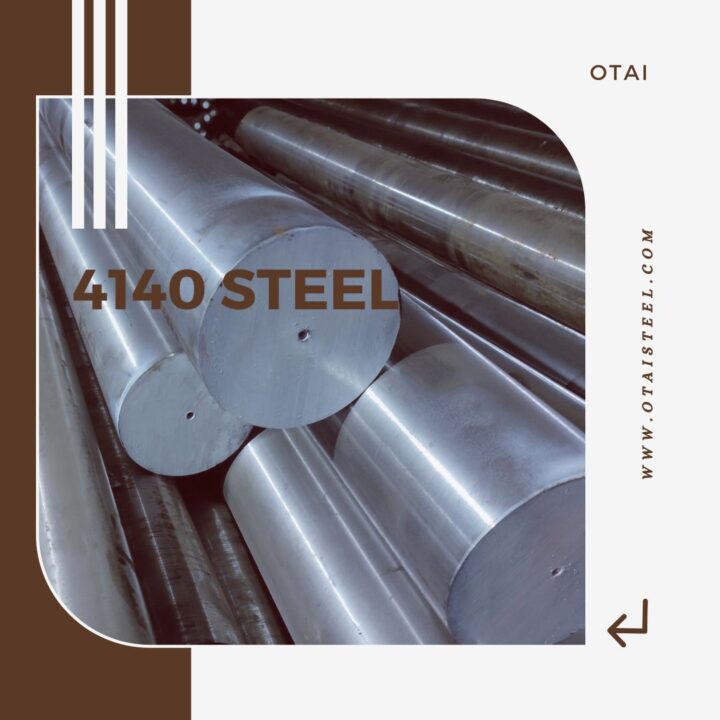
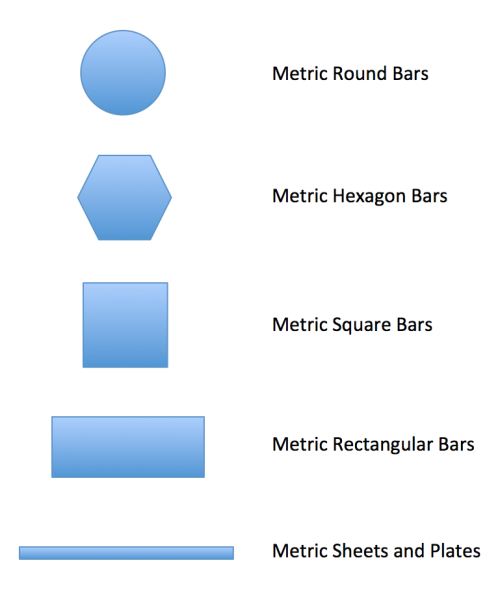
| Bars | 10 mm – 300 mm diameter | Round, square, or flat |
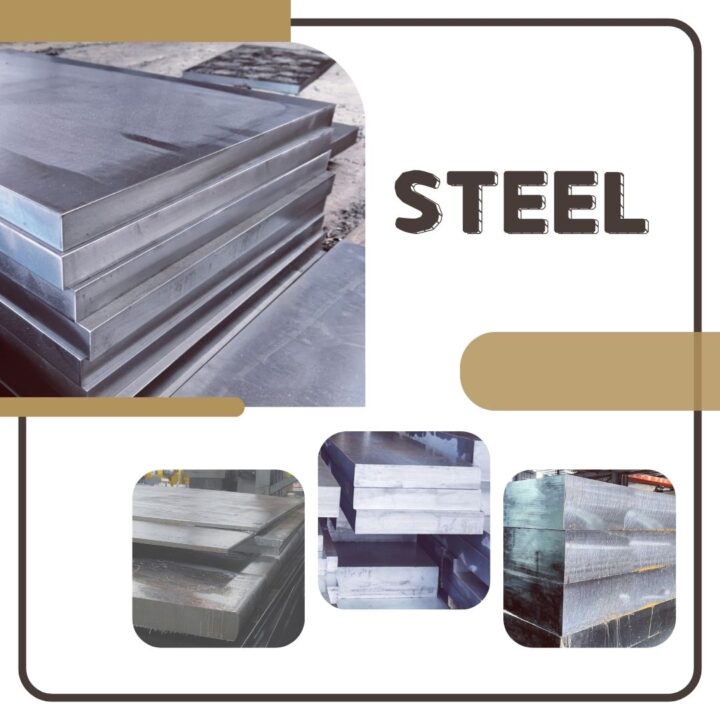
| Plates | 6 mm – 300 mm thickness | For heavy-duty applications |
| Tubes | 10 mm – 600 mm OD | Seamless or DOM |
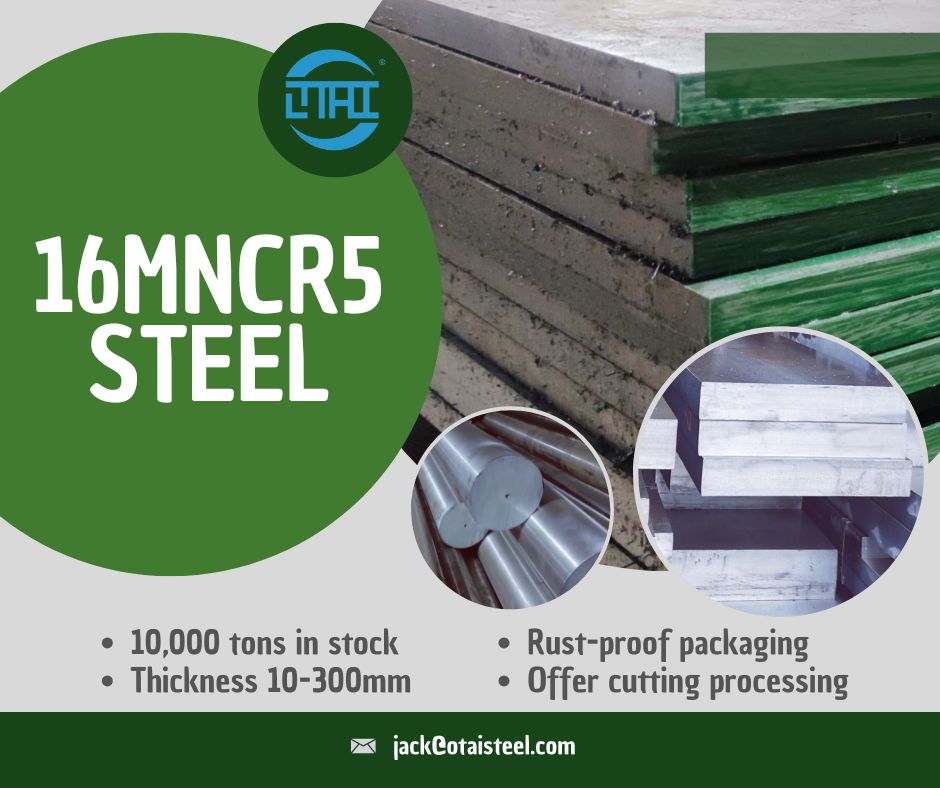
Large bars and plates are used in automotive and aerospace, while smaller precision rods serve tooling and machinery components.
🛡️ Benefits of Annealed 16MnCr5 Steel
-
Enhanced ductility and machinability
-
Homogeneous microstructure ready for hardening
-
Reduced internal stress and deformation
-
Predictable mechanical properties for engineering applications
🏅 Company Advantages – Why Source from Otai Special Steel?
Choosing the right supplier ensures consistent quality and reliability:
-
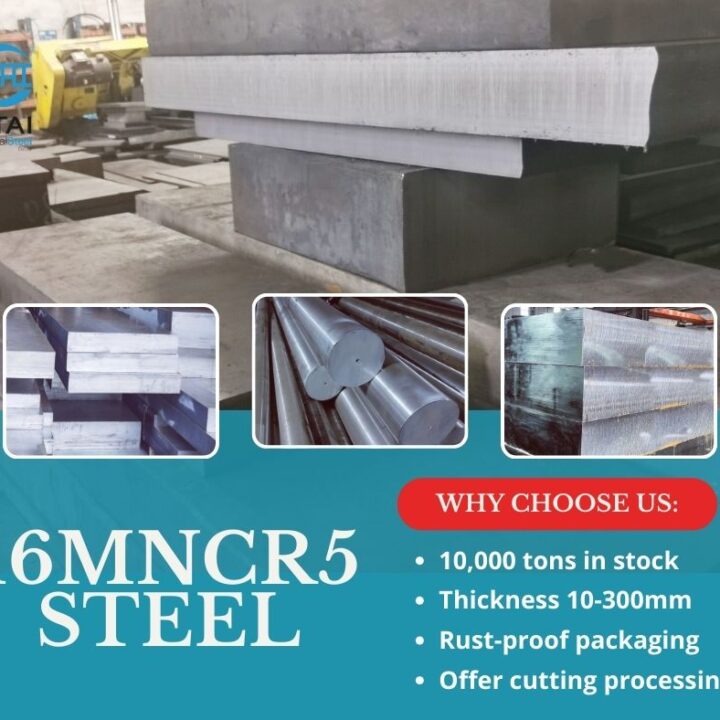
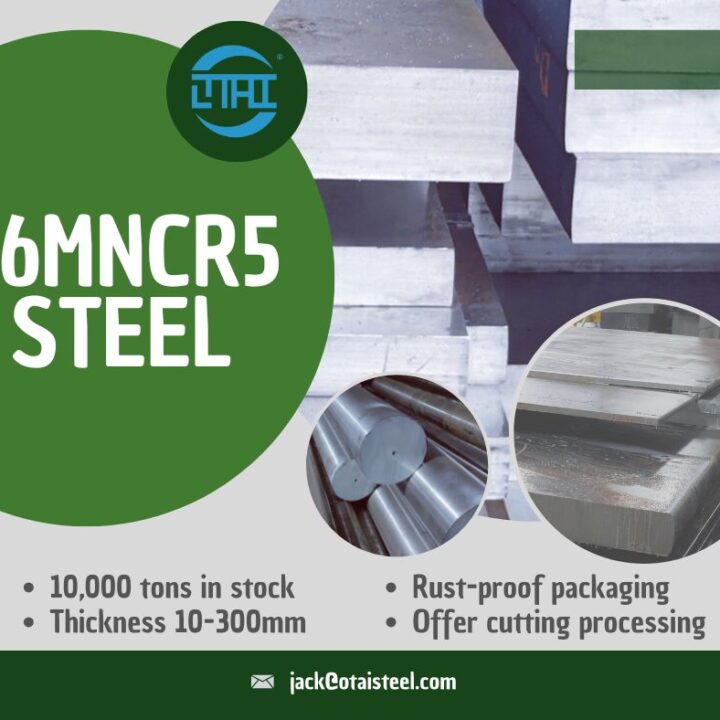
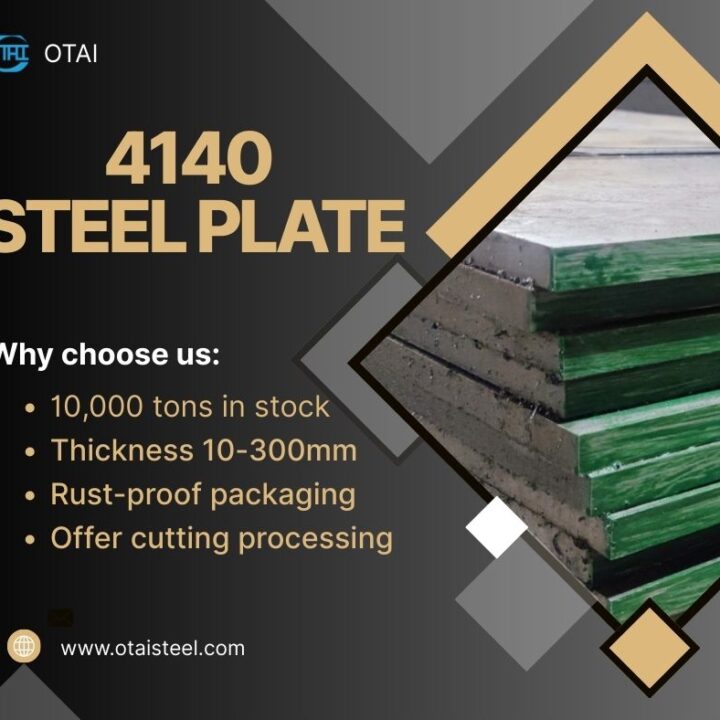
Large Inventory: Over 10,000 tons of 16MnCr5 steel in bars, plates, and tubes
-
Custom Processing: Tailored cutting, machining, and heat treatments
-
Certified Quality: Ultrasonic testing, chemical analysis, and SGS inspections
-
Global Supply: Trusted by companies such as Thyssenkrupp, Borealis, and Schlumberger
❓ FAQ
Q1: What is the ideal annealing temperature for 16MnCr5?
Between 820 °C and 860 °C, depending on part size.
Q2: Does annealing improve machinability?
Yes, it reduces hardness and enhances ductility, facilitating machining.
Q3: Can annealed 16MnCr5 undergo quenching afterward?
Absolutely. Annealing prepares the steel for uniform hardening and surface treatments.
Q4: Which applications benefit most from annealed 16MnCr5?
Automotive shafts, gears, industrial machinery, and tooling components.
Q5: Can annealed 16MnCr5 be used directly?
Yes, for components requiring ductility and moderate strength without further hardening.